

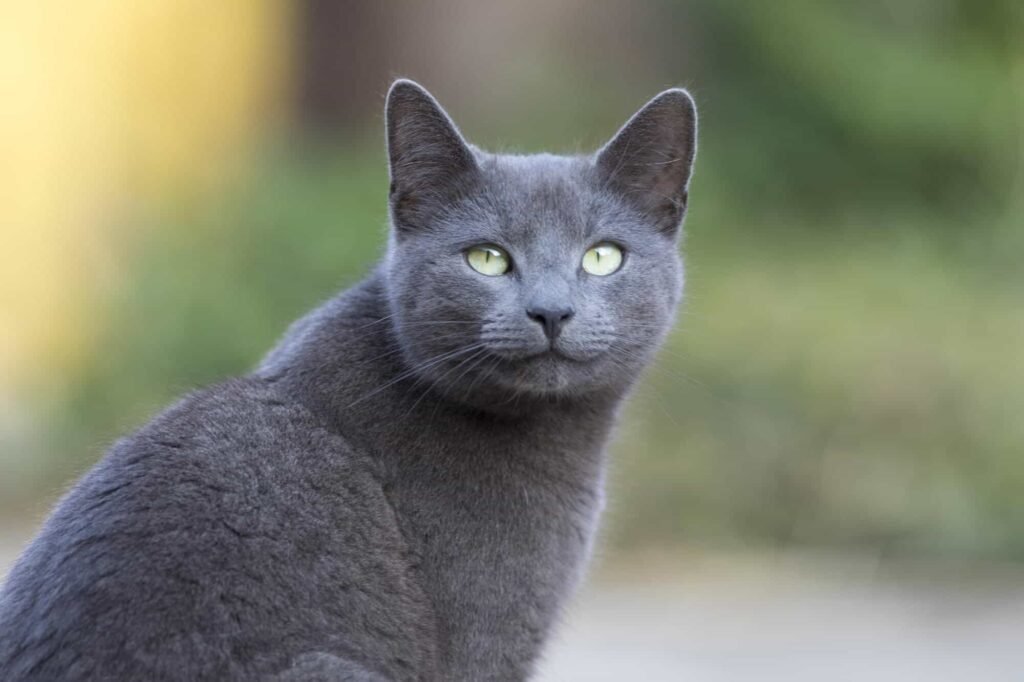
If you have a Russian Blue cat, you want to make sure your furry friend stays happy and healthy. But do you know the common health issues that can affect this beautiful breed?
Understanding these problems early can help you spot signs before they become serious. You’ll discover what health concerns to watch for and how to keep your Russian Blue in the best shape possible. Keep reading to protect your cat’s well-being and enjoy many joyful years together.

Credit: www.pumpkin.care
Common Health Concerns
Knowing the common health concerns of your Russian Blue cat can help you keep them happy and healthy for years. These cats are generally robust, but they do face some specific issues you should watch for. Being proactive about these health matters can save you stress and vet bills down the line.
Genetic Disorders
Russian Blue cats can inherit certain genetic disorders, though they are not very common. One of the known issues is hypertrophic cardiomyopathy (HCM), a heart condition that thickens the heart muscle and can cause serious problems.
Regular veterinary check-ups including heart scans can catch this early. Have you scheduled your cat’s annual health screening? It’s a small step that can make a big difference.
Dental Problems
Dental health is often overlooked but is crucial for Russian Blues. They can develop tartar buildup, gingivitis, and even tooth loss if their teeth aren’t cared for properly.
Brushing your cat’s teeth a few times a week and providing dental treats can prevent these problems. Does your cat enjoy chewing on dental toys? These can also help keep their teeth clean.
Obesity Risks
These cats love to lounge, which can easily lead to weight gain if their diet isn’t controlled. Obesity increases the risk of diabetes, joint issues, and reduces overall life quality.
Watch portion sizes and encourage playtime daily. How often do you engage your cat in active play? Even short sessions can help keep their weight in check.
Respiratory Issues
Though not very frequent, some Russian Blues may experience respiratory problems like asthma or infections. Signs include coughing, sneezing, or difficulty breathing.
Keep your home free from smoke and strong chemicals to protect their sensitive lungs. Have you noticed any unusual breathing patterns in your cat lately? Early vet attention is key here.
Diet And Nutrition
Diet plays a crucial role in keeping your Russian Blue cat healthy and energetic. Their unique metabolism and activity levels mean they need specific nutrients to thrive. Paying attention to what you feed your cat can prevent many common health problems.
Balanced Diet Essentials
Your Russian Blue needs a diet rich in high-quality protein to support their lean muscle mass. Look for cat foods where meat, like chicken or fish, is the first ingredient listed. Cats are obligate carnivores, so their food should be low in carbohydrates and free of fillers like corn or wheat.
Essential fatty acids, such as omega-3 and omega-6, help maintain their shiny coat and healthy skin. Vitamins and minerals like taurine, vitamin E, and zinc are equally important. Have you checked the label of your cat’s food lately to ensure it meets these needs?
Foods To Avoid
Some foods can harm your Russian Blue, even in small amounts. Avoid giving them onions, garlic, chocolate, caffeine, grapes, and raisins, as these can cause serious health issues. Dairy products might upset their stomach since many cats are lactose intolerant.
Raw eggs and raw fish are also risky; they can lead to infections or nutrient deficiencies. Instead, stick to vet-approved treats and always introduce new foods gradually. Could cutting out certain snacks improve your cat’s overall health?
Hydration Tips
Proper hydration is essential for your Russian Blue’s kidney and urinary tract health. Many cats don’t drink enough water on their own, so encourage water intake by placing several water bowls around the house. Some cats prefer running water, so a cat fountain might be a smart investment.
Wet cat food can also boost hydration while providing balanced nutrition. Watch for signs of dehydration, like lethargy or reduced urination, and consult your vet if you notice anything unusual. How often do you check your cat’s water consumption?
Exercise And Activity
Exercise and activity play a key role in keeping Russian Blue cats healthy and happy. These cats are naturally agile and curious. Regular physical activity helps them stay fit and prevents common health issues like obesity. Engaging your cat in active play also supports mental stimulation, reducing stress and boredom.
Playtime Importance
Playtime keeps your Russian Blue cat physically strong. It sharpens their reflexes and keeps muscles toned. Short, frequent play sessions work best. Use toys that mimic prey, such as feather wands or laser pointers. This encourages natural hunting instincts and keeps your cat interested. Active play boosts mood and helps avoid destructive behaviors.
Indoor Exercise Ideas
Indoor exercise is vital for cats that stay inside. Set up climbing shelves or cat trees to promote jumping and climbing. Rotate toys regularly to maintain excitement. Puzzle feeders encourage movement and mental effort. Create safe spaces for running and exploring. Even simple games with paper balls or strings can keep your cat active and entertained.
Managing Weight
Maintaining a healthy weight is crucial for Russian Blue cats. Excess weight strains joints and organs. Monitor food portions carefully to avoid overeating. Combine a balanced diet with daily exercise routines. Regular vet check-ups help track weight and health. Keep your cat active to prevent obesity and related illnesses.

Credit: zigly.com
Grooming Needs
Taking care of your Russian Blue cat’s grooming needs is essential to keep them healthy and comfortable. Regular grooming not only maintains their elegant appearance but also helps you spot any health issues early. It can be a bonding experience that makes your cat feel loved and secure.
Coat Care
The Russian Blue’s short, dense coat is surprisingly easy to manage. Brushing once or twice a week removes loose hairs and reduces shedding. If your cat enjoys brushing, you might notice their coat becomes shinier and softer over time.
Pay attention to any bald patches or skin irritations while grooming. These could be signs of allergies or infections that need veterinary attention. Have you noticed your cat avoiding grooming themselves? That might be a sign to step in and help more often.
Nail Trimming
Keeping your Russian Blue’s nails trimmed prevents scratching injuries and protects your furniture. Check their nails every two weeks and trim just the sharp tips. Be cautious not to cut too close to the quick, which can cause pain and bleeding.
If your cat resists nail trimming, try offering treats and gentle reassurance during the process. Sometimes, trimming a few nails at a time over several days works better than all at once. Have you found a particular technique that makes nail care easier for your cat?
Ear Cleaning
Healthy ears are crucial for your cat’s overall well-being. Check your Russian Blue’s ears weekly for dirt, wax buildup, or unusual odors. Use a soft cotton ball dampened with a vet-approved ear cleaner to gently wipe the outer ear.
Avoid inserting anything deep into the ear canal, which can cause damage. If you see redness, swelling, or your cat scratches their ears often, a vet visit is necessary. How often do you inspect your cat’s ears to catch potential problems early?
Regular Veterinary Care
Regular veterinary care is essential to keep your Russian Blue cat healthy and happy. These elegant cats may seem low-maintenance, but they still need consistent health monitoring to catch issues early. Scheduling and sticking to vet visits helps you protect your furry friend from common diseases and unexpected problems.
Vaccination Schedule
Vaccinations shield your Russian Blue from dangerous infections like feline leukemia and distemper. Your vet will recommend a vaccination plan based on your cat’s age and lifestyle. Kittens usually start their shots at six to eight weeks, with boosters every few weeks until they reach about four months old.
Adult cats need annual or triennial boosters depending on vaccine type and risk exposure. Missing vaccinations can leave your cat vulnerable, so keep a clear record and set reminders. Have you checked your cat’s vaccine status recently?
Routine Checkups
Regular checkups allow your vet to catch health problems before they become serious. During visits, expect weight checks, dental exams, and screenings for heart or kidney issues. Russian Blues are prone to conditions like bladder stones, so early detection is key.
These visits also give you a chance to discuss your cat’s diet, behavior, and any concerns. Don’t wait for symptoms; routine care is about prevention. How often do you schedule your cat’s health exams?
Parasite Prevention
Parasites like fleas, ticks, and worms can cause discomfort and illness for your Russian Blue. Your vet can recommend effective treatments to keep these pests away year-round. Many owners find monthly spot-on treatments or oral medications easiest to manage.
Regular fecal exams help detect intestinal parasites early. Parasite prevention doesn’t just protect your cat but also your home and family. Are you proactive enough in guarding your cat against parasites?
Signs Of Illness
Recognizing the signs of illness in your Russian Blue cat early can make a huge difference in their recovery and well-being. These cats are known for their quiet and reserved nature, which sometimes makes spotting health problems a challenge. Paying close attention to subtle changes can help you act quickly and protect your furry friend.
Behavioral Changes
Is your usually playful Russian Blue suddenly hiding or less active? Changes in behavior often signal that something is wrong.
- Increased irritability or aggression
- Withdrawal from social interaction
- Loss of appetite or refusal to eat favorite treats
- Changes in grooming habits, such as over-grooming or neglect
These shifts can be your cat’s way of telling you they don’t feel well. Have you noticed your cat acting differently lately?
Physical Symptoms
Look for visible signs that may indicate illness. Russian Blues have a sleek, dense coat, so any change in fur quality is a red flag.
- Unexplained weight loss or gain
- Discharge from eyes or nose
- Excessive sneezing or coughing
- Vomiting or diarrhea
- Limping or difficulty moving
- Swelling or lumps on the body
Even small physical changes can be serious. How often do you check your cat’s coat and body for abnormalities?
When To Seek Help
Knowing when to contact your vet is crucial. If you notice any sudden or severe symptoms, don’t wait.
- Persistent vomiting or diarrhea lasting more than 24 hours
- Difficulty breathing or rapid breathing
- Loss of consciousness or seizures
- Severe pain or bleeding
- Refusal to eat or drink for more than a day
Even if symptoms seem mild but last several days, schedule a vet visit. Trust your instincts—your cat can’t tell you when they’re hurting, but you can act on what you observe.

Credit: vetslovepets.com.au
Frequently Asked Questions
What Common Health Issues Affect Russian Blue Cats?
Russian Blue cats often face bladder stones, respiratory problems, and obesity. Regular vet check-ups help detect these early. Proper diet and exercise reduce risks. Knowing these issues ensures timely care and a healthier pet.
How Can I Prevent Health Problems In Russian Blue Cats?
Provide a balanced diet, regular exercise, and yearly vet visits. Maintain dental hygiene and monitor weight. Early detection of symptoms like lethargy or appetite loss is vital. Prevention ensures a long, happy life for your cat.
Are Russian Blue Cats Prone To Genetic Diseases?
Russian Blues have low genetic disease risk but may develop hypertrophic cardiomyopathy. Responsible breeding reduces inherited problems. Regular heart screenings help catch issues early. Genetic awareness supports healthier generations of Russian Blue cats.
What Signs Indicate Health Issues In Russian Blue Cats?
Look for changes in appetite, grooming, energy, or litter box habits. Coughing, sneezing, or weight loss also signal problems. Early symptoms mean quicker treatment. Always consult a vet if you notice unusual behavior or physical changes.
Conclusion
Russian Blue cats are generally healthy pets. Still, watch for common health issues like heart and kidney problems. Regular vet visits help catch problems early. Good food and exercise keep them strong. Pay attention to any changes in behavior or appetite.
Early care makes a big difference. A happy, healthy cat means a happy home. Caring for your Russian Blue helps them live longer. Stay informed and enjoy your special pet.
