

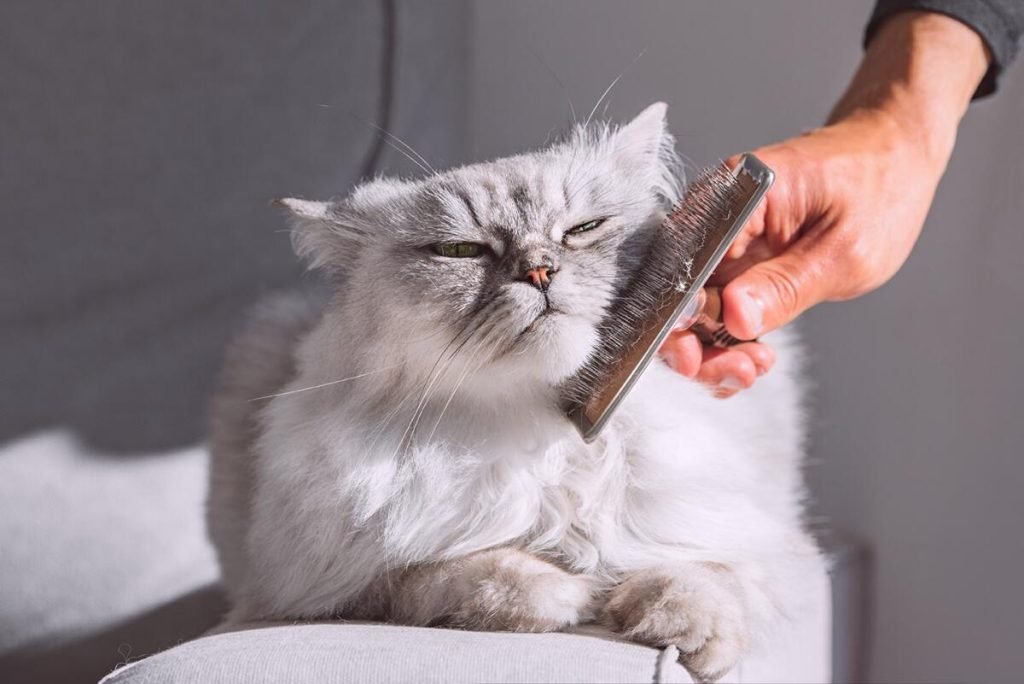
If you want your cat to look and feel its best, grooming is the secret you can’t ignore. Grooming your cat isn’t just about keeping fur clean—it helps prevent health issues and strengthens the bond between you and your furry friend.
Whether your cat loves the attention or hides at the sight of a brush, understanding how to groom your cat the right way can make all the difference. Ready to discover simple tips that will make grooming easier and more enjoyable for both of you?
Keep reading to unlock the secrets of a happy, healthy, and well-groomed cat.
Credit: hellopetsinc.com
Choosing The Right Grooming Tools
Choosing the right grooming tools makes cat care easier and more effective. Cats have different coat types and grooming needs. Using the correct tools helps keep their fur healthy and shiny. It also makes grooming a pleasant experience for both you and your cat.
Brush Types For Different Coats
Different brushes suit different cat coats. Short-haired cats do well with a bristle brush. It removes loose fur and dirt gently. Long-haired cats need a slicker brush. This brush detangles knots and mats. For cats with sensitive skin, a rubber brush works best. It massages the skin and removes loose hair.
Essential Grooming Accessories
- Nail clippers designed for cats
- Comb for delicate areas like the face
- Grooming gloves to reduce shedding
- Ear cleaner to keep ears healthy
- Pet-safe wipes for quick cleanups
These tools help maintain your cat’s hygiene and comfort.
How To Maintain Your Tools
Clean brushes after every use to remove hair and dirt. Use warm water and mild soap. Dry tools completely before storing. Keep nail clippers sharp and rust-free. Replace worn-out tools regularly. Proper care extends the life of your grooming kit.

Credit: www.latimes.com
Brushing Techniques For A Shiny Coat
Brushing your cat regularly keeps its coat shiny and healthy. It removes dirt, dead hair, and distributes natural oils. This process also helps prevent hairballs and reduces shedding. Use gentle brushing techniques for a pleasant grooming experience. Here are some key tips to follow.
Frequency And Timing
Brush your cat at least three times a week for a smooth coat. Long-haired cats may need daily brushing. Short-haired cats require less frequent care.
Choose a quiet time when your cat feels relaxed. After a nap or playtime works well. Keep sessions short to maintain your cat’s comfort.
Step-by-step Brushing Guide
- Start by petting your cat to calm it down.
- Use a brush suitable for your cat’s fur type.
- Brush gently in the direction of hair growth.
- Focus on areas prone to tangles like the neck and belly.
- Check for loose hair and remove it carefully.
- Praise your cat during and after brushing.
Handling Matted Fur
Matted fur can be painful and trap dirt. Use a wide-toothed comb to loosen mats carefully. Hold the fur near the skin to avoid pulling.
Work slowly and patiently on tough mats. If mats are severe, consider professional grooming help. Regular brushing reduces the chance of mats forming.
Bathing Your Cat Safely
Bathing your cat can be a delicate task. Cats generally groom themselves well, but there are times when a bath becomes necessary. Handling this carefully ensures your cat stays clean without causing unnecessary stress or harm.
Selecting Cat-friendly Shampoos
Choosing the right shampoo is crucial. Avoid human shampoos or dog shampoos because they can irritate your cat’s skin. Look for shampoos labeled specifically for cats with gentle, natural ingredients.
Hypoallergenic and tear-free formulas are usually safer choices. Have you noticed your cat scratching more after a bath? That might be a sign the shampoo isn’t suitable.
Bathing Tips To Reduce Stress
Keep the water lukewarm—too hot or too cold can upset your cat. Use a non-slip mat in the sink or tub to help your cat feel secure. Speak softly and move slowly to avoid startling them.
Some cats respond well to a gentle massage during rinsing, which can calm their nerves. If your cat resists, try bathing them in a smaller space like a sink instead of a large tub. What small changes can you make to create a calmer environment during bath time?
Drying And Aftercare
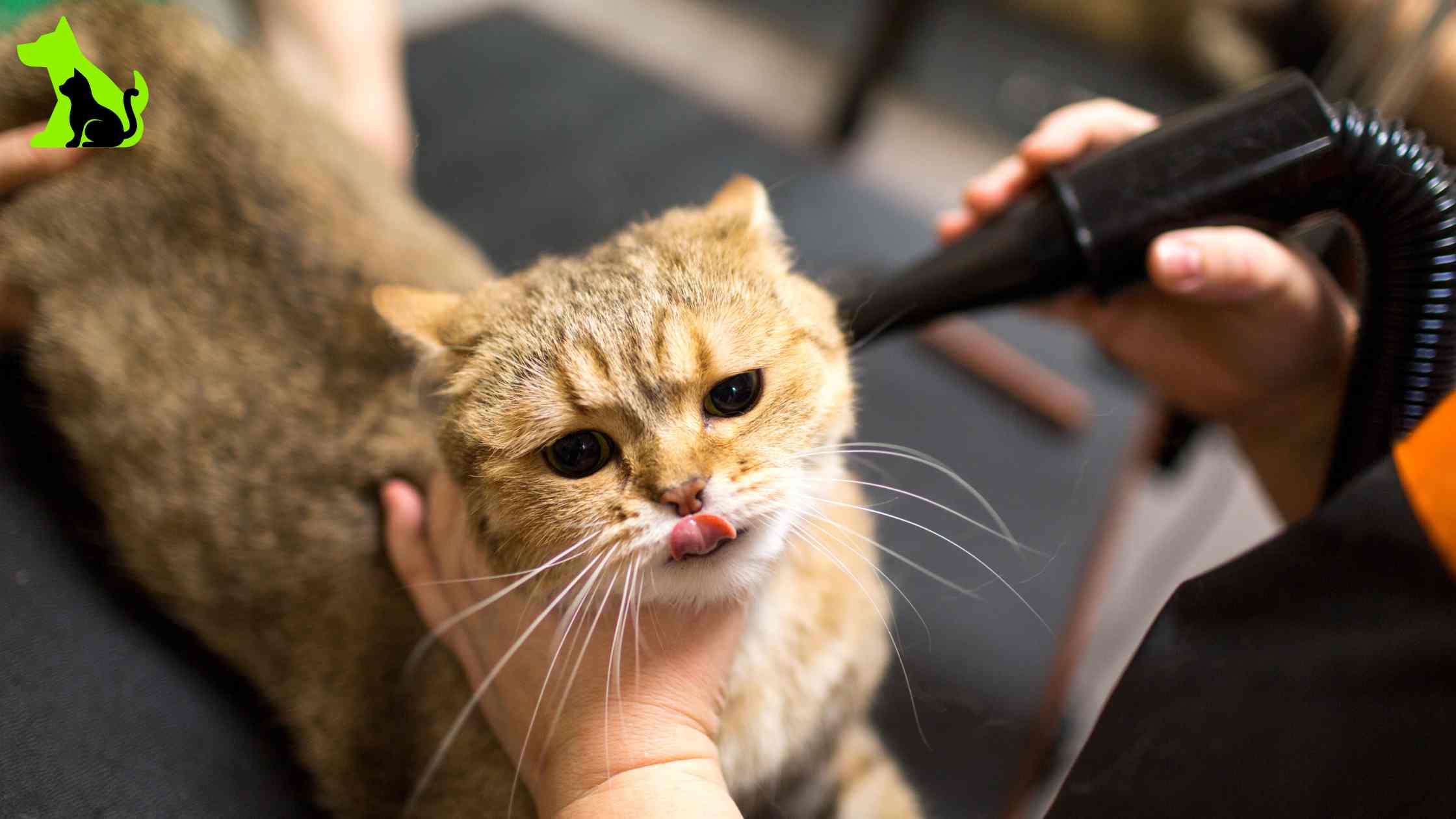
Use a soft towel to gently pat your cat dry. Avoid rubbing vigorously, as it can irritate their sensitive skin. If your cat tolerates it, a low-heat hairdryer on the quietest setting can help speed up drying.
After the bath, reward your cat with their favorite treat or extra playtime. This positive reinforcement helps them associate baths with good experiences. Have you noticed how your cat’s mood changes after gentle aftercare?
Diet And Nutrition For Healthy Fur
Healthy fur on your groom cat doesn’t just come from regular brushing or baths. What your cat eats plays a huge role in the shine and softness of their coat. Paying attention to diet and nutrition can prevent dryness, shedding, and dullness, making your cat’s fur look its absolute best.
Foods That Promote Coat Health
Certain foods boost your cat’s coat naturally. Look for high-quality proteins like chicken, turkey, or fish—these provide essential amino acids for fur growth.
Omega-3 and omega-6 fatty acids are key players in keeping fur shiny and smooth. Foods rich in these fats include salmon, sardines, and flaxseed oil. You might notice your cat’s coat becomes softer and less prone to mats after adding these to their meals.
Don’t forget about vitamins like A and E. These nutrients help repair skin and promote healthy hair follicles. Many commercial cat foods are fortified with these, but you can also find natural sources like liver or pumpkin.
Supplements To Consider
If your cat’s diet lacks variety, supplements can fill the gaps. Fish oil capsules are a popular choice to increase omega-3 intake and improve coat condition.
Biotin supplements can strengthen fur and reduce shedding. I once added biotin to my cat’s routine and saw a noticeable reduction in fur clumps around the house.
Always consult your vet before adding supplements. Too much of certain vitamins or oils can cause health problems, so balance is key.
Hydration And Its Impact
Water is often overlooked but crucial for fur health. Proper hydration keeps your cat’s skin moisturized from within, preventing dryness and flakiness.
Wet cat food can be a great way to boost water intake, especially if your cat doesn’t drink much from a bowl. Have you noticed your cat’s coat looking dull during dry seasons? Increasing water intake can make a surprising difference.
Encourage drinking by placing multiple water bowls around your home or trying a cat water fountain. Hydration supports overall health, and a healthy coat often follows naturally.
Managing Shedding And Hairballs
Managing shedding and hairballs is essential for keeping your cat healthy and your home clean. Cats naturally shed fur, which can build up and cause hairballs. Understanding how to handle these issues helps reduce discomfort for your cat and keeps their coat shiny.
Seasonal Shedding Patterns
Cats shed more during seasonal changes. Spring and fall are peak times for shedding. This happens as cats adjust their coats for warmer or cooler weather. Expect more loose fur around these months. Regular brushing helps catch shed hair before it falls.
Preventing Hairballs
Hairballs form when cats swallow loose fur during grooming. Too many hairballs can cause digestive problems. Prevent hairballs by:
- Brushing your cat daily to remove loose fur
- Offering hairball control treats or food
- Ensuring your cat drinks plenty of water
- Maintaining a balanced diet to support skin health
Regular Grooming Routines
Set a grooming schedule to keep shedding under control. Use the right tools like soft brushes or grooming gloves. Groom your cat gently to avoid skin irritation. Pay attention to areas with thick fur or mats. Regular grooming also strengthens your bond with your cat.
Credit: hellopetsinc.com
Identifying Skin And Coat Issues
Keeping a cat’s skin and coat healthy is key to its comfort and happiness. Spotting issues early helps prevent bigger problems. Cats cannot tell us when they feel itchy or sore. Careful observation during grooming reveals signs of trouble.
Changes in fur texture, patches of hair loss, or redness on the skin often signal a problem. Regular grooming sessions give you a chance to check for these signs. Understanding common issues helps you act quickly.
Common Skin Problems
- Fleas and ticks cause itching and redness.
- Allergies may lead to dry, flaky skin.
- Ringworm creates circular, hairless spots.
- Dermatitis causes swelling and irritation.
- Excessive scratching can cause wounds.
- Dry skin often leads to dandruff.
When To See A Vet
Seek veterinary help if your cat shows these signs:
- Constant itching or biting at the skin.
- Open sores or bleeding areas.
- Hair loss in large patches.
- Redness or swelling that worsens.
- Unusual lumps or bumps under the fur.
- Changes in behavior or appetite.
Home Remedies And Treatments
Some mild skin issues can improve at home. Use gentle pet shampoos to soothe irritation. Keep your cat’s bedding clean and dry. Regular brushing removes loose fur and dirt.
Oatmeal baths can calm itchy skin. Coconut oil applied lightly may help dryness. Monitor your cat’s skin closely during home care. Stop treatments and visit a vet if conditions worsen.
Professional Grooming Services
Professional grooming services can make a huge difference in your cat’s health and happiness. While daily brushing at home is essential, some grooming needs require expert attention. These services not only keep your cat looking great but also help prevent skin problems and detect health issues early.
When To Seek Expert Help
Have you noticed your cat struggling with matted fur or persistent shedding? These are clear signs that professional grooming is needed. Cats with long hair, older cats, or those with certain health issues often benefit the most from expert care.
If your cat dislikes nail trimming or has sensitive skin, a groomer can handle these tasks safely. Also, after a vet visit for skin conditions, professional grooming can aid recovery.
What To Expect From Groomers
Professional groomers offer more than just a bath. Expect services like de-shedding, nail trimming, ear cleaning, and gentle brushing. They know how to handle cats calmly and can spot abnormalities like lumps or infections early.
Some groomers also provide specialized treatments such as flea baths or hypoallergenic shampoos tailored to your cat’s needs. You can discuss your cat’s preferences and any special concerns before the session.
Costs And Frequency
The cost of grooming varies by location, cat size, and services requested. Typically, expect to pay between $40 and $80 per session. Some salons offer package deals if you plan regular visits.
How often you should groom your cat professionally depends on their coat type and lifestyle. Long-haired cats might need grooming every 4 to 6 weeks, while short-haired cats may only require it a few times a year.
Would you be willing to invest in professional grooming to save time and keep your cat comfortable? Think about how regular grooming fits into your budget and your cat’s wellbeing.
Frequently Asked Questions
How Often Should I Groom My Cat?
Groom your cat at least once a week to remove loose fur and prevent mats. Long-haired cats may require daily brushing. Regular grooming helps reduce shedding and keeps your cat’s coat healthy and shiny.
What Tools Are Best For Grooming A Cat?
Use a slicker brush for long fur and a rubber comb for short hair. Nail clippers and grooming wipes are also useful. Choose tools that match your cat’s coat type for effective grooming.
Can Grooming Improve My Cat’s Health?
Yes, grooming removes dirt and stimulates skin oils, promoting a healthy coat. It helps detect skin issues early, preventing infections. Grooming also reduces hairballs and strengthens your bond with your cat.
How Do I Groom A Nervous Or Scared Cat?
Approach your cat calmly and use gentle strokes. Groom in short sessions and offer treats. Avoid forcing your cat; patience helps build trust and makes grooming less stressful.
Conclusion
Grooming your cat helps keep it healthy and happy. Regular brushing reduces hairballs and skin problems. It also strengthens the bond between you and your pet. Use gentle tools and be patient during grooming sessions. Pay attention to your cat’s reactions and comfort.
Clean their ears and trim nails carefully. A well-groomed cat looks clean and feels good. Taking time to groom shows you care. Your cat will enjoy the extra attention and love. Simple care routines make a big difference every day.
