

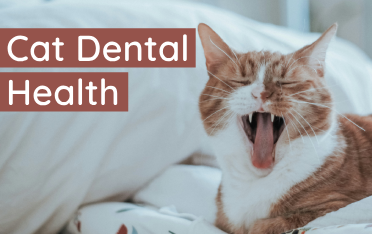
Your cat’s smile says a lot about their health, but have you ever stopped to think about their dental care? Just like you, your feline friend needs proper attention to keep their teeth and gums healthy.
Ignoring your cat’s dental health can lead to pain, bad breath, and even serious illnesses. You’ll discover simple ways to protect your cat’s teeth, spot early signs of problems, and ensure your furry companion stays happy and comfortable. Keep reading—your cat’s bright, healthy smile depends on it.
Importance Of Cat Dental Health
Keeping your cat’s teeth clean isn’t just about a bright smile. It plays a crucial role in their overall health and happiness. Ignoring dental care can lead to serious problems that affect more than just their mouth.
Impact On Overall Well-being
Poor dental health can cause your cat pain and discomfort, making them less likely to eat or play. This can lead to weight loss and a drop in energy levels, affecting their daily life.
Dental infections can spread bacteria to vital organs like the heart and kidneys. This means a simple tooth problem might turn into a life-threatening condition.
Have you noticed your cat acting quieter or eating less? Dental issues might be the hidden cause. Regular check-ups can catch problems before they become severe.
Common Dental Issues In Cats
- Gingivitis:Inflammation of the gums causing redness and bleeding.
- Periodontal Disease:Damage to tissues supporting the teeth, leading to tooth loss.
- Tooth Resorption:A painful condition where the tooth starts breaking down.
- Tartar Build-up:Hardened plaque that can cause bad breath and gum problems.
Many cats hide dental pain well. You might only notice subtle signs like drooling or pawing at the mouth. Regularly examining your cat’s teeth and gums helps spot these issues early.

Credit: www.amazon.in
Signs Of Dental Problems
Dental problems in cats often go unnoticed until they become severe. Early signs can be subtle but spotting them helps keep your cat healthy. Watch closely for changes in behavior or physical signs that suggest dental pain or infection. Prompt attention can prevent serious issues.
Behavioral Changes
Cats with dental problems may act differently. They might eat less or avoid dry food. Some cats paw at their mouth or face. Reluctance to be touched around the head is common. You may notice increased irritability or hiding. These changes often signal discomfort or pain.
Physical Symptoms To Watch
- Bad breath that smells strong or foul
- Red, swollen, or bleeding gums
- Excessive drooling or saliva
- Loose or broken teeth
- Visible tartar buildup on teeth
- Swelling around the mouth or jaw
- Difficulty chewing or dropping food
Regular checks of your cat’s mouth can catch these symptoms early. Consult a veterinarian if you notice any signs. Dental health affects overall well-being and comfort for your cat.
Daily Dental Care Tips
Daily dental care keeps your cat’s teeth strong and healthy. It helps stop bad breath, gum disease, and tooth loss. Small daily actions make a big difference in your cat’s mouth health.
Brushing Techniques
Use a soft toothbrush made for cats. Wet the brush with water or cat toothpaste. Gently brush in small circles on the outside of the teeth. Focus on the gum line where plaque builds up. Keep sessions short at first. Praise your cat to create a positive habit.
Choosing The Right Toothpaste
Pick toothpaste made especially for cats. Human toothpaste is harmful and should never be used. Cat toothpaste comes in flavors cats like, such as poultry or fish. These flavors help make brushing more pleasant. Look for toothpaste with enzymes that fight bacteria.
Dental Treats And Toys
Dental treats help reduce plaque and freshen breath. Choose treats designed to clean teeth as cats chew. Dental toys also aid oral health by massaging gums and scraping teeth. Always supervise your cat with new toys. Combine treats and toys with brushing for best results.
Professional Dental Care
Professional dental care is essential for keeping your cat’s teeth and gums healthy. Regular check-ups with a veterinarian can catch problems early, preventing pain and more serious health issues later. You might not notice a problem until it’s severe, so professional care fills in the gaps that home care might miss.
When To Visit The Vet
Watch for signs like bad breath, drooling, or difficulty eating. These can indicate dental problems that need a vet’s attention. Even if your cat seems fine, schedule a dental exam at least once a year.
Is your cat squinting or pawing at its mouth? These behaviors often show discomfort that you shouldn’t ignore. Early visits can save you money and your cat from pain.
What To Expect During A Dental Exam
Your vet will start by examining your cat’s mouth while it’s awake, checking for obvious issues like swollen gums or loose teeth. Often, a more detailed exam happens under anesthesia to allow a thorough cleaning and inspection.
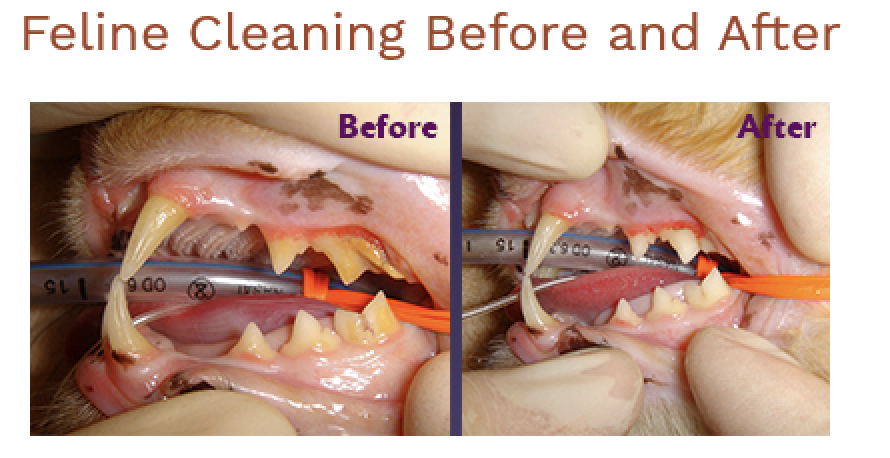
During the procedure, plaque and tartar are removed, and any damaged teeth might be treated or extracted. The vet may also take dental X-rays to see below the gum line—something you can’t do at home.
Afterwards, your vet will discuss care tips and recommend follow-up visits. Knowing what happens can make the experience less stressful for both you and your cat.
Diet And Dental Health
Your cat’s diet plays a bigger role in dental health than you might expect. What your cat eats can either protect their teeth or cause damage over time. Paying attention to their food choices can help keep those sharp teeth strong and clean.
Foods That Promote Healthy Teeth
Crunchy foods help scrape away plaque from your cat’s teeth as they chew. Dry kibble specifically designed for dental health can be a great choice. Some cats enjoy dental treats made with ingredients that support oral hygiene, such as enzymes that reduce bacteria.
Including foods rich in vitamins like Vitamin C and calcium supports strong gums and teeth. You might want to add small amounts of raw or cooked vegetables like carrots as snacks, which encourage chewing and natural cleaning. Have you noticed your cat’s teeth looking cleaner after switching to a dental-specific diet?
Avoiding Harmful Ingredients
Many commercial cat foods contain sugars and starches that can stick to teeth and cause decay. Avoid giving your cat treats or foods with high sugar content, as these promote plaque buildup. Artificial additives and preservatives may also irritate your cat’s gums, so choosing natural options is better.
Be cautious about feeding your cat sticky or soft foods that cling to teeth and are harder to remove. If you’ve ever seen your cat’s teeth coated in residue after a meal, it’s a sign to reconsider their diet. What changes can you make today to reduce harmful ingredients in your cat’s meals?

Credit: justcatsclinic.com
Preventing Dental Disease
Preventing dental disease in cats is vital for their overall health. Poor dental care can lead to pain, infections, and loss of teeth. Healthy teeth help cats eat comfortably and avoid serious health problems. Starting prevention early improves your cat’s quality of life.
Regular Checkups
Visit the veterinarian at least once a year for a dental exam. The vet will check for signs of plaque, tartar, and gum disease. Early detection helps stop problems before they get worse. Professional cleanings remove hard-to-reach plaque. Ask the vet about dental X-rays to see below the gums.
Maintaining A Dental Care Routine
Brush your cat’s teeth daily or several times a week. Use a soft toothbrush and toothpaste made for cats. Avoid human toothpaste; it can harm your pet. Introduce brushing gently and reward your cat for cooperation. Dental treats and special diets also help reduce plaque buildup.
- Choose dental toys that promote chewing and cleaning
- Offer water additives designed to improve oral health
- Monitor your cat’s breath and gums for changes
Credit: www.cummingvetclinic.com
Frequently Asked Questions
What Are Common Signs Of Dental Problems In Cats?
Common signs include bad breath, drooling, difficulty eating, and red or swollen gums. Watch for pawing at the mouth or loose teeth. Early detection helps prevent serious dental diseases.
How Often Should I Clean My Cat’s Teeth?
Ideally, clean your cat’s teeth daily or at least several times a week. Regular brushing reduces plaque and tartar buildup. Use cat-specific toothbrushes and toothpaste for safe and effective cleaning.
Can Dental Disease Affect My Cat’s Overall Health?
Yes, dental disease can lead to infections spreading to the heart, kidneys, and liver. Poor oral health impacts your cat’s immune system and quality of life. Routine dental care supports overall wellness.
What Foods Help Maintain My Cat’s Dental Health?
Dry kibble and dental treats help reduce plaque. Special dental diets are designed to clean teeth and freshen breath. Always consult your vet before changing your cat’s diet.
Conclusion
Healthy teeth keep your cat happy and pain-free. Regular brushing and vet check-ups help prevent problems. Watch for signs like bad breath or chewing trouble. Clean teeth support better eating and overall health. Small daily efforts make a big difference over time.
Keep your cat’s smile bright and strong every day. Dental care is a simple step for a longer life. Don’t wait—start caring for your cat’s teeth now.
