

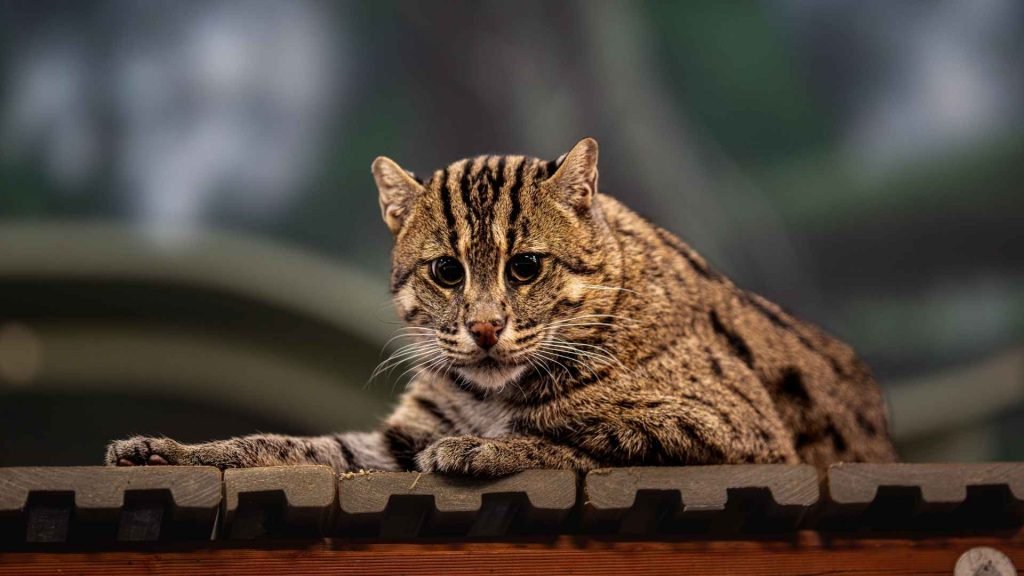
Are you fascinated by cats that stand out from the ordinary? Exotic cat breeds offer a unique blend of beauty, personality, and charm that can capture your heart instantly.
Whether you’re looking for a new pet or just love learning about rare animals, these cats bring something special to the table. Ready to discover which exotic breeds could be the perfect match for your home? Keep reading, and you might find your next furry friend waiting for you.
Credit: worldanimalfoundation.org
Rare Cat Breeds
Rare cat breeds capture the imagination of many pet lovers. These cats stand out not just because of their looks but also due to their unique personalities and fascinating backgrounds. Owning one can be a special experience that connects you with a piece of natural history and rare beauty.
Characteristics Of Exotic Cats
Exotic cats often have distinct features that set them apart. You might notice unusual fur patterns, eye colors, or body shapes that you won’t find in common breeds. These traits can make them incredibly captivating to watch and interact with.
Their personalities can vary widely. Some are very playful and outgoing, while others prefer quiet and calm environments. Understanding these characteristics helps you decide if a rare breed fits your lifestyle.
Have you ever met a cat that seemed almost otherworldly in appearance? That’s the charm of exotic breeds—they make you pause and appreciate nature’s diversity.
Origins And History
Many rare cat breeds have intriguing stories behind their origins. Some come from isolated regions where they evolved unique traits over centuries. Others are the result of careful breeding programs designed to preserve or highlight specific characteristics.
Knowing a breed’s history can deepen your appreciation for it. For example, the Sokoke cat traces back to the Kenyan coastal forests, making it not just rare but a living link to a distant ecosystem.
When you bring a rare breed into your home, you’re also carrying forward a piece of its history. What story will your cat tell through its presence?
Top Exotic Breeds
Exotic cat breeds captivate with their unique looks and vibrant personalities. These breeds often combine wild ancestry with domestic charm, offering a pet experience unlike any other. If you’re curious about which exotic cats might fit your lifestyle, understanding their traits and care needs is essential.
Ashera
The Ashera cat is known for its impressive size and striking spotted coat. It’s a hybrid breed created by mixing African serval, Asian leopard cat, and domestic cat genes. Despite its wild appearance, Asheras can be affectionate companions if socialized well from a young age.
Keep in mind, their high energy and intelligence require plenty of mental and physical stimulation. Have you thought about how much time you can dedicate to play and interaction daily?
Savannah
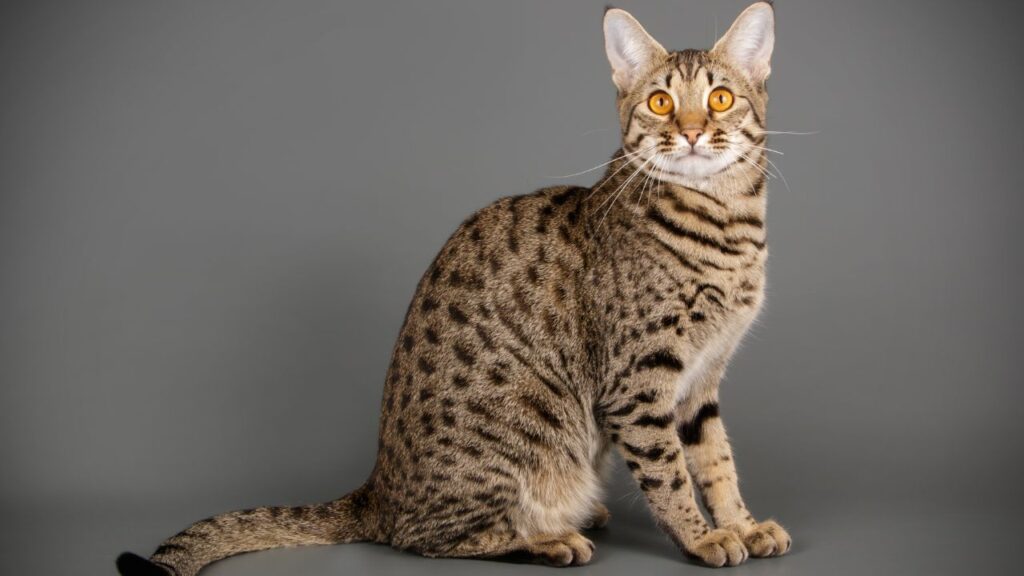
Savannah cats stand out with their tall, lean bodies and large ears. They descend from the serval and domestic cats, giving them a wild look combined with playful behavior. Owners often mention their dog-like loyalty and willingness to learn tricks.
However, their curiosity can lead them into mischief, so your home must be “cat-proofed.” Are you ready to handle an active pet that loves to explore every nook and cranny?
Chausie
The Chausie is a blend between the jungle cat and domestic breeds, known for agility and social nature. These cats tend to be very interactive, often following their owners around and engaging in play. Their sleek, athletic build adds to their exotic appeal.
They thrive in environments where they receive consistent attention and space to climb. Would your living space support such an energetic and social companion?
Serengeti
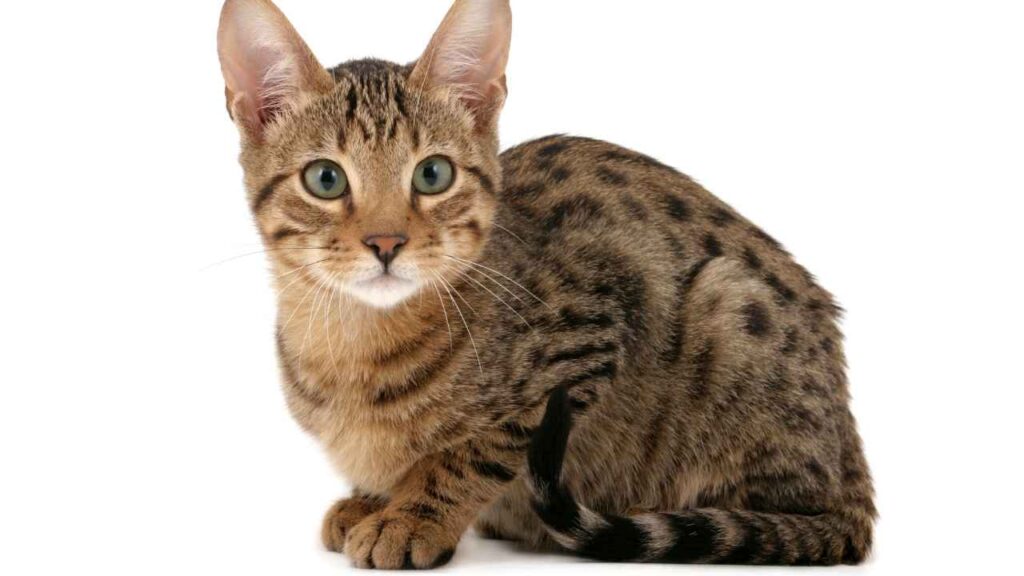
Serengeti cats look like small wild cats with their spotted coats and long legs. They’re a cross between Bengal and Oriental Shorthair breeds, making them highly active and affectionate. Many owners appreciate their gentle demeanor paired with an adventurous spirit.
Regular playtime and mental challenges keep Serengetis happy and healthy. How will you keep your exotic cat’s mind sharp?
Bengal
Bengals are perhaps the most popular exotic breed, admired for their leopard-like spots and energetic personality. They enjoy interactive toys and water play, often surprising owners with their playful antics. Bengals need plenty of stimulation to avoid boredom-related behaviors.
Have you prepared your home with climbing posts and puzzle feeders to keep a Bengal entertained?
Appearance And Traits
Exotic cat breeds captivate with their striking looks and distinct traits. Their appearance often sets them apart from common domestic cats, making them a fascinating choice for cat lovers. Understanding their unique features helps you appreciate the charm and personality each breed brings to your home.
Unique Coat Patterns
Exotic cats boast a variety of coat patterns that catch the eye immediately. Some have spots resembling tiny leopard prints, while others display bold stripes or marbled swirls. The Bengal cat, for example, is famous for its leopard-like spots that shimmer in the light.
These patterns are not just beautiful but also a reflection of the breed’s history and genetics. You might notice how the snow leopard-like pattern of the Neva Masquerade makes it look mysterious and elegant. Have you ever wondered how these patterns influence your cat’s behavior or interaction with others?
Size And Build
Size can vary greatly among exotic cat breeds. Some, like the Maine Coon, can grow quite large with a muscular build, while others stay more compact and agile. Their physical structure often supports their activity level and lifestyle—larger breeds tend to be more laid-back, while smaller ones may be more energetic.
When choosing a breed, consider how their size fits your living space and lifestyle. A big cat might love sprawling out on your couch, but do you have enough room for a playful giant? Knowing their build helps you prepare a comfortable environment for your new friend.
Personality Traits
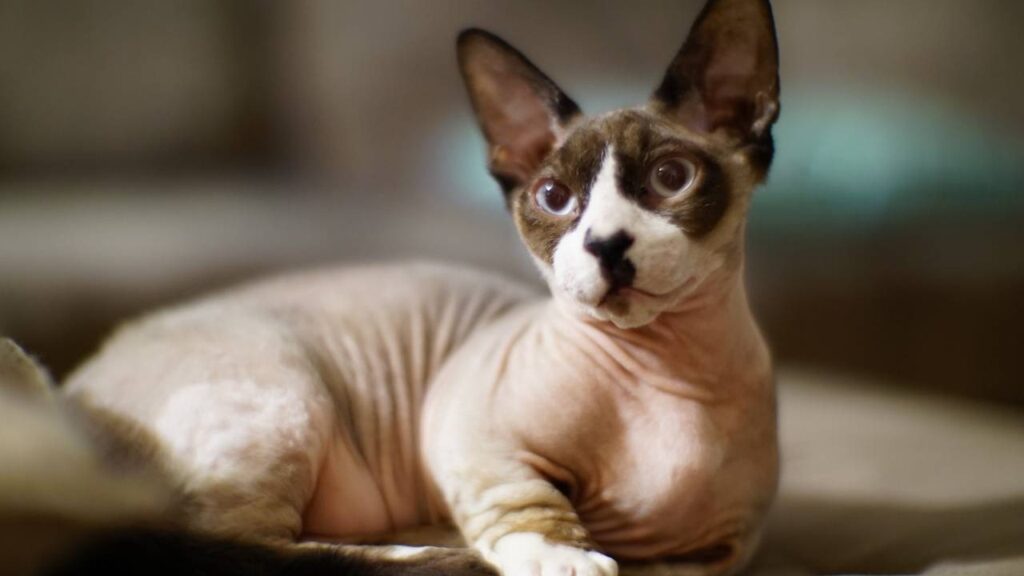
Personality in exotic cats is as varied as their looks. Some breeds are famously affectionate and social, while others show independent streaks. For instance, the Sphynx is known for being friendly and people-oriented, often following their owners around the house.
Understanding these traits can guide you in building a strong bond with your cat. Do you want a companion who curls up on your lap or one who enjoys solitary exploration? Matching your personality with your cat’s can lead to a happier, more fulfilling relationship.
Credit: worldanimalfoundation.org
Care Tips For Exotic Cats
Exotic cats need special care to stay healthy and happy. Their unique traits require attention to diet, grooming, and health. Proper care helps these cats thrive in any home.
Dietary Needs
Exotic cats need a balanced diet rich in protein. High-quality cat food supports their energy and muscle health. Fresh water must be available at all times. Avoid feeding them human food, which can cause health issues.
- Choose food with real meat as the main ingredient.
- Include wet food to keep them hydrated.
- Limit treats to maintain a healthy weight.
Grooming Requirements
Regular grooming keeps exotic cats comfortable and clean. Some breeds have short fur, needing less brushing. Others have thick coats that require daily attention.
- Brush fur gently to remove loose hair.
- Check ears and eyes for any signs of infection.
- Trim nails carefully to prevent scratching.
Health Considerations
Routine vet visits catch problems early. Exotic cats may have breed-specific health risks. Vaccinations and parasite prevention are essential parts of care.
- Schedule annual health check-ups.
- Watch for changes in behavior or appetite.
- Keep their living space clean to prevent illness.
Legal And Ethical Aspects
Owning an exotic cat breed comes with more than just excitement and admiration. It involves navigating legal boundaries and ethical responsibilities that protect both you and the animals. Understanding these factors ensures your experience is safe, respectful, and sustainable.
Ownership Regulations
Many countries and states have strict laws regulating exotic cat ownership. These rules vary widely—from requiring special permits to outright bans on certain species.
You must check local laws before deciding to bring an exotic cat home. Some places demand secure enclosures and regular inspections to ensure safety.
Ignoring these regulations can lead to hefty fines, confiscation of the animal, or even criminal charges. Have you verified the legal status of your desired breed in your area?
Conservation Concerns
Exotic cats often come from vulnerable wild populations. Keeping them as pets may impact conservation efforts if breeding and trade are not carefully controlled.
Ethical ownership means supporting breeders who prioritize animal welfare and avoid wild capture. It also means considering how your choice affects species survival.
Think about whether your exotic pet contributes to preserving its species or unintentionally harms it. Can you commit to responsible care that respects these conservation issues?
Credit: worldanimalfoundation.org
Finding And Adopting Exotic Cats
Finding and adopting exotic cats requires careful thought and planning. These unique breeds need special care and attention. Not every home suits their needs. Proper research helps ensure a good match between pet and owner.
Exotic cats often come with specific health and temperament traits. Understanding these traits helps create a happy environment for the cat. Patience and commitment are key to a successful adoption.
Trusted Breeders
Choose breeders with strong reputations and ethical practices. Trusted breeders provide health guarantees and proper care for their cats. They offer clear information about the cat’s background and needs.
Visit the breeder’s facility if possible. Look for clean, safe, and well-maintained spaces. Ask about the cat’s socialization and medical history. Reliable breeders support adopters with advice and aftercare.
Adoption Challenges
Exotic cats often have higher costs and special dietary needs. They may require more veterinary visits than common breeds. Some breeds show shy or aggressive behavior without proper socialization.
Finding an exotic cat in shelters is rare. Many come from private breeders or rescue groups specializing in exotic breeds. Patience is necessary as the adoption process may take longer.
Prepare for possible legal restrictions or permits in some areas. Know your local laws about exotic animal ownership. Plan your home and lifestyle to meet the cat’s unique needs.
Frequently Asked Questions
What Are The Most Popular Exotic Cat Breeds?
Popular exotic cat breeds include Bengal, Savannah, Sphynx, and Scottish Fold. These cats have unique looks and personalities. They attract owners seeking rare and striking pets with distinct traits. Each breed offers different care needs and temperaments, making them ideal for diverse lifestyles.
How Do Exotic Cats Differ From Domestic Cats?
Exotic cats often have wild ancestry or unique physical traits. They tend to be more active, curious, and require specialized care. Their appearances can be unusual, like spotted coats or hairless bodies. These differences make exotic cats stand out from typical domestic breeds.
Are Exotic Cats Suitable For Families With Children?
Many exotic cats adapt well to families, but temperament varies by breed. Some cats are playful and affectionate, while others prefer quiet environments. It’s important to research each breed’s personality and needs to ensure a good match with children’s activity levels.
What Special Care Do Exotic Cats Require?
Exotic cats may need special diets, grooming, and veterinary care. Some breeds require regular bathing or extra attention to skin health. Enrichment and exercise are vital to prevent boredom. Understanding each breed’s unique needs ensures a healthy and happy pet.
Conclusion
Exotic cat breeds bring unique charm to any home. Their looks and personalities stand out from common cats. These breeds need special care and attention. Knowing their needs helps keep them happy and healthy. Choosing an exotic cat means welcoming a special friend.
Each breed offers something different and exciting. Enjoy the beauty and joy these cats provide every day. Consider your lifestyle before bringing one home. Exotic cats can be wonderful companions for the right owner. Their rare traits make them truly unforgettable pets.
