

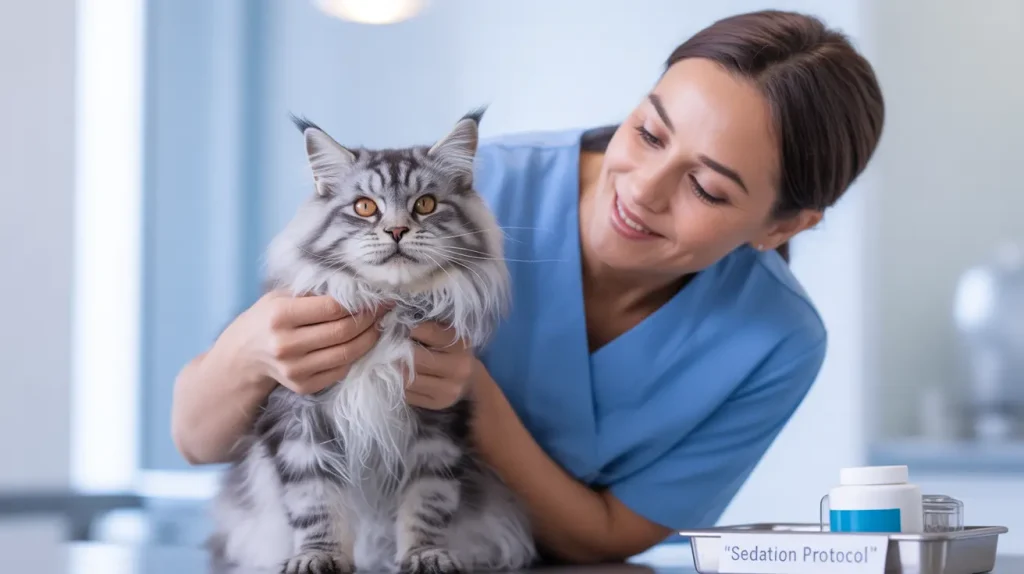
Grooming your cat can be a challenge, especially if your furry friend is anxious or uncooperative. You want to keep your cat calm and safe, but how do you do that without causing stress or harm?
Knowing how to sedate a cat for grooming can make the process easier for both you and your pet. You’ll discover simple, effective ways to help your cat stay relaxed during grooming. Keep reading to learn practical tips that will make grooming a smoother and safer experience for your beloved companion.
Reasons For Cat Sedation
Sedating a cat for grooming isn’t always a simple choice; it often comes down to specific reasons that affect both the cat’s well-being and the safety of everyone involved. Understanding why sedation might be necessary helps you make informed decisions and ensures the experience is as stress-free as possible. Let’s look at the main reasons behind choosing sedation for your cat’s grooming sessions.
Behavioral Challenges
Some cats become extremely anxious or aggressive during grooming. This behavior can make it impossible to groom them safely without sedation.
Have you ever tried to trim a cat’s nails only to be met with claws and hisses? Sedation can calm these reactions, allowing grooming to happen without trauma.
It’s not just about convenience; it’s about preventing stress and injury to your cat and yourself.
Safety Concerns
Grooming involves sharp tools and close contact, which can be risky if a cat is struggling. Sedation minimizes sudden movements that might cause accidental cuts or scratches.
Veterinarians often recommend sedation to protect both the pet and the groomer. It’s a precaution that reduces risk during delicate procedures.
Think about how sedation can create a controlled environment, making grooming safer and less stressful for everyone.
Medical Necessities
Certain medical conditions require grooming that your cat might resist due to pain or discomfort. Sedation helps manage this by keeping your cat calm and still.
For example, cats with arthritis or skin infections may need sedation to avoid worsening their condition during grooming.
Sometimes sedation is part of a broader medical plan, ensuring your cat receives the care they need without added distress.
Types Of Sedatives
Choosing the right sedative for cat grooming is essential for safety and comfort. Sedatives help calm anxious or aggressive cats during grooming sessions. Various types of sedatives exist, ranging from common medications to natural alternatives. Understanding these options aids in making the best choice for your pet’s needs.
Common Medications
- Acepromazine:A tranquilizer that reduces anxiety and motion sickness.
- Diazepam (Valium):Used to relax muscles and reduce stress.
- Gabapentin:Helps with anxiety and nerve pain relief.
- Medetomidine:Provides sedation and pain relief during procedures.
These medications require careful dosing and monitoring. They act quickly and are effective for most cats during grooming.
Natural Alternatives
- Catnip:Can soothe or excite cats, depending on their reaction.
- Valerian Root:A herb that helps calm nervous cats.
- Chamomile:Known for mild sedative properties.
- CBD Oil:Used for relaxation and anxiety reduction.
Natural options are gentler but may not work for all cats. Consult a vet before use.
Prescription Guidelines
- Always consult a veterinarian before administering sedatives.
- Dosage depends on the cat’s weight, age, and health.
- Never use human medications without vet approval.
- Monitor the cat closely for any side effects.
- Follow all instructions for safe usage and storage.
Professional advice ensures the sedative is safe and effective for your cat.
Preparing Your Cat
Preparing your cat for sedation is a crucial part of ensuring a safe and smooth grooming session. This phase sets the tone for how your cat will respond to the sedation process and grooming itself. Taking the right steps before sedation can minimize stress for both you and your furry friend.
Pre-sedation Checkup
Before sedating your cat, a visit to the veterinarian is essential. Your vet will check your cat’s overall health, including heart, lungs, and kidney function. This helps identify any risks that sedation might pose.
Have you noticed any unusual behavior or symptoms like vomiting or lethargy? Mention these to your vet, as they may affect sedation choices. Getting a professional opinion ensures you use the safest sedative option.
Creating A Calm Environment
A calm setting reduces your cat’s anxiety before and during sedation. Choose a quiet room with minimal noise and distractions. Soft lighting and familiar objects like your cat’s bed or favorite toy can help.
Try playing soothing music or using pheromone sprays designed for cats. These small touches often make a big difference in calming your cat’s nerves. Remember, your own calm attitude will also reassure your pet.
Fasting And Hydration
Your vet will likely advise fasting before sedation to prevent nausea or vomiting. Usually, this means withholding food for 8-12 hours but allowing water until a few hours before the procedure. Always follow your vet’s specific instructions.
Hydration is key, but too much water right before sedation can cause issues. If your cat resists fasting, try removing food gradually rather than suddenly. Preparing your cat’s stomach properly reduces the chance of complications during sedation.
Administering Sedatives Safely
Administering sedatives safely is crucial when grooming a cat. Sedation helps reduce stress and keeps the cat calm during the process. Proper care ensures the cat’s health and comfort. Always follow veterinary advice before giving any sedative. Knowing the right dosage, delivery methods, and how to monitor effects can make the experience safer for both you and your cat.
Dosage Recommendations
Dosage depends on the cat’s weight, age, and health condition. Never guess the amount. Use only the dose prescribed by the vet. Overdosing can cause serious harm. Under-dosing might not calm the cat enough. Always measure the sedative with a proper tool. Keep a record of the dosage and timing for future reference.
Methods Of Delivery
Several ways exist to give sedatives to cats. Oral tablets or liquids are common and easy to use. Some sedatives come as injections, but these require a vet’s help. Avoid forcing pills down the cat’s throat. Use treats or mix liquids with food if possible. Ensure the cat swallows the full dose. Consult your vet if unsure about the best method.
Monitoring Effects
Watch the cat closely after giving sedatives. Signs of sedation include relaxed muscles and slower movements. Check breathing and heart rate regularly. Look for unusual symptoms like vomiting or severe lethargy. Keep the cat in a quiet, safe space. Have fresh water available but avoid feeding immediately. Contact the vet if the cat shows any worrying signs or does not calm down properly.
Grooming While Sedated
Grooming a cat while sedated requires gentle care and careful planning. Sedation helps calm fearful or aggressive cats during grooming. It reduces stress for both the cat and the groomer. This state allows for safer handling and thorough cleaning. Understanding how to work efficiently while your cat is sedated ensures the best results.
Handling Techniques
Hold your cat softly but firmly to avoid sudden moves. Support the head and body evenly. Avoid tight grips that may cause discomfort. Keep the cat’s limbs relaxed and steady. Use slow, calm motions to prevent startling your pet. Watch for any signs of distress or discomfort. Stop immediately if the cat shows unusual reactions. Use towels to wrap small cats for extra security.
Tools And Equipment
Choose grooming tools that work smoothly and quietly. Sharp scissors and clippers reduce grooming time and stress. Use brushes with soft bristles to avoid skin irritation. Have all tools ready before starting to avoid delays. Use a quiet, well-lit area to keep the environment calm. Keep wipes and cotton balls handy for cleaning sensitive areas. Prepare a soft towel or blanket for the cat to rest on after grooming.
Time Management
Plan the grooming session to be as short as possible. Sedation effects last for a limited time only. Work quickly but carefully to complete all grooming tasks. Focus on the most important areas first, like mats and nails. Avoid rushing, which can cause mistakes or injuries. Allow breaks if the cat seems uneasy or restless. Finish before the cat fully wakes to ensure safety and calmness.

Credit: services.petsmart.com
Post-sedation Care
Post-sedation care is crucial for a cat’s safe recovery after grooming. This phase ensures your pet wakes up smoothly and avoids any health issues. Gentle handling and close observation help prevent complications. Proper care supports your cat’s comfort and quick return to normal behavior.
Recovery Monitoring
Keep your cat in a quiet, warm place. Watch for normal breathing and alertness. Check if your cat responds to sounds and touch. Avoid loud noises and sudden movements. Stay close for at least an hour after sedation. Record any unusual behavior or long sleep.
Signs Of Complications
Look for trouble breathing or blue gums. Notice if your cat struggles to stand or walk. Watch for vomiting or excessive drooling. Pay attention to seizures or extreme lethargy. Contact a vet immediately if any signs appear. Early action can save your cat’s life.
Comfort And Hydration
Offer fresh water once your cat is fully awake. Provide a soft bed in a calm space. Keep your cat warm but not too hot. Avoid feeding until swallowing is safe. Gentle petting calms your cat and reduces stress. Hydration supports recovery and overall health.
When To Consult A Veterinarian
Knowing when to consult a veterinarian is crucial before sedating a cat for grooming. Sedation involves risks that only a professional can properly manage. Some cats have health issues that make sedation unsafe. A vet can assess your cat’s condition and suggest the best plan.
Professional advice ensures the safety and comfort of your pet. Avoid trying sedation without expert guidance. Understanding the limits of home care helps prevent emergencies and stress for your cat.
Risk Assessment
Veterinarians evaluate your cat’s health before sedation. They check for:
- Age and weight
- Existing medical conditions
- Allergies or reactions to medications
- Stress levels and behavior
This assessment reduces sedation risks. It helps choose the safest type and dose of sedative.
Professional Sedation Services
Veterinarians provide sedation using safe, tested drugs. They monitor your cat’s vital signs during the process. This care ensures quick response to any issues. Professionals also manage recovery and offer aftercare advice. They keep your cat calm and safe throughout grooming.
Emergency Situations
Some cases need immediate veterinary attention. Call a vet if your cat shows:
- Severe anxiety or aggression
- Breathing problems
- Unusual swelling or pain
- Loss of consciousness
Do not try to sedate your cat alone in emergencies. Quick vet care is lifesaving and prevents complications.

Credit: meowcove.com
Alternatives To Sedation
Sedating a cat for grooming isn’t the only way to ensure a calm and safe experience. Many cat owners find success with alternatives that reduce stress without the need for medication. These options focus on understanding your cat’s behavior and creating a comfortable environment.
Behavioral Training
Training your cat to tolerate grooming can make a huge difference. Start by gently introducing the grooming tools during calm moments at home. Let your cat sniff and explore brushes or nail clippers without pressure.
Reward small steps with treats and affection. Over time, your cat may associate grooming with positive experiences. Have you tried breaking grooming into short, frequent sessions? This can prevent overwhelm and build trust.
Professional Grooming Help
Sometimes, enlisting professional groomers is the safest choice. Groomers are trained to handle anxious or fidgety cats calmly and efficiently. They often have experience with cats who resist grooming at home.
Professional help can reduce the risk of injury to both you and your cat. Plus, groomers use specialized equipment designed for safety and comfort. Would you feel more confident leaving grooming to a professional after a tough home session?
Calming Products
Calming aids can ease your cat’s anxiety during grooming sessions. Products like pheromone sprays, calming collars, or herbal supplements are popular choices. They work by creating a soothing environment that helps your cat relax.
Before using any calming product, check with your vet for safety and proper use. Some cats respond better to certain products than others, so it may take some trial and error. Have you noticed any calming product that works well for your cat?
:strip_icc()/spruce-pets-cat-sedative-travel-9be74a8034364749a2cb205881b103ac.png)
Credit: www.thesprucepets.com
Frequently Asked Questions
How Can I Safely Sedate My Cat For Grooming?
Consult a veterinarian before sedating your cat. They prescribe safe, effective sedatives based on your cat’s health. Never use human medications. Follow dosage instructions strictly to avoid risks during grooming sessions.
What Are Common Sedatives Used For Cat Grooming?
Veterinarians often recommend sedatives like gabapentin or trazodone for grooming. These medications calm cats without heavy sedation. They help reduce anxiety and stress, making grooming safer and easier for both cats and owners.
When Should I Consider Sedating My Cat For Grooming?
Sedate your cat if it shows extreme fear or aggression during grooming. Sedation is ideal for long, stressful sessions or medical grooming needs. Always seek professional advice to ensure sedation is necessary and safe.
Can I Sedate My Cat At Home Without A Vet?
No, never sedate your cat without veterinary guidance. Improper sedation risks severe side effects or death. Always consult a vet for proper sedative choice and dosage before any grooming sedation.
Conclusion
Sedating a cat for grooming takes care and patience. Always talk to a vet before trying any sedation. Use safe methods to keep your cat calm and comfortable. Watch your cat closely during the whole process. Gentle handling helps reduce stress and fear.
Remember, your cat’s safety is the top priority. With proper care, grooming becomes easier for both of you. Stay calm, be patient, and show kindness. Your cat will thank you with trust and love.
