

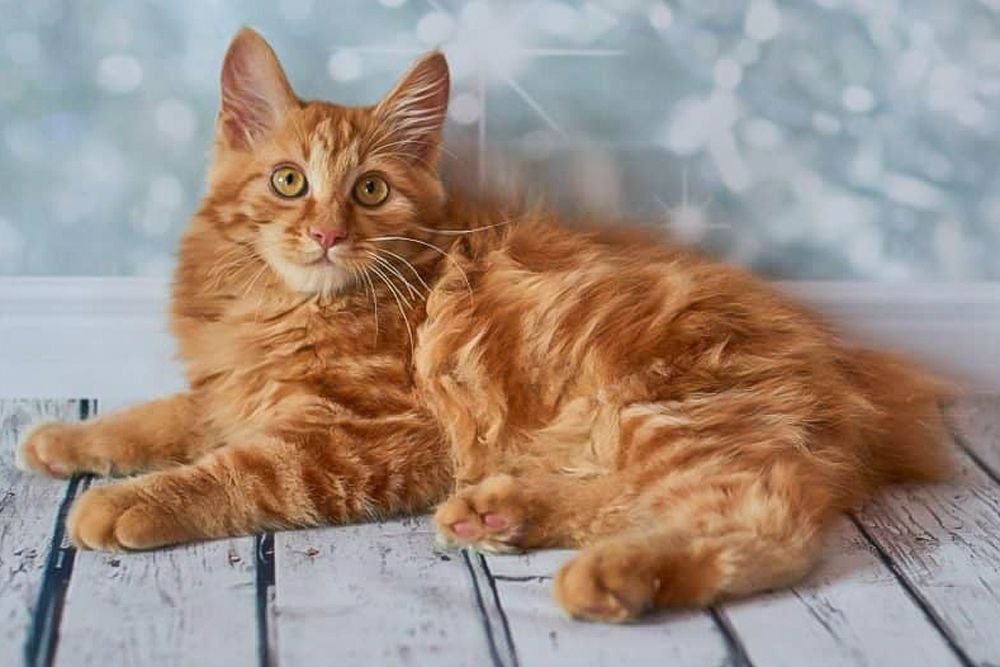
Are you curious about cats with unique, short tails that stand out from the rest? Cat bobtail breeds have a charm all their own, combining playful personalities with a distinctive look you won’t find anywhere else.
If you love cats and want to discover which breeds have these adorable bobbed tails, you’re in the right place. Keep reading to learn about the most popular bobtail cats and what makes each one special—so you can find the perfect feline friend that matches your style and heart.

Credit: www.wikiwand.com
Origins Of Bobtail Cats
Bobtail cats are unique with their short, stubby tails. Their distinct look makes them popular among cat lovers. The origins of these cats trace back centuries. Their short tails are not a result of injury but genetics. Understanding where bobtail cats come from reveals their fascinating history and traits.
Genetic Traits Behind The Bobtail
The bobtail trait comes from a genetic mutation. This mutation affects the tail’s bone structure. It causes the tail to be shorter than normal. The gene is dominant, so cats often inherit it easily. Different bobtail breeds share this gene but vary in appearance. This mutation does not harm the cat’s health. It simply changes the tail’s length and shape.
Historical Background
Bobtail cats have been known for hundreds of years. Ancient Japanese and Chinese cultures admired these cats. They believed bobtail cats brought good luck. The Japanese Bobtail is one of the oldest bobtail breeds. In the West, bobtail cats appeared in the 20th century. Breeders worked to preserve their unique tail and traits. These cats often appear in folklore and art across cultures.

Credit: www.aol.com
Popular Bobtail Breeds
Bobtail cats are known for their distinctive short tails and charming personalities. These breeds have captured the hearts of cat lovers worldwide, offering unique looks and behaviors that set them apart. If you’re curious about which bobtail breeds might fit into your home, here’s a closer look at some popular ones.
Japanese Bobtail
The Japanese Bobtail is famous for its “pom-pom” tail that looks like a fluffy bunny tail. It’s a symbol of good luck in Japan, often seen in traditional art and culture. These cats are lively and social, making them great companions if you enjoy an active and playful pet.
One interesting fact: Japanese Bobtails often have one or two different colored eyes, adding to their striking appearance. Have you noticed how their vocal nature makes them feel almost like a little storyteller in your home?
American Bobtail
American Bobtails are sturdy cats with a wild look, thanks to their short, stubby tails and muscular build. Despite their rugged appearance, they are affectionate and intelligent, quickly bonding with their owners. Their adaptability means they usually get along well with children and other pets.
Think about how their curious nature could bring a new spark to your household. They love interactive play, so consider toys that challenge their minds.
Kurilian Bobtail
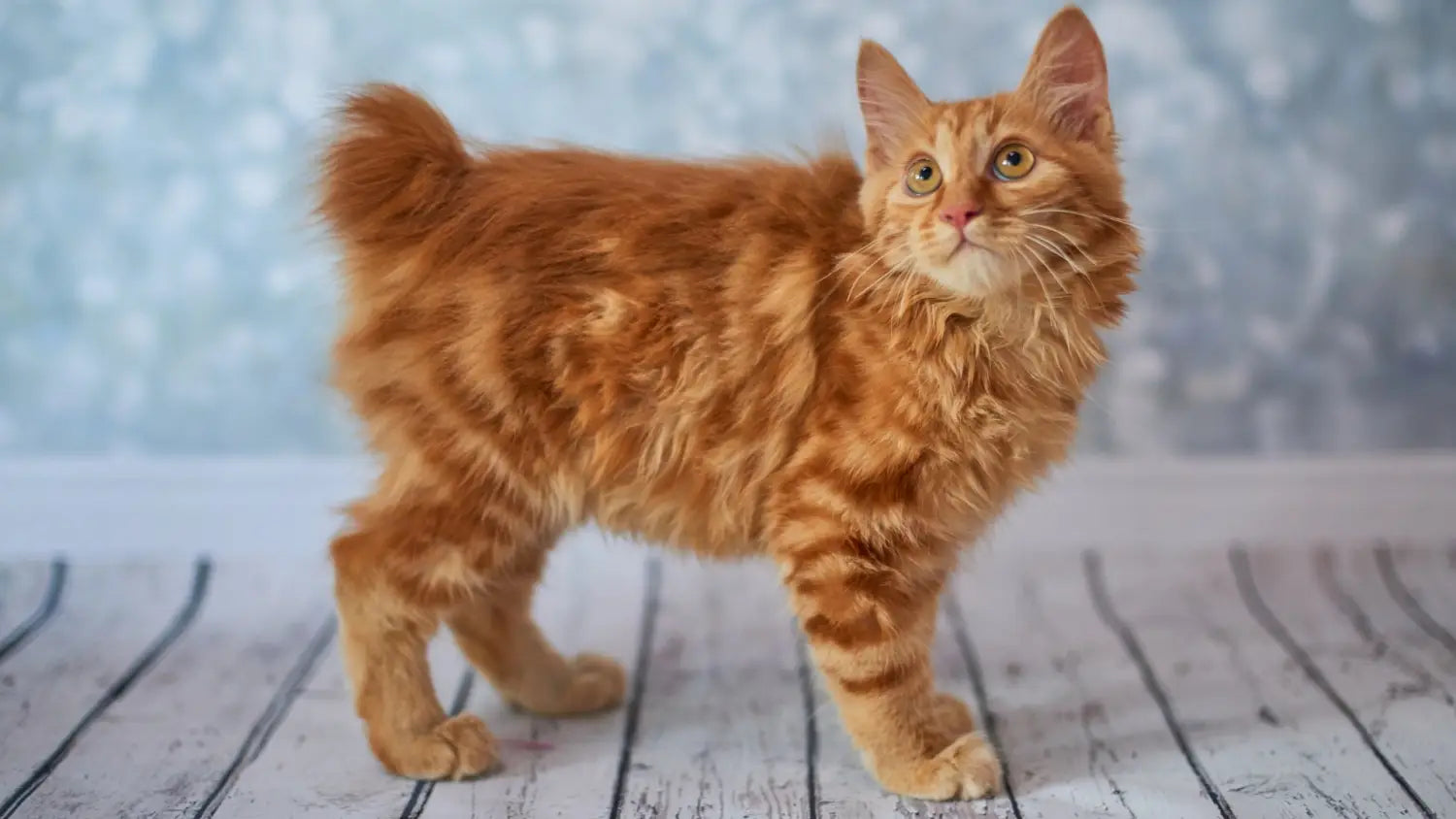
Originating from the Kuril Islands, the Kurilian Bobtail has a distinctive pom-pom tail similar to the Japanese Bobtail but is generally larger and more robust. These cats are excellent hunters and very agile, traits inherited from their wild ancestors. Their affectionate side surprises many first-time owners, as they often enjoy cuddling and being close to family.
Imagine a cat that’s both a natural athlete and a loving friend—could this breed fit your lifestyle?
Manx Cat
The Manx Cat is unique for having no tail or just a small stub, which results from a natural genetic mutation. They are known for their strong hind legs, which give them a rabbit-like hop. Manx cats tend to be loyal and protective, often following their owners from room to room.
Consider how their playful yet protective nature might change your daily routine. Would you like a cat that behaves almost like a faithful dog?
Physical Characteristics
The physical characteristics of cat bobtail breeds set them apart from other felines. Their unique features often become the first thing you notice and can tell you a lot about their personality and behavior. Understanding these traits helps you appreciate the breed’s distinct charm and decide if it fits your lifestyle.
Tail Variations
Bobtail cats are famous for their short, stubby tails, but did you know there’s quite a bit of variety even within this feature? Some have tails just a few inches long, while others may have a tail that curls or bends in unusual ways.
Take the Japanese Bobtail as an example—it often has a pom-pom-like tail that’s quite expressive. This tail variety isn’t just cute; it also helps these cats communicate emotions differently than long-tailed breeds.
Coat Colors And Patterns
Bobtail breeds come in a wide range of coat colors and patterns, offering something for every cat lover’s taste. You might see solid colors, stripes, spots, or even a mix of these in one cat.
For instance, the Kurilian Bobtail often features tabby patterns, giving it a wild, natural look. Noticing these patterns can help you identify the breed and appreciate its heritage.
Size And Build
Bobtail cats typically have a sturdy, muscular build that gives them an agile and athletic appearance. They aren’t usually bulky, but their strong frame supports their active nature.
If you’ve ever watched a bobtail jump or sprint, you’ve probably noticed their powerful legs and balanced body. These physical traits make them excellent hunters and playful companions.
Personality And Temperament
Cat bobtail breeds have unique personalities that charm many cat lovers. Their temperament often blends friendliness with a lively spirit. These cats enjoy interaction but also appreciate their quiet moments. Understanding their social behavior and intelligence helps in creating a happy home.
Social Behavior
Bobtail cats are known for their friendly nature. They often form strong bonds with their family members. These cats enjoy being near people and other pets. They are not shy and usually greet visitors warmly. Their social nature makes them great companions.
Playfulness And Intelligence
Bobtail breeds are playful and curious by nature. They love exploring new toys and spaces. Their intelligence allows them to learn tricks and solve puzzles quickly. Playtime keeps them active and mentally sharp. These cats enjoy interactive games with their owners.
Suitability As Pets
Bobtail cats adapt well to various living spaces. They thrive in homes with children and other animals. Their gentle temperament suits families and singles alike. These cats require moderate grooming and regular play. They make loving pets for many households.
Care And Maintenance
Taking care of Cat Bobtail breeds requires attention to their unique physical traits and lively personalities. These cats are known for their distinctive short tails and muscular bodies, which means their care needs are a bit different from other breeds. You’ll want to focus on grooming, health, and diet to keep your bobtail happy and energetic.
Grooming Tips
Bobtails often have dense, plush fur that can be either short or semi-long. Regular brushing, about two to three times a week, helps prevent mats and reduces shedding around your home. If your cat loves being pampered, brushing can also strengthen your bond.
Check their tail area carefully since the short tail can sometimes hide skin issues or irritations. Use a soft brush or comb to avoid discomfort. Don’t forget to trim their nails every couple of weeks to keep them comfortable and avoid damage to furniture.
Health Considerations
Bobtail cats are generally healthy but can be prone to joint issues because of their unique tail structure. Monitor their movement and watch for any signs of stiffness or discomfort. Regular vet visits are important to catch any early signs of arthritis or spinal problems.
Dental care is another crucial aspect. You might want to brush their teeth regularly or provide dental treats to prevent gum disease. Can you spot any changes in your cat’s eating habits or energy levels? These could be early warnings of health concerns.
Diet And Nutrition
Feeding your bobtail a balanced diet helps maintain their muscular build and vibrant energy. High-quality protein sources like chicken, fish, or turkey are essential. Avoid fillers or too many carbohydrates, as bobtails thrive on nutrient-rich food.
Consider adding wet food to their diet for hydration, especially if your cat isn’t a big water drinker. You might notice your bobtail prefers certain flavors or textures—use this to make mealtime enjoyable while meeting nutritional needs.
Credit: purebredkitties.com
Choosing The Right Bobtail
Choosing the right bobtail cat breed means understanding your needs and the cat’s personality. Bobtail cats are playful, affectionate, and unique in appearance. Each breed has different traits and care needs. Finding the perfect match ensures a happy home for both you and your new pet.
Matching Lifestyle And Personality
Bobtail cats vary in energy levels and social needs. Some enjoy active play and attention. Others prefer quiet time and gentle interaction. Think about your daily routine and home environment. Choose a breed that fits your activity level and family size. A calm bobtail suits a peaceful home. An energetic one fits a lively family with children.
Finding Reputable Breeders
Reputable breeders provide healthy, well-socialized kittens. They share health records and breed history. Visit breeders to meet the cats and see the living conditions. Ask about vaccinations and genetic testing. Avoid breeders who rush sales or hide information. Responsible breeders care about the cats’ well-being and future homes.
Adoption Options
Adoption offers a chance to give a home to a bobtail cat in need. Shelters and rescues may have bobtail cats or mixes. Adoption saves lives and can be less expensive. Meet the cat first to see its temperament. Adoption counselors help find a cat that matches your lifestyle. Consider adoption as a kind and rewarding choice.
Frequently Asked Questions
What Defines A Cat Bobtail Breed?
Cat bobtail breeds have naturally short or kinked tails. This trait is genetic and appears in specific cat breeds. The tail length varies but is noticeably shorter than typical cat tails. It contributes to their unique appearance and charm.
Which Are The Most Popular Cat Bobtail Breeds?
Popular cat bobtail breeds include the Japanese Bobtail, American Bobtail, and Kurilian Bobtail. Each breed has distinct characteristics. They are loved for their playful nature and unique tail features. These breeds are also known for their friendly personalities.
Are Cat Bobtail Breeds Hypoallergenic?
Cat bobtail breeds are not typically hypoallergenic. Their short tails do not influence allergen production. Allergies depend more on dander and saliva proteins. People with allergies should consider this before choosing a bobtail breed.
How Do Cat Bobtail Breeds Behave?
Cat bobtail breeds are generally friendly, playful, and intelligent. They enjoy social interaction and adapt well to families. Their energetic nature makes them great companions. They often show curiosity and affection toward their owners.
Conclusion
Cat bobtail breeds bring charm and unique looks to any home. They are playful, loving, and easy to care for. These cats fit well with families and singles alike. Their short tails make them stand out in a crowd. Choosing a bobtail cat means welcoming a loyal friend.
Each breed offers something special and fun. Consider their personality and needs before deciding. Enjoy the joy and warmth these cats provide every day.
