

Have you ever noticed your cat start licking itself right after finishing a meal? It might seem like a simple habit, but there’s more to this behavior than meets the eye.
Understanding why your cat grooms after eating can reveal a lot about their health, comfort, and instincts. If you want to know what’s really behind this common feline routine—and how it affects your furry friend—keep reading. You might be surprised by what you discover!
Grooming As A Natural Habit
Cats groom themselves instinctively after eating. This behavior is a natural habit rooted deep in their biology. Grooming helps them stay clean and comfortable. It also plays a role in their health and survival.
Evolutionary Roots Of Grooming
Grooming comes from wild cat ancestors. Keeping clean helped them hide from predators. It also reduced parasites like fleas and ticks. Over time, this habit became part of their daily routine. Even domestic cats keep this instinct alive.
Self-cleaning Instincts
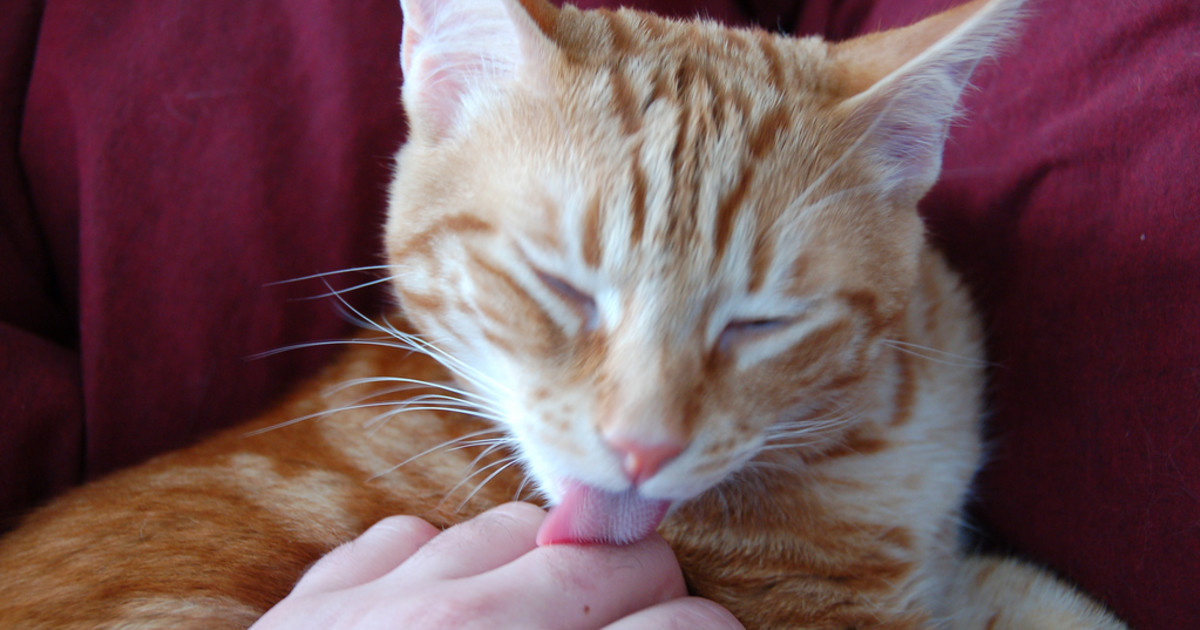
After eating, cats lick their fur to remove food particles. This prevents dirt build-up and keeps their coat smooth. Grooming also cools their body and soothes their mind. It is a calming ritual that helps cats feel safe and relaxed.
Credit: pethelpful.com
Cleaning Food Residue
Cats often groom themselves right after eating. This behavior helps clean food residue from their fur and whiskers. Food particles can stick around their mouth and face. Grooming removes these bits to keep their coat clean and neat.
Cleaning food residue is a natural habit. It prevents unpleasant smells and keeps the cat comfortable. Grooming also stops food from attracting dirt or insects. This act plays an important role in a cat’s daily hygiene routine.
Removing Smells And Particles
Food smells can linger on a cat’s fur after a meal. Cats use their tongues to lick away these odors. This stops other animals from noticing their presence. It also keeps the cat feeling fresh and clean.
Small food particles can get stuck in fur around the mouth and paws. Cats carefully groom these areas to remove the debris. This helps prevent irritation or infections. Keeping the fur free of food bits is essential for their health.
Maintaining Hygiene After Meals
Grooming after eating helps maintain overall hygiene. It stops bacteria growth caused by leftover food. Clean fur reduces the risk of skin problems. Regular grooming also strengthens the cat’s immune system.
This behavior supports a cat’s natural cleanliness. It also keeps their whiskers sensitive and healthy. Cats rely on clean fur and whiskers for sensing their environment. Grooming after meals plays a vital role in their well-being.
Cooling Down And Comfort
Cats often groom themselves after eating to feel cooler and more comfortable. This behavior helps them manage their body temperature and relax after a meal. Grooming is more than just cleaning; it plays a vital role in their comfort and well-being.
Thermoregulation Through Grooming
Grooming helps cats control their body temperature. When they lick their fur, saliva spreads across their coat. As the saliva evaporates, it cools their skin. This natural cooling effect is similar to sweating in humans. After eating, body heat rises, so grooming helps reduce that warmth. It keeps cats feeling fresh and prevents overheating.
Relaxation And Stress Relief
Grooming also calms cats after a meal. Eating can raise their energy and alertness. Grooming slows them down and promotes relaxation. It releases feel-good chemicals in their brain. This helps reduce stress and anxiety. Cats often purr during grooming, showing they feel safe and peaceful. This routine creates a sense of comfort after eating.
)
Credit: www.northroadvet.com.au
Marking Territory With Scent
Cats often groom themselves after eating to mark their territory with scent. This behavior helps cats communicate and protect their personal space. Grooming spreads their unique scent from glands on their body. This scent signals ownership and presence to other animals.
Scent Glands And Communication
Cats have special scent glands around their face, paws, and tail. When cats groom, they spread the scent from these glands over their fur. This scent serves as a message to other cats and animals. It tells others that the area or object belongs to them. This quiet communication helps avoid fights and confusion.
Reinforcing Personal Space
After eating, cats feel vulnerable. Grooming helps them feel safe by marking their space clearly. The scent left behind acts like a boundary marker. Other cats recognize this and usually respect the space. This behavior keeps the cat’s environment calm and secure.
Social Signals And Bonding
Cats use grooming as more than just a way to stay clean. After eating, grooming serves as a social signal. It helps cats bond with others and show their mood. This behavior strengthens relationships, especially in homes with multiple cats.
Grooming In Multi-cat Households
In homes with several cats, grooming plays a key social role. Cats often groom themselves after eating to signal calmness to others. Sometimes, they groom each other as a way to share trust. This mutual grooming helps reduce tension and build friendships.
Grooming also marks a safe space. It tells other cats that the area is peaceful and secure. This is important where cats live closely together. It helps maintain harmony and avoid fights.
Expressing Contentment And Security
When a cat grooms after a meal, it shows contentment. The cat feels safe and relaxed. Grooming sends a message: “I am happy here.”
This action also reassures other cats and humans nearby. It creates a calm atmosphere. Grooming signals the cat is not stressed or threatened. It helps deepen bonds by sharing peaceful moments.
Health Benefits Of Post-meal Grooming
Cats often groom themselves right after eating. This habit offers several health benefits. Grooming helps cats stay clean and supports their well-being. It also plays a role in their digestion and skin care.
Stimulating Digestion
Grooming activates nerves that aid digestion. When cats lick themselves, it helps calm their bodies. This calmness improves the digestion process. It allows food to move smoothly through their stomachs. Grooming also reduces stress, which can upset digestion.
Preventing Parasites And Skin Issues
Post-meal grooming removes food particles from fur. Clean fur lowers the risk of parasite infections. Fleas and ticks find it hard to settle on clean fur. Grooming also helps spot skin problems early. Cats can lick areas that itch or hurt, promoting healing.

Credit: www.reddit.com
Frequently Asked Questions
Why Do Cats Groom Themselves After Meals?
Cats groom after eating to clean food residue from their fur. This behavior also helps remove smells, preventing predators from detecting them. Grooming relaxes cats and aids digestion by stimulating saliva production. It is a natural instinct inherited from wild ancestors.
Does Grooming After Eating Improve A Cat’s Health?
Yes, grooming helps maintain a cat’s hygiene by removing dirt and bacteria. It also reduces the risk of skin infections and parasites. Regular grooming keeps their coat healthy and shiny. Additionally, it promotes comfort and reduces stress after a meal.
Is Post-meal Grooming A Sign Of Stress In Cats?
Usually, no. Grooming after eating is a normal, calming behavior. However, excessive grooming could indicate stress or anxiety. Watch for signs like bald spots or skin irritation. Consult a vet if grooming becomes obsessive or harmful.
How Long Do Cats Groom After Eating?
Cats typically groom for a few minutes after eating. The duration varies depending on the cat’s personality and environment. Some cats may groom briefly, while others take longer to clean thoroughly. This behavior usually ends once the cat feels comfortable and relaxed.
Conclusion
Cats groom after eating to clean their fur and remove food smells. This behavior also helps them relax and feel safe. Grooming keeps their coat healthy and free of dirt. It is a natural habit that shows they are content.
Watching a cat groom can be calming and shows their care for themselves. Understanding why cats groom helps pet owners appreciate this simple act. It’s just another way cats stay clean and comfortable every day.
