

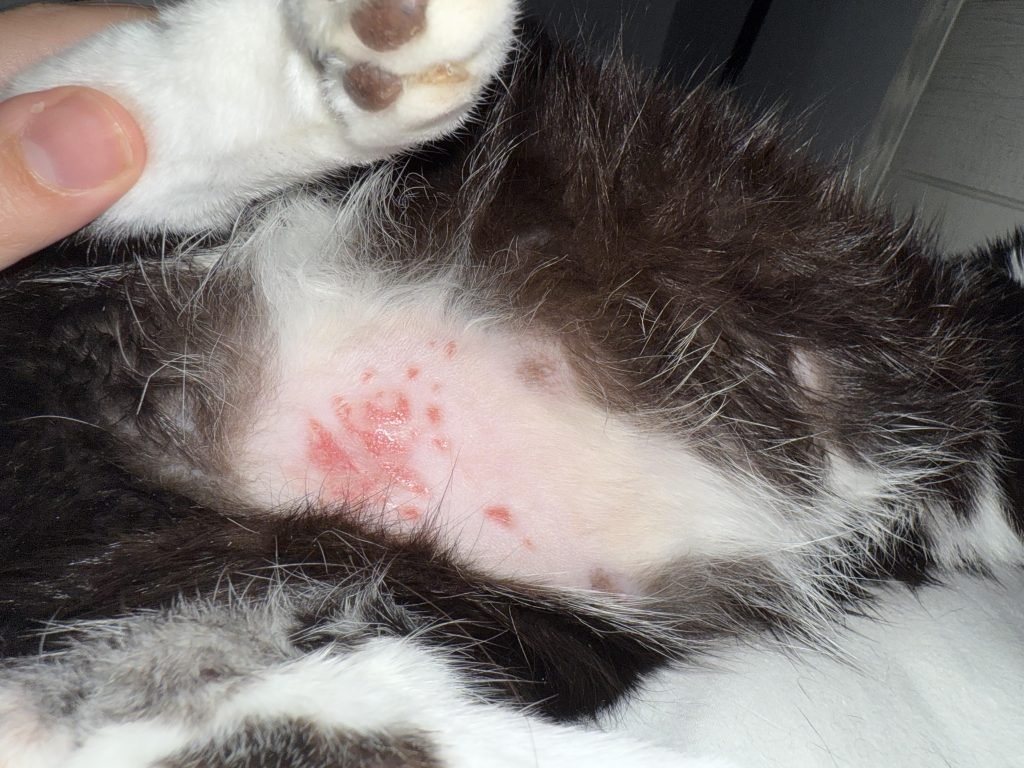
Have you noticed your cat licking its belly more than usual? If your furry friend is over grooming their belly, it might be more than just a quirky habit.
This behavior can signal discomfort, stress, or even health problems that need your attention. Understanding why your cat is over grooming their belly can help you protect their well-being and keep them happy. Keep reading to discover the common causes, warning signs, and simple steps you can take to help your cat feel better.

Credit: www.koreatimes.co.kr
Why Cats Over Groom Their Bellies
Cats often groom themselves to stay clean and comfortable. Over grooming the belly is a sign that something is wrong. This behavior can point to different causes. Understanding why cats over groom their bellies helps in caring for them better.
Behavioral Causes
Cats may lick their bellies too much out of habit. Sometimes they feel bored or lonely. Over grooming can become a repetitive action. It gives them a way to pass time or get attention.
Some cats develop a grooming routine that goes too far. This can lead to bald spots or skin damage on their belly.
Medical Issues
Skin problems often cause cats to lick their bellies excessively. Fleas, mites, or allergies can make their skin itchy. They try to soothe the discomfort by grooming more.
Other health issues like infections or wounds also lead to over grooming. Pain or irritation might be present. A vet check is important to find these problems early.
Stress And Anxiety Factors
Stress can make cats groom their bellies too much. Changes in their environment can upset them. Moving to a new home or new pets around may cause anxiety.
Over grooming can be a way for cats to calm themselves down. It acts like a comfort behavior. Reducing stress helps stop this behavior from getting worse.

Credit: www.reddit.com
Symptoms To Watch For
Spotting symptoms of cat over grooming on the belly is key to early care. Cats groom to clean, but too much grooming can signal issues. Watch your cat closely for signs that something is wrong.
Signs Of Excessive Grooming
- Frequent licking of the belly area
- Constant biting or chewing the same spot
- Hair thinning or bald patches on the belly
- Restlessness or inability to settle down
Skin Irritations And Damage
- Redness or inflammation on the skin
- Scabs or sores from biting or scratching
- Dry, flaky skin or crusty patches
- Open wounds that do not heal
Behavioral Changes
- Increased anxiety or nervousness
- Avoiding interaction or hiding more than usual
- Changes in eating or sleeping habits
- Restless pacing or repetitive movements
Common Medical Conditions Linked To Over Grooming
Over grooming in cats often signals underlying health problems. Cats may lick or chew their belly excessively due to discomfort or irritation. Understanding common medical conditions linked to over grooming helps identify the root cause early. Addressing these issues improves your cat’s well-being and prevents further skin damage.
Allergies And Skin Infections
Allergies frequently cause itching and redness on a cat’s belly. Cats with food allergies or environmental allergies scratch and groom more. Skin infections can develop from constant licking, worsening the problem. Bacterial or fungal infections increase irritation and discomfort. Treating allergies and infections reduces the need for over grooming.
Parasites And Fleas
Parasites like fleas trigger intense itching on a cat’s skin. Flea bites cause irritation, leading cats to groom their belly repeatedly. Even a few fleas cause serious discomfort and restlessness. Parasite infestations also spread bacteria, increasing the risk of skin infections. Using flea control products can stop over grooming caused by parasites.
Pain And Discomfort
Hidden pain under the belly can cause a cat to over groom. Injuries, arthritis, or internal issues may lead to focused licking. The cat tries to soothe the pain with grooming behavior. Sometimes the grooming worsens skin condition, creating a cycle of discomfort. Identifying and treating pain sources helps reduce excessive grooming.
Stress And Environmental Triggers
Stress and environmental triggers play a big role in why your cat might be over grooming its belly. These triggers can upset your cat’s routine or mood, leading to this unusual behavior. Understanding what causes stress can help you create a calmer space for your feline friend.
Changes In Household
Any sudden changes at home can unsettle your cat. Moving to a new house, new furniture, or even a change in your schedule can cause anxiety. Cats thrive on routine, so disruptions might make them over groom as a way to cope.
Have you noticed your cat licking its belly more after guests visit or after rearranging the living room? This might be a sign that your cat feels uneasy with the change.
Lack Of Stimulation
Boredom can be as stressful as loud noises or new people. Cats need mental and physical exercise to stay balanced. Without enough playtime or interaction, your cat might turn to over grooming to fill the gap.
Try adding interactive toys or scheduled play sessions. Your cat might stop obsessively licking its belly once it has a fun outlet for its energy.
Social Conflicts
If you have multiple pets, tension between them can cause stress. Cats may feel threatened or unsafe, leading to over grooming. Watch for signs like hiding, growling, or staring contests.
Ask yourself if your cat seems stressed around other animals. Creating separate spaces and providing quiet time can reduce conflicts and help your cat relax.
Effective Solutions And Treatments
Addressing cat over grooming of the belly requires targeted solutions that tackle the root causes and support your cat’s well-being. Effective treatments blend medical care, behavioral adjustments, and environmental changes. Understanding these options helps you choose the best path to soothe your cat and stop the cycle of excessive grooming.
Veterinary Care Options
Start by visiting your vet to rule out medical issues like allergies, parasites, or skin infections. These conditions often drive cats to lick their bellies excessively. Your vet may recommend medications such as antihistamines, antibiotics, or topical creams to relieve symptoms quickly.
In some cases, your cat might need diagnostic tests like skin scrapings or bloodwork. These help pinpoint hidden problems causing discomfort. Don’t hesitate to ask your vet about treatment duration and follow-up care, so you know what to expect.
Behavioral Therapies
Over grooming can stem from stress or anxiety. Behavioral therapies help your cat feel calmer and redirect grooming instincts in healthier ways. Techniques include positive reinforcement when your cat stops licking and providing chew toys or scratching posts as alternatives.
Try gentle massage or play sessions to reduce nervous energy. You might notice your cat responds well to consistent routines or calming pheromone diffusers. Have you observed what triggers your cat’s grooming? Identifying these moments can guide you in managing stress effectively.
Environmental Enrichment
Creating a stimulating environment can distract your cat from excessive grooming. Add interactive toys, climbing trees, and cozy hiding spots. These elements keep your cat mentally and physically engaged, reducing boredom-driven licking.
Consider rotating toys regularly to maintain interest. Sometimes, simply opening a window for fresh air or playing soft music makes a difference. What small changes can you introduce today to make your cat’s environment more inviting?
Preventing Belly Over Grooming
Preventing belly over grooming in cats requires a careful approach. It helps avoid skin damage and stress for your pet. Understanding the causes can keep your cat healthy and happy.
Regular Health Checks
Schedule vet visits to spot any skin problems early. Parasites, allergies, or infections often cause over grooming. Your vet can recommend treatments or medications. Early detection stops the problem from worsening.
Stress Reduction Techniques
Stress can lead to excessive grooming in cats. Create a calm environment with quiet spaces and hiding spots. Use pheromone diffusers to help your cat relax. Playtime and gentle petting reduce anxiety and boredom.
Balanced Diet And Exercise
Good nutrition supports healthy skin and fur. Feed high-quality cat food with essential vitamins and fatty acids. Regular exercise keeps your cat active and less stressed. A healthy lifestyle lowers the chance of over grooming.

Credit: www.reddit.com
Frequently Asked Questions
Why Is My Cat Over Grooming Its Belly?
Cats over groom their belly due to stress, allergies, or skin irritation. It could also signal pain or parasites. Identifying the cause helps in proper treatment and prevents further discomfort.
How Can I Stop My Cat From Over Grooming?
Provide a calm environment, address allergies, and consult a vet. Use recommended treatments like medicated shampoos or anti-anxiety aids. Regular check-ups ensure your cat stays healthy and comfortable.
What Health Issues Cause Belly Over Grooming In Cats?
Common causes include fleas, allergies, infections, or hormonal imbalances. Pain from arthritis or internal problems can also trigger excessive grooming. A vet diagnosis is essential for effective treatment.
Is Cat Over Grooming A Sign Of Anxiety?
Yes, anxiety often leads to over grooming as a coping mechanism. Environmental changes, lack of stimulation, or stress can cause this behavior. Reducing stress and providing enrichment can help.
Conclusion
Cats over grooming their belly can signal stress or health issues. Watch your cat closely for changes in behavior or skin condition. A calm environment and regular vet visits help prevent problems. Treating the cause quickly keeps your cat happy and healthy.
Understanding why your cat over grooms is key to care. Small changes at home make a big difference in their comfort. Always act early to avoid serious skin damage or infection. Your cat’s well-being depends on your attention and care.
