

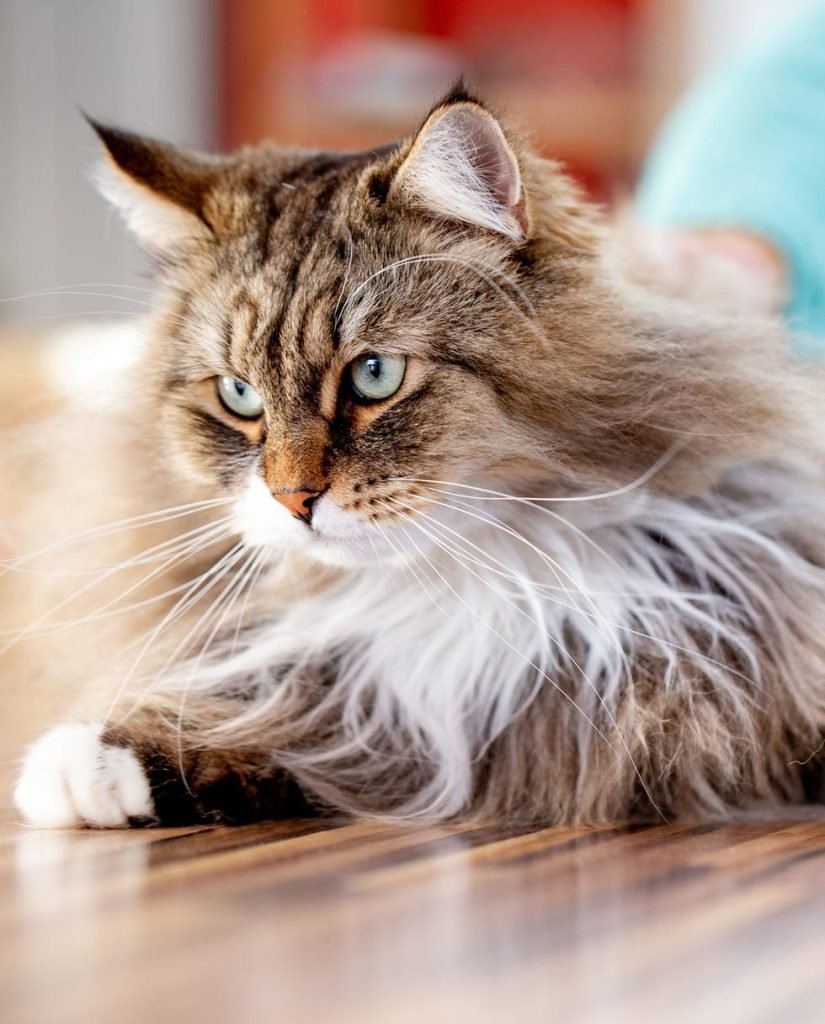
Are you tired of sneezing and itchy eyes every time you’re around cats? You’re not alone.
Many cat lovers struggle with allergies but still dream of having a furry friend. The good news is, some cat breeds are known to be hypoallergenic, meaning they produce fewer allergens and can be easier on your allergies. You’ll discover which cat breeds might be the perfect fit for you and your home.
Keep reading to find out how you can enjoy the warmth and companionship of a cat without the sneeze attacks.
Hypoallergenic Cats Explained
Understanding hypoallergenic cats can change the way you think about living with cats if allergies have held you back before. These special breeds produce fewer allergens, making it easier for sensitive individuals to enjoy their company. But what exactly makes a cat hypoallergenic, and can any cat truly be allergy-free? Let’s break it down.
What Makes Cats Hypoallergenic
Hypoallergenic cats produce fewer proteins that trigger allergic reactions in people. These proteins are often found in a cat’s saliva, skin cells, and urine.
When a cat grooms itself, the saliva dries on its fur and skin, releasing allergens into the air. Some breeds shed less or have different fur types, which reduces the spread of these allergens.
If you’ve ever noticed how some cats seem less likely to cause sneezing or itching, it’s often due to these factors. For example, the Siberian cat has a lower level of the Fel d 1 protein, which is the main allergen for most people.
Common Allergens In Cats
The primary allergen you’ll encounter with cats is called Fel d 1. It’s a small protein produced in the cat’s saliva and skin glands.
Fel d 1 sticks to fur and skin flakes, which then become airborne as dander. This airborne dander is what most people react to.
- Saliva:Cats spread allergens by licking themselves.
- Skin flakes (dander):Tiny, dead skin cells that carry allergens.
- Urine:Can also contain allergens, especially when dried.
Does knowing where allergens come from help you think differently about managing allergies? For example, regular grooming and cleaning can reduce allergen build-up, even if you don’t have a hypoallergenic breed.

Credit: shamelesspets.com
Top Hypoallergenic Cat Breeds
Finding a cat breed that won’t trigger your allergies can feel like searching for a needle in a haystack. Yet, some breeds produce fewer allergens, making them more suitable for sensitive households. Here’s a look at top hypoallergenic cat breeds that could fit into your life without constant sneezing or itching.
Siberian
The Siberian cat surprises many with its low allergen levels despite having a thick, long coat. Their saliva contains fewer Fel d 1 proteins, the main cause of cat allergies. If you want a fluffy companion without the usual allergy flare-ups, the Siberian might be your best bet.
Balinese
Often called the “long-haired Siamese,” the Balinese sheds less dander than other cats. Their fine coat and lower allergen production make them ideal for allergy sufferers. Are you ready to welcome a vocal and affectionate feline that won’t overwhelm your sinuses?
Bengal
Bengals have a unique, short, and pelt-like coat that doesn’t trap allergens easily. Their active and playful nature can bring joy without constant allergy issues. Could a Bengal’s energetic personality match your lifestyle while keeping allergies at bay?
Oriental Shorthair
This breed has a sleek, short coat that minimizes dander spread around your home. Oriental Shorthairs are social and intelligent, making them engaging companions. How important is it for you to have a pet that interacts deeply without causing allergy discomfort?
Devon Rex
With their curly, soft fur, Devon Rex cats shed very little and produce fewer allergens. Their affectionate and mischievous behavior makes them delightful to have around. Could the Devon Rex be the hypoallergenic friend you’ve been searching for?
Cornish Rex
The Cornish Rex sports a fine, wavy coat that doesn’t shed much, reducing allergen spread. These cats are playful and love attention, fitting well in active households. Want a cat that stays close without triggering your allergies?
Russian Blue
Russian Blues have a dense double coat that traps allergens close to the skin, limiting airborne particles. Their quiet and gentle temperament adds to their appeal. Would a calm and hypoallergenic cat like the Russian Blue suit your home environment?
Traits Of Hypoallergenic Cats
Hypoallergenic cats have unique traits that make them better for allergy sufferers. These traits influence how cats produce allergens and interact with people. Understanding these traits helps in choosing a cat that fits well with sensitive individuals.
Coat Types And Shedding
Hypoallergenic cats often have coats that shed less. Some have hair instead of fur, which reduces loose dander. Less shedding means fewer allergens spread around the home. Coat textures vary from short, curly to silk-like. Cats with minimal shedding keep allergen levels lower.
Allergen Production Levels
Not all cats produce the same allergen amount. Some breeds produce fewer Fel d 1 proteins, the main cat allergen. Lower allergen levels reduce allergic reactions for many people. Genetics play a big role in allergen production. Choosing a cat with naturally low allergen levels helps manage symptoms.
Behavior And Grooming Habits
Behavior affects allergen spread. Cats that groom often spread saliva allergens more. Some hypoallergenic breeds groom less or produce less allergen in their saliva. Regular self-cleaning can increase allergen presence on fur. Grooming habits influence how much allergen reaches the environment.

Credit: www.thepioneerwoman.com
Choosing The Right Hypoallergenic Cat
Choosing the right hypoallergenic cat is key for a happy home. Not all hypoallergenic cats suit every lifestyle. Some breeds need more attention and care. Others are more independent and low maintenance. Understanding your daily routine helps pick the best fit. Your living space size matters too. Some cats thrive in apartments, others need more room.
Allergy severity varies among people. Knowing how your body reacts helps avoid discomfort. Spend time with different breeds to see which cause fewer symptoms. This step is crucial before making a decision. Meeting the cat before adoption builds a bond and reveals personality. It also helps check for any unexpected allergic reactions.
Lifestyle Considerations
Consider your work hours and activity level. Some hypoallergenic cats like Sphynx or Russian Blue enjoy playtime. Others, like the Balinese, may prefer quiet moments. Think about grooming needs. Some cats require regular brushing to reduce allergens. Others shed less naturally. Choose a breed that fits your care routine.
Living space plays a role too. Small apartments suit smaller, calm breeds. Larger homes can accommodate more active cats. Family members’ allergies should be evaluated. Select a cat that causes the least reaction for everyone.
Allergy Testing Tips
Test your allergy sensitivity before deciding. Visit shelters or breeders and spend time with cats. Notice any sneezing, itching, or breathing issues. Use allergy medication if needed to compare reactions. Try different breeds known for hypoallergenic traits. Keep sessions brief at first and extend if no symptoms appear.
Keep a diary of symptoms and their intensity. This helps identify which cats are safer choices. Consult with an allergist for professional advice. They may offer skin or blood tests to measure allergy levels.
Meeting The Cat Before Adoption
Meeting a cat helps understand its personality and energy. Spend quiet time petting and playing with the cat. Watch how it reacts to your presence. Notice if it triggers allergy symptoms immediately. Ask the shelter or breeder about the cat’s health and history.
Observe the cat’s grooming habits and cleanliness. A well-groomed cat often means fewer allergens. Take your time and don’t rush the decision. A good match means comfort for both you and the cat.
Caring For Hypoallergenic Cats
Caring for hypoallergenic cats requires special attention to keep allergies low. These cats shed less and produce fewer allergens, but proper care is still essential. Routine grooming, a clean home, and allergy management help maintain a healthy environment for both cats and owners.
Grooming Techniques
Regular grooming reduces loose hair and dander. Brush your cat gently using a soft brush to remove dead fur. Bathing your cat occasionally helps wash away allergens. Use mild, cat-safe shampoos to avoid skin irritation. Clean your cat’s ears and eyes regularly to prevent buildup. Trim nails carefully to avoid scratches that can worsen allergies.
Home Cleaning Tips
Keep your home clean to limit allergens. Vacuum floors and furniture often with a HEPA filter vacuum. Wash cat bedding and blankets weekly in hot water. Use air purifiers with HEPA filters to capture airborne allergens. Avoid carpets and heavy drapes that trap dander. Clean hard surfaces regularly with mild detergents to remove allergens.
Managing Allergies Effectively
Allergy symptoms vary from person to person. Use over-the-counter antihistamines to ease mild symptoms. Consult a doctor for severe reactions or long-term allergy control. Create cat-free zones in your home, especially in bedrooms. Wash hands after petting your cat to reduce allergen spread. Keep your cat’s diet healthy to reduce shedding and dander.

Credit: www.thepioneerwoman.com
Frequently Asked Questions
What Makes A Cat Breed Hypoallergenic?
Hypoallergenic cats produce fewer allergens, especially the Fel d 1 protein. Their coat type reduces dander spread, minimizing allergic reactions.
Which Cat Breeds Are Best For Allergy Sufferers?
Breeds like Siberian, Balinese, and Sphynx are known for lower allergen levels. These cats typically cause fewer allergy symptoms in sensitive individuals.
Can Hypoallergenic Cats Completely Prevent Allergies?
No cat is 100% hypoallergenic. However, hypoallergenic breeds significantly reduce allergen exposure and help manage allergy symptoms better.
How Do Hypoallergenic Cats Differ In Grooming Needs?
Many hypoallergenic cats require regular grooming to control dander and allergens. Some breeds need frequent baths or brushing to maintain low allergen levels.
Conclusion
Choosing a hypoallergenic cat breed can ease allergy issues at home. These cats shed less and produce fewer allergens. They still offer love, playfulness, and companionship. Remember, each cat has a unique personality and needs. Spend time with a cat before adopting to see if it suits you.
Enjoy the joy and comfort a hypoallergenic cat can bring. Your perfect feline friend could be just a visit away.
