

Have you ever wondered if your cat really needs grooming? You might think cats clean themselves well enough, but there’s more to it than just a quick lick.
Grooming your cat can make a big difference in their health and happiness. If you want your furry friend to look great and feel comfortable, understanding how and why to groom them is key. Keep reading, and you’ll discover simple tips that can transform your cat’s care routine for the better.
Cat Grooming Basics
Understanding the basics of cat grooming is essential for every cat owner. Grooming isn’t just about keeping your cat looking good; it directly impacts their health and happiness. Knowing how to care for your cat’s coat and skin can prevent many common issues and strengthen your bond.
Why Grooming Matters
Grooming helps remove dirt, loose fur, and prevents matting. It also reduces hairballs, which can be uncomfortable or even harmful to your cat. Regular grooming sessions let you check for signs of parasites, skin problems, or unusual lumps early on.
Have you ever noticed how your cat’s fur looks dull or feels greasy? That’s often a sign they need a grooming boost. Plus, grooming time is a chance to build trust and calm your cat, making vet visits less stressful.
Types Of Cat Coats
Cats come with different coat types, and each needs special care. Short-haired cats usually need less brushing but still benefit from regular grooming to remove dead hair.
Long-haired cats require more frequent grooming to prevent tangles and mats. Some cats have double coats, which shed heavily in certain seasons, demanding extra attention.
Knowing your cat’s coat type helps you choose the right grooming routine and tools, saving you frustration and keeping your cat comfortable.
Essential Grooming Tools
Having the right tools makes grooming easier and more effective. Here are some basics you should have:
- Brushes:A slicker brush for long hair and a bristle brush for short hair work well.
- Combs:A fine-toothed comb helps detangle knots and check for fleas.
- Nail clippers:Keeping nails trimmed prevents scratches and damage to furniture.
- Ear cleaner:Use this occasionally to keep ears free from wax and debris.
It’s a good idea to introduce these tools slowly and gently, so your cat doesn’t get scared. Have you tried grooming with your cat sitting on your lap? It can turn grooming into a relaxing bonding moment.
How Cats Groom Themselves
Cats are natural groomers. They spend a lot of time cleaning themselves. This behavior helps them stay clean and healthy. Their grooming is more than just keeping their fur neat. It supports their overall well-being.
Natural Grooming Habits
Cats use their tongues to clean their fur. Their tongues have tiny, hook-like structures that remove dirt and loose hair. They lick their paws and use them to clean hard-to-reach areas. Cats also bite or nibble on their fur to remove mats or tangles. Grooming is a daily routine that cats rarely skip.
Benefits Of Self-grooming
Self-grooming helps cats remove dirt and parasites. It spreads natural oils across their fur, keeping it soft and shiny. Grooming cools cats by removing excess heat through saliva evaporation. It also calms them and reduces stress. Cats use grooming to mark their scent and feel safe.
When Self-grooming Falls Short
Sometimes cats cannot groom properly. Older cats or those with health issues may struggle. Overweight cats find it hard to reach certain spots. If fur becomes matted, self-grooming may not be enough. Owners should help with regular brushing and care in these cases.
Tips For Grooming Your Cat
Grooming your cat keeps their coat healthy and shiny. It helps reduce shedding and prevents hairballs. Regular grooming also builds trust between you and your cat. Use gentle techniques and stay calm to make grooming a positive experience.
Brushing Techniques
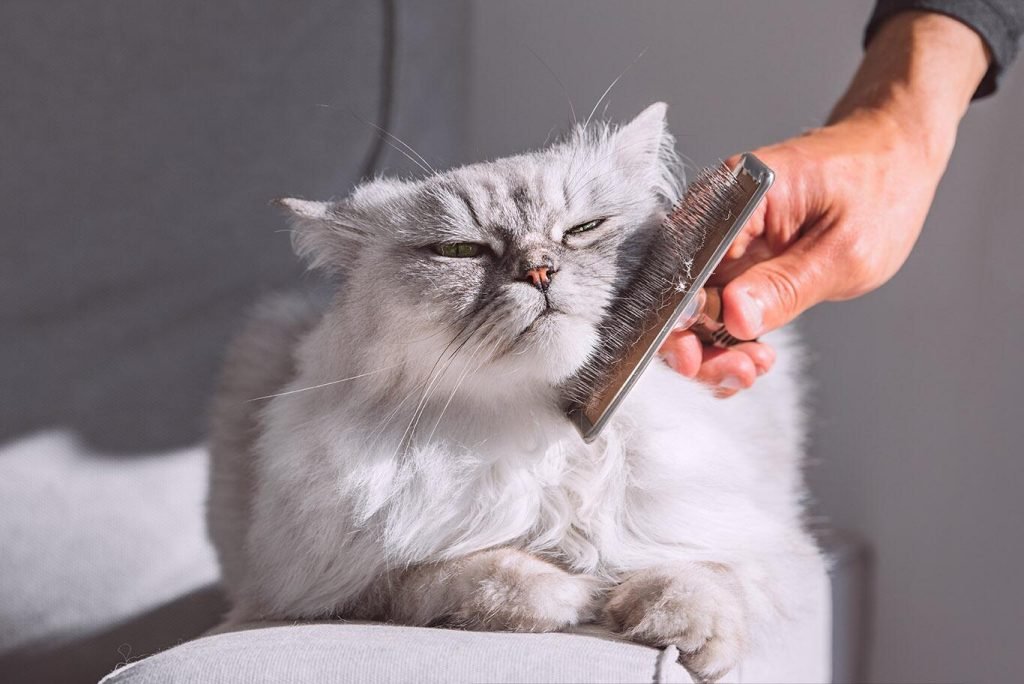
Choose a brush suitable for your cat’s fur type. Soft brushes work well for short hair, while slicker brushes help with long fur. Brush in the direction of hair growth to avoid hurting your cat. Use slow, gentle strokes to remove loose hair and dirt. Focus on areas prone to mats, like under the legs and behind the ears. Regular brushing reduces tangles and keeps the coat smooth.
Bathing Your Cat Safely
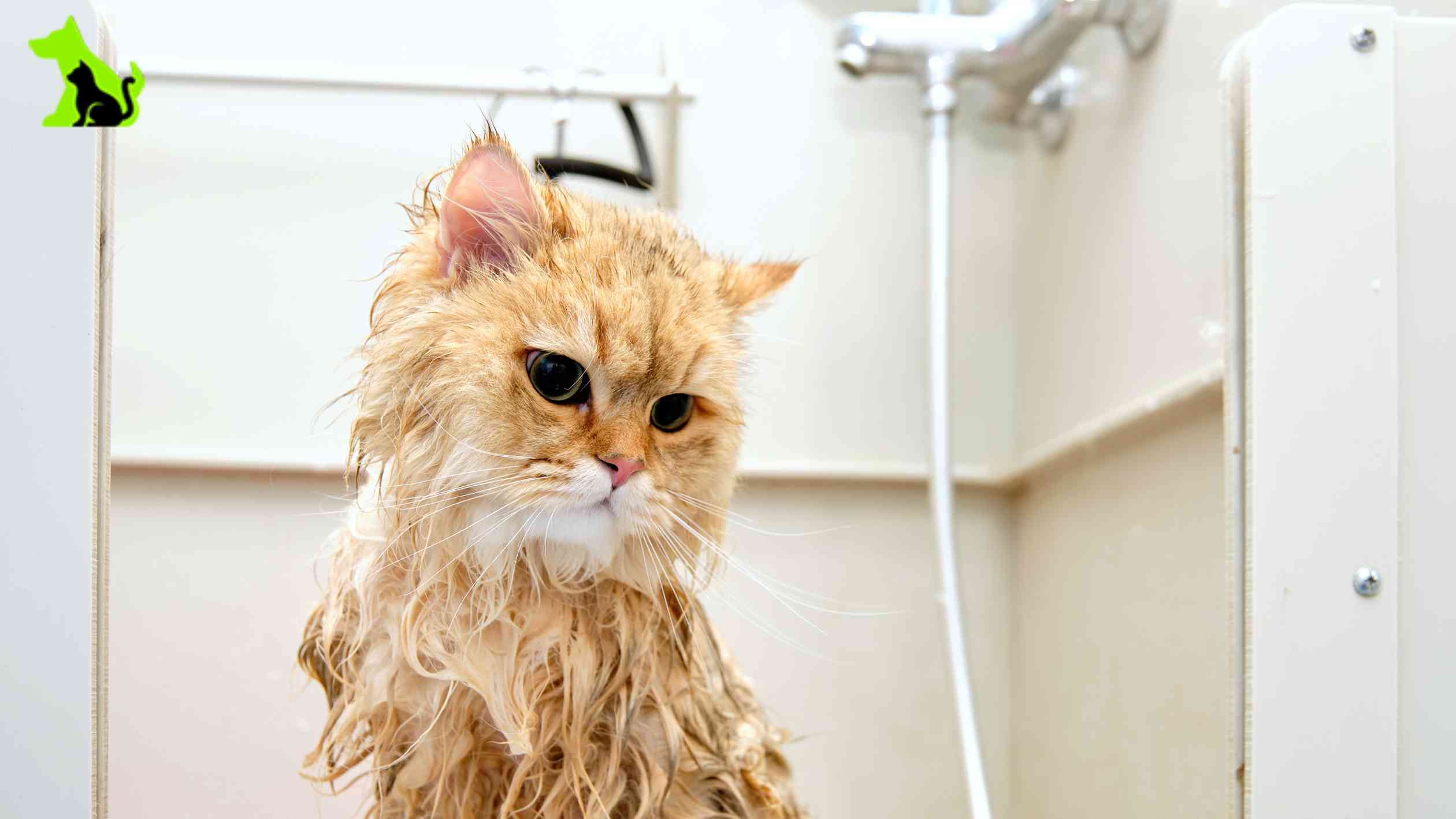
Most cats groom themselves and rarely need baths. Use water only if your cat is very dirty or has a skin problem. Use a mild cat shampoo, never human shampoo. Fill the tub with a few inches of lukewarm water. Keep a calm voice and handle your cat gently. Rinse well to remove all shampoo and dry your cat with a towel quickly to avoid chills.
Handling Nail Care
Trim your cat’s nails every few weeks to prevent scratching. Use a sharp, small pet nail clipper. Hold your cat’s paw firmly but gently. Cut only the sharp tip, avoiding the pink quick inside the nail. If unsure, trim a little at a time. Reward your cat with treats to make nail care less stressful. Regular nail trimming keeps your cat comfortable and your furniture safe.

Credit: www.latimes.com
Common Grooming Challenges
Grooming cats can be tricky and often presents several challenges. Cats have unique needs and behaviors that can make grooming a test of patience. Understanding common grooming difficulties helps owners keep their pets comfortable and healthy.
Dealing With Matted Fur
Matted fur forms when a cat’s hair tangles tightly. It can cause pain and skin problems. Regular brushing prevents mats, especially in long-haired breeds. Use a wide-toothed comb to gently loosen knots. Cutting mats is risky; a professional groomer can safely remove severe tangles.
Managing Shedding
Shedding is natural but can be excessive at times. Frequent brushing reduces loose hair around the home. A rubber brush or grooming glove works well for most cats. Feeding a balanced diet supports healthy skin and fur. Vacuuming often helps control hair buildup on furniture.
Handling Nervous Cats
Many cats feel anxious during grooming sessions. Creating a calm environment helps ease their stress. Speak softly and use slow movements. Short sessions with breaks keep cats more relaxed. Reward good behavior with treats or gentle petting. Patience and consistency build trust over time.
Health Benefits Of Grooming
Grooming your cat isn’t just about keeping them looking neat. It plays a crucial role in maintaining their health and comfort. Regular grooming can help prevent problems before they become serious, making it an essential part of your cat’s care routine.
Preventing Skin Issues
Brushing your cat helps remove dirt, dead skin, and loose fur that can irritate the skin. This simple habit reduces the chance of painful mats and hot spots that often lead to infections. Have you noticed your cat scratching more than usual? Grooming might help ease their discomfort.
Reducing Hairballs
Hairballs are a common annoyance for many cat owners. When you groom your cat regularly, you remove loose hair before they ingest it while licking themselves. This can significantly cut down on hairball formation and the coughing or vomiting that often follows.
Spotting Health Problems Early
Grooming gives you a chance to check your cat’s body closely. You might find unusual lumps, bumps, or skin changes that need a vet’s attention. Catching these signs early can make a big difference in treatment success and your cat’s overall well-being.
Credit: hellopetsinc.com
Professional Grooming Options
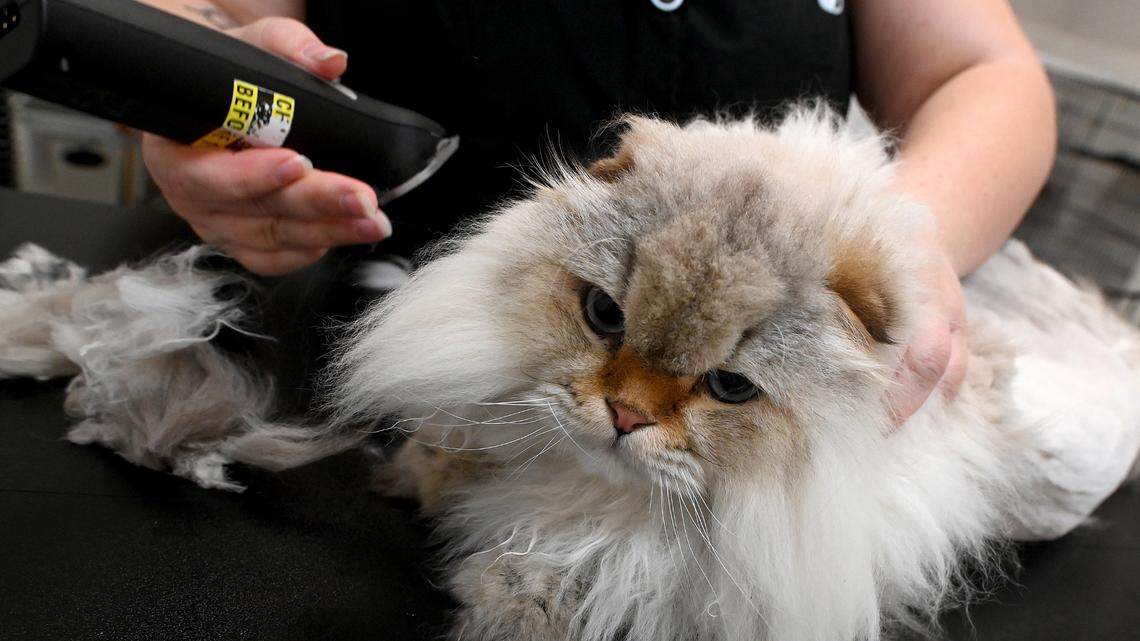
Professional grooming can keep cats clean and healthy. It helps with fur mats, nail trimming, and skin care. Groomers use tools and techniques made for cats. This service suits cats that need extra care or owners who want expert help.
When To Visit A Groomer
Visit a groomer if your cat has thick or long fur. Cats with matted hair or skin problems benefit from grooming. Older cats or those with health issues may need regular grooming. Also, schedule grooming before shedding seasons to reduce loose hair.
What To Expect At Grooming Salons
Grooming salons offer baths, brushing, nail trims, and ear cleaning. Some salons provide flea treatments and haircuts. The groomer will check your cat’s fur and skin for problems. Most salons keep the environment calm to reduce stress. Expect a professional who knows how to handle cats gently.
Choosing The Right Grooming Service
Look for groomers with experience in cat care. Check reviews and ask about their handling methods. A good groomer uses cat-friendly products and tools. Choose a salon with a clean, quiet space. Confirm they can manage your cat’s specific needs or behavior.
Enhancing Feline Beauty
Enhancing your cat’s beauty goes beyond just brushing their fur. It involves a combination of good nutrition, the right supplements, and a consistent grooming routine. These elements work together to keep your feline friend looking healthy and radiant every day.
Diet And Coat Health
Your cat’s diet plays a huge role in the condition of their coat. High-quality proteins and fatty acids like omega-3 and omega-6 support a soft, shiny fur texture.
Have you noticed how your cat’s coat changes with different foods? A poor diet often leads to dull, brittle fur and even skin problems. Adding fresh, balanced meals can make a visible difference quickly.
Supplements For Shiny Fur
If your cat’s coat needs an extra boost, supplements might help. Fish oil capsules or specially formulated skin and coat supplements provide essential nutrients that may be missing in their diet.
Always check with your vet before adding anything new. Some cats respond well to supplements containing biotin and vitamin E, which enhance fur growth and reduce shedding.
Creating A Grooming Routine
Consistency is key for a beautiful coat. Try setting a regular grooming schedule that fits your cat’s personality and your lifestyle.
Use a gentle brush suited for your cat’s fur length. Even a few minutes daily can reduce mats and distribute natural oils for a healthier shine.
- Start with short sessions and praise your cat to build trust.
- Check for any skin irritations or unusual lumps during grooming.
- Combine grooming with quiet time to make it enjoyable for both of you.
Have you found a grooming routine that your cat actually looks forward to? Small adjustments can turn grooming into a positive bonding experience.
Credit: www.bradenton.com
Frequently Asked Questions
Can Cats Get Groomed Professionally?
Yes, cats can be groomed professionally. Groomers trim nails, clean ears, and brush fur. Professional grooming helps maintain a cat’s hygiene and appearance.
How Often Should Cats Be Groomed?
Cats should be groomed weekly or biweekly. Regular grooming prevents matting, reduces shedding, and promotes healthy skin and coat.
Is Grooming Necessary For Indoor Cats?
Yes, indoor cats benefit from grooming. It helps remove loose fur, reduces hairballs, and keeps their coat shiny and healthy.
Can Grooming Help With Cat Hairballs?
Regular grooming reduces loose fur that cats swallow. This decreases hairball formation, improving your cat’s digestive comfort and overall health.
Conclusion
Cats can enjoy grooming just like people do. It helps keep their fur clean and healthy. Regular grooming stops mats and reduces shedding. It also lets you check for skin problems early. Use gentle tools and be patient with your cat.
Make grooming a calm, positive time for both. This care strengthens your bond and keeps cats happy. Remember, grooming is a simple step for a healthier pet. Try it often to see the best results.
