

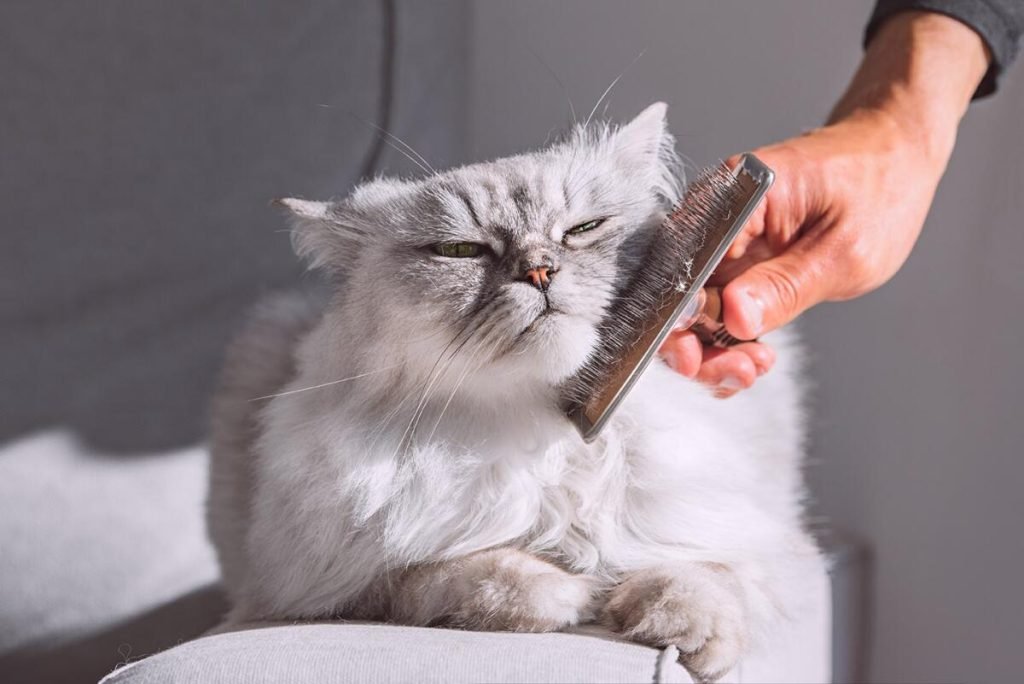
If you have a long-haired cat, you know how beautiful and soft their fur can be. But keeping that fur clean, smooth, and tangle-free takes some effort.
You might worry about mats, shedding, or even how to make grooming a calm experience for your pet. This guide is made just for you. It will show you simple, easy steps to groom your long-haired cat like a pro.
By the end, you’ll feel confident and your cat will thank you with a shiny, healthy coat. Ready to make grooming easier and more enjoyable? Let’s get started!
Preparing For Grooming
Preparing for grooming your long-haired cat is key to a smooth session. It helps reduce stress for both you and your pet. Taking time before grooming ensures your cat stays calm and cooperative. Gather the right tools, set the mood, and make your cat feel safe.
Gathering Necessary Tools
Collect all grooming items before starting. Use a wide-tooth comb to detangle knots gently. A soft-bristle brush removes loose fur and dirt. Nail clippers keep claws trimmed to avoid scratches. Have grooming wipes handy for quick cleanups. Prepare a towel to wrap your cat if needed.
Creating A Calm Environment
Choose a quiet, comfortable room for grooming. Turn off loud noises like TVs or radios. Soft lighting helps your cat relax. Place a soft mat or blanket on the surface. Keep the area warm and free of distractions. Speak softly and move slowly to avoid startling your cat.
Getting Your Cat Comfortable
Let your cat explore the grooming space first. Offer gentle pets and calm words to build trust. Allow your cat to sniff the tools before use. Start with short grooming sessions to avoid stress. Reward your cat with treats for good behavior. Watch for signs of discomfort and pause if needed.
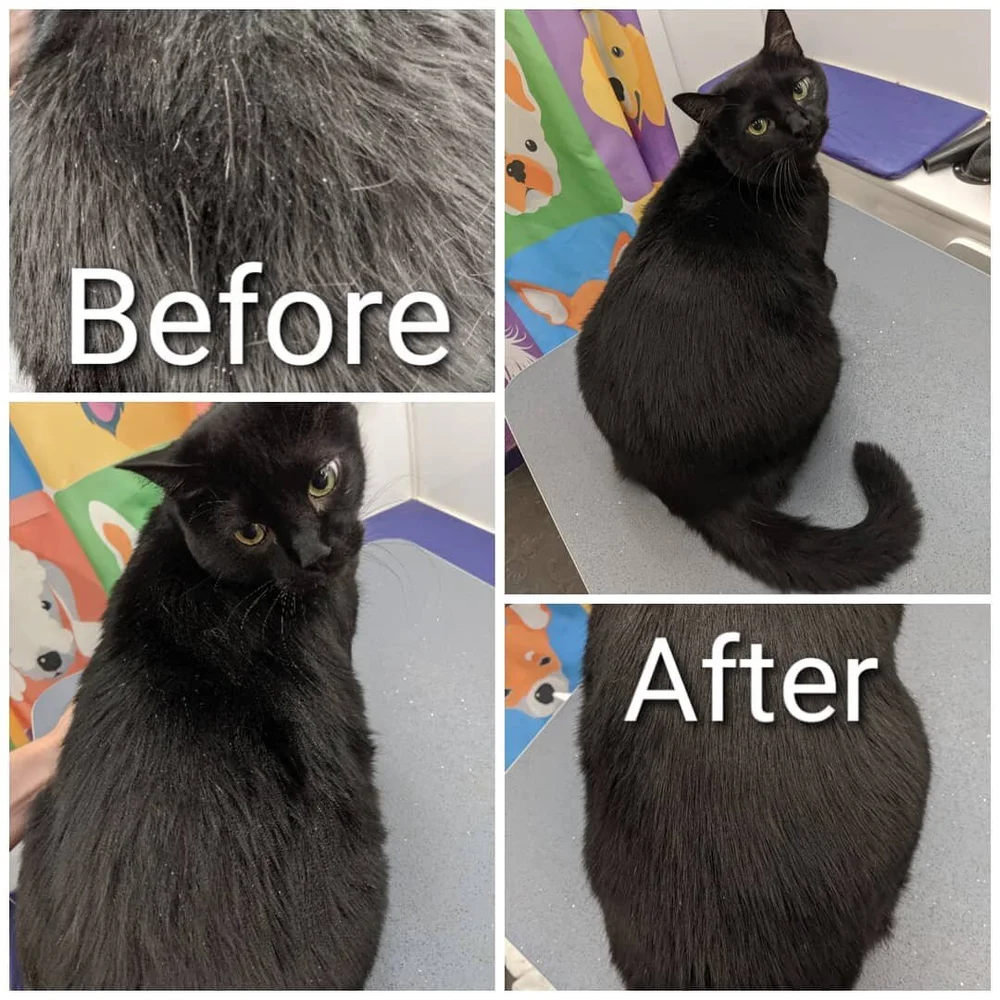
Credit: www.squeakycleangrooming.com
Brushing Techniques
Brushing your long-haired cat is more than just a grooming task—it’s a way to keep their coat healthy and strengthen your bond. The right brushing techniques make the experience enjoyable for both of you. Let’s dive into how you can brush effectively, preventing tangles and mats while keeping your cat comfortable.
Choosing The Right Brush
Selecting the right brush can change everything. A slicker brush with fine, short wires works well to remove loose fur and dirt without hurting your cat’s skin. For sensitive areas, a soft-bristle brush or a rubber grooming mitt can be gentler and more soothing.
Consider your cat’s coat texture too. Cats with very thick fur might need a wide-toothed comb to reach the undercoat. Have you tried different brushes to see which one your cat prefers? Their reaction can guide your choice better than any label.
Detangling And Removing Mats
Mats form when fur gets tangled tightly, causing discomfort. Start by gently loosening mats with your fingers before using a dematting comb or a specialized mat splitter. Be patient—ripping mats out quickly can hurt your cat and damage their trust.
If you find a stubborn mat, apply a small amount of detangling spray or use a bit of coconut oil to soften it. Always work from the edges inward, and stop if your cat shows signs of pain. How often do you check for mats in hidden spots like behind the ears or under the legs?
Brushing Frequency And Duration
Consistency is key to avoiding tangles and shedding problems. Brushing your cat at least three times a week can keep their coat smooth and shiny. However, during shedding season, daily brushing might be necessary to manage loose hair.
Keep sessions short and positive—around 5 to 10 minutes—to prevent stress. Notice how your cat responds: some enjoy longer brushing, while others prefer quick sessions. Do you watch their body language to adjust the grooming time?
Bathing Long Haired Cats
Bathing long haired cats can seem like a daunting task, but it’s essential for maintaining their beautiful coats and overall health. Unlike short-haired cats, their dense fur traps dirt and oils more easily, which regular brushing alone might not fully address. Knowing when and how to bathe your cat can make the experience less stressful for both of you.
When To Bathe Your Cat
Not every long haired cat needs frequent baths. You should consider bathing your cat if their coat is visibly dirty, greasy, or has an unpleasant odor. Cats with skin conditions or allergies may also benefit from medicated baths prescribed by your vet.
Ask yourself: has your cat gotten into something sticky or smelly that brushing can’t fix? Or does your cat have mats that you can’t safely remove at home? These are good signs it’s time for a bath. However, avoid bathing too often as it can strip natural oils from their fur.
Step-by-step Bathing Process
- Prepare Everything First:Have cat-friendly shampoo, a cup for rinsing, a towel, and treats ready. Warm water is key—too hot or cold will upset your cat.
- Brush Thoroughly Before Bathing:This removes loose hair and tangles, making the bath more effective and comfortable.
- Keep Calm and Gentle:Speak softly and handle your cat with care. Use a non-slip mat in the sink or tub to prevent slipping.
- Wet and Shampoo:Use a cup to pour water gently over your cat, avoiding the head. Apply shampoo, lather lightly, and rinse thoroughly to remove all residue.
- Be Mindful of the Face:Use a damp cloth to clean your cat’s face instead of pouring water directly.
Drying Methods
Long haired cats need careful drying to avoid chilling and matting. Start by wrapping your cat in a large, absorbent towel and gently pat them dry. Avoid rubbing vigorously as it can tangle the fur.
If your cat tolerates it, use a hairdryer on the lowest heat and speed setting. Keep the dryer moving constantly and maintain a safe distance to prevent burns. Some cats prefer air drying in a warm room, but you should monitor to ensure they don’t get cold.
Have you noticed how your cat’s mood changes during drying? Patience and reassurance go a long way to making this part smoother. Your calm presence helps your cat feel safe and cared for throughout the process.
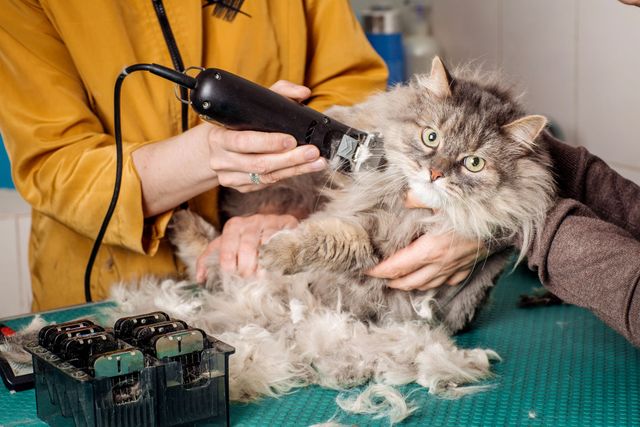
Credit: www.waggintailsgroomingny.com
Trimming And Nail Care
Trimming and nail care are essential parts of grooming your long-haired cat. Keeping nails trimmed prevents scratching injuries to both your cat and yourself. Meanwhile, trimming fur around sensitive areas helps avoid mats and keeps your cat comfortable.
Safe Nail Trimming Tips
Use a sharp, cat-specific nail clipper to avoid crushing the nails. Look carefully for the quick—the pink part inside the nail containing nerves and blood vessels—and avoid cutting into it.
If your cat has dark nails and the quick isn’t visible, trim small bits at a time. Reward your cat with treats after each session to create a positive experience.
- Hold your cat gently but firmly to prevent sudden movements.
- Trim nails every 1-2 weeks to keep them short and healthy.
- Have styptic powder ready in case of accidental bleeding.
Trimming Fur Around Sensitive Areas
Long fur around the paws, rear, and belly can easily tangle or collect dirt. Use blunt-ended scissors or grooming clippers to carefully trim these areas.
Be patient and work in small sections, watching for signs of discomfort. Trimming fur around the eyes can also prevent irritation and improve vision.
- Comb the fur first to identify mats or tangles.
- Trim fur after a bath when it’s dry and fluffy for easier cutting.
- Check your cat’s skin frequently to avoid cuts or irritation.
Handling Difficult Cats
Not every cat enjoys grooming, especially nail trimming. If your cat resists, try short, calm sessions and use a soothing voice.
Wrap your cat gently in a towel to keep their legs secure. Having a second person to help hold your cat can make the process smoother.
- Use distractions like toys or treats to keep your cat’s attention.
- Take breaks if your cat becomes stressed, then try again later.
- If trimming is impossible, consider a professional groomer or vet visit.
What’s your biggest challenge when trimming your cat’s nails or fur? Sometimes, small adjustments in approach can make a big difference in your cat’s comfort and cooperation.
Maintaining Healthy Skin And Coat
Maintaining healthy skin and coat is essential for long-haired cats. Their thick fur needs extra care to stay soft and shiny. Skin problems can cause discomfort and lead to hair loss. Regular grooming and good care help prevent these issues. A healthy cat shows bright eyes, a soft coat, and a happy attitude.
Diet And Nutrition
Good food supports healthy skin and fur. Cats need proteins and fats for strong hair. Omega-3 and Omega-6 fatty acids improve coat shine. Vitamins like A and E help repair skin cells. Choose high-quality cat food with these nutrients. Fresh water also keeps skin hydrated and healthy.
Preventing Hairballs
Long-haired cats swallow more hair during grooming. Hairballs can cause stomach problems or blockages. Regular brushing removes loose hair and reduces hairballs. Special hairball control food helps move hair through the digestive system. Provide plenty of water to keep the system working well.
Regular Vet Checkups
Vets spot skin problems early. They check for parasites, infections, and allergies. Regular exams keep the cat’s coat in top condition. Your vet can suggest supplements or treatments. Vaccines and parasite control protect skin health too.

Credit: www.latimes.com
Troubleshooting Common Issues
Grooming long-haired cats can bring challenges. Some common problems may disrupt your routine. Understanding these issues helps keep your cat happy and healthy.
Patience and gentle care make a big difference. Knowing how to manage shedding, resistance, and skin problems improves your grooming experience.
Dealing With Shedding
Long-haired cats shed more than short-haired ones. Loose fur can build up quickly around the home. Regular brushing reduces shedding significantly.
- Use a wide-tooth comb for loose hair removal.
- Brush daily during heavy shedding seasons.
- Feed a balanced diet to support healthy fur.
- Keep your cat hydrated to prevent dry skin.
Remove fur gently to avoid skin irritation. Vacuum your home often to control stray hairs.
Handling Grooming Resistance
Many cats dislike grooming at first. Fear or discomfort causes them to resist. Make grooming calm and positive.
- Choose a quiet, comfortable spot for grooming.
- Start with short sessions to build trust.
- Offer treats and praise to reward good behavior.
- Use soft brushes to avoid hurting the cat.
Never force your cat. Stop if they get stressed. Try again later with a gentler approach.
Identifying Skin Problems
Long hair can hide skin issues. Check your cat’s skin regularly during grooming. Look for redness, bumps, or sores.
- Watch for excessive scratching or licking.
- Note any scabs, flakes, or bald spots.
- Detect unusual odors or discharge early.
- Consult a vet promptly if problems appear.
Early detection prevents serious health issues. Healthy skin means a happier cat.
Frequently Asked Questions
How Often Should I Groom A Long-haired Cat?
Long-haired cats need grooming at least 3 to 4 times weekly. Regular brushing prevents mats and tangles, keeping their coat healthy and shiny. Frequent grooming also reduces shedding and hairballs, improving their comfort and hygiene.
What Tools Are Best For Grooming Long-haired Cats?
Use a wide-toothed comb, slicker brush, and grooming scissors. These tools help detangle knots, remove loose hair, and trim excess fur safely. Proper tools make grooming easier and less stressful for your cat.
How Do I Prevent Mats In Long Cat Fur?
Brush your cat’s fur regularly to avoid mats forming. Focus on areas prone to tangling like behind ears and under legs. Detangle small knots gently before they become mats, ensuring your cat stays comfortable.
Can Grooming Reduce Hairballs In Long-haired Cats?
Yes, regular grooming removes loose hair that cats swallow. This significantly lowers hairball formation and digestive issues. Brushing your cat often helps maintain a cleaner, healthier coat and reduces hair ingestion.
Conclusion
Grooming long-haired cats keeps their coat healthy and shiny. Regular brushing stops mats and tangles from forming. It also helps reduce shedding around your home. Use gentle tools and take breaks if your cat feels stressed. Start grooming sessions early to build trust and comfort.
Remember, patience and consistency make grooming easier over time. Your cat will feel happier and look better with simple care. Small daily efforts make a big difference in their well-being. Keep grooming as a fun bonding time for both of you.
