

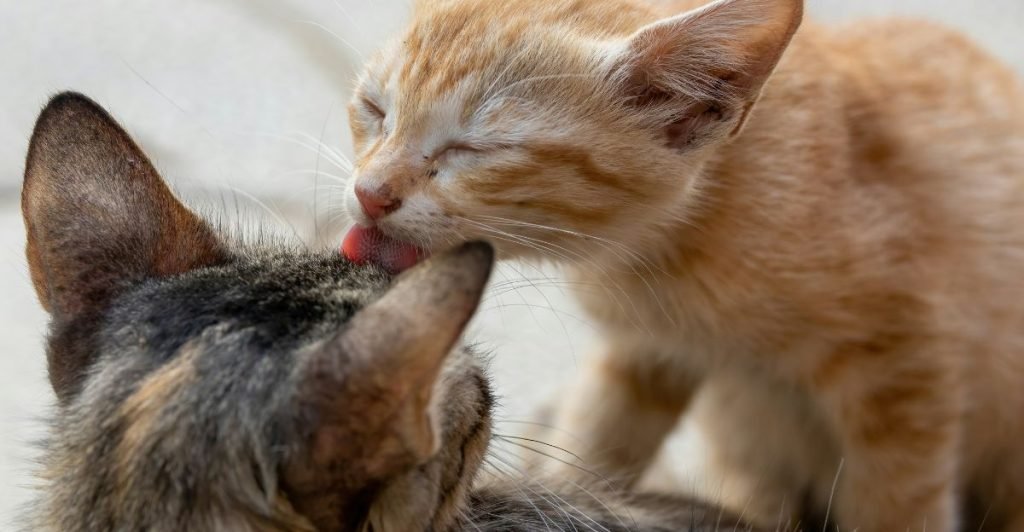
Have you ever watched cats grooming each other and wondered why they do it? It’s more than just a cute behavior.
When cats lick and clean each other, they are building strong bonds, showing trust, and even keeping healthy. If you want to understand what’s really going on during these moments, and how this behavior affects your furry friends, keep reading.
You’ll discover surprising reasons behind this natural habit and learn how it helps your cats feel safe and happy.
Why Cats Groom Each Other
Cats grooming each other is a common sight in multi-cat homes and colonies. This behavior goes beyond simple cleanliness. It is a vital part of how cats communicate and connect. Understanding why cats groom each other helps us appreciate their social nature and care.
Social Bonding And Trust
Grooming between cats builds strong social bonds. It shows trust and friendship. Cats choose to groom those they feel safe with. This act reinforces their relationship and reduces conflicts. Mutual grooming creates a calm and friendly environment among cats.
Health And Hygiene Benefits
Grooming helps cats keep clean in hard-to-reach spots. They remove dirt, loose fur, and parasites. Sharing grooming duties can lower the risk of skin problems. It supports overall health by keeping their coats smooth and free of irritants.
Stress Reduction
Grooming soothes cats and lowers stress. The gentle licking releases calming chemicals in their brains. It helps them relax during tense moments or after play. Grooming each other acts like a natural stress relief for cats.

Credit: www.youtube.com
How Cats Groom Each Other
Watching cats groom each other is more than just a cute display; it’s a vital behavior that strengthens their bond and keeps them healthy. Understanding how cats groom each other can help you appreciate their social nature and spot any changes that might indicate health issues. Let’s look closely at how this mutual grooming works.
Techniques And Common Areas
Cats use gentle licking and nibbling to groom one another. You’ll often see them focusing on hard-to-reach spots like the head, neck, and behind the ears.
This behavior isn’t random—cats target areas where self-grooming is difficult. The back of the head and neck are prime spots because cats can’t easily reach them on their own.
If you notice your cats grooming each other frequently, it means they trust each other deeply. Do you see this kind of behavior with your pets?
Role Of Tongue And Teeth
A cat’s tongue isn’t just for tasting; it acts like a tiny comb. The rough texture helps remove loose fur and dirt.
Teeth come into play when a cat gently nibbles at tangles or debris. This nibbling is careful and never painful—it’s more like a delicate detangling process.
Next time you watch your cats grooming, pay attention to how the tongue and teeth work together. It’s a finely tuned cleaning system that keeps their coats shiny and healthy.
Mutual Grooming Patterns
Mutual grooming usually follows a pattern where one cat starts grooming and the other returns the favor. This exchange can last several minutes and often strengthens their social connection.
Interestingly, cats tend to groom those they feel closest to, which means this behavior reveals their social hierarchy and friendships.
Have you noticed if your cats prefer grooming certain companions over others? Observing these patterns can tell you a lot about their relationships and comfort levels.
Signs Of Strong Feline Relationships
Recognizing the signs of strong feline relationships can deepen your understanding of how cats bond. Grooming each other is one of the clearest indicators that cats trust and care for one another. Observing these behaviors can help you know if your cats are truly connected or just coexisting.
Frequency Of Grooming
How often cats groom each other says a lot about their relationship. Cats that groom regularly tend to have a close bond. If you notice your cats spending several minutes each day grooming one another, it’s a positive sign of friendship and trust.
On the other hand, if grooming is rare or absent, your cats might be more independent or even stressed around each other. Have you noticed your cats sneaking in grooming sessions after play or during quiet moments? That’s a clue they enjoy each other’s company.
Body Language During Grooming
Pay attention to how your cats behave when they groom each other. Relaxed postures, slow blinking, and soft purring are all good signs. One cat might gently nibble or lick the other’s head or neck, areas they can’t easily reach themselves.
Conversely, if you see stiff bodies, flattened ears, or swishing tails, the grooming might be more about tolerance than affection. Notice if your cats take turns grooming or if one cat always initiates and the other accepts. Balanced participation often means mutual respect.
Grooming And Play Behavior
Grooming often follows play sessions, showing a transition from excitement to calm connection. After an energetic chase or wrestling match, cats may pause to clean each other, which helps reduce tension and solidify their bond.
Have you observed your cats grooming right after playing? This behavior can teach you a lot about how they manage their social relationships. If grooming happens only during calm periods, it might mean your cats prefer to keep their distance when active.

Credit: www.shutterstock.com
Impact On Cat Behavior
Cats grooming each other has a strong impact on their behavior. This social activity helps shape how cats interact and live together. It influences their moods and relationships. Understanding these effects can help cat owners support a peaceful home.
Reducing Aggression
Mutual grooming lowers tension among cats. It creates a calming effect and reduces chances of fights. Cats feel safer and more relaxed. This shared activity prevents aggressive behavior and promotes peace.
Enhancing Group Cohesion
Grooming builds trust and friendship within the group. Cats bond through this physical contact. It strengthens their social ties and sense of belonging. Group cohesion improves, making cats more cooperative and friendly.
Influence On Cat Hierarchy
Grooming helps define social ranks in cat groups. Dominant cats often groom subordinates. It shows control and respect at the same time. This behavior keeps the group order clear and stable.
When Grooming Signals Problems
Cat grooming is usually a sign of care and bonding. But sometimes, grooming can show problems. Watching your cats’ grooming behavior helps spot issues early. Changes in grooming often point to stress, illness, or discomfort. Understanding these signs can protect your cat’s health and happiness.
Overgrooming And Stress
Overgrooming happens when cats lick or bite themselves too much. This behavior may cause bald spots or skin sores. Stress and anxiety often trigger overgrooming. Changes in the environment, new pets, or loud noises can cause stress. Overgrooming is a way for cats to cope, but it harms their skin.
Grooming Avoidance
Cats usually groom each other to bond. If one cat avoids grooming, it may show fear or pain. Grooming avoidance can mean the cat feels sick or uncomfortable. Sometimes, a cat with sore skin or injury will stop grooming. This behavior signals that the cat needs attention and care.
Identifying Illness Through Grooming
Grooming habits reveal much about a cat’s health. A cat that stops grooming may be sick or weak. Matted fur, dull coat, or greasy skin can indicate illness. Parasites or infections also affect grooming behavior. Watching grooming closely helps detect health problems early. Early care improves recovery chances and comfort.

Credit: www.youtube.com
Encouraging Grooming Between Cats
Encouraging grooming between cats can strengthen their bond and reduce tension in a multi-cat household. Cats often groom each other as a sign of trust and affection, but sometimes they need a little nudge to start this healthy behavior. Creating the right conditions and using positive cues can help your cats feel comfortable enough to engage in mutual grooming.
Creating A Comfortable Environment
Your cats need a safe and calm space to feel relaxed around each other. Provide cozy spots where they can sit close without feeling trapped or threatened. Soft blankets, quiet corners, and plenty of vertical space like cat trees help cats feel secure and more willing to interact.
Keep feeding areas and litter boxes separate to avoid competition. When your cats aren’t stressed by their surroundings, they’re more likely to approach one another and start grooming.
Introducing New Cats
Introducing a new cat too quickly can cause anxiety and prevent grooming behaviors. Start by allowing them to sniff each other under a door or through a baby gate. Gradually increase face-to-face time while watching for relaxed body language.
Offer treats and praise when they are calm together. This helps your cats associate the presence of each other with positive experiences, making grooming a natural next step.
Using Positive Reinforcement
Reward your cats when they show signs of grooming or gentle touching. Use treats, soft petting, or calm words to encourage the behavior. Your positive reactions tell your cats that grooming each other is a good thing.
Sometimes, you can gently mimic grooming by brushing one cat while the other watches. This can trigger their interest and prompt them to groom their companion. Are you ready to observe your cats’ first mutual grooming session? It might happen sooner than you think when you create the right atmosphere.
Frequently Asked Questions
Why Do Cats Groom Each Other Frequently?
Cats groom each other to strengthen social bonds and show affection. This behavior also helps them clean hard-to-reach areas and reduces stress.
Is Mutual Grooming A Sign Of Cat Friendship?
Yes, mutual grooming indicates trust and friendship between cats. It helps establish and maintain social hierarchies in multi-cat households.
Can Grooming Prevent Cat Health Issues?
Grooming helps remove dirt, loose fur, and parasites. It promotes healthy skin and fur, reducing risks of infections and matting.
How Often Do Cats Groom Each Other Daily?
Cats groom each other several times a day. Frequency depends on their relationship and environmental factors like stress or comfort.
Conclusion
Cats grooming each other shows trust and friendship. It helps keep their fur clean and healthy. This behavior also reduces stress and builds strong bonds. Watching cats groom can be calming and sweet to see. Their teamwork in grooming teaches us about care and connection.
Next time you see cats grooming, remember it means they feel safe. Understanding this can help you better care for your pets. Cats express love quietly but clearly through grooming. It’s a simple act with deep meaning for them.
