

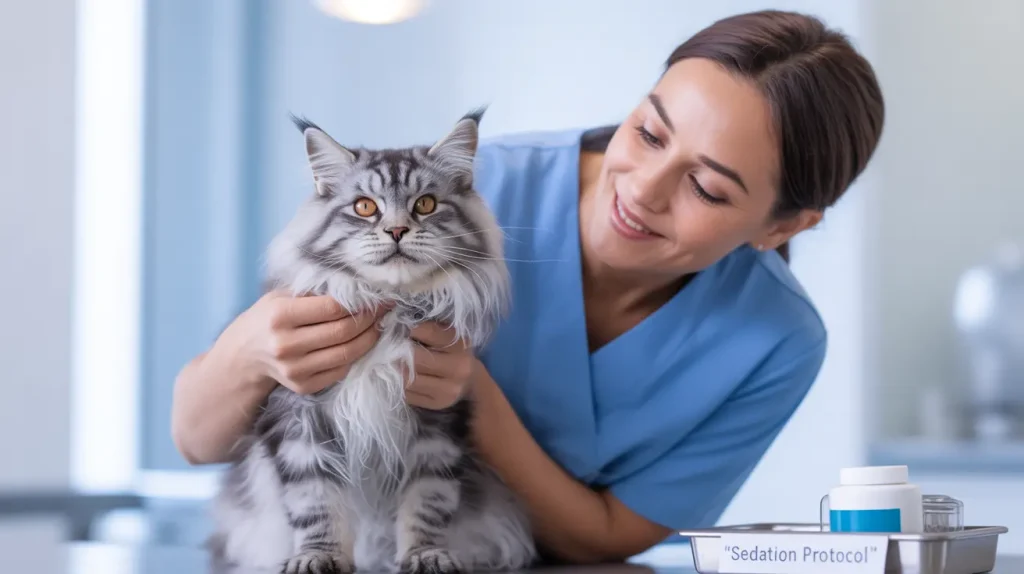
Grooming your cat can be a stressful experience—for both you and your furry friend. Sometimes, your cat’s anxiety or restlessness makes brushing, trimming, or nail clipping almost impossible.
If you’re struggling to keep your cat calm during grooming, learning how to safely sedate your cat might be the solution you need. In this guide, you’ll discover simple, effective ways to help your cat relax, making grooming easier and less stressful.
Keep reading to find out how you can make grooming a peaceful routine for both you and your cat.
:strip_icc()/spruce-pets-cat-sedative-travel-9be74a8034364749a2cb205881b103ac.png)
Credit: www.thesprucepets.com
Reasons For Sedating Cats
Sedating cats for grooming is sometimes necessary to ensure their safety and comfort. Some cats do not tolerate grooming well. Sedation helps reduce their stress and makes the process easier for both the cat and the groomer. Understanding the reasons behind sedation can guide pet owners and groomers in making the right decisions.
Stress And Anxiety During Grooming
Many cats feel scared during grooming. Strange tools, noises, and handling can cause stress. An anxious cat may try to escape or hide. Sedation calms the cat and lowers its anxiety. This helps the grooming process go smoothly.
Medical Conditions Affecting Grooming
Cats with health problems often need special care. Illnesses like arthritis or skin diseases can make grooming painful. Sedation allows the groomer to work gently without hurting the cat. It also helps in checking for hidden health issues.
Handling Aggressive Behavior
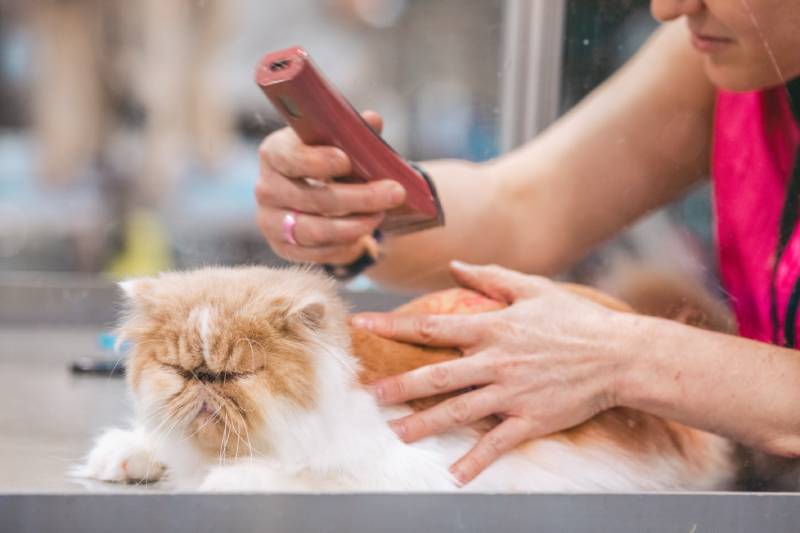
Some cats become aggressive during grooming. They may scratch or bite to protect themselves. Sedation controls this behavior safely. It protects the cat and the groomer from injury. This way, grooming can be completed without harm.
Credit: jackiesdoggrooming.com
Consulting A Veterinarian
Consulting a veterinarian before sedating your cat for grooming is essential. Your vet’s guidance ensures your cat’s safety and comfort throughout the process. They help tailor the sedation plan to your cat’s unique needs, which can prevent complications.
Assessing Health Risks
Your vet will first evaluate your cat’s overall health. This includes checking for any underlying conditions like heart problems, kidney issues, or respiratory concerns that could make sedation dangerous.
Be ready to share your cat’s medical history and any unusual behaviors you’ve noticed. These details help your vet decide if sedation is safe or if alternative grooming methods are better.
Have you ever noticed your cat panting or acting lethargic after a stressful event? Mentioning these signs can change the approach to sedation significantly.
Choosing The Right Sedative
Vets have various sedatives and tranquilizers in their toolkit. They select the one best suited for your cat’s age, size, and health status.
Some sedatives keep your cat calm but awake, while others put them into a deeper sleep. Knowing which option works best can reduce your cat’s stress during grooming.
Your vet may also consider how long the sedation needs to last and if your cat has reacted poorly to any medications before.
Dosage And Administration
Proper dosing is critical. Too little sedation won’t calm your cat, and too much can be risky or even life-threatening.
Your vet will calculate the exact dose based on weight and health. They will explain how to give the medication safely, whether orally or through an injection.
Have you ever wondered why some medications require fasting before administration? Your vet will tell you if your cat needs to skip food or water before sedation to avoid complications.
Natural Sedation Techniques
Natural sedation techniques offer gentle ways to calm your cat during grooming without harsh chemicals or medications. These approaches focus on easing your cat’s anxiety and making the grooming process smoother for both of you. Let’s look at some effective options you can try at home.
Calming Supplements
Calming supplements can help reduce stress in cats before grooming. Ingredients like L-theanine, valerian root, and chamomile are popular for their soothing effects.
Always check with your vet before adding any supplement to your cat’s routine. Some products come as treats, powders, or liquids, so choose what your cat prefers. Have you noticed your cat relax with natural treats? That’s a good sign these supplements might work well.
Aromatherapy Options
Certain scents can help calm your cat during grooming. Lavender and chamomile essential oils are known for their relaxing properties, but use them cautiously and never apply directly on your cat.
Try diffusing a small amount of pet-safe essential oils in the grooming area. Watch how your cat reacts—if they seem curious or calm, it’s a win. Have you ever noticed how a familiar smell can change your cat’s mood instantly?
Behavioral Conditioning
Training your cat to associate grooming with positive experiences can reduce stress over time. Use treats, gentle petting, and soft voices to create a calm environment.
Start by handling your cat’s paws or brushing fur briefly, then reward them immediately. This builds trust and makes grooming less scary. Could you spend five minutes a day building this positive routine? It might save you hours of struggle later.
Credit: dapperdoggery.com
Using Prescription Sedatives
Using prescription sedatives can make grooming easier and less stressful for your cat. These medications help calm your pet and reduce anxiety during grooming sessions. Veterinarians prescribe sedatives based on your cat’s health and behavior. Always follow the vet’s advice for the safest experience.
Common Sedative Medications
- Gabapentin:Often used to reduce anxiety and pain before grooming.
- Alprazolam:Helps calm cats with mild to moderate stress.
- Acepromazine:A stronger sedative used for very anxious or aggressive cats.
- Diazepam:Used in specific cases under strict veterinary supervision.
Side Effects To Watch For
- Drowsiness lasting longer than expected.
- Loss of coordination or stumbling.
- Excessive drooling or vomiting.
- Rapid breathing or heart rate changes.
- Allergic reactions like swelling or itching.
Contact your veterinarian immediately if any side effects appear.
Safe Usage Guidelines
- Always get a prescription from your vet before using sedatives.
- Administer the correct dosage as instructed.
- Give medication well before grooming to allow time to work.
- Never combine sedatives without vet approval.
- Monitor your cat closely during and after grooming.
- Keep emergency contact numbers handy.
Preparing Your Cat For Sedation
Preparing your cat for sedation is a key part of safe grooming. Proper preparation helps reduce stress and keeps your cat safe during the process. It also makes the sedation more effective. Follow the steps below to prepare your cat well before sedation.
Fasting Requirements
Fasting is important before sedation to avoid stomach problems. Do not feed your cat for at least 8 to 12 hours before sedation. Water can usually be given until 2 hours before. Check with your vet for exact fasting times. Fasting lowers the risk of vomiting during sedation.
Creating A Calm Environment
A calm space helps your cat feel safe and relaxed. Keep the room quiet and free from loud noises. Use soft lighting and avoid sudden movements. Place your cat in a familiar spot with their favorite blanket or toy. Speak softly and stay calm to soothe your pet.
Monitoring Vital Signs
Monitoring vital signs is essential before sedation. Check your cat’s breathing rate and heart rate. Look for signs of stress like panting or restlessness. If your cat seems unwell, contact your vet immediately. Keeping track of these signs ensures your cat is ready for sedation safely.
Administering Sedatives At Home
Administering sedatives at home can ease the grooming process for both you and your cat. Sedation helps calm anxious or aggressive cats, making grooming safer and less stressful. Understanding the types of sedatives and how to give them properly is essential for your cat’s safety. Always follow your veterinarian’s advice and dosage instructions.
Oral Vs Injectable Sedatives
Oral sedatives come as pills or liquids. They are easier to give but may take longer to work. Some cats resist taking medicine by mouth. Injectable sedatives act faster and are more potent. They require precise handling and are usually given by a professional. Choose the right type based on your cat’s needs and your comfort level.
Techniques For Easy Administration
- Wrap your cat gently in a towel to prevent scratching.
- Use a pill pocket or mix liquid medicine with a small treat.
- Hold your cat’s head firmly but gently while giving oral meds.
- Have another person help hold the cat if needed.
- Be calm and speak softly to reduce your cat’s stress.
- Reward your cat after giving medicine to create a positive experience.
When To Seek Professional Help
Some cats react poorly to sedatives or have health issues. Do not give sedatives without veterinary guidance. If your cat resists or shows side effects, contact your vet immediately. Professional groomers or vets can safely administer injections. Avoid home injections unless trained and instructed by a vet.
Post-sedation Care
After sedating your cat for grooming, the care you provide during recovery is crucial. This phase ensures your cat wakes up safely and comfortably. Proper post-sedation care reduces risks and helps you spot any issues early.
Recovery Monitoring
Keep your cat in a quiet, warm area away from noise and other pets. Watch closely as your cat regains consciousness. It’s normal for them to be groggy or unsteady on their feet at first.
Check their breathing and make sure it’s steady, not shallow or labored. Offer water once they are fully awake but don’t force it. Your presence can be calming—talk softly and pet gently if your cat allows.
Managing Side Effects
Some cats may experience mild side effects like nausea, vomiting, or disorientation. These usually pass within a few hours. If your cat seems overly lethargic or has trouble walking after several hours, note these signs carefully.
- Keep food light and easy to digest for the first 24 hours
- Limit activity to prevent injury
- Provide a cozy space where your cat feels secure
Remember, every cat reacts differently to sedation. Your calm and attentive care can make a big difference in their comfort.
When To Contact A Vet
Knowing when to seek professional help can save your cat’s life. Contact your vet immediately if you notice:
- Difficulty breathing or very rapid breathing
- Persistent vomiting or diarrhea
- Seizures or severe shaking
- Unresponsiveness or inability to stand after several hours
Trust your instincts—if something feels off, don’t hesitate to get medical advice. Your vigilance after sedation is just as important as the grooming itself.
Alternatives To Sedation
Many cat owners seek alternatives to sedation for grooming. Sedation can be risky and stressful for some cats. Exploring other options can keep your cat calm and safe during grooming sessions.
These alternatives focus on comfort, patience, and professional help. They often lead to better grooming experiences without the need for medicine.
Professional Grooming Services
Professional groomers know how to handle anxious cats. They use gentle techniques to reduce stress. Grooming salons often have special equipment to keep cats calm. Experts can trim nails, clean fur, and remove mats safely. This option reduces risks linked to sedation.
Mobile Groomers
Mobile groomers come to your home, creating a familiar setting. Cats feel safer in their own space. This reduces anxiety and fear. Mobile groomers bring all necessary tools and expertise. This service is convenient and less stressful for your pet.
Training For Cooperative Grooming
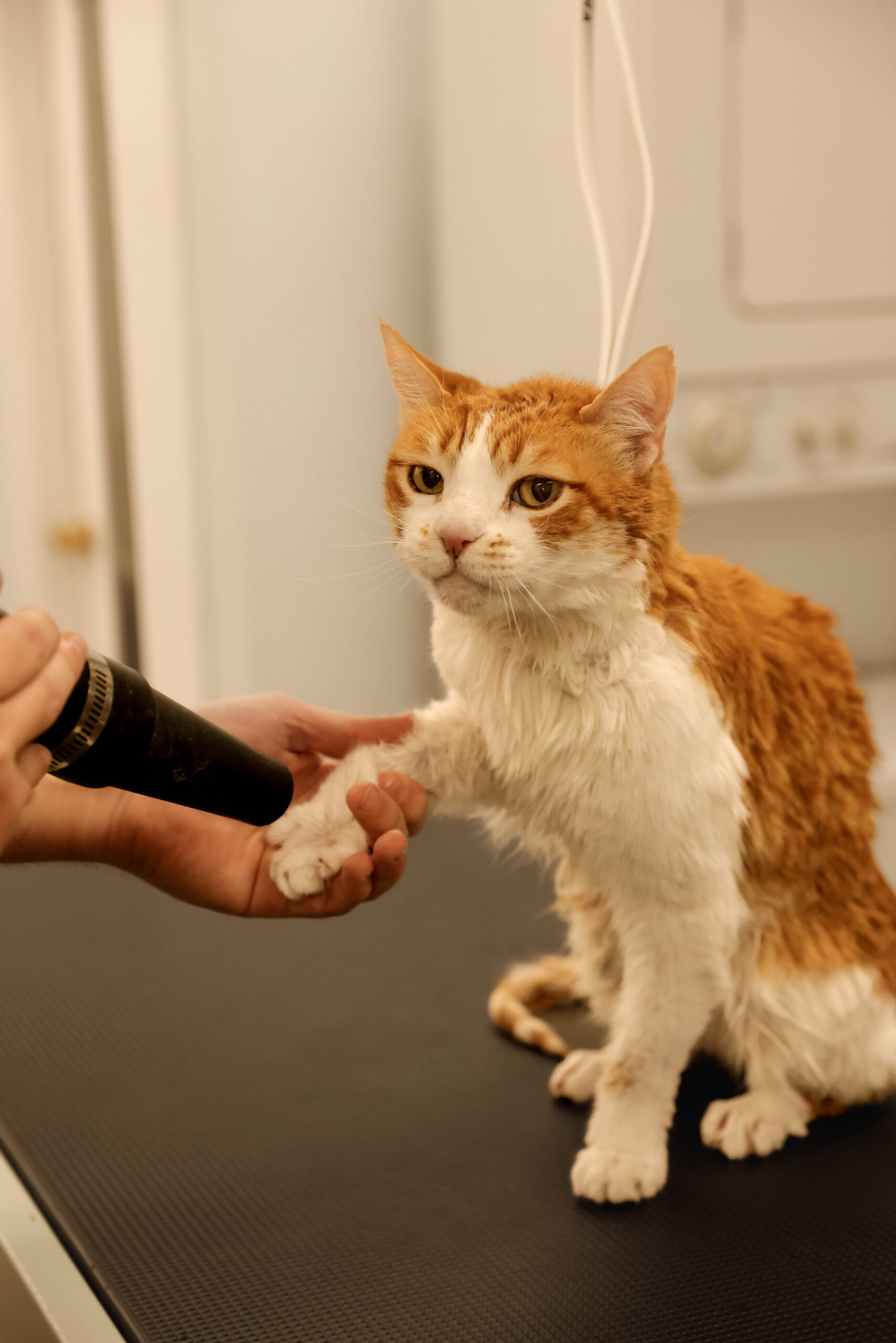
Training your cat can make grooming easier at home. Use treats and gentle praise during short grooming sessions. Gradually introduce brushes and nail clippers. Patience helps build trust and calmness. Consistent practice can make grooming a positive routine.
Frequently Asked Questions
How Can I Safely Sedate My Cat For Grooming?
Consult your vet before sedating your cat. Use only vet-approved sedatives. Follow dosage instructions carefully to ensure safety during grooming.
What Are The Common Sedatives For Cat Grooming?
Common sedatives include gabapentin, acepromazine, and trazodone. These help calm cats and reduce stress during grooming sessions.
Can I Sedate My Cat At Home Without A Vet?
No, always consult a veterinarian first. Improper sedation can harm your cat’s health or cause dangerous reactions.
How Long Does Sedation Last For Cat Grooming?
Sedation typically lasts 2 to 6 hours. Duration depends on the sedative type and your cat’s weight and health.
Conclusion
Sedating a cat for grooming requires care and patience. Always consult a vet before giving any medicine. Use the right dose to keep your cat safe. Watch your cat closely during the process. Calm surroundings help reduce stress for your pet.
Gentle handling makes grooming easier and less scary. With proper steps, grooming becomes safer and smoother. Your cat will feel better and look great too. Take your time and be kind throughout grooming. Safety and comfort should always come first.
