

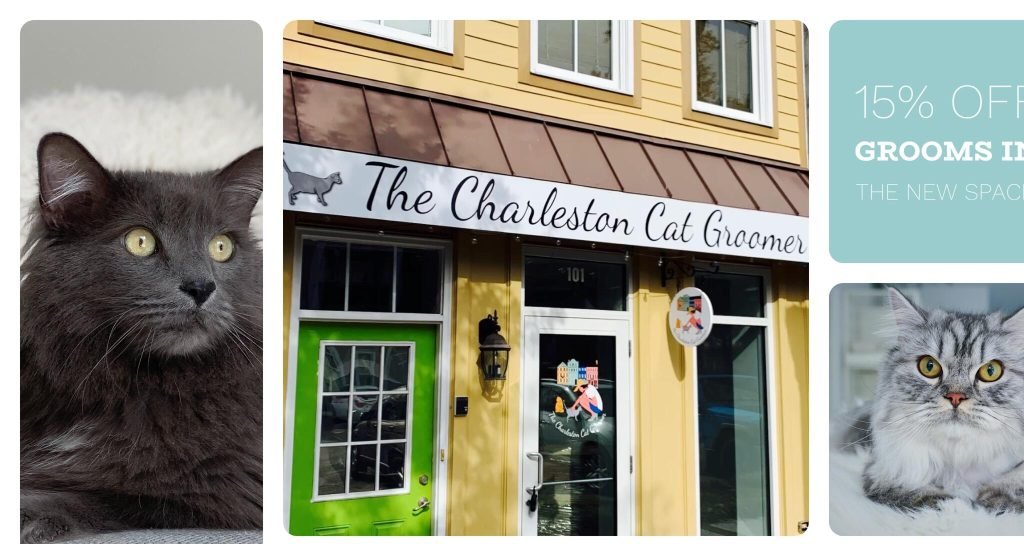
If you’re a cat owner in Charleston, you know how important it is to keep your furry friend looking and feeling their best. But finding the right cat groomer can be tricky.
You want someone who understands your cat’s unique needs and treats them with gentle care. That’s where The Charleston Cat Groomer comes in. Imagine a stress-free grooming experience that leaves your cat happy, healthy, and looking fantastic. Keep reading to discover how you can give your feline companion the pampering they deserve.

Credit: www.youtube.com
Choosing The Right Groomer
Choosing the right groomer for your cat is very important. A good groomer helps keep your pet clean, healthy, and happy. It also makes the grooming experience less stressful for your cat. Knowing what to check for helps you find the best care.
Credentials And Experience
A groomer with proper training shows skill and knowledge. Look for certifications from recognized pet grooming schools. Years of experience working with cats is a big plus. Experienced groomers understand different cat breeds and their needs.
Local Grooming Services
Choosing a groomer near Charleston makes visits easier. Local groomers often know the best methods for cats in your area. Convenience matters for regular appointments. Local services may offer personalized care and quick responses.
Client Reviews And Testimonials
Reading reviews helps you learn from other pet owners. Positive testimonials show trust and satisfaction. Pay attention to comments about the groomer’s gentleness and professionalism. Honest feedback gives a clear picture of the service quality.
Essential Grooming Tools
Essential grooming tools keep your cat healthy and happy. Proper tools make grooming easier and less stressful. They help remove dirt, prevent mats, and keep your cat comfortable. Choosing the right tools is key to good grooming habits.
Brushes And Combs
Brushes and combs remove loose hair and dirt from your cat’s coat. They also prevent tangles and mats. Use a slicker brush for thick fur. A fine-toothed comb works well for sensitive skin. Regular brushing reduces shedding and helps spread natural oils.
Nail Clippers And Trimmers
Clipping nails keeps your cat from scratching furniture and skin. Use nail clippers made for cats. Small, sharp trimmers work best. Cut just the sharp tip to avoid hurting the quick. Regular trimming keeps claws healthy and prevents painful breaks.
Shampoos And Conditioners
Choose shampoos made for cats to clean their fur gently. Avoid human shampoos as they can irritate skin. Conditioners keep fur soft and reduce tangles. Use mild formulas that suit your cat’s skin type. Bathing helps remove dirt and odors safely.
Daily Grooming Practices
Daily grooming keeps cats healthy and happy. It prevents mats, dirt buildup, and discomfort. Regular care also helps spot health issues early. The Charleston Cat Groomer suggests easy steps to follow every day for a clean and comfortable cat.
Brushing Techniques
Use a soft brush suited for your cat’s fur type. Brush gently in the direction of hair growth. Focus on areas like behind ears and under the legs. Remove loose hair to reduce shedding and hairballs. Brushing also spreads natural oils for a shiny coat.
Cleaning Ears And Eyes
Check ears for dirt, wax, or redness daily. Use a damp cotton ball to wipe the outer ear gently. Avoid pushing anything inside the ear canal. For eyes, wipe away discharge with a clean, damp cloth. Clear eyes prevent infections and keep your cat comfortable.
Regular Nail Care
Trim nails every one to two weeks. Use a cat nail clipper for safety. Cut only the sharp tip, avoiding the pink quick inside. If unsure, ask The Charleston Cat Groomer for guidance. Regular trimming stops nails from snagging or growing too long.
Handling Common Feline Grooming Issues
Grooming your cat can sometimes feel like a challenge, especially when common issues like mats, shedding, or skin problems pop up. These obstacles don’t just affect your cat’s appearance—they impact their comfort and health too. Understanding how to handle these problems effectively can make grooming a positive experience for both you and your feline friend.
Dealing With Mats And Tangles
Mats can be painful for cats and often hide dirt or parasites. To prevent mats, brush your cat regularly, especially if they have long fur. Use a wide-toothed comb to gently loosen tangles before they turn into mats.
If you find a stubborn mat, avoid pulling hard. Instead, hold the fur close to the skin to reduce discomfort, then carefully cut the mat out with blunt-nosed scissors if necessary. Have you noticed how your cat reacts when you brush near problem areas? Their response can guide how gentle or firm you should be.
Managing Shedding
Shedding is a natural process, but excessive shedding can be frustrating and messy. Regular brushing helps remove loose fur before it ends up all over your furniture. A slicker brush or grooming glove often works best to capture shedding hair efficiently.
Diet also plays a crucial role in shedding. Foods rich in omega-3 fatty acids support healthy skin and coat. You might want to ask your vet if your cat’s diet needs adjustment to reduce shedding.
Addressing Skin Problems
Redness, bumps, or excessive scratching could mean your cat has a skin problem. These issues might be caused by allergies, parasites, or infections. Check your cat’s skin regularly during grooming sessions for any unusual signs.
If you spot anything concerning, don’t wait to consult a vet. Early treatment can prevent more serious problems. How often do you inspect your cat’s skin during grooming? Making this a habit can save a lot of trouble later.
Seasonal Grooming Tips
Seasonal changes affect your cat’s grooming needs. Adjusting care routines helps keep cats healthy and comfortable throughout the year. The Charleston Cat Groomer offers tips to handle both hot and cold seasons with ease.
Summer Care And Heat Protection
Hot weather can stress your cat. Keep the coat clean and free of mats to improve air flow. Brush your cat regularly to remove loose hair. Provide fresh water and a cool resting place.
- Trim long fur carefully, avoiding skin cuts.
- Use cooling mats or shaded areas outdoors.
- Check for signs of heatstroke like panting or lethargy.
Bathing helps remove dirt and excess oils. Use cat-safe shampoos to avoid skin irritation. Never shave the coat too short; it protects the skin from sunburn.
Winter Coat Maintenance
In cold months, a thick coat keeps your cat warm. Do not cut the fur short during winter. Regular brushing stops tangles and spreads natural oils.
- Check paws for dryness or cracks.
- Keep claws trimmed to prevent damage on indoor surfaces.
- Ensure your cat stays dry after outdoor trips.
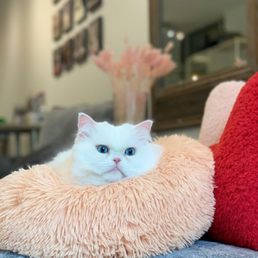
A warm, cozy bed helps maintain body heat. Monitor your cat’s skin for dryness and use vet-approved moisturizers if needed.
Credit: m.yelp.com
Diet And Its Impact On Coat Health
Your cat’s diet plays a crucial role in maintaining a healthy, vibrant coat. What you feed your feline friend can directly affect the texture, shine, and overall condition of their fur. Paying attention to nutritional details can make a noticeable difference in how your cat looks and feels.
Nutritional Essentials
A balanced diet provides the building blocks for a strong coat. Proteins supply amino acids, which are vital for hair growth and repair. Without enough high-quality protein, your cat’s fur may become dull or patchy.
Fatty acids, especially omega-3 and omega-6, are key for skin hydration and shine. These nutrients reduce itching and flaking, preventing dry skin that leads to brittle fur. You can find these in fish oils and certain plant oils.
- Look for cat foods rich in animal-based proteins like chicken, turkey, or fish.
- Choose products that list omega fatty acids as ingredients.
- Avoid fillers like corn or wheat, which offer little nutritional value.
Supplements For Shiny Fur
If your cat’s coat isn’t as shiny as you’d like, supplements might help. Adding fish oil capsules or liquid can boost omega-3 levels quickly. Many cat owners notice improvements within weeks of starting supplementation.
Biotin and vitamin E are other supplements known to support coat health. These vitamins help repair skin cells and promote hair strength. However, always consult your vet before adding supplements to your cat’s diet to avoid overdosing.
Have you noticed changes in your cat’s fur after switching foods or adding supplements? Sometimes small tweaks make a big difference in their overall appearance and comfort.
When To Seek Professional Help
Knowing when to seek professional help for your cat’s grooming is crucial. Some signs are subtle, while others can indicate serious issues that only experts can handle safely. Recognizing these moments ensures your cat stays comfortable and healthy.
Signs Of Grooming Stress
Does your cat try to hide or escape when you bring out the brush? Reluctance or aggressive behavior during grooming can signal stress. Excessive meowing, scratching, or biting during grooming attempts are red flags.
You might notice your cat’s fur looking patchy or uneven because they avoid grooming altogether. If your cat’s grooming session turns into a battle, it’s time to let a professional step in. Groomers know how to calm stressed cats and handle them gently.
- Restlessness or resistance to being touched
- Excessive vocalization during grooming
- Hiding immediately after grooming starts
- Self-inflicted wounds from over-grooming
Have you ever tried grooming your cat only to feel overwhelmed by their reaction? Professionals can turn those stressful moments into calm experiences.
Medical Conditions Affecting Grooming
Some health issues make grooming difficult or painful for cats. Arthritis, skin infections, or dental problems can reduce their willingness or ability to groom themselves.
If your cat suddenly stops grooming or has mats that won’t come out, it might be more than just laziness. These can be signs of underlying medical problems requiring veterinary attention alongside grooming help.
| Condition | Impact on Grooming | Why Professional Help is Needed |
|---|---|---|
| Arthritis | Reduces mobility, making self-grooming painful | Professionals can groom gently without causing pain |
| Skin Infections | Causes discomfort and sensitivity | Requires specialized handling and treatment coordination |
| Dental Issues | Leads to decreased grooming due to mouth pain | Needs vet diagnosis and grooming adjustments |
If you notice your cat’s grooming behavior change, ask yourself: Could this be linked to pain or illness? A Charleston cat groomer works closely with vets to ensure your cat gets the care they need beyond just a haircut.

Credit: pineapplecatshop.com
Frequently Asked Questions
What Services Does The Charleston Cat Groomer Offer?
The Charleston Cat Groomer provides bathing, trimming, nail clipping, ear cleaning, and flea treatments. They focus on gentle, stress-free grooming for cats of all breeds and ages.
How Often Should I Groom My Cat Professionally?
Professional grooming every 6 to 8 weeks is recommended. Regular grooming keeps cats clean, reduces shedding, and prevents matting and skin issues.
Is The Charleston Cat Groomer Safe For All Cat Breeds?
Yes, The Charleston Cat Groomer is experienced with all breeds. They use cat-specific products and techniques to ensure safety and comfort.
Can The Charleston Cat Groomer Handle Anxious Cats?
Absolutely, they specialize in calming nervous cats. The groomers use gentle handling and a quiet environment to reduce stress during grooming.
Conclusion
Choosing the right cat groomer helps keep your pet happy and healthy. Regular grooming stops mats and reduces shedding. A skilled groomer understands your cat’s needs. It also makes your cat feel calm and safe. Trust in Charleston’s groomers for gentle, careful care.
Your cat deserves comfort and cleanliness every day. Simple grooming routines improve your cat’s mood and health. Care for your feline friend with love and attention. Good grooming makes a big difference in your cat’s life.
