

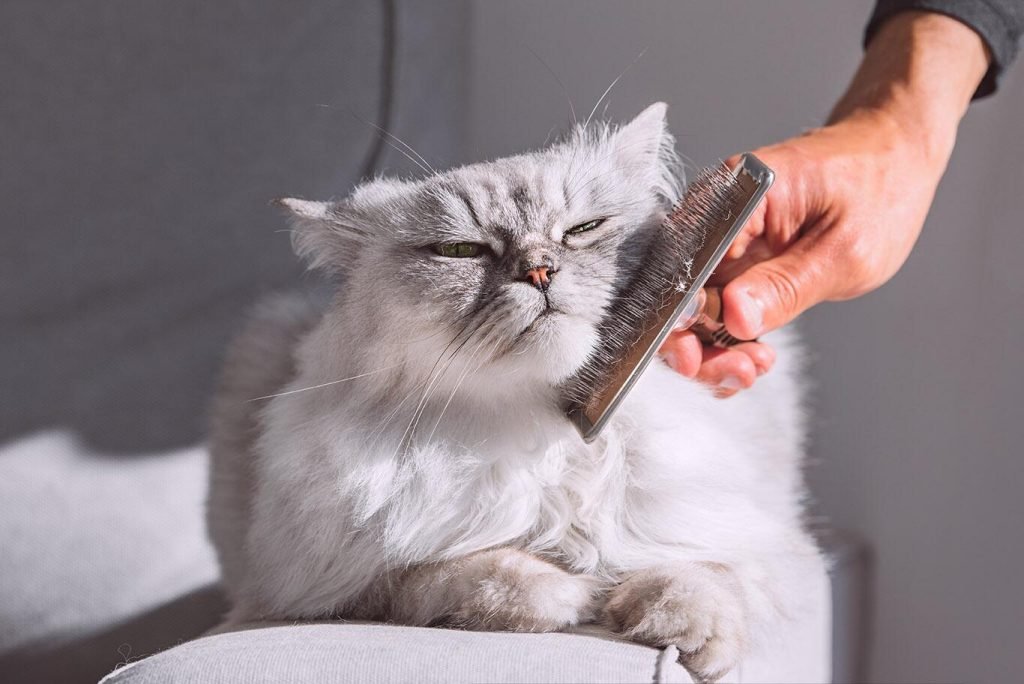
Have you ever wondered if your cat really needs grooming? You might think cats take care of themselves, but there’s more to it than just licking fur.
Grooming can keep your cat healthy, happy, and comfortable. If you want to avoid messy fur, reduce shedding, and prevent health problems, understanding the importance of grooming is key. Keep reading to discover why grooming matters for your cat and how it can make a big difference in their life—and yours.
Benefits Of Grooming Cats
Grooming cats offers many benefits that improve their health and happiness. Regular brushing and cleaning keep cats comfortable and clean. It also helps owners bond with their pets. Grooming supports overall well-being and prevents common problems.
Improving Coat Health
Brushing removes dirt and dead fur from the cat’s coat. This helps the fur stay shiny and soft. Grooming spreads natural oils across the skin, which keeps the coat healthy. It also prevents mats and tangles that can hurt the cat.
Reducing Shedding
Grooming reduces the amount of loose fur in the home. It collects fur that would otherwise fall off on furniture and clothes. Regular brushing helps control shedding and keeps the environment cleaner. This is especially helpful during seasonal changes.
Preventing Hairballs
Cats swallow fur while grooming themselves. Too much fur in the stomach causes hairballs. Regular brushing removes loose fur before cats can eat it. This reduces hairball formation and related digestive problems.
Detecting Health Issues Early
Grooming allows owners to check their cats closely. It helps find lumps, bumps, or skin problems early. Owners can spot fleas, ticks, or wounds before they get worse. Early detection leads to faster treatment and better health.
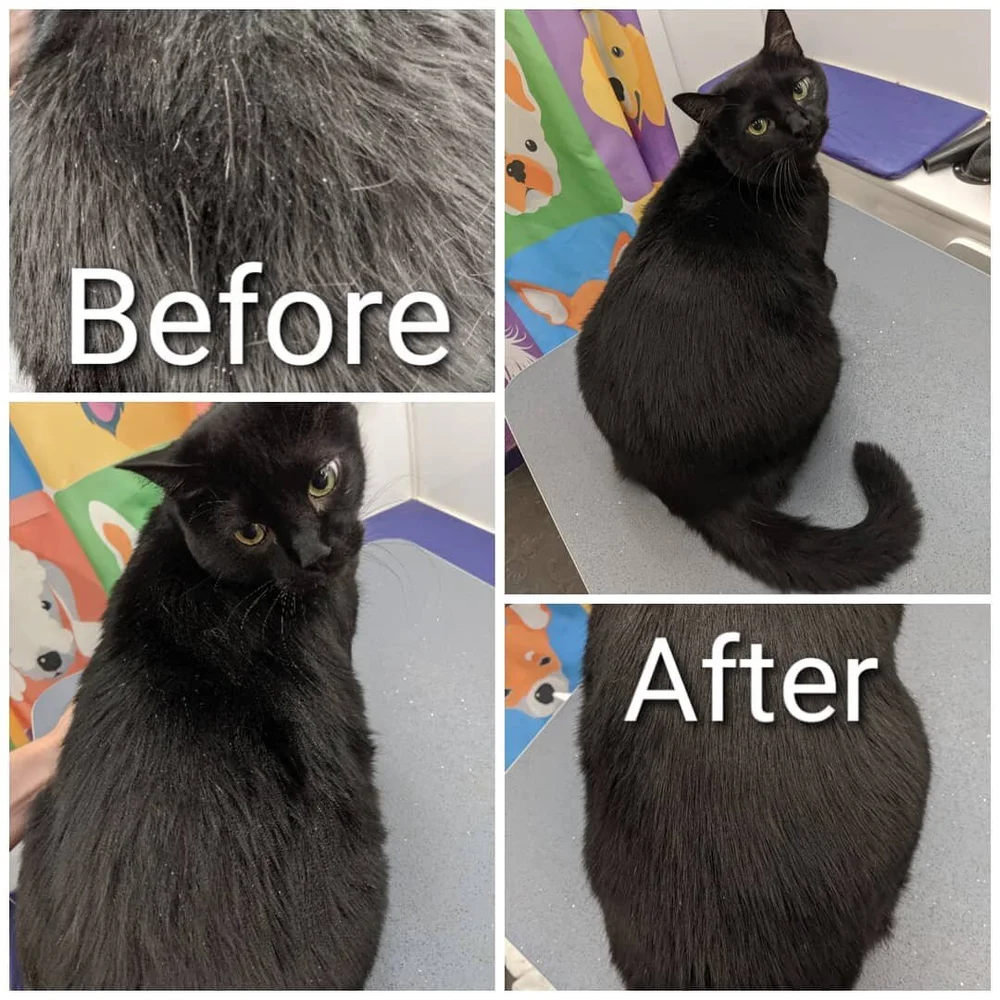
Credit: www.squeakycleangrooming.com
Types Of Cat Grooming
Understanding the different types of cat grooming can help you keep your feline friend healthy and happy. Grooming is more than just making your cat look good—it supports their overall well-being. Each grooming task has a unique role, and mastering them can strengthen the bond between you and your cat.
Brushing Techniques
Brushing your cat removes loose fur, dirt, and prevents matting. Use a brush suited for your cat’s coat type—slicker brushes work well for long-haired cats, while rubber brushes suit short-haired ones. Start gently at the head and move toward the tail, paying attention to sensitive areas like the belly.
Try brushing in short sessions if your cat is nervous. Notice how your cat reacts and adjust the pressure or speed accordingly. Have you ever seen a cat suddenly enjoy brushing once you find the right rhythm?
Bathing Your Cat
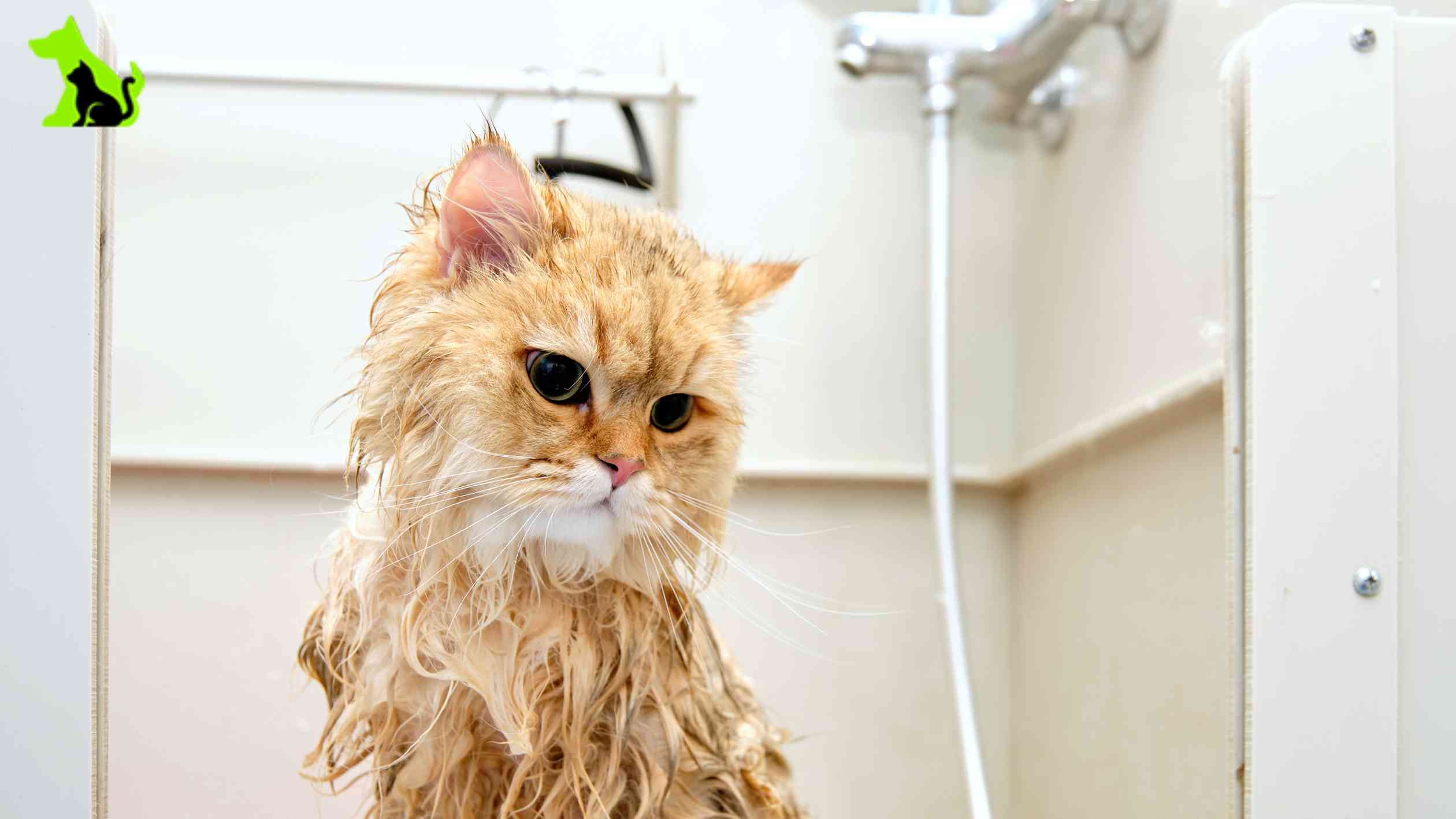
Bathing isn’t always necessary, but some cats benefit from occasional baths, especially if they get into something sticky or dirty. Use warm water and a cat-specific shampoo to avoid skin irritation. Keep the bath short and calm, speaking softly to reassure your cat.
Many cats dislike water, but slow introduction can make a difference. Have you tried using a damp cloth for spot cleaning if your cat refuses a full bath? This can be a gentler alternative to keep them fresh.
Nail Trimming
Regular nail trimming prevents your cat from scratching furniture or hurting themselves. Use a small, sharp nail clipper designed for pets, and cut only the sharp tip to avoid hitting the quick—the pink area inside the nail. If you see it, stop immediately to prevent pain and bleeding.
Some cats tolerate nail trims better if you touch their paws often outside of grooming time. Have you noticed how your cat’s comfort with nail trimming improves after a few gentle practice sessions?
Ear And Eye Care
Cleaning your cat’s ears and eyes helps prevent infections and discomfort. Use a soft, damp cloth or cotton ball to wipe away dirt and discharge gently. Avoid inserting anything deep into the ear canal.
If you spot redness, swelling, or a strong smell, consult your vet. How often do you check these areas during your grooming routine? Regular attention here can catch problems early.
Grooming Frequency
Grooming frequency varies for cats based on their age and coat type. Regular grooming keeps cats healthy and comfortable. It helps remove loose fur, dirt, and prevents matting. Establishing a grooming routine benefits both the cat and owner. Understanding how often to groom supports your cat’s well-being.
Short-haired Cats
Short-haired cats need less grooming than long-haired cats. Brushing once a week usually works well. This removes loose hair and reduces shedding. Bathing is rarely needed unless the cat gets dirty. Short-haired cats often groom themselves effectively.
Long-haired Cats
Long-haired cats require more frequent grooming to prevent tangles. Daily brushing helps stop mats and hairballs. Long fur traps dirt and debris easily. Regular grooming keeps the coat shiny and healthy. Some long-haired cats may need professional grooming occasionally.
Senior Cats
Senior cats may groom less due to arthritis or illness. They need gentle grooming more often to stay clean. Brushing two or three times a week helps remove dead hair. Senior cats appreciate soft brushes and calm handling. Regular grooming supports skin health and comfort.
Kittens
Kittens benefit from early grooming routines. Start brushing them gently a few times a week. This helps them get used to the process. Kittens with long fur may need more frequent grooming. Early grooming builds a positive habit for life.
Tools For Grooming
Grooming cats needs the right tools. Proper tools make grooming easier and safer for your cat. They help keep your cat’s coat clean and healthy. Grooming tools also reduce hairballs and matting. Choosing the right tools helps your cat stay comfortable and stress-free.
Choosing The Right Brush
Different brushes suit different coat types. Short-haired cats do well with a soft-bristle brush. Long-haired cats need a slicker brush to remove tangles. A bristle brush can help spread natural oils. Use a comb to check for mats and fleas. Always choose a brush with gentle bristles to avoid hurting your cat.
Using Nail Clippers Safely
Trim your cat’s nails carefully to avoid injury. Use clippers designed for pets, not human nails. Hold the paw firmly but gently. Cut only the sharp tip, avoiding the pink quick inside. If you see the quick, stop trimming. Regular trims prevent scratching and keep nails healthy.
Shampoos And Conditioners
Use shampoos made for cats only. Human shampoos can irritate a cat’s skin. Choose gentle, hypoallergenic formulas for sensitive skin. Conditioners help keep the coat soft and reduce tangles. Rinse well to remove all shampoo and conditioner. Never bathe a cat too often; it dries their skin.
Grooming Gloves And Combs
Grooming gloves offer a gentle way to remove loose fur. They feel like petting, so cats usually enjoy them. Combs help remove small mats and dirt. Use wide-tooth combs for thick fur and fine-tooth combs for delicate areas. These tools improve grooming without stressing your cat.
Handling Grooming Challenges
Grooming your cat can sometimes feel like a tricky task, especially when unexpected challenges pop up. Handling these issues with patience and the right approach can make grooming a smoother experience for both you and your feline friend. Let’s look at some common challenges and how you can manage them effectively.
Dealing With Anxious Cats
Many cats feel nervous during grooming sessions. Their anxious behavior can include squirming, hiding, or even gentle biting. You can help by creating a calm environment—soft voices and slow movements work wonders.
Try breaking grooming into shorter sessions. A few minutes at a time is better than forcing a long session that stresses your cat. Offering treats during and after grooming can also build positive associations.
Have you noticed how your cat reacts to different types of brushes? Some cats prefer soft bristles, while others like rubber grooming gloves. Experiment to find what comforts your cat the most.
Managing Matted Fur
Matted fur is uncomfortable for cats and can lead to skin problems. Gently working through mats with a detangling comb helps, but never pull hard—it hurts and makes your cat resist future grooming.
If mats are severe, try trimming them carefully with rounded-tip scissors or seek professional help. Regular brushing prevents mats from forming in the first place, especially for long-haired breeds.
Think about your cat’s daily routine: do they get enough brushing? Adding just five minutes of daily brushing can prevent painful mats and save you from stressful grooming battles.
Avoiding Common Grooming Mistakes
One common mistake is rushing the process. Cats are sensitive, so patience is key. Rushing can lead to scratches or broken trust between you and your pet.
Another frequent error is using the wrong tools. Using human brushes or dull clippers can harm your cat’s skin. Invest in cat-specific grooming tools designed for their delicate coats.
Have you ever skipped grooming because your cat seemed “fine”? Skipping regular care may seem harmless, but it can cause unseen skin issues or discomfort. Consistency is more important than duration.
Credit: hellopetsinc.com
When To Seek Professional Grooming
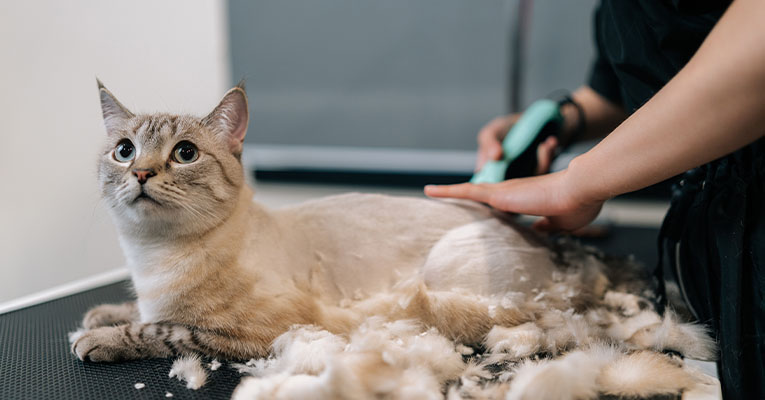
Knowing when to seek professional grooming for your cat helps keep them healthy and happy. Some cats need more care than simple brushing at home. Experts can handle tricky grooming tasks safely and comfortably. Recognizing signs that your cat needs expert care is important. Understanding the benefits and costs helps you make smart grooming choices.
Signs Your Cat Needs Expert Care
- Mattes or tangles that you cannot remove
- Overgrown nails causing discomfort or injury
- Excessive shedding or skin irritation
- Difficulty cleaning hard-to-reach areas
- Unusual odor or dirt build-up on fur
- Health conditions requiring special grooming
- Fear or stress during home grooming attempts
Benefits Of Professional Groomers
- Safe handling of nervous or aggressive cats
- Use of specialized tools for thorough cleaning
- Expert nail trimming without causing pain
- Removal of mats without hurting the skin
- Early detection of skin problems or parasites
- Stress-free experience for both cat and owner
Cost And Frequency Of Professional Grooming
Professional grooming costs vary by location and services. Basic grooming may cost less than full grooming sessions. Expect to pay more for extra services like de-matting or flea treatments.
Frequency depends on breed, coat type, and lifestyle. Long-haired cats may need grooming every 4 to 6 weeks. Short-haired cats might require fewer visits, about every 8 to 12 weeks. Regular grooming keeps your cat comfortable and healthy.
Credit: www.zoomzoomgroom.com
Frequently Asked Questions
Why Is Grooming Important For Cats?
Grooming helps remove dirt, loose fur, and prevents matting. It reduces hairballs and keeps skin healthy. Regular grooming also strengthens your bond with your cat.
How Often Should Cats Be Groomed?
Most cats benefit from weekly grooming. Long-haired cats may need daily brushing. Adjust frequency based on your cat’s coat type and shedding level.
Can Grooming Improve A Cat’s Health?
Yes, grooming helps detect parasites, skin issues, and injuries early. It also promotes better circulation and reduces stress, contributing to overall health.
Is Professional Grooming Necessary For Cats?
Professional grooming is helpful for cats with thick or matted fur. It ensures thorough care and can address specific grooming challenges safely.
Conclusion
Cats enjoy grooming, and it helps keep them healthy. Regular brushing stops mats and reduces hairballs. Grooming also lets you check for skin problems or bugs. It can strengthen the bond between you and your cat. Some cats need more grooming than others, based on their fur type.
Simple grooming routines make cats feel comfortable and clean. So, grooming is a good habit for every cat owner to start. It keeps cats happy and looking their best.
