

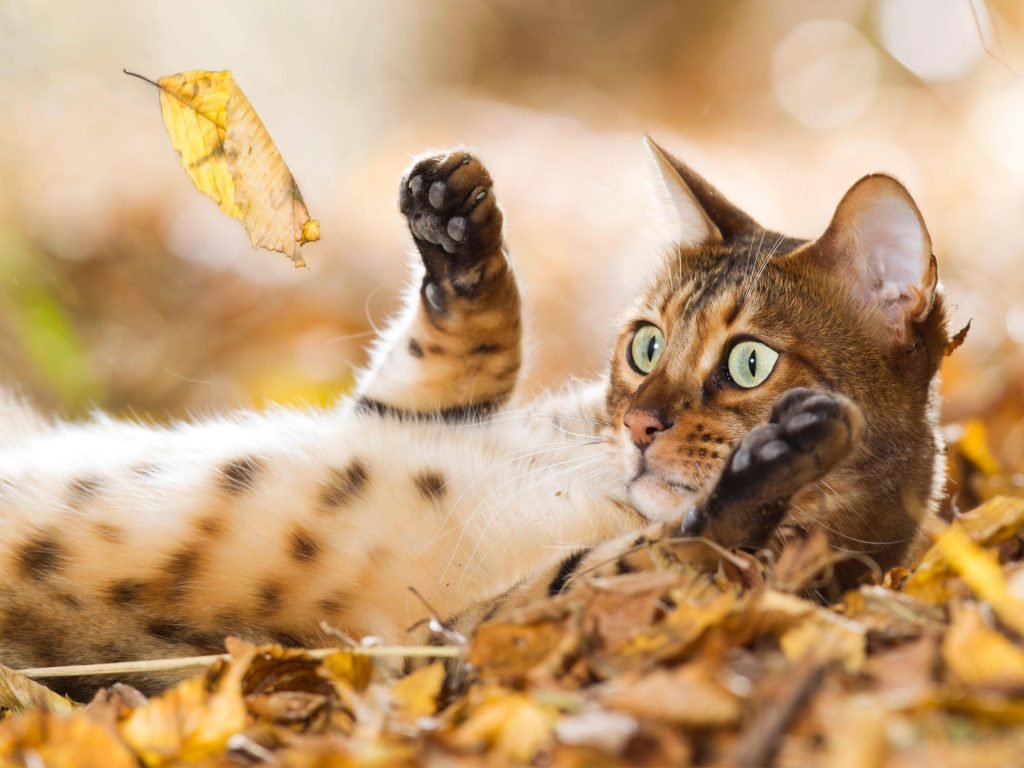
Are you looking for a cat that stands out from the crowd? A feline friend with personality, charm, and a cool factor all its own?
You’re in the right place. Discovering the coolest cat breeds can help you find a pet that matches your style and energy perfectly. Whether you want a playful companion, a calm lap cat, or something truly unique, this guide will open your eyes to breeds you might never have considered.
Keep reading, and you’ll soon know which cool cat breed is meant just for you.
Rare Cat Breeds
Rare cat breeds fascinate many cat lovers. Their unique looks and behaviors make them special. These cats are not common in most homes. They often have unusual features and interesting histories. Owning a rare breed cat can be a rewarding experience. These cats often require special care and attention. Understanding their traits helps to appreciate their uniqueness.
Characteristics Of Rare Cats
Rare cats often have distinct physical traits. Some may have unusual fur patterns or colors. Others have unique body shapes or eye colors. Many rare breeds have special personalities too. They can be playful, shy, or very affectionate. These cats may need specific diets or grooming. They often adapt well to indoor living. Their rarity sometimes means they are more sensitive to stress.
Popular Rare Breeds
- Singapura:Small size, large eyes, and a gentle nature.
- Kurilian Bobtail:Short tail and strong hunting skills.
- LaPerm:Curly fur and friendly personality.
- Peterbald:Hairless or with a light coat, very social.
- Chausie:Wild look with a domestic cat temperament.
Adorable Small Cats
Small cats bring charm and joy in a compact size. They fit well in any living space. Their playful and gentle nature makes them perfect companions. Many people prefer small breeds for their easy care and lively personality.
These cats often require less space and food. They adapt quickly to indoor life. Their size makes handling and grooming easier. Ideal for families, singles, and seniors alike.
Traits Of Small Cat Breeds
- Lightweight and compact body structure
- Active and playful behavior
- Short to medium fur length
- Low to moderate grooming needs
- Friendly and social with humans
- High curiosity and intelligence
- Generally lower food intake
Best Small Cats For Apartments
| Breed | Size | Temperament | Grooming |
|---|---|---|---|
| Singapura | Very small | Playful, affectionate | Low |
| Munchkin | Small, short legs | Friendly, energetic | Low |
| Devon Rex | Small | Curious, social | Moderate |
| American Curl | Small to medium | Gentle, playful | Low to moderate |
Cats With Unique Features
Cats with unique features stand out in any crowd. Their distinct looks often attract attention and admiration. These special traits make them fascinating pets and companions. Let’s explore some of the coolest and rarest features found in certain cat breeds.
Unusual Fur Patterns
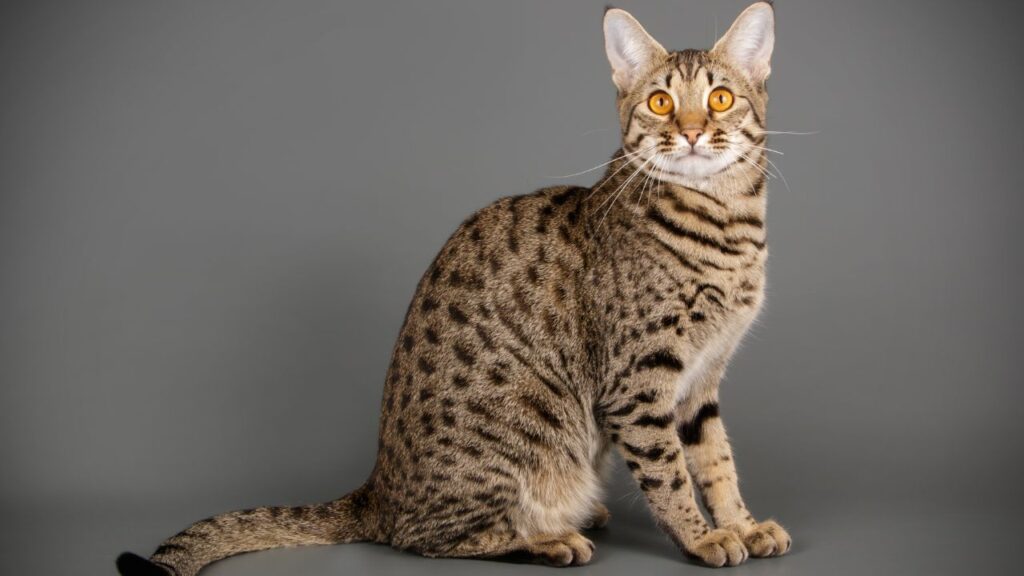
Fur patterns can be a cat’s signature look. Some cats have stripes like a tiger. Others have spots like a leopard. There are also cats with patchy or marbled coats. These patterns create a striking visual effect. They often hint at the cat’s breed or heritage.
- Bengal cats have spotted or marbled coats that resemble wild cats.
- Snowshoe cats show a mix of white and colored fur in unique shapes.
- Calico cats have patches of orange, black, and white fur in random patterns.
Distinctive Eye Colors
Eye color in cats is more than just beautiful. Some cats have eyes of different colors. This rare trait is called heterochromia. Others have very bright or unusual eye shades. Blue, green, gold, and copper are common, but some cats display unique mixes.
- Turkish Van cats often have one blue and one amber eye.
- Siamese cats have striking blue almond-shaped eyes.
- Ojos Azules cats feature deep blue eyes regardless of coat color.
Rare Physical Traits
Some cats possess physical traits that are quite rare. These traits might be unusual ears, tails, or body shapes. Such features can make a cat appear otherworldly or exotic. They often come from selective breeding or genetic mutations.
- Scottish Fold cats have folded ears that give them a unique look.
- Manx cats are tailless or have very short tails.
- Devon Rex cats have curly fur and large ears.
Credit: worldanimalfoundation.org
Playful And Friendly Cats
Playful and friendly cats bring joy and warmth to any home. Their lively antics and affectionate nature make them perfect companions for families, singles, and seniors alike. Understanding which breeds tend to be more sociable and interactive can help you find a feline friend that matches your lifestyle and personality.
Breeds Known For Sociability
Some cat breeds naturally seek human interaction and thrive on social connections. The Ragdollis famous for its gentle and loving demeanor, often following owners from room to room. Similarly, the Siamesecat is vocal and craves attention, making it a great choice if you want a chatty companion.
The Maine Coonis another breed known for its friendly nature, often described as a “gentle giant.” These cats enjoy being part of family activities and are patient with children. If you have a busy household, a sociable breed like this can adapt well and add to the home’s lively spirit.
Interactive Cat Personalities
Playful cats aren’t just entertaining; they also keep your mind sharp and your days brighter. Breeds like the Bengalare highly energetic and love interactive toys that challenge their intelligence. These cats often enjoy games that mimic hunting, such as chasing laser pointers or puzzle feeders.
Have you noticed how some cats seem to understand your moods and respond accordingly? The Scottish Foldis known for being emotionally in tune with their owners. They often seek physical closeness and respond well to gentle play, making them ideal for those who want a more connected pet experience.
What kind of playful behavior do you find most rewarding in a cat? Consider how much time you can spend engaging with your pet daily. Choosing a breed with an interactive personality can transform your relationship, turning simple playtime into a meaningful bond.
Hypoallergenic Cat Breeds
Choosing a hypoallergenic cat breed can make a huge difference if you or someone in your home struggles with allergies. These breeds tend to produce fewer allergens or shed less fur, which helps reduce allergic reactions. But what exactly makes a cat hypoallergenic, and which breeds fit this category?
Low-shedding Cats
Shedding is a big factor in allergies because loose fur carries allergens around your home. Cats that shed less often spread fewer allergens, making them easier to live with for allergy sufferers.
- Balinese:Often called the “long-haired Siamese,” Balinese cats have a silky coat that sheds minimally.
- Russian Blue:Their dense double coat traps allergens close to their skin, reducing airborne particles.
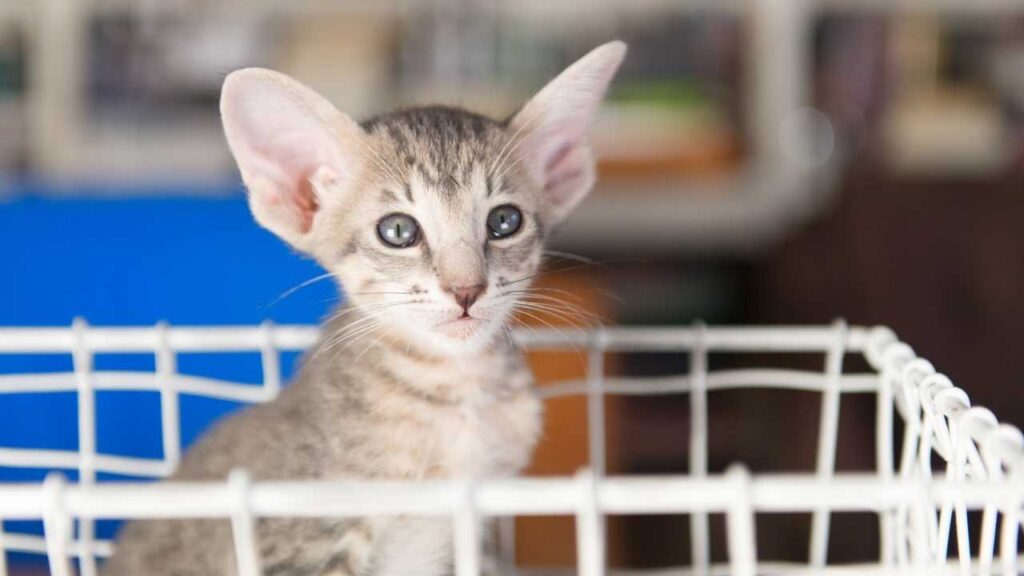
- Oriental Shorthair:With their short, fine coat, they shed less and need less grooming.
Would you believe a cat’s grooming habits also affect shedding? Some low-shedding breeds groom themselves frequently, which helps keep loose fur to a minimum. This means less cleaning for you and a happier, cleaner home.
Best Breeds For Allergy Sufferers
Allergens come mainly from a protein in cat saliva and skin oils, not just fur. Some breeds produce less of this protein, making them better for people with allergies.
- Siberian:Known for lower levels of the Fel d 1 protein, which causes most allergic reactions.
- Devon Rex:Their unique curly coat traps allergens close to their skin.
- LaPerm:Their curly hair sheds less and may trigger fewer allergies.
Have you noticed how some cats seem to trigger your allergies less? Paying attention to breed traits can help you pick a pet that fits your lifestyle without constant sneezing or itchy eyes.
Credit: www.petsradar.com
Care Tips For Unique Cats
Unique cat breeds often come with special needs that go beyond basic care. Understanding these needs helps you build a stronger bond and keep your feline friend happy and healthy. Let’s dive into some practical tips for caring for these one-of-a-kind companions.
Grooming Needs
Some unique cats have unusual coat types that demand extra attention. For example, the Sphynx cat has little to no fur, which means you need to clean their skin regularly to avoid oil buildup and skin infections.
Long-haired breeds like the Maine Coon require daily brushing to prevent mats and tangles. Have you noticed how your cat reacts to grooming? Tailor your routine to what keeps them comfortable.
- Use gentle brushes designed for your cat’s coat type.
- Check ears and eyes for cleanliness during grooming sessions.
- Trim nails carefully to avoid overgrowth and scratching injuries.
Diet And Nutrition
Unique cat breeds often have specific dietary needs linked to their genetics or activity levels. For instance, Abyssinians are highly active and may need more protein to fuel their energy.
Pay attention to food ingredients—grain-free or hypoallergenic diets might benefit sensitive breeds. Are you monitoring your cat’s weight and energy to adjust portions accordingly?
- Choose high-quality cat food rich in animal-based proteins.
- Offer fresh water constantly to keep hydration levels up.
- Consult your vet about supplements if your breed has known deficiencies.
Health Considerations
Certain breeds are predisposed to specific health issues. For example, the Scottish Fold is prone to cartilage problems affecting its ears and joints.
Regular vet visits are vital to catch early signs of breed-related conditions. Do you keep a health journal for your cat to track changes or symptoms over time?
- Schedule routine check-ups focusing on breed-specific concerns.
- Watch for unusual behavior or physical changes.
- Maintain vaccinations and parasite prevention on schedule.
Adopting Unique Cats
Adopting unique cats brings joy and a special bond. These cats often have rare traits or appearances. They make your home lively and interesting. Caring for a unique cat requires some thought and preparation. Understanding the adoption process helps you choose the right cat. This section guides you through adopting one of these special companions.
Finding Reputable Breeders
Start by researching breeders with a good reputation. Check reviews and ask for references. A reputable breeder cares about the cat’s health and temperament. Visit the breeder’s facility to see the cats’ living conditions. Ask about the cat’s medical history and vaccinations. Avoid breeders who do not provide clear information. Trust your instincts about the breeder’s honesty and care.
Adoption Vs. Purchase
Adoption saves a cat in need and reduces shelter overcrowding. Purchase often involves specific breeds with unique traits. Adoption may offer mixed breeds with wonderful personalities. Consider the costs: adoption fees are usually lower than buying. Both options require commitment and care. Choose based on your lifestyle and what fits your home. Remember, every cat deserves a loving family.
Preparing Your Home
Create a safe space for your new cat to explore. Remove hazards like small objects and toxic plants. Provide essentials: food, water, litter box, and comfortable bedding. Set up scratching posts and toys to keep your cat active. Give your cat time to adjust to the new environment. Keep other pets away at first to avoid stress. Patience helps your unique cat feel secure and loved.
Credit: worldanimalfoundation.org
Frequently Asked Questions
What Are The Most Popular Cool Cat Breeds?
Popular cool cat breeds include Maine Coon, Bengal, Siamese, Scottish Fold, and Sphynx. They stand out for their unique looks and friendly nature.
How Do Cool Cat Breeds Differ In Temperament?
Cool cat breeds vary in temperament; some are playful, others are calm. For example, Bengals are energetic, while Ragdolls are gentle and relaxed.
Are Cool Cat Breeds Hypoallergenic?
Some cool cat breeds, like the Sphynx and Siberian, are hypoallergenic. They produce fewer allergens, making them better for allergy sufferers.
What Grooming Needs Do Cool Cat Breeds Have?
Grooming needs vary; long-haired breeds like Maine Coons require regular brushing. Short-haired cats like the Siamese need less frequent grooming.
Conclusion
Exploring cool cat breeds can be a fun journey. Each breed has unique traits. From playful Siamese to fluffy Maine Coons, choices abound. Cats fit in well with families or single owners. Their companionship is unmatched. Picking the right breed enhances life’s joy.
Consider their personality and care needs. Love and affection go a long way. Whether active or calm, a perfect cat awaits. Start your search today. Discover a new furry friend. Enjoy the warmth and comfort they bring. Cats are truly wonderful companions.
