

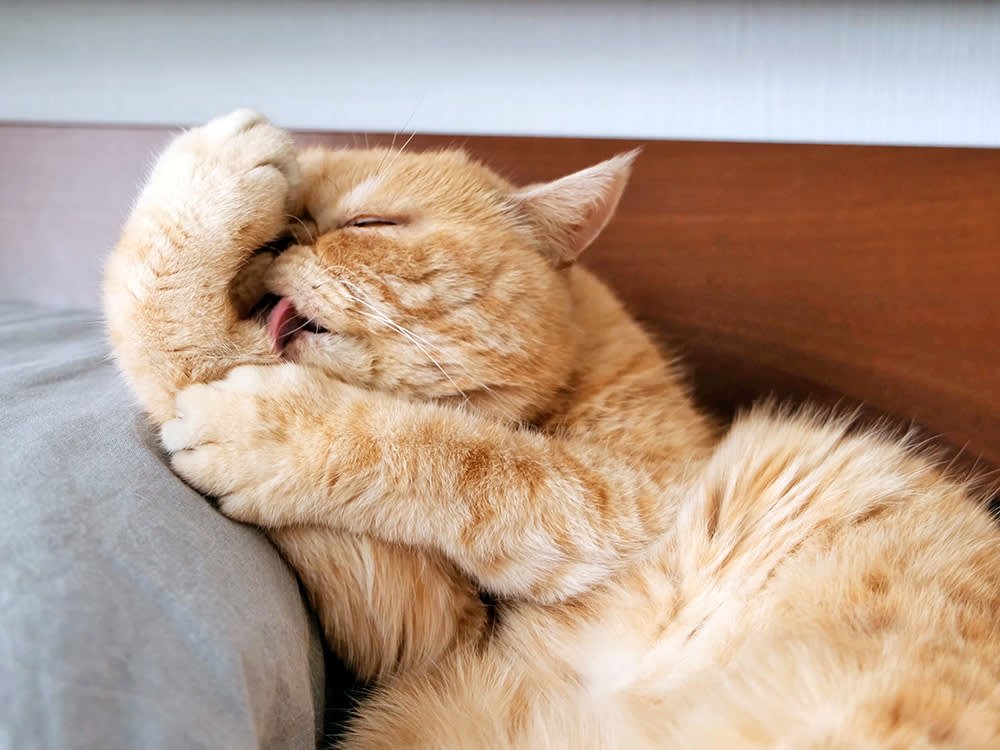
Have you ever watched your cat carefully grooming, only to notice it biting itself? It might seem strange or even worrying.
You might wonder, “Is my cat in pain? Is this normal behavior? ” Understanding why cats bite themselves when grooming can help you better care for your furry friend. You’ll discover the surprising reasons behind this common habit and learn what signs to watch for.
Keep reading to uncover what your cat is really trying to tell you.
Cat Grooming Basics
Cats spend a good part of their day grooming. This behavior keeps them clean and healthy. Understanding the basics of cat grooming helps explain why cats bite themselves while grooming. It is a natural and important activity for cats.
Purpose Of Grooming
Grooming helps cats remove dirt and loose fur. It also controls parasites like fleas. Grooming cools the cat on hot days. It spreads natural oils for a shiny coat. Cats also groom to relax and reduce stress.
Typical Grooming Behavior
Cats use their tongues and teeth to groom. Their rough tongues act like a brush. They lick themselves in a careful, repetitive way. Biting helps remove tangles and stuck debris. Grooming often focuses on hard-to-reach areas like behind ears and under legs.

Credit: www.reddit.com
Reasons Behind Self-biting
Cats biting themselves during grooming is a common behavior with several reasons behind it. Understanding these reasons helps pet owners know when this act is normal or a sign of a problem. Cats use their mouths and teeth to clean hard-to-reach areas and remove loose fur. Sometimes, biting can indicate discomfort or health issues. Exploring the main reasons clarifies why cats bite themselves and what to watch for.
Normal Grooming Patterns
Cats groom to stay clean and healthy. Their tongues and teeth work together to remove dirt and loose hair. Biting helps them reach places their tongues cannot clean well. Usually, this biting is gentle and controlled. It is part of their daily routine and shows no signs of pain. Self-biting in grooming keeps their coat smooth and free of mats.
Stress And Anxiety
Stress can cause cats to bite themselves more than usual. Anxiety leads to excessive grooming, sometimes turning into biting. This behavior helps cats feel calmer for a short time. However, too much biting can harm their skin. Signs of stress-related biting include bald spots or sores. Identifying stress triggers is important to help your cat feel safe.
Allergies And Skin Irritations
Allergies often cause itching and discomfort in cats. They bite themselves to relieve the irritation. Allergies may come from food, fleas, or environmental factors. Skin irritations can also result from infections or parasites. When biting is intense or causes wounds, a vet visit is necessary. Treating the cause reduces biting and helps the skin heal.
Medical Causes
Cats biting themselves during grooming can sometimes signal underlying medical issues. Understanding these medical causes is crucial for ensuring your feline friend stays healthy and comfortable. Ignoring these signs might lead to worsening problems that could affect your cat’s quality of life.
Parasites And Infections
Parasites like fleas and mites are common culprits behind excessive biting. These tiny invaders cause itching and irritation, prompting your cat to bite and scratch frequently. If you notice bald patches or scabs alongside biting, it’s a strong indicator of a parasite problem.
Infections, whether bacterial or fungal, can also make your cat bite itself. These infections might develop from open wounds or persistent scratching. If the skin looks red, swollen, or has an unusual smell, your cat may need a vet visit for proper treatment.
Underlying Health Issues
Sometimes, biting is linked to deeper health problems like allergies or hormonal imbalances. Allergies to food, pollen, or dust mites can cause intense skin discomfort, leading your cat to bite and groom excessively. Have you noticed seasonal patterns or new foods coinciding with this behavior?
Other health issues, such as hyperthyroidism or arthritis, might cause discomfort that your cat tries to soothe by biting. These conditions aren’t always obvious, so paying attention to changes in behavior or appetite is important. A vet checkup can help identify and manage these hidden causes effectively.
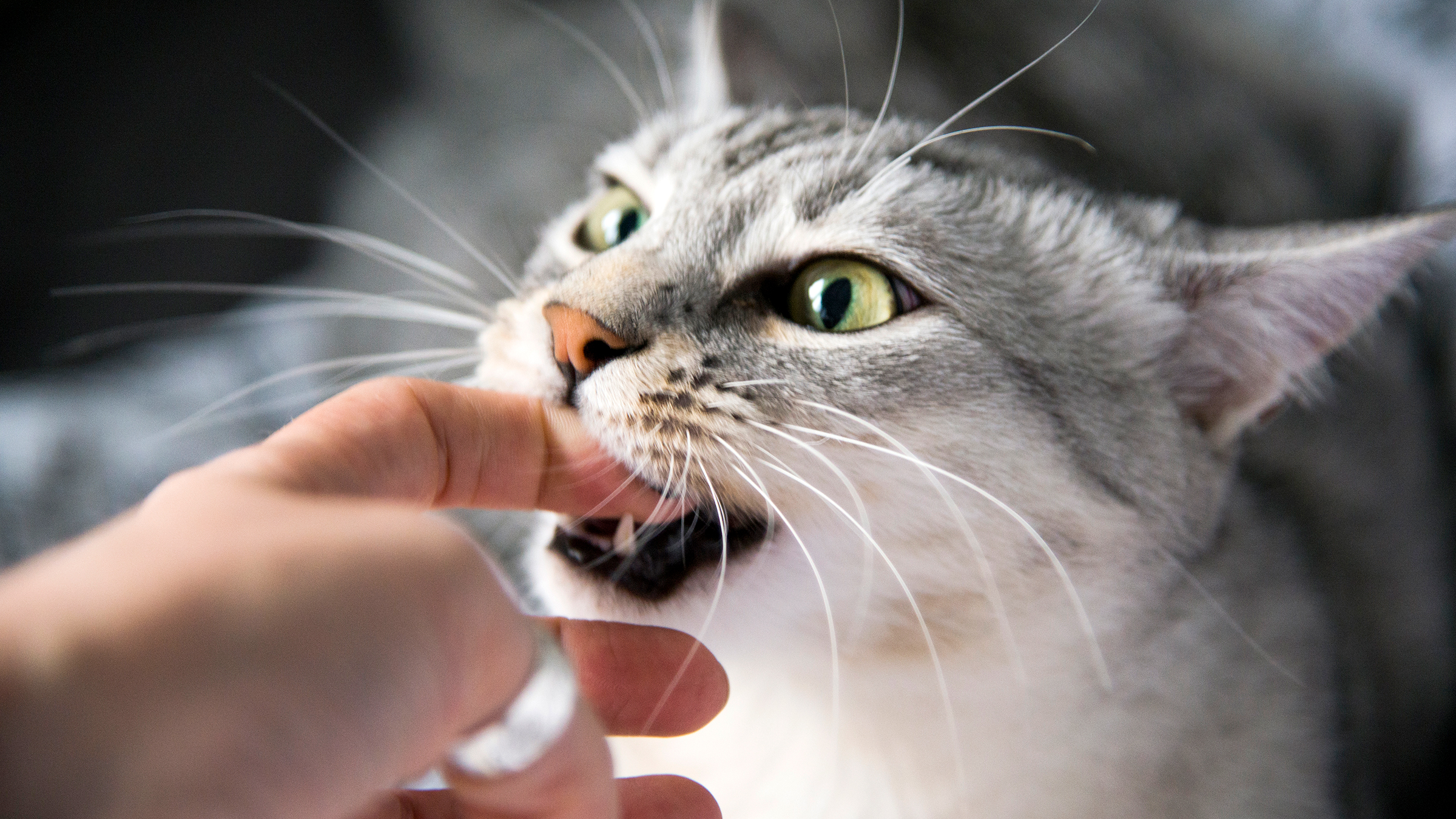
Credit: www.goodrx.com
Behavioral Factors
Behavioral factors play a big role in why cats bite themselves during grooming. Cats use grooming to clean and relax. Sometimes, this behavior changes and can cause them to bite too much. Understanding these behaviors helps in caring for your cat better.
Overgrooming As A Habit
Overgrooming happens when a cat grooms more than usual. It can turn into a habit that is hard to stop. This behavior may start from stress or discomfort. The cat bites or licks one spot repeatedly, causing skin problems.
Reasons for overgrooming include:
- Stress from changes in the home
- Fear or anxiety
- Reaction to pain or itchiness
- Compulsive behavior
Boredom And Attention Seeking
Cats may bite themselves out of boredom. Lack of play or stimulation can lead to this behavior. Biting and grooming can become ways to pass time.
Some cats bite to get attention from their owners. They learn that this behavior causes a reaction. This can make the biting worse if the owner responds strongly.
Signs Of Problematic Biting
Not all cat biting during grooming is harmless. Sometimes, it signals an underlying problem that needs your attention. Recognizing the signs early can help you prevent discomfort and health issues for your feline friend.
Skin Damage Indicators
Watch closely for wounds, redness, or scabs on your cat’s skin. These are clear signs that biting has gone beyond normal grooming. You might notice bald patches or irritated spots, especially around the neck, belly, or legs.
One cat I cared for developed raw patches from excessive biting after a stressful move. It was a wake-up call to investigate what was causing her distress. Have you ever checked your cat’s skin thoroughly after grooming sessions?
Changes In Grooming Frequency
Pay attention to how often your cat bites itself. A sudden increase or decrease in grooming can indicate issues like allergies, pain, or anxiety. If your cat starts biting obsessively or stops grooming altogether, it’s time to look deeper.
Sometimes, a cat may lick less because of dental pain or joint stiffness. Other times, stress triggers frantic biting sessions. How does your cat’s grooming routine compare to its usual behavior?
How To Help Your Cat
Helping your cat stop biting itself during grooming needs patience and care. This behavior can signal discomfort or stress. Understanding how to assist your feline friend improves their health and happiness.
Consulting A Veterinarian
A vet can check for skin problems or allergies. They may find parasites like fleas or mites. Your cat might have an infection causing pain or itching. Professional advice ensures proper treatment and relief.
Environmental Enrichment
Provide toys and scratching posts to keep your cat busy. Create safe spaces where your cat can relax and feel secure. Regular playtime helps reduce boredom and restlessness. A stimulating environment lowers chances of over-grooming.
Managing Stress And Anxiety
Stress can cause cats to bite themselves more often. Keep a calm, quiet home to ease your cat’s nerves. Use pheromone diffusers or calming sprays designed for cats. Consistent routines help your cat feel safe and less anxious.
Preventive Measures
Preventing your cat from biting itself during grooming starts with understanding the root causes. Often, this behavior signals discomfort, irritation, or underlying health issues. Taking proactive steps can keep your feline friend comfortable and happy.
Regular Health Checks
Schedule routine visits to your vet to catch skin problems or allergies early. Your cat might bite itself due to fleas, mites, or infections that you can’t see. Regular check-ups help spot these issues before they escalate.
Keep an eye out for changes in your cat’s behavior or coat condition at home. If you notice excessive scratching or hair loss, don’t wait to consult a professional. Early intervention makes a big difference.
Maintaining A Clean Environment
A clean living space reduces the chance of pests and skin irritations that cause your cat to bite itself. Wash bedding frequently and vacuum areas where your cat spends time. This simple effort lowers allergens and keeps fleas away.
Consider using pet-safe cleaning products to avoid harsh chemicals that might irritate your cat’s skin. Have you noticed your cat reacting differently after cleaning? Adjusting your routine can help your pet feel more comfortable.

Credit: www.reddit.com
Frequently Asked Questions
Why Do Cats Bite Themselves While Grooming?
Cats bite themselves to remove dirt, loose fur, and parasites. It helps keep their coat clean and healthy. This behavior is a natural part of their self-care routine.
Is Self-biting Normal In Cats?
Yes, occasional self-biting during grooming is normal. It helps cats maintain hygiene. Excessive biting might indicate irritation or health issues, so monitor your cat’s behavior.
Can Biting During Grooming Cause Harm To Cats?
Usually, self-biting does not harm cats. They have sensitive control to avoid injury. However, excessive or aggressive biting might cause skin damage and needs veterinary attention.
What Causes Cats To Bite Themselves Excessively?
Excessive biting can be due to allergies, fleas, skin infections, or stress. If your cat bites too much, consult a vet for proper diagnosis and treatment.
Conclusion
Cats bite themselves during grooming to clean and remove dirt. This behavior helps them stay healthy and comfortable. Sometimes, biting stops fleas or itchy spots. Watch for signs of over-biting, which may show stress or skin problems. Giving your cat a calm space reduces stress and biting.
Regular vet visits keep your cat’s skin and coat healthy. Understanding why cats bite themselves helps you care for them better. Keep grooming gentle and observe your cat’s behavior closely. Your cat’s comfort is key to happy, healthy grooming habits.
