

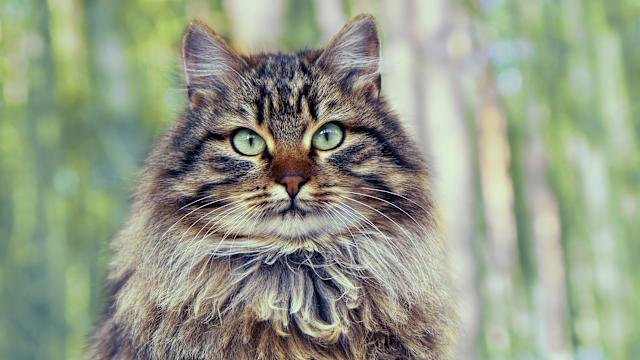
Are you fascinated by cats that carry the wild beauty of the forest right in their fur? Forest cat breeds are not just pets—they bring a touch of nature’s mystery and charm into your home.
If you want to discover which breeds capture that untamed spirit, and learn what makes each one special, this article is made for you. Keep reading to find out how these unique cats can fit into your life and why they might be the perfect companion you’ve been searching for.
Wild Origins Of Forest Cats
Forest cat breeds carry a fascinating history rooted deeply in the wild. Understanding their origins helps you appreciate their unique behaviors and physical traits. These cats didn’t just appear as pets; they evolved alongside nature, adapting to the challenges of forest life.
Natural Habitats
Forest cats originally thrived in dense woodlands, where thick trees and underbrush provided shelter and hunting grounds. These environments demanded stealth and agility, shaping their physical form and instincts. Have you ever noticed how your forest breed cat seems to navigate your home with the same grace as it would a jungle?
Evolutionary Traits
Over thousands of years, forest cats developed traits that helped them survive in the wild. Their powerful muscles and sharp retractable claws are perfect for climbing and catching prey. Their keen eyesight and acute hearing allow them to detect even the faintest movements in the shadows.
Adaptations To Forest Life
These cats adapted to blend into their surroundings with thick, camouflaged fur that protects against the cold and hides them from predators. Their flexible bodies let them slip through narrow spaces, and their tails help with balance on precarious branches. If you observe your cat’s behavior, you might spot these survival skills in action.
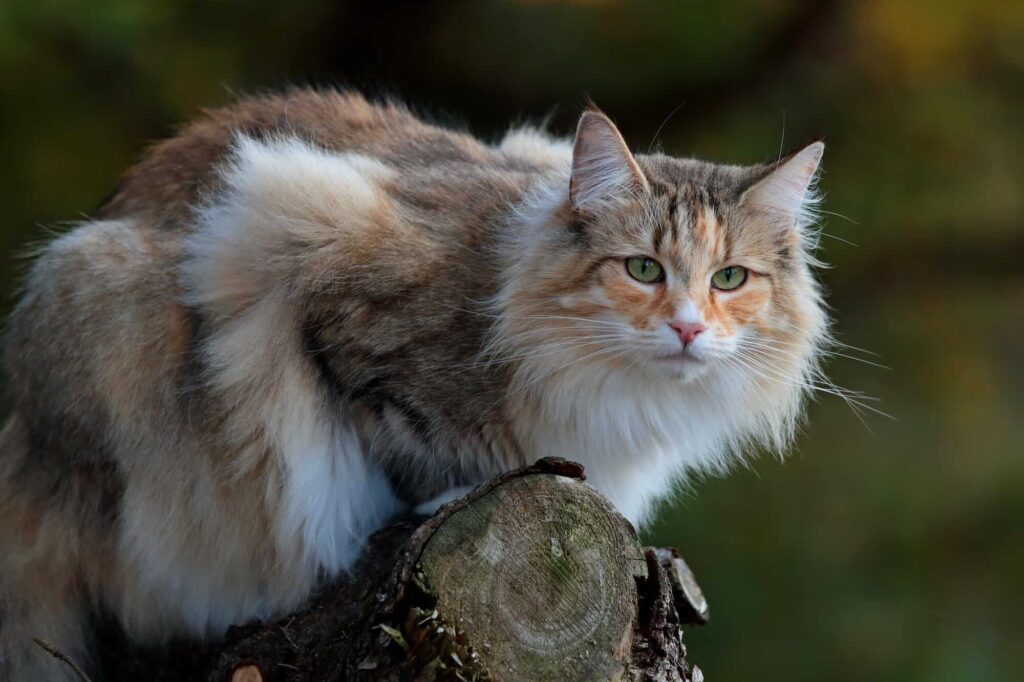
Credit: rawznaturalpetfood.com
Popular Forest Cat Breeds
Forest cat breeds are a fascinating group known for their rugged beauty and strong connection to nature. These cats often have thick coats and sturdy builds, perfect for outdoor adventures. If you’re considering adding one to your family, understanding the unique traits of popular forest cat breeds will help you find the right fit.
Norwegian Forest Cat
The Norwegian Forest Cat stands out with its long, water-resistant fur and powerful muscles. This breed loves climbing and exploring, which makes it an excellent companion if you enjoy spending time in nature. You might be surprised how affectionate and social these cats are despite their wild look.
Imagine a pet that’s both a playful climber and a gentle lap cat. Could this breed be the perfect balance for your home?
Maine Coon
Maine Coons are often called gentle giants because of their large size and sweet personality. Their thick, shaggy coat keeps them warm in cold weather, and their tufted ears add to their distinctive forest appearance. These cats are smart and playful, often enjoying games that challenge their intelligence.
Do you want a cat that’s both a loyal friend and a lively entertainer? Maine Coons might just meet your expectations.
Siberian Cat
The Siberian Cat is known for its dense triple coat that protects it from harsh climates. This breed is agile and curious, with a natural talent for hunting and problem-solving. Their affectionate nature makes them great companions, often following you around the house.
Have you thought about how a Siberian’s adaptability could fit your lifestyle?
Turkish Van
Turkish Vans are unique among forest cats because they love water and swimming. Their semi-long coat is water-resistant, which helps them stay dry. These cats are active and playful, often showing a strong personality that keeps you on your toes.
Would you enjoy a cat that surprises you with its love for water and energetic antics?
Physical Features
Forest cat breeds stand out with their unique physical features, reflecting their wild ancestry and adaptation to rugged environments. These traits not only make them visually striking but also influence their behavior and care needs. Understanding these features helps you appreciate what makes each breed special and how to best look after them.
Coat And Fur
Forest cats typically have thick, dense fur that protects them from harsh weather. Their coats often come in rich colors and patterns, like tabby stripes or spotted markings, blending well with natural surroundings.
You might notice how soft yet resilient their fur feels—it’s built to repel water and dirt. Regular grooming is essential to keep their coat healthy and avoid mats, especially during shedding seasons.
Size And Build
These cats tend to be larger and more muscular than typical house cats. Their strong build supports agile movement through forests and uneven terrain.
Have you observed how some forest breeds can jump higher or run faster? Their physical strength and endurance are remarkable, which you’ll notice during play or outdoor exploration.
Eye And Ear Characteristics
Forest cats usually have large, expressive eyes that enhance their night vision. Their eye colors range from vivid greens to golds, adding to their striking appearance.
Their ears are often wide at the base with tufts of fur at the tips. These ear tufts improve hearing and help in detecting subtle sounds, crucial for their survival instincts.
Personality And Behavior
Understanding the personality and behavior of forest cat breeds can help you decide if they fit well with your lifestyle. These cats often display unique traits that set them apart from more common domestic breeds. Getting to know how they act and interact can make your relationship with them much more rewarding.
Temperament
Forest cats usually have a calm and confident temperament. They tend to be independent but not aloof, often showing a quiet curiosity about their surroundings. You might notice they’re less prone to sudden outbursts compared to other cats, which makes them gentle companions.
One interesting point is how they handle new environments. Many forest breeds adapt quickly, but some might take time to feel comfortable. Have you observed how your cat reacts when meeting new people or animals?
Social Traits
These cats often enjoy social interactions, especially with family members. They can form strong bonds and often follow their favorite person around the house. However, their social needs can vary; some prefer a few close connections rather than large groups.
If you work from home, a forest cat might enjoy keeping you company during the day. But be mindful—they usually appreciate respect for their space and won’t tolerate constant handling. Have you noticed your cat seeking attention on its own terms?
Activity Levels
Forest cat breeds are generally active and playful, especially in the early years. They love climbing and exploring, which means providing vertical spaces like cat trees can keep them happy. Their natural agility often surprises new owners.
Keeping their minds engaged is just as important as physical activity. Puzzle toys and interactive play can prevent boredom and destructive behavior. What creative ways have you found to keep your cat entertained?
Care And Maintenance
Taking care of forest cat breeds requires attention to their unique needs. These cats are known for their lush coats, active nature, and specific health concerns. Understanding how to maintain their well-being helps you enjoy a happy, healthy companion.
Grooming Needs
Forest cats have thick fur that can tangle easily. Regular brushing, at least twice a week, keeps their coat smooth and reduces shedding. You might find that grooming time becomes a bonding moment with your cat.
Don’t forget to check for mats behind the ears and under the legs. If you notice any knots, gently detangle them with a comb. This prevents discomfort and skin problems.
Diet And Nutrition
These cats are active and need a diet rich in protein to support their energy levels. High-quality cat food with real meat as the first ingredient is best. Avoid fillers like corn or soy that add little nutritional value.
Adding wet food can help keep your cat hydrated and promote kidney health. Fresh water should always be available—have you noticed how some cats prefer running water? A cat fountain might encourage them to drink more.
Health Considerations
Forest cat breeds can be prone to certain genetic conditions, like hypertrophic cardiomyopathy (HCM) and hip dysplasia. Regular vet check-ups are crucial to catch these early. Ask your vet about screening tests that fit your cat’s breed.
Also, watch for signs of allergies or skin irritation, which can occur if their grooming isn’t consistent. Have you ever seen a cat scratch more than usual? It could be a sign to revisit their care routine.
Choosing The Right Forest Cat
Choosing the right forest cat means thinking carefully about how their needs match your daily life. These majestic breeds bring unique traits and care demands that can either enrich your home or become a challenge if not well matched. Understanding what fits your lifestyle ensures a happy life for both you and your feline friend.
Lifestyle Compatibility
Forest cats are often active and curious, thriving in environments where they get plenty of attention and mental stimulation. If you enjoy interactive play and have time to engage with your pet daily, these cats will flourish. Consider how much time you spend at home—do you travel often or work long hours? Matching your availability with a cat’s social needs prevents loneliness and behavioral issues.
Space Requirements
These cats usually appreciate room to explore and climb. If you live in a small apartment, you might need to create vertical spaces with cat trees or shelves to keep them entertained. Larger homes with safe outdoor access offer natural enrichment, but indoor setups can work well too. Think about how much space you can dedicate to your cat’s playground and resting areas to keep them happy and healthy.
Allergy Concerns
Some forest cat breeds shed less, but none are truly hypoallergenic. If you or someone in your home has allergies, spend time around the breed before adopting. Regular grooming can reduce allergens, and using air purifiers helps too. Ask yourself: are you prepared to manage potential allergy issues so everyone in your home stays comfortable?
Myths And Facts
Forest cat breeds carry a lot of mystery and charm, but not everything you hear about them is true. Separating myths from facts helps you understand these fascinating felines better and care for them properly. Let’s look closer at some common misconceptions and surprising truths about forest cats.
Common Misconceptions
Many people think forest cats are wild or untamable because of their natural appearance. This isn’t true; most forest breeds are friendly and enjoy human company once they feel safe. Their wild look comes from their ancestors and adaptation to forest environments, not from being aggressive.
Another myth is that forest cats require special diets or care beyond regular cat needs. While they do enjoy active play and climbing, their food and grooming needs are similar to other cats. You don’t need to buy exotic or expensive products just because your cat looks like a forest dweller.
Some believe forest cats are hard to train. Actually, many are quite intelligent and respond well to positive reinforcement. Training your cat to use a scratching post or come when called is possible with patience and treats.
Interesting Trivia
- Did you know the Norwegian Forest Cat can survive freezing winters by growing a thick, water-resistant coat? This unique fur protects them from harsh weather, making them excellent outdoor explorers.
- The Maine Coon, another forest breed, is known as the “gentle giant” because of its large size and calm personality. Many owners say their Maine Coons behave more like dogs, following them around and playing fetch.
- Forest cats have a strong hunting instinct, but many happily adapt to indoor life. Their love for climbing and exploring means you can keep them entertained with tall cat trees and puzzle toys.
Have you noticed how your forest breed cat reacts to new environments or toys? Observing these behaviors can reveal a lot about their unique instincts and personality. What’s one surprising thing you’ve learned about your forest cat?
Credit: medium.com

Credit: medium.com
Frequently Asked Questions
What Are The Most Popular Forest Cat Breeds?
Popular forest cat breeds include the Norwegian Forest Cat, Maine Coon, and Siberian Cat. These breeds are known for their thick fur and strong build, adapted to cold forest environments. They are friendly, intelligent, and make excellent pets for families.
How Do Forest Cat Breeds Adapt To Cold Climates?
Forest cats have dense, water-resistant fur and bushy tails that provide warmth. Their large paws help them walk on snow easily. These adaptations protect them from harsh weather and enable them to thrive in cold forest regions.
Are Forest Cat Breeds Good For Indoor Living?
Yes, forest cat breeds adapt well to indoor living if given enough space and stimulation. They enjoy climbing and playing, so cat trees and interactive toys are beneficial. Regular grooming helps manage their thick coats indoors.
Do Forest Cat Breeds Require Special Grooming?
Yes, forest cats need regular grooming to prevent matting. Their thick double coats shed seasonally and require brushing several times a week. Grooming also helps reduce hairballs and keeps their fur healthy and clean.
Conclusion
Forest cat breeds show nature’s beauty in many forms. Each breed has its own charm and traits. They make great pets for those who love calm, gentle companions. Their wild looks bring a touch of the forest indoors. Caring for these cats is rewarding and fun.
Choosing a forest breed means enjoying a unique, loving friend. Explore their world to find the perfect match for you. Their quiet strength and soft fur create lasting bonds. Forest cats are special, blending wildness with warmth.
