

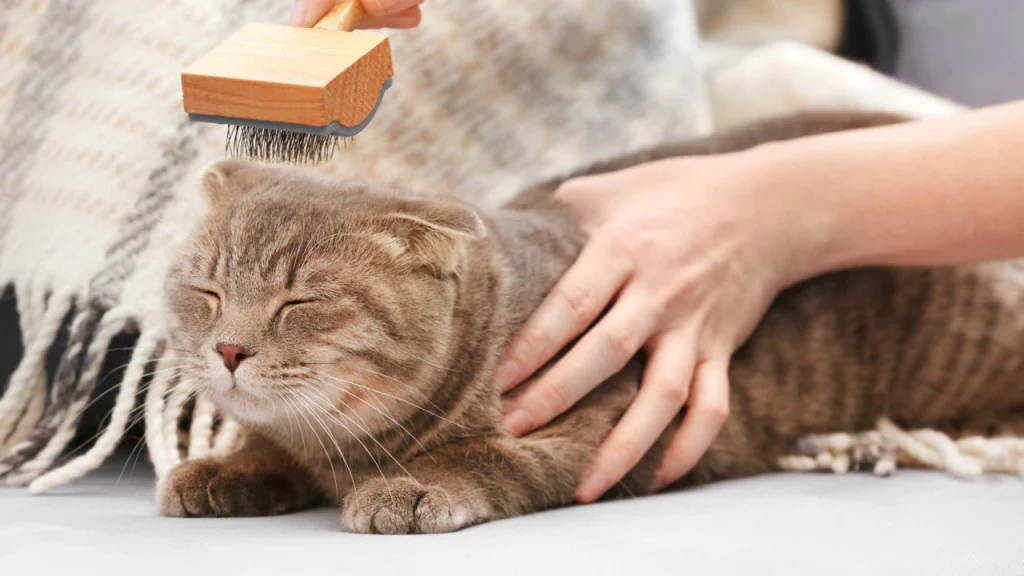
Grooming your cat might seem like a simple task, but it’s more important than you think. When you take the time to groom your furry friend, you’re not just keeping them clean—you’re strengthening your bond and helping them stay healthy.
Imagine your cat feeling comfortable, looking shiny, and enjoying your touch every day. If you want to learn easy and effective ways to make grooming stress-free for both you and your cat, keep reading. This guide will show you exactly how to groom your cat like a pro, step by step.
Choosing The Right Grooming Tools
Choosing the right grooming tools helps keep your cat healthy and happy. Using proper tools makes grooming easier for both of you. It reduces stress and keeps your cat’s coat shiny and clean. Understanding your cat’s fur type and needs guides you in selecting the best brushes, clippers, and wipes. Quality tools protect your cat’s skin and nails during grooming sessions.
Brushes For Different Fur Types
Short-haired cats need soft-bristle brushes to remove loose hair gently. Long-haired cats benefit from wide-toothed combs that prevent mats and tangles. Slicker brushes work well for cats with medium to long fur to remove dirt and loose hair. Choose brushes with comfortable handles for better grip and control.
Selecting Nail Clippers
Use nail clippers designed for cats to avoid splitting or crushing nails. Scissor-style clippers provide precise cuts for small nails. Guillotine-style clippers are easy to use and safe for most cats. Keep a styptic powder nearby to stop bleeding if nails get cut too short.
Using Grooming Wipes And Combs
Grooming wipes help clean your cat’s fur between baths and remove dirt gently. Use unscented, pet-safe wipes to avoid skin irritation. Fine-toothed combs work well for checking fleas and removing small debris. Regular use of wipes and combs keeps your cat fresh and comfortable.

Credit: www.purina.com
Preparing Your Cat For Grooming
Preparing your cat for grooming helps make the process smooth and stress-free. Cats are sensitive to changes and new experiences. Taking time to get them ready improves their comfort. It also makes grooming easier for you and your cat.
Creating A Calm Environment
Choose a quiet, peaceful spot for grooming. Avoid noisy areas or places with a lot of movement. Soft lighting helps your cat feel relaxed. Keep the space clean and free from distractions. Use a soft blanket or towel to create a cozy area. This setting reduces anxiety and helps your cat stay calm.
Getting Your Cat Comfortable
Let your cat explore the grooming area before starting. Gently pet them to build trust and ease tension. Speak softly to reassure your cat during this time. Allow your cat to sniff and touch grooming tools. This familiarizes them with the items and lowers fear. Offer treats or gentle strokes to reward calm behavior.
Timing Your Grooming Sessions
Pick a time when your cat is relaxed or sleepy. Avoid grooming after high-energy play or feeding. Short sessions of five to ten minutes work best. You can gradually increase the time as your cat adapts. Frequent, brief sessions help build a positive routine. Always end on a good note to encourage future grooming.
Brushing Techniques
Brushing your cat is more than just a chore; it’s a chance to connect and keep your furry friend healthy. The right brushing techniques can make grooming smoother and more enjoyable for both of you. Let’s look at how you can effectively brush your cat to maintain a shiny coat and prevent common issues.
Removing Loose Fur And Preventing Hairballs
Loose fur can quickly pile up around your home, and your cat can swallow it during self-grooming, leading to hairballs. Regular brushing helps catch this loose fur before your cat ingests it.
Use a brush designed for your cat’s fur type—slicker brushes work well for most short and medium-haired cats. Brush gently in the direction of the fur growth to lift and remove dead hairs without irritating the skin.
Try setting a routine, like brushing your cat after playtime or before meals, to keep loose fur under control. Have you noticed a reduction in hairballs after consistent brushing? Many cat owners report a big difference.
Dealing With Matted Fur
Matted fur can be painful and uncomfortable for your cat. It often forms in areas where the fur is thick or where your cat can’t reach easily, like behind the ears or under the legs.
Start by using your fingers to gently separate smaller mats. For tougher mats, carefully use a dematting comb or a wide-toothed comb. Always hold the fur close to the skin to minimize pulling.
If a mat is too tight or close to the skin, it’s safer to ask a professional groomer for help. Have you ever tried detangling a mat and noticed your cat’s reaction? Patience and calmness are key during this process.
Brushing Sensitive Areas
Some parts of your cat’s body are more sensitive, like the belly, tail, and around the face. Approach these areas with extra care to avoid stress or discomfort.
Use a soft brush or a grooming glove for sensitive spots. Let your cat sniff the brush first and reward them with treats to create positive associations.
Work slowly, watching your cat’s body language. If your cat pulls away, pause and try again later. How do you handle those tricky spots when your cat gets squirmy?
Bathing Your Cat Safely
Bathing your cat can feel like a challenge, but it’s sometimes necessary to keep them clean and healthy. Doing it safely makes the experience less stressful for both you and your feline friend. Knowing the right time to bathe and following a calm routine helps build trust and ensures your cat stays comfortable throughout.
When To Bathe Your Cat
Not all cats need regular baths. Most cats groom themselves well, so bathing is usually only needed if they get something sticky or smelly on their fur. You should also consider bathing if your cat has skin conditions or allergies that require medicated shampoos.
Has your cat rolled in dirt or come into contact with something harmful? That’s a clear sign to prepare for a bath. Avoid bathing if your cat is stressed, sick, or very young, as it can make them more vulnerable.
Step-by-step Bathing Process
- Prepare everything first: a cat-safe shampoo, a large towel, a non-slip mat, and a cup for rinsing.
- Fill the sink or tub with lukewarm water, about 3 to 4 inches deep. Test the temperature yourself before putting your cat in.
- Gently place your cat in the water, speaking softly to keep them calm.
- Use the cup to wet your cat’s fur carefully, avoiding the head and ears.
- Apply a small amount of shampoo and lather gently, focusing on dirty areas.
- Rinse thoroughly with the cup, ensuring no shampoo residue is left behind.
- Use a washcloth to clean your cat’s face, avoiding water in the eyes and ears.
Have you noticed how your cat reacts to each step? Staying patient and calm can help them relax faster.
Drying Tips To Keep Your Cat Comfortable
After the bath, wrap your cat in a soft, absorbent towel. Pat them dry gently instead of rubbing, which can irritate their skin. You might need a second towel for very fluffy or long-haired cats.
Some cats tolerate a blow dryer on the lowest, coolest setting, but always watch for signs of stress. If your cat dislikes the dryer, let them dry naturally in a warm, draft-free room. Keep them inside until fully dry to avoid chills.
Would you try giving your cat a treat after drying? Positive reinforcement makes future baths easier and builds good associations.
Nail Care Tips
Taking care of your cat’s nails is a vital part of grooming that often gets overlooked. Proper nail care keeps your feline friend comfortable and prevents damage to your furniture and skin. It also helps avoid painful nail problems like ingrown nails or infections.
How Often To Trim
Most cats need their nails trimmed every 1 to 2 weeks. However, indoor cats might require more frequent trims since they don’t naturally wear their nails down by scratching outdoors. Watch your cat’s claws closely—if they start clicking on hard floors or snagging fabrics, it’s time for a trim.
Safe Nail Trimming Techniques
Use a sharp, cat-specific nail clipper for clean cuts. Hold your cat’s paw gently but firmly, and press the pad to extend the nail. Cut only the sharp tip, avoiding the pink quick, which contains nerves and blood vessels.
- If your cat has clear nails, the quick is easy to spot as a pink area inside the nail.
- For dark nails, trim a tiny bit at a time to prevent cutting too deep.
- Keep styptic powder or cornstarch nearby to stop bleeding in case you accidentally cut the quick.
Handling Resistant Cats
Some cats resist nail trims, making the process stressful for both of you. Try trimming your cat’s nails in short sessions rather than all at once to keep them calm. Offering treats and gentle petting before and after can help create a positive association with the process.
If your cat is very squirmy, wrapping them snugly in a towel with only one paw exposed can provide better control. Have you noticed your cat’s mood changes during grooming? Identifying their comfort signals can guide when and how to trim nails more effectively.
Cleaning Ears And Eyes
Cleaning your cat’s ears and eyes is a key part of grooming. Dirt and wax can build up, causing discomfort. Regular cleaning helps keep infections away. It also keeps your cat looking and feeling healthy. Be gentle and patient during this process.
Recognizing Signs Of Infection
- Redness or swelling in ears or around eyes
- Unusual discharge or pus
- Bad smell from ears
- Constant scratching or rubbing
- Squinting or excessive blinking
- Crusty build-up or flakes
Spotting these signs early helps prevent serious problems. Visit a vet if you notice any signs.
Safe Cleaning Methods
- Use a soft cloth or cotton ball
- Moisten with warm water or vet-approved solution
- Wipe gently around eyes and inside ear flap
- Never insert anything deep into the ear canal
- Keep your cat calm and still
- Reward your cat after cleaning
Clean small areas at a time. Avoid over-cleaning to prevent irritation.
Products To Use And Avoid
| Use | Avoid |
|---|---|
| Vet-approved ear cleaning solutions | Alcohol or hydrogen peroxide |
| Warm water for gentle cleaning | Q-tips or cotton swabs inside ears |
| Soft, clean cloths or cotton balls | Harsh soaps or shampoos near eyes |
Choose products made for cats. Check with your vet before trying new items.
Maintaining Dental Hygiene
Maintaining your cat’s dental hygiene is essential for their overall health and comfort. Poor dental care can lead to painful infections, bad breath, and even affect their heart and kidneys. Paying attention to your cat’s teeth regularly helps you catch problems early and keeps their smile bright.
Brushing Your Cat’s Teeth
Brushing your cat’s teeth might sound challenging, but it’s doable with patience. Use a soft, cat-friendly toothbrush and toothpaste designed specifically for cats—never use human toothpaste.
Start slow by letting your cat sniff and taste the toothpaste. Then, gently brush a few teeth at a time, aiming for the gum line where plaque builds up most. Consistency is key; even a couple of times a week can make a big difference.
Dental Treats And Toys
Dental treats and toys can support your cat’s oral health between brushings. These products help reduce plaque and tartar buildup by encouraging chewing, which naturally cleans their teeth.
- Choose treats with the Veterinary Oral Health Council (VOHC) seal for proven effectiveness.
- Offer rubber or nylon chew toys made for cats to help scrape away plaque.
- Monitor your cat while they chew to prevent choking or swallowing large pieces.
Have you noticed your cat’s favorite toy also helps keep their breath fresher? Small changes like this can add up over time.
Scheduling Vet Dental Checkups
Regular vet dental checkups are crucial because your vet can spot issues that aren’t visible at home. Professional cleanings remove hard tartar and check for infections or loose teeth.
Most vets recommend dental exams at least once a year. If your cat shows signs like drooling, difficulty eating, or bad breath, schedule a visit sooner.
Think about your cat’s last dental checkup—could it be time to book the next one? Keeping up with these appointments protects their health and comfort in the long run.

Credit: www.reddit.com
Dealing With Common Grooming Challenges
Grooming your cat can sometimes feel like a challenging task, especially when your furry friend isn’t fully cooperative. Many cat owners face common obstacles that make the process stressful for both themselves and their pets. Recognizing these challenges and learning how to address them can make grooming a more pleasant experience for you and your cat.
Managing Stress And Anxiety
Stress during grooming is a big hurdle. Cats often associate grooming tools or routines with discomfort, which makes them anxious. You can help by creating a calm environment—dim lights, soft voices, and gentle touches work wonders.
Try breaking grooming sessions into short, manageable bursts. Even a few minutes can be effective if done regularly. Have you noticed how your cat reacts to certain sounds or smells? Use that insight to avoid triggers and make grooming less intimidating.
Handling Aggressive Behavior
Some cats react aggressively when scared or uncomfortable during grooming. It’s important to stay calm and avoid sudden movements that might escalate their behavior. If your cat shows signs of aggression, pause and give them space to settle.
Using protective gloves or wrapping your cat gently in a towel can help keep both of you safe. Rewarding your cat with treats after grooming can also create positive associations. What small signals does your cat give before getting aggressive? Learning to read these can prevent conflicts.
When To Seek Professional Help
Sometimes grooming challenges go beyond what you can handle at home. If your cat’s fur is matted badly or if they become extremely stressed or aggressive, a professional groomer or vet might be the best option. They have tools and experience to manage difficult situations safely.
Regular vet visits can also help identify skin problems or health issues that complicate grooming. Don’t hesitate to ask your vet for advice tailored to your cat’s specific needs. Would you consider professional help if it meant less stress for both you and your cat?
Building A Grooming Routine
Building a grooming routine helps keep your cat healthy and happy. Regular grooming removes loose fur and prevents mats. It also gives you a chance to check for skin issues or pests. A steady routine makes grooming less stressful for your cat. Consistency helps your cat get used to the process.
Frequency For Different Breeds
Short-haired cats need grooming about once a week. Long-haired breeds require daily brushing to avoid tangles. Cats with thick undercoats may need extra care during shedding season. Pay attention to your cat’s specific fur type and adjust grooming times accordingly.
Incorporating Grooming Into Playtime
Mix grooming with play to keep your cat relaxed. Use a soft brush during gentle play sessions. Take breaks to pet or cuddle your cat between strokes. This creates a positive link between grooming and fun activities. Your cat will look forward to these moments.
Rewarding Your Cat For Good Behavior
Offer treats or praise after grooming sessions. Use small, healthy snacks your cat loves. Speak softly and calmly to reassure your cat. Rewards encourage your cat to stay calm and cooperative. This builds trust and makes future grooming easier.

Credit: www.angiesmobilepetstyling.com
Frequently Asked Questions
How Often Should I Groom My Cat?
Groom your cat at least once a week to remove loose fur and prevent matting. Long-haired cats may need daily grooming. Regular grooming improves coat health and reduces shedding around your home.
What Tools Do I Need For Cat Grooming?
Use a slicker brush, comb, nail clippers, and pet-safe wipes. Choose tools based on your cat’s fur type and sensitivity. Proper tools make grooming easier and more effective.
How Can I Make Grooming Stress-free For My Cat?
Start grooming gently and gradually increase the session length. Use treats and praise to create positive associations. Stay calm and patient to keep your cat relaxed.
When Should I Trim My Cat’s Nails?
Trim your cat’s nails every 2-3 weeks to prevent overgrowth and scratching damage. Regular trimming keeps claws healthy and reduces accidental injuries to people and furniture.
Conclusion
Grooming your cat keeps them healthy and happy. Regular brushing reduces hairballs and matting. Use gentle strokes to avoid hurting your cat. Check their ears and teeth while grooming. Make the process calm and positive. Small sessions work best for shy cats.
A clean cat feels comfortable and loved. Start grooming early to build trust. Your cat will thank you with purrs and affection. Keep grooming simple, consistent, and kind.
