

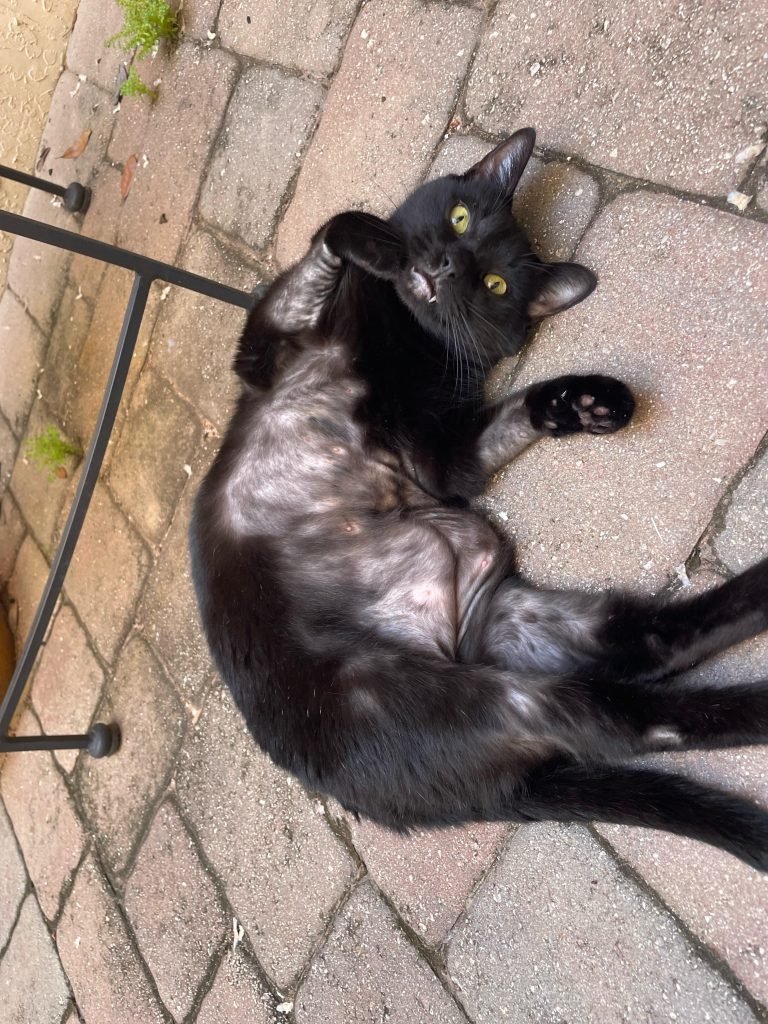
Is your cat constantly licking or biting its fur until it looks raw or patchy? Over grooming can be stressful for both your furry friend and you.
If you’re worried about your cat’s health or comfort, you’re not alone. Understanding why your cat is over grooming and how to help can make a big difference. Keep reading to discover simple, effective steps you can take right now to stop your cat’s over grooming and bring back their happy, healthy coat.
Causes Of Over Grooming
Over grooming is a common issue in cats that causes hair loss and skin irritation. Understanding the causes helps in addressing this behavior effectively. Cats may over groom for different reasons. Some are related to health, while others are linked to their environment or emotions.
Stress And Anxiety
Cats groom to calm themselves. Stress from changes or loud noises can trigger over grooming. Anxiety may come from new pets, moving homes, or lack of routine. Over grooming acts as a way to soothe nervous feelings.
Allergies And Skin Issues
Allergies cause itching and discomfort. Food, pollen, or cleaning products can irritate a cat’s skin. Skin problems like dermatitis or dry skin also lead to excess licking. Cats try to relieve the itch by grooming too much.
Parasites And Infections
Fleas, mites, or ticks cause intense itching. Infections from bacteria or fungi worsen skin irritation. Cats react by licking or biting the affected areas repeatedly. Checking for parasites and infections is important to stop over grooming.
Boredom And Lack Of Stimulation
Cats need mental and physical activity daily. Without enough play or interaction, they may groom out of boredom. Over grooming helps pass time but leads to skin problems. Providing toys and attention reduces this behavior.
Identifying Over Grooming Signs
Spotting over grooming in cats early helps protect their skin and fur. Cats may groom too much for many reasons. Stress, allergies, or parasites can cause this behavior. Knowing what signs to watch for helps you take action fast.
Bald Patches And Hair Loss
Look for areas where fur is missing or very thin. Bald patches often show on the belly, legs, or sides. Hair loss happens from constant licking or biting. These spots can grow larger if untreated. Check your cat’s coat regularly for changes.
Redness And Irritation
Check the skin under the fur for redness or swelling. Over grooming causes irritation and sometimes small wounds. The skin may look raw or scaly. These signs show your cat’s skin is hurting. Healthy skin should look smooth and pink.
Excessive Licking Habits
Notice if your cat licks certain spots often and for long times. Over grooming means licking more than normal cleaning. This can be a sign of discomfort or anxiety. You might hear licking sounds or see your cat in a repetitive motion. Watching your cat’s behavior helps catch this early.
Veterinary Diagnosis
Understanding why your cat is over grooming is the first step toward stopping it. A veterinary diagnosis helps identify the root cause, whether it’s medical, environmental, or behavioral. This ensures your cat gets the right treatment and relief quickly.
Physical Examination
Your vet will start with a thorough physical exam, checking your cat’s skin, coat, and overall health. They look for wounds, parasites like fleas, or signs of infection that might cause itching or discomfort.
Have you noticed any bald patches or redness? These details help the vet pinpoint the problem areas and rule out common causes of over grooming.
Skin Tests And Allergy Screening
If the physical exam doesn’t reveal the cause, your vet may suggest skin tests or allergy screening. These tests check for allergies to food, pollen, or household chemicals that might irritate your cat’s skin.
Allergies can cause intense itching, pushing your cat to groom excessively. Identifying specific allergens lets you adjust their environment or diet to reduce irritation.
Behavioral Assessment
Sometimes, over grooming is linked to stress or anxiety rather than a physical issue. A behavioral assessment evaluates your cat’s environment, routines, and interactions.
Think about changes at home, like new pets or loud noises, that could be stressing your cat. Addressing behavioral triggers can stop the cycle of over grooming and improve your cat’s well-being.
Environmental Changes
Environmental changes play a crucial role in helping your cat stop over grooming. Cats often over groom due to stress or boredom caused by their surroundings. Adjusting their environment can reduce anxiety and redirect their behavior toward healthier habits.
Reducing Stress Triggers
Identify what causes stress for your cat. It could be loud noises, new pets, or even changes in your routine. Minimizing these triggers helps your cat feel more secure and less likely to over groom.
Try playing calming music or using pheromone diffusers designed for cats. These can create a soothing atmosphere. Have you noticed if your cat reacts to specific events or people? Observing this can guide you in reducing stress effectively.
Providing Enrichment And Play
Boredom often leads cats to over groom as a way to occupy themselves. Adding interactive toys and regular play sessions keeps their minds and bodies active. This helps divert their attention from excessive grooming.
- Introduce puzzle feeders to stimulate their hunting instincts.
- Use feather wands or laser pointers to encourage movement.
- Rotate toys regularly to maintain interest.
Does your cat seem restless or under-stimulated? Increasing playtime might be the key to breaking the over grooming cycle.
Creating Safe Spaces
Your cat needs a retreat where it feels safe and undisturbed. A quiet corner with a cozy bed or hiding spot can offer comfort. This reduces anxiety that often triggers over grooming.
Place safe spaces away from household traffic and loud appliances. Adding familiar scents like a favorite blanket can make these spots more inviting. Have you set up a personal sanctuary for your cat yet?
Behavioral Interventions
Behavioral interventions help reduce a cat’s over grooming by changing its habits and environment. These methods focus on redirecting the cat’s attention and creating a calm, stable space. They work best by encouraging positive actions and keeping the cat mentally and physically engaged.
Distraction Techniques
Distraction helps break the cycle of over grooming. Offer toys or play sessions to shift your cat’s focus. Use interactive toys that move or make noise. Rotate toys regularly to keep your cat interested. Puzzle feeders can also keep your cat busy and reduce stress. These activities give your cat a healthy way to use its energy.
Positive Reinforcement
Reward your cat for good behavior to encourage less grooming. Give treats or gentle petting when your cat stops over grooming. Use calm, soothing voices to praise your cat. Avoid punishment as it can increase stress and grooming. Consistency helps your cat learn which behaviors are best.
Routine Establishment
Cats feel safer with a regular daily routine. Feed, play, and rest at the same times each day. A steady schedule helps reduce anxiety that causes over grooming. Create a quiet, comfortable space for your cat to relax. Predictable routines lower stress and support healthy behavior.

Credit: brooklynpetspa.com
Medical Treatments
Medical treatments play a crucial role in helping your cat stop over grooming. Identifying the root cause is key because over grooming often signals an underlying health or emotional issue. By addressing these causes through targeted therapies, you can bring relief to your feline friend and restore their natural behavior.
Medications For Allergies
Allergies are a common reason cats groom excessively. Your vet may prescribe antihistamines or corticosteroids to reduce itching and inflammation. These medications help calm your cat’s skin, making them less likely to scratch or lick repeatedly.
Sometimes, allergy testing is needed to identify specific triggers such as food ingredients or environmental factors. Once identified, you can avoid those allergens or treat the symptoms effectively. Have you noticed if your cat’s grooming spikes after certain meals or outdoor exposure?
Parasite Control
Parasites like fleas and mites often cause intense itching that drives over grooming. Even if you don’t see fleas, your cat might still have bites or irritation from these pests. Using vet-approved flea treatments and regular parasite control can eliminate the problem fast.
Regularly check your cat’s fur for signs of parasites and keep up with preventive treatments. This step alone has helped many owners stop their cats’ obsessive grooming habits. Could a hidden parasite be the reason for your cat’s discomfort?
Anti-anxiety Therapies
Stress and anxiety can cause cats to over groom as a coping mechanism. Anti-anxiety medications or calming supplements prescribed by your vet can ease your cat’s nerves. These treatments help reduce repetitive behaviors and improve your cat’s overall well-being.
Alongside medication, creating a calm environment with plenty of play and affection makes a big difference. Some owners find pheromone diffusers or anxiety wraps helpful in combination with therapy. What changes can you make at home to support your cat’s mental health?
Alternative Therapies
Alternative therapies offer gentle, non-invasive ways to help your cat reduce over grooming. These options can calm your cat’s nerves and address underlying stress without medication. Many cat owners find that combining these therapies with other care routines brings noticeable relief.
Pheromone Diffusers
Pheromone diffusers release synthetic versions of natural cat facial pheromones. These scents create a sense of safety and calm in your cat’s environment. I’ve seen cats relax within days of using diffusers, often stopping their obsessive licking.
Place the diffuser in the room your cat spends most time in. It’s important to keep it plugged in continuously for best results. You may want to try brands like Feliway, which many vets recommend.
Herbal Remedies
Herbal remedies like chamomile, valerian, and lavender can ease anxiety in cats. These herbs can be given as supplements, sprays, or calming treats. I once used a lavender spray on a cat’s bedding, and the reduction in grooming was surprising.
Be sure to check with your vet before starting any herbal treatments. Some herbs might interact with medications or not be safe for all cats. Always monitor your cat’s reaction and adjust accordingly.
Acupuncture And Massage
Acupuncture can target stress points and improve your cat’s overall well-being. Many cats tolerate gentle massage, which helps reduce tension and distracts from over grooming habits. I have witnessed shy cats become more relaxed and less focused on licking after just a few sessions.
Look for a certified veterinary acupuncturist or a qualified animal massage therapist. These therapies aren’t just pampering—they can address physical and emotional causes of over grooming effectively.
Credit: pethelpful.com
Preventing Recurrence
Stopping your cat from over grooming is just the beginning. Preventing it from happening again takes ongoing attention and care. Understanding what triggers your cat’s behavior and keeping a close eye on their health and environment can make all the difference.
Regular Vet Checkups
Regular vet visits are essential to catch any underlying health issues early. Skin problems, allergies, or pain can cause your cat to over groom without you realizing it. Scheduling checkups every six months helps you stay ahead of these problems and keeps your cat comfortable.
Don’t wait until you see hair loss or sores. Sometimes, subtle changes in your cat’s coat or behavior mean something is wrong. Your vet can recommend treatments or changes to diet that ease discomfort and reduce grooming urges.
Maintaining Mental Stimulation
A bored cat often turns to over grooming as a way to cope with stress or anxiety. You can help by providing plenty of mental and physical activities. Puzzle toys, interactive play sessions, and new climbing spaces keep your cat’s mind busy and reduce stress.
Think about your cat’s personality. Is she more playful or relaxed? Tailoring activities to her preferences will keep her engaged longer. Have you noticed how your cat reacts when you introduce a new toy or game? Use that insight to keep her entertained.
Monitoring Behavior Changes
Pay close attention to any shifts in your cat’s behavior. Changes in grooming patterns, eating habits, or social interaction can signal trouble. Keep a journal or use an app to track these changes and share them with your vet.
Early detection of stress or illness helps you intervene before over grooming returns. Ask yourself: Has my cat’s routine changed? Is she showing signs of anxiety or discomfort? Being proactive can save your cat from recurring discomfort.

Credit: pennypaws.com
Frequently Asked Questions
Why Is My Cat Over Grooming Itself?
Cats over groom due to stress, allergies, or skin infections. It may also indicate pain or boredom. Identifying the cause helps in effective treatment. Consult a vet for diagnosis if over grooming persists or worsens.
How Can I Reduce My Cat’s Over Grooming Behavior?
Provide environmental enrichment, reduce stress, and use calming products. Regular playtime and a balanced diet support skin health. Address medical causes promptly with veterinary advice for best results.
Can Allergies Cause A Cat’s Over Grooming?
Yes, allergies to food, fleas, or environmental factors often trigger over grooming. Identifying and removing allergens helps reduce symptoms. Consult a vet to perform allergy testing and recommend treatments.
When Should I See A Vet About Over Grooming?
Visit a vet if over grooming causes hair loss, sores, or bleeding. Persistent or worsening behavior needs professional assessment. Early intervention prevents complications and ensures your cat’s comfort.
Conclusion
Stopping a cat from over grooming takes patience and care. Watch your cat closely to spot signs of stress or illness. Provide a calm space and plenty of playtime to reduce anxiety. Regular vet visits help catch health problems early.
Remember, small changes can make a big difference. Keep trying different ways to help your cat feel safe. Your cat will thank you with happier, healthier fur.
