

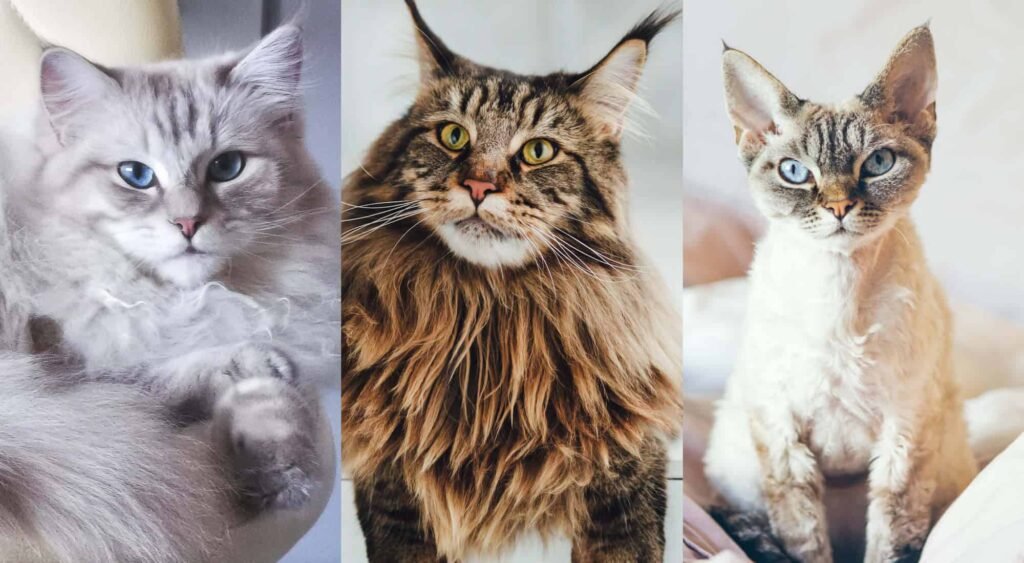
Are you ready to discover cat breeds that stand out from the crowd? If you think all cats look the same, think again.
Unique cat breeds bring a splash of personality and charm that can surprise and delight you. Whether you’re looking for a furry friend with a striking appearance or an unusual personality, this guide will introduce you to cats that are truly one of a kind.
Keep reading, and you might just find the perfect match that speaks to your heart in a way no ordinary cat can.
Rare Cat Breeds
Rare cat breeds captivate many pet lovers because of their distinct looks and fascinating backgrounds. These cats aren’t commonly found in shelters or typical pet stores, making them truly special companions. If you want a cat that stands out, rare breeds offer a unique blend of personality and appearance that can surprise and delight you every day.
Characteristics Of Unique Cats
Rare cat breeds often have unusual physical traits that make them easy to spot. You might notice extra toes, striking coat patterns, or even hairless bodies. These cats also tend to have unique temperaments—some are incredibly social, while others prefer quiet time alone.
For example, the Peterbald is known for its slender body and hairless or short coat, giving it a sleek, almost alien look. Meanwhile, the Kurilian Bobtail sports a distinctive short, fluffy tail and is known for being playful and intelligent. These traits can make caring for them a rewarding experience if you appreciate a cat with character.
Origins And History
Many rare cat breeds come from specific regions with rich histories. The Serengeti cat, for example, was bred to look like a wild African serval but was developed in the United States through selective breeding. Its exotic look has roots in wild cats, yet it remains a domestic pet.
Other breeds like the Turkish Van have a history dating back centuries, known for their love of water and unique “van” color pattern. Understanding where these cats come from helps you appreciate their behavior and needs better. Have you ever thought about how a cat’s origin affects its personality and care?

Credit: gladdogsnation.com
Exotic Coat Patterns
Exotic coat patterns set certain cat breeds apart, making them truly remarkable. These patterns are more than just beautiful—they tell a story about the cat’s genetics and history. When you encounter a cat with an unusual coat, it invites curiosity and admiration.
Unusual Fur Colors
Have you ever seen a cat with a coat color that looks almost otherworldly? Some breeds sport fur in shades rarely seen in the feline world, like the lilac-gray of the Russian Blue or the rich chocolate of the Havana Brown.
These unique colors aren’t just random; they result from specific gene combinations. Owning a cat with such rare coloring often feels like having a living piece of art. It makes you wonder—how does this color impact their personality or how others perceive them?
Distinctive Markings
Distinctive markings add personality to a cat’s coat, creating patterns that capture attention instantly. Think of the striking rosettes on a Bengal or the delicate stripes of a Mackerel Tabby. Each pattern is like a fingerprint—no two cats look exactly alike.
These markings often hint at a breed’s wild ancestry or specific breeding history. When you observe these patterns closely, you start to notice how they complement the cat’s movements and expressions, adding depth to their charm.
Uncommon Physical Traits
Some cat breeds stand out because of their uncommon physical traits. These features make them instantly recognizable and often beloved by cat enthusiasts. Understanding these traits can help you appreciate the diversity and uniqueness of cats beyond the usual fluffy companions.
Eye Colors And Shapes
Cat eyes come in a variety of colors and shapes that can surprise you. Take the Turkish Van, for instance, which often has odd-colored eyes—one blue and one amber. This uncommon trait isn’t just striking; it adds personality to their gaze.
Some breeds have almond-shaped eyes, like the Siamese, giving them a sharp, intense look. Others, like the Scottish Fold, have large, round eyes that make them appear curious and gentle. Have you noticed how eye shape can change the whole expression of a cat?
- Odd-eyed cats are often linked to specific breeds and genetic traits.
- Eye color can range from deep copper to vivid blue and even green.
- Shape influences how alert or friendly a cat appears.
Body Structure Variations
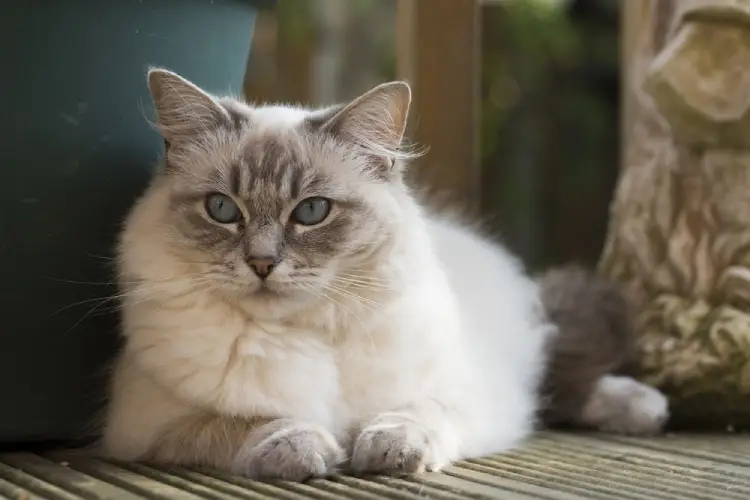
Body structure varies widely among cat breeds, sometimes in surprising ways. The Maine Coon is a perfect example with its large, muscular frame and tufted ears. These traits aren’t just for show; they help the cat survive cold climates.
Contrast that with the sleek, slender Oriental Shorthair. Its long legs and narrow body make it incredibly agile and fast. Have you ever wondered how a cat’s body structure affects its behavior and lifestyle?
- Some cats have extra toes, like the polydactyl Maine Coon, which can help with climbing.
- Short-legged breeds, such as the Munchkin, have a unique silhouette that challenges typical cat proportions.
- Muscular builds often mean more playfulness and energy.
Credit: www.webbox.co.uk
Personality And Behavior
Unique cat breeds often surprise with their distinct personalities. Their behavior varies from calm and reserved to lively and curious. Understanding their traits helps owners bond deeply. Each breed offers a special blend of temperament and habits. This makes choosing a rare cat breed an exciting experience.
Temperament Of Rare Breeds
Rare cats often have gentle and calm temperaments. Some breeds prefer quiet environments and soft interactions. Others show strong independence and like exploring alone. Many rare cats are intelligent and learn tricks quickly. They enjoy routine but can adapt to new situations well. Their calm nature suits families and single owners alike.
Social And Playful Traits
Many unique breeds are social and love human company. They often seek attention and enjoy being petted. Playfulness is common among these cats, keeping them active and happy. Toys, climbing trees, and interactive games are favorites. Social cats usually get along with other pets easily. Their playful energy makes them fun companions.
Care Tips For Unique Cats
Unique cat breeds often have special needs that require extra attention. Their care differs from common cats due to their distinct traits and health risks. Understanding these needs helps keep them happy and healthy.
Diet And Nutrition
Unique cats may need specific diets tailored to their breed. Their metabolism or allergies can vary widely. Providing high-quality protein supports muscle health and energy. Avoid fillers like corn and soy that offer little nutrition. Fresh water should be available at all times. Some breeds benefit from supplements like omega-3 for skin and coat health.
- Choose grain-free or limited ingredient foods if sensitive.
- Feed smaller, frequent meals to aid digestion.
- Consult your vet about special dietary needs.
Health Considerations
Unique cat breeds often face breed-specific health issues. Regular vet visits help catch problems early. Some breeds require dental care more often due to jaw structure. Watch for signs of respiratory issues in flat-faced breeds. Keep vaccinations and parasite control up to date. Grooming is essential to prevent matting and skin problems.
- Schedule annual health screenings for early detection.
- Monitor weight to avoid obesity and related diseases.
- Maintain a clean, stress-free environment to support well-being.
Where To Find Rare Cats
Finding rare cat breeds requires patience and research. These unique cats are not found everywhere. They often live with special breeders or shelters. Knowing where to search helps you meet your new feline friend. Here are some good places to start your journey.
Breeders And Adoption Centers
Specialized breeders focus on rare cat breeds. They raise cats with care and knowledge. Visiting reputable breeders ensures healthy and well-socialized kittens. Adoption centers sometimes have rare cats too. These centers rescue and care for many breeds. They offer a chance to adopt a rare cat in need of a home.
Rescue Organizations
Rescue groups save cats from tough situations. Some focus only on rare or unusual breeds. They provide medical care and rehabilitation. These organizations often post available cats online. Joining their mailing lists keeps you updated. Adopting from rescues gives cats a second chance. It also supports their important mission.
Famous Rare Cat Stories
Rare cat breeds often carry stories that intrigue and inspire. These tales highlight their uniqueness beyond appearance. They show how cats influence people and culture worldwide. Understanding these stories adds depth to knowing these special breeds.
Notable Cats Around The World
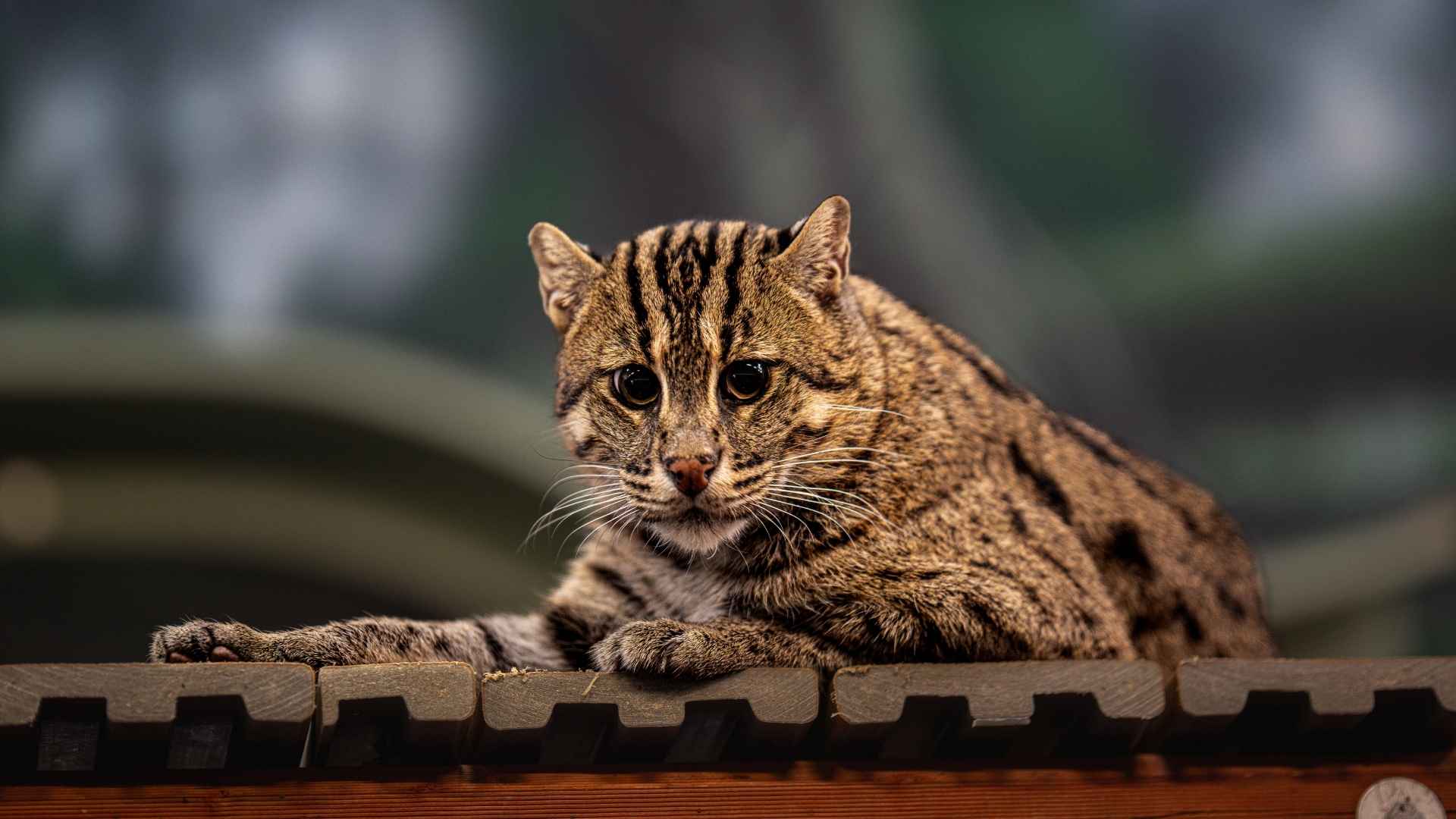
Some rare cats have become famous for their distinct traits and histories. The Sokoke cat, from Kenya, is known for its wild look and speed. The Kurilian Bobtail, from Russia, has tales of bravery and loyalty. The Peterbald, a hairless breed, often appears in art and fashion circles.
Each breed has stories told by owners and communities. These tales make the cats more than pets. They become symbols of heritage and character. Their fame spreads through social media and animal shows.
Cultural Impact
Rare cats often hold special places in culture and tradition. The Japanese Bobtail is a symbol of good luck in Japan. The Turkish Van is linked to legends about swimming cats. Some breeds appear in ancient art and folklore.
These cats influence books, movies, and art. They inspire respect for nature and animal diversity. Their stories help people appreciate rare breeds beyond their looks.
Credit: worldanimalfoundation.org
Frequently Asked Questions
What Are The Rarest Unique Cat Breeds?
The rarest unique cat breeds include the Sokoke, Serengeti, and Peterbald. These breeds have distinct traits and limited populations worldwide, making them highly sought after by cat enthusiasts.
How Do Unique Cat Breeds Differ From Common Ones?
Unique cat breeds show unusual physical traits, temperaments, or origins. They often have rare coat patterns, body shapes, or distinctive personalities, unlike common breeds with more typical features.
Are Unique Cat Breeds Hypoallergenic?
Some unique cat breeds like the Sphynx or Balinese produce fewer allergens. However, no breed is completely hypoallergenic; individual reactions vary. Always spend time with a cat before adopting.
What Care Do Unique Cat Breeds Require?
Unique cat breeds may need special grooming, diet, or environmental conditions. For example, hairless breeds require skin care, while active breeds need more playtime and mental stimulation.
Conclusion
Unique cat breeds bring charm and joy to any home. Each breed has its own look and personality. They make great companions for many people. Choosing a cat that fits your lifestyle matters most. Caring for these special cats can be very rewarding.
Discovering their traits helps build a strong bond. Cats have a way of making life better. Remember, every cat deserves love and attention. Embrace the uniqueness of these wonderful feline friends.
