

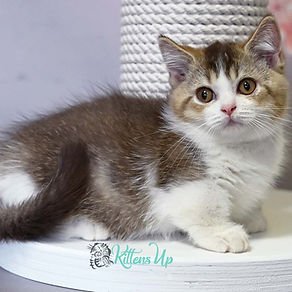
Are you curious about a cat breed that’s as unique as it is adorable? Munchkin cats might just be the perfect match for you.
With their short legs and playful personalities, these little cats capture the hearts of many pet lovers. If you want to know what makes Munchkin cats special and whether they could be the right addition to your home, keep reading.
This guide will help you understand everything you need to know about Munchkin cat breeds—so you can make the best choice for your furry friend.
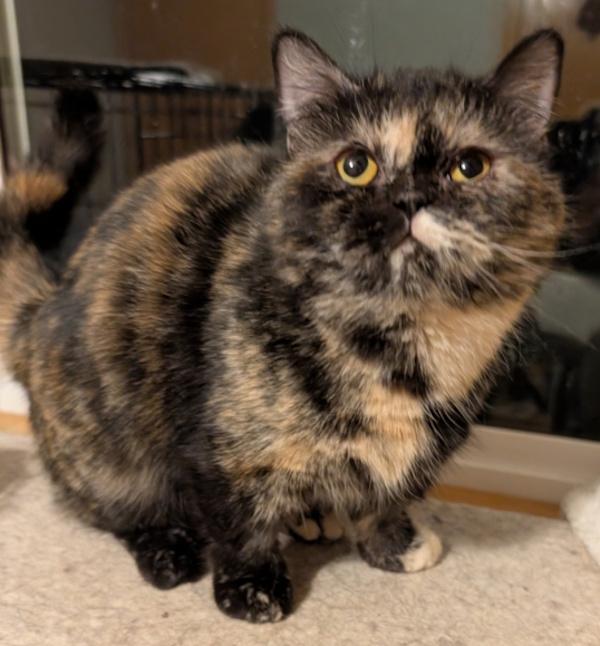
Credit: cats.com
Munchkin Cat Traits
The Munchkin cat is known for its unique traits that make it stand out. These cats have a distinctive look and a charming personality. Their features are a mix of physical and behavioral traits that attract cat lovers worldwide.
Short Legs And Body Structure
Munchkin cats have very short legs. This is due to a natural genetic mutation. Their bodies are long and low to the ground. Despite short legs, they move quickly and jump well. Their compact bodies give them a cute, sturdy appearance.
Personality And Temperament
Munchkin cats are playful and curious. They enjoy exploring their surroundings. These cats are friendly and social with people. They often get along well with other pets. Munchkins are known to be affectionate and loving companions.
Common Colors And Patterns
Munchkin cats come in many colors and patterns. Some popular colors include black, white, and gray. They can have stripes, spots, or solid coats. Their fur is soft and can be short or medium length. This variety makes each Munchkin unique in appearance.
History Of Munchkin Cats
The history of Munchkin cats is as unique as their short legs. This breed stands out with its playful nature and distinct appearance. Understanding where they come from and what makes them special offers insight into their charm.
Origin And Discovery
Munchkin cats first appeared in the early 1990s. A cat named “Blackberry” was found with unusually short legs in Louisiana, USA. Breeders became interested and began developing the breed. They aimed to keep the short legs while maintaining a healthy cat. The breed’s name comes from the small people in “The Wizard of Oz.”
Breed Recognition
The Munchkin cat gained formal recognition in 1994. The International Cat Association (TICA) accepted it as a new breed. Other cat organizations took longer to recognize the breed. Today, Munchkins are loved worldwide for their lively personalities and unique look.
Genetics Behind Short Legs
The short legs of Munchkin cats result from a genetic mutation. It is a form of dwarfism called achondroplasia. This gene is dominant, so only one copy is needed for short legs. Breeders carefully manage the breeding to avoid health issues. The goal is a healthy cat with the signature short legs.
Health Considerations
Understanding the health considerations of Munchkin cats helps ensure a happy life for these charming pets. Their unique short legs come with special needs. Owners should know about possible health risks and how to manage them effectively.
Potential Genetic Issues
Munchkin cats may face genetic problems linked to their short legs. One common concern is lordosis, where the spine curves too much. This condition can cause discomfort or mobility problems. Another issue is pectus excavatum, a chest deformity affecting breathing. Not all Munchkins have these problems, but awareness is important. Regular vet checkups help catch issues early.
Lifespan And Longevity
The average lifespan of a Munchkin cat ranges from 12 to 15 years. Their longevity depends on genetics and proper care. Balanced nutrition and regular exercise support a longer life. Preventive health measures reduce risks of common feline diseases. Early detection of illnesses increases survival chances. Keeping stress low also benefits their wellbeing.
Care Tips For Wellbeing
- Provide a balanced diet tailored for small breeds.
- Encourage gentle play to maintain muscle strength.
- Schedule regular veterinary visits for health monitoring.
- Watch for signs of pain or difficulty moving.
- Maintain a safe home environment to prevent injuries.
- Offer comfortable bedding to support the spine.

Credit: purebredkitties.com
Living With A Munchkin Cat
Living with a Munchkin cat means enjoying a unique and lively companion. These cats have short legs but big personalities. Their playful nature and loving attitude make them great pets for many homes. Understanding their needs helps keep them healthy and happy.
Exercise And Play Needs
Munchkin cats are active despite their short legs. They enjoy short bursts of play and love chasing toys. Provide interactive toys like feather wands and small balls. Play sessions twice a day keep them fit and alert. Safe climbing spaces help satisfy their curiosity.
Diet And Nutrition
Feed Munchkins a balanced diet with high-quality cat food. Protein-rich meals support their muscle health. Avoid overfeeding as they can gain weight easily. Fresh water should always be available. Consult a vet for portion sizes and special needs.
Grooming Requirements
Grooming depends on the Munchkin’s coat length. Short-haired ones need weekly brushing. Long-haired Munchkins require daily grooming to prevent mats. Check ears and trim nails regularly. Bathing is rarely needed but can be done occasionally.
Choosing A Munchkin Cat
Choosing a Munchkin cat requires thought and care. These cats are known for their short legs and lively spirit. They need a home that suits their unique needs. Picking the right Munchkin means understanding their health, temperament, and care demands. This guide helps you make an informed choice that fits your lifestyle and heart.
Finding Reputable Breeders
Start with breeders who prioritize cat health and ethics. They provide health clearances and genetic testing. Visit their facilities to see living conditions. Ask about the parents’ health and behavior. Good breeders answer all questions honestly and clearly. Avoid breeders who sell many kittens quickly or without proper documents.
Adoption Tips
Adopt from shelters or rescue groups that may have Munchkin cats. Adoption saves lives and gives cats a second chance. Check the cat’s health records before adopting. Spend time with the cat to understand its personality. Choose a cat that matches your activity level and home environment. Prepare your home with safe spaces and toys for your new friend.
Cost And Maintenance
Munchkin cats can cost more than other breeds due to their rarity. Expect expenses for vaccinations, spaying or neutering, and regular vet visits. Their short legs require careful handling to avoid injuries. Provide a balanced diet and regular grooming. Budget for toys and scratching posts to keep them active. Plan for possible health checks related to their unique body structure.
Munchkin Cats In Popular Culture
Munchkin cats have captured the hearts of many, not just as pets but as cultural icons. Their unique short legs and playful personalities make them stand out in various forms of entertainment and online platforms. Understanding how these cats appear in popular culture can give you insight into their growing fame and why they might be the perfect addition to your life.
Appearances In Media
Munchkin cats have made several appearances in TV shows, movies, and commercials. Their distinct look often adds a quirky charm that producers seek for family-friendly content. Have you noticed how their short legs make their movements almost cartoon-like? This visual appeal has helped Munchkins gain roles that highlight their playful nature.
Shows like “The Simpsons” and movies such as “Cats & Dogs” have featured Munchkin cats either directly or as inspiration for characters. This exposure introduces new audiences to the breed, sparking curiosity and admiration. Next time you watch a show, see if you can spot a Munchkin cameo!
Famous Munchkin Cats
Some Munchkin cats have become celebrities in their own right, gaining fame through their unique looks and personalities. Lilieput, for example, holds the Guinness World Record for the shortest cat, bringing attention to the breed’s distinctive trait. Such famous cats often become ambassadors, helping people understand the breed’s temperament and care needs.
Owning or following a famous Munchkin can give you practical insights into what life with one might be like. Their social media pages often share daily routines, health tips, and fun moments that help potential owners prepare better. Would you like to learn from a celebrity cat’s experience before adopting one?
Social Media Popularity
Social media platforms are buzzing with Munchkin cat content, from adorable videos to informative posts. Their short legs and big eyes make them perfect subjects for viral clips and memes. This popularity creates a community where you can connect with other Munchkin lovers and share advice.
- Instagram accounts dedicated to Munchkin cats often showcase their playful antics.
- YouTube channels provide training tips and health advice specific to the breed.
- Facebook groups offer a space to ask questions and exchange stories with other owners.
Engaging with these communities can help you decide if a Munchkin cat fits your lifestyle. What would you want to know from someone who lives with a Munchkin every day?
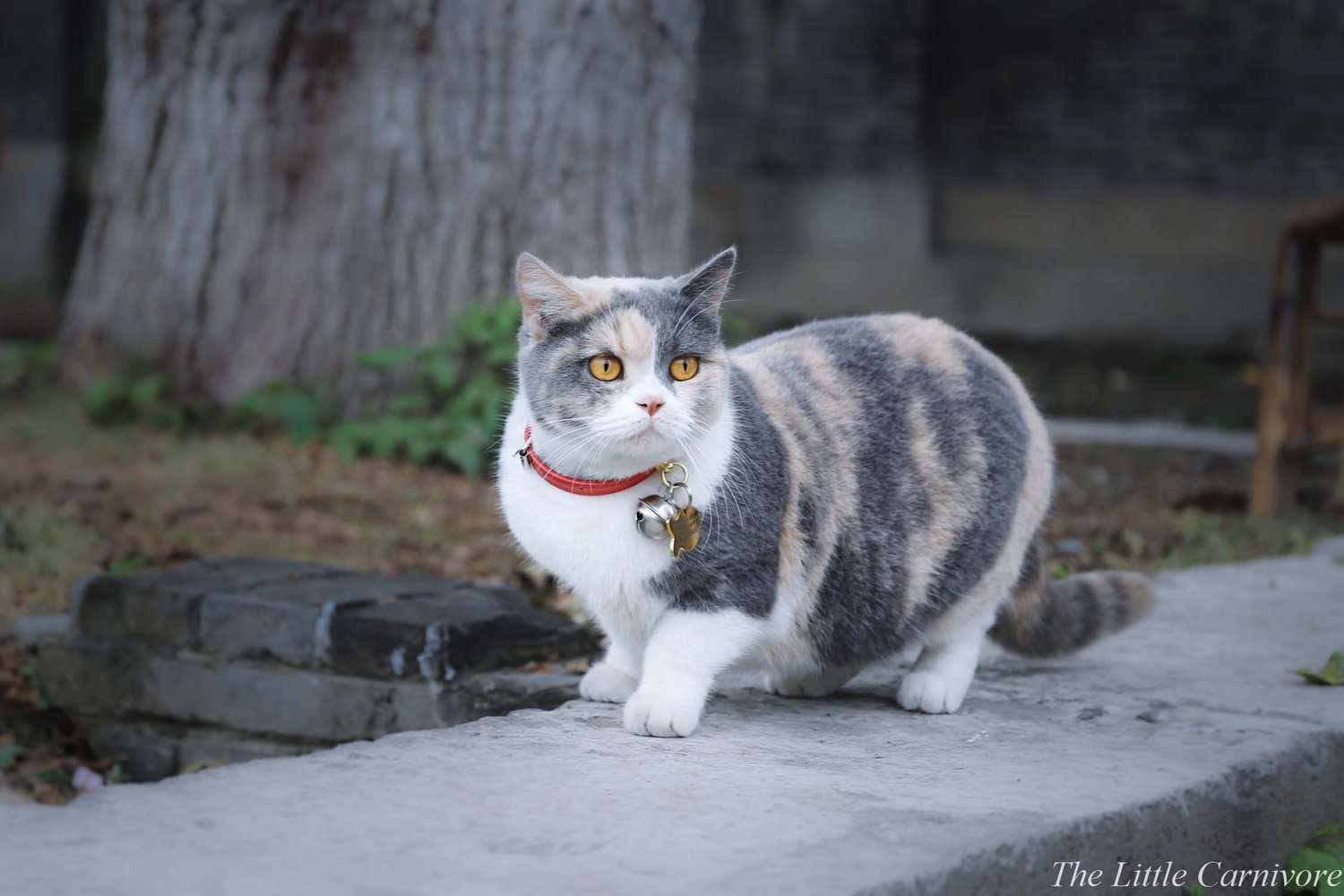
Credit: thelittlecarnivore.com
Frequently Asked Questions
What Distinguishes Munchkin Cats From Other Breeds?
Munchkin cats have notably short legs due to a genetic mutation. This unique feature makes them easily recognizable. Despite their short stature, they are agile and playful. Their friendly and affectionate nature also sets them apart from other breeds.
Are Munchkin Cats Healthy Despite Short Legs?
Generally, Munchkin cats are healthy with proper care. Some may face joint issues due to their leg structure. Regular vet check-ups help monitor their health. A balanced diet and exercise support their overall well-being.
How Do Munchkin Cats Behave Around Children?
Munchkin cats are playful and social, making them great with kids. They enjoy interactive play and gentle handling. Their affectionate nature helps them bond well with family members. Supervised interaction ensures safety for both kids and cats.
What Grooming Needs Do Munchkin Cats Have?
Munchkin cats have low to moderate grooming needs. Short-haired types require weekly brushing. Long-haired Munchkins need more frequent grooming to avoid matting. Regular nail trimming and dental care are also important.
Conclusion
Munchkin cats are small, playful, and full of charm. Their short legs do not stop them from being active and curious. These cats fit well in many homes and bring joy to families. Understanding their needs helps keep them happy and healthy.
Choosing a Munchkin means welcoming a unique friend with a big heart. Consider their personality and care before making a decision. Munchkin cats can be a wonderful addition to your life. A special pet, indeed.
