


Have you ever noticed a cat with ears so big they almost seem to have a personality of their own? Those striking, oversized ears aren’t just adorable—they can tell you a lot about a cat’s breed and character.
If you’re curious about which cats sport these unique features and what makes them stand out, you’re in the right place. Keep reading, because discovering these fascinating cat breeds with big ears might just help you find your perfect feline companion—or at least give you some great stories to share!
Credit: medium.com
Traits Of Big-eared Cats
Big-eared cats are hard to miss. Their ears do more than just stand out visually—they play a key role in how these cats experience the world. Understanding the traits of big-eared cats helps you appreciate their unique charm and abilities.
Physical Features
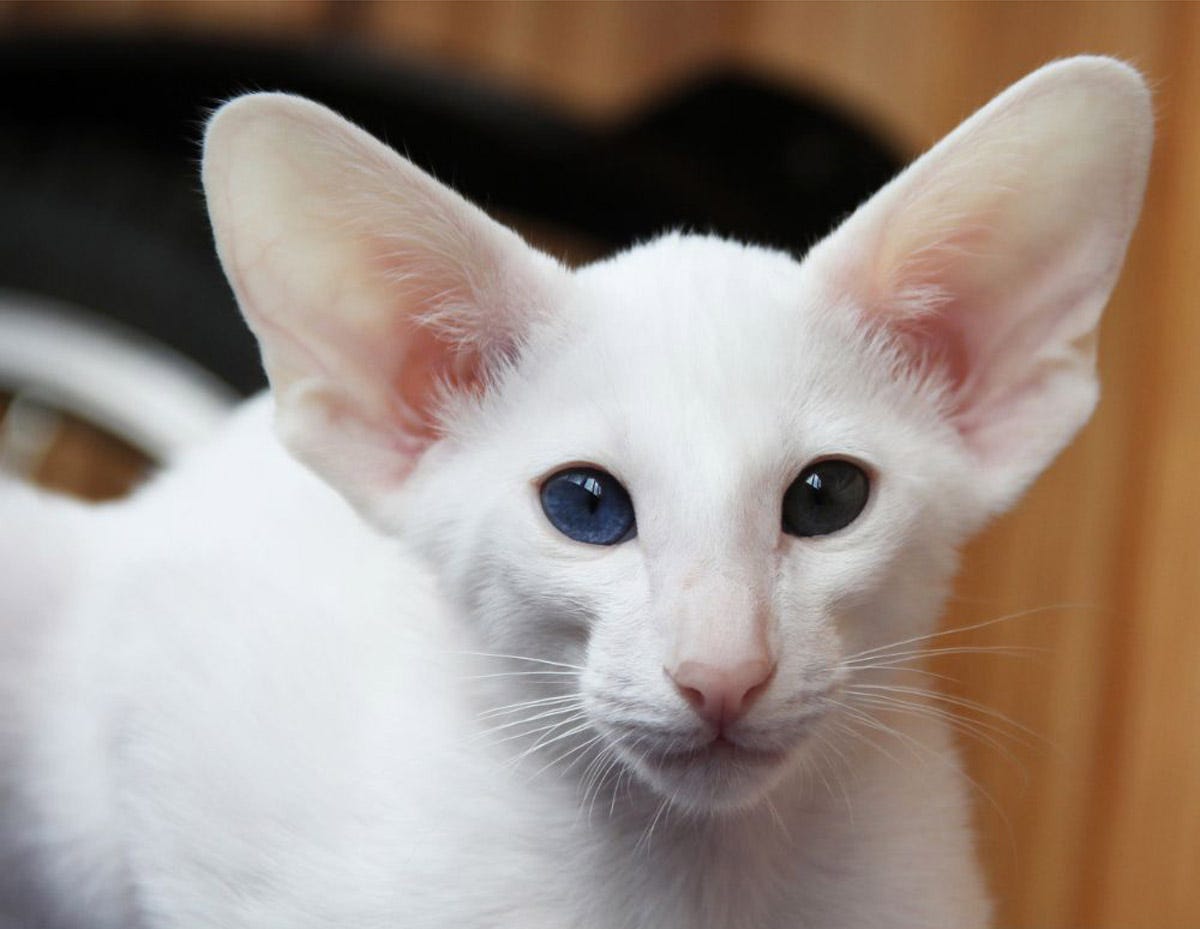
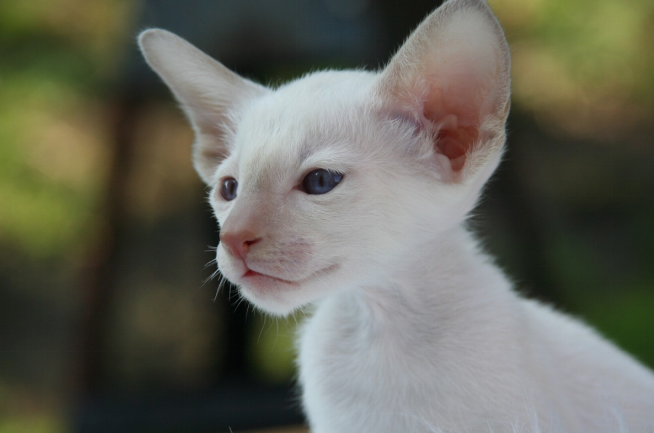
Big-eared cats have ears that are noticeably larger compared to other breeds. These ears often have a wide base and taper to a point, giving them a striking silhouette.
The size of their ears isn’t just for show. Many big-eared breeds have thinner ear flaps that allow better heat dissipation, which is useful in warmer climates.
Breeds like the Oriental Shorthair and the Abyssinian are great examples, with ears that can reach up to 2 inches in length. Their heads often appear smaller, making the ears seem even more prominent.
Hearing Advantages
Have you ever noticed how your big-eared cat seems to hear even the faintest sounds? Those large ears help capture sound waves more efficiently than smaller ears.
This enhanced hearing allows these cats to detect prey or distant noises quickly. It’s an evolutionary edge that helps them stay alert and responsive.
Because of their sensitive hearing, big-eared cats may be more easily startled by loud or sudden noises. Being aware of this can help you create a calm environment for your feline friend.
Behavioral Traits
Big-eared cats often display curious and alert behavior. Their ears constantly move to pick up sounds, reflecting their high awareness of their surroundings.
Many owners notice that these cats are playful and intelligent, often engaging in interactive games that stimulate their senses.
However, their heightened hearing can also make them more sensitive or cautious in noisy or chaotic homes. Have you observed your cat reacting differently to sounds others might ignore?
Popular Big-eared Cat Breeds
Big ears give certain cat breeds a unique and charming look. These cats often have a keen sense of hearing and a playful personality. Their ears stand out, making them favorites among cat lovers worldwide.
Some breeds are known for their distinctively large ears. They add to the cat’s elegance and alertness. Here are some popular big-eared cat breeds that catch attention easily.
Oriental Shorthair
The Oriental Shorthair has large, pointed ears that rise high on its head. This breed features a sleek body and almond-shaped eyes. Their ears help them hear even the faintest sounds.
Abyssinian
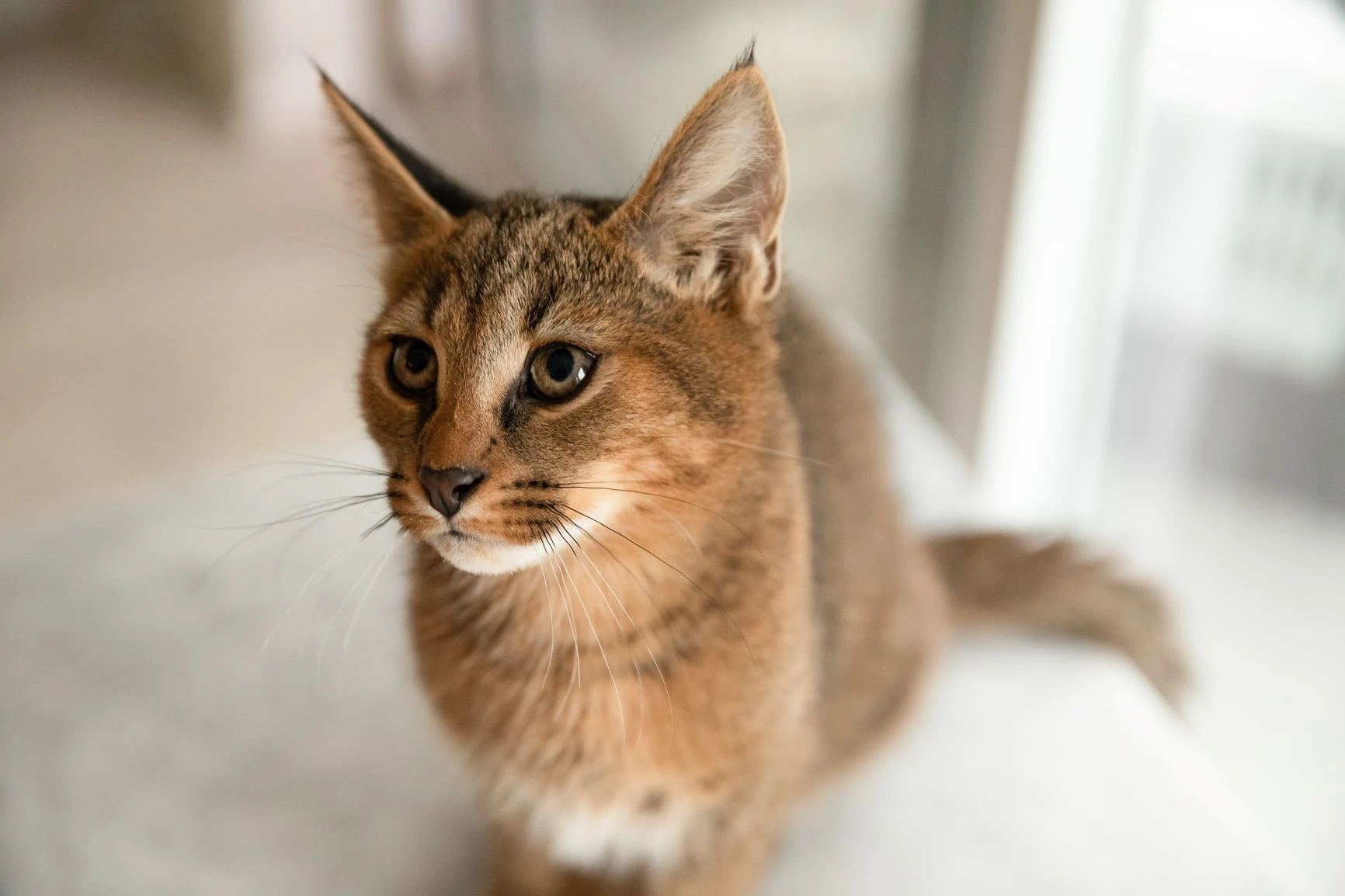
Abyssinians have big, wide-set ears that give them an alert expression. Their short coat is ticked with color, adding to their wild look. These cats are active and curious, often responding to sounds quickly.
Sphynx
Sphynx cats are hairless, making their large ears more noticeable. Their ears are wide at the base and taper to a rounded point. This breed loves attention and is very social.
Cornish Rex
The Cornish Rex has oversized ears that sit high and wide on the head. Their curly coat contrasts with their big ears, creating a striking appearance. They are playful and very agile cats.
Devon Rex
Devon Rex cats feature large ears set low on the head. Their wavy fur and big ears give them a pixie-like look. They enjoy interaction and are known for their friendly nature.
Care Tips For Big-eared Cats
Caring for cats with big ears requires special attention to keep them healthy and comfortable. Their large ears can collect dust and dirt easily. Proper care helps prevent infections and other health problems. Simple daily habits ensure your cat’s ears stay clean and safe.
Ear Cleaning And Maintenance
Clean your cat’s ears gently using a soft cloth or cotton ball. Use a vet-approved ear cleaner to remove dirt and wax. Avoid inserting anything deep into the ear canal. Check ears weekly for redness, swelling, or bad smells. Keep hair around the ears trimmed to reduce dirt buildup.
Health Concerns
Big ears can make cats prone to ear infections and mites. Watch for signs like scratching, shaking the head, or discharge. Treat infections quickly with vet-recommended medicine. Protect your cat from extreme cold or hot weather to avoid ear damage. Regular vet visits help catch issues early.
Diet And Nutrition
Feed your cat a balanced diet to support skin and ear health. Include foods rich in omega-3 and omega-6 fatty acids. These nutrients reduce inflammation and keep ears healthy. Fresh water should always be available. Proper nutrition strengthens your cat’s immune system against infections.
Big Ears And Cat Personality
Big ears are more than just a striking feature on certain cat breeds; they can reveal fascinating aspects of a cat’s personality. These prominent ears often come with heightened senses and unique behaviors that shape how your cat interacts with the world. Understanding the connection between big ears and personality can help you appreciate your feline friend even more.
Social Behavior
Cats with big ears tend to be highly aware of their surroundings, which influences their social interactions. They often show curiosity about new people and animals but might be cautious initially. You may notice your big-eared cat watching and listening carefully before deciding to approach.
Some breeds, like the Oriental Shorthair, are known for being sociable and affectionate, often seeking out human company. Their large ears seem to help them stay alert to voices and movements, making them excellent companions who respond quickly to social cues.
Playfulness
Big-eared cats usually have a lively and playful nature. Their keen hearing allows them to detect the slightest sounds of toys or rustling paper, sparking their hunting instincts and encouraging active play. This makes playtime more engaging for both you and your cat.
Think about how your cat reacts when you shake a treat bag or crinkle a toy. Chances are, those big ears pick up the noise from across the room, and suddenly you have a playful partner ready to pounce. This playfulness helps keep their minds sharp and strengthens your bond.
Communication Styles
Large ears enhance a cat’s ability to communicate both verbally and non-verbally. You might find your big-eared cat more expressive, using ear movements to signal moods like curiosity, alertness, or irritation. Watching those ears can give you clues about what your cat is feeling or thinking.
Additionally, cats with big ears often respond more quickly to your voice or calls. If you’re trying to get your cat’s attention, you might notice they turn their ears toward you almost immediately. This heightened responsiveness can make training or interaction easier and more rewarding.
Choosing A Big-eared Cat
Choosing a big-eared cat means more than just admiring those striking ears. It’s about finding a feline companion that fits your daily routine, personality, and home environment. These distinctive ears often come with unique traits and care needs that you should consider carefully before bringing one into your life.
Matching Lifestyle
Big-eared cats tend to be active and curious. If you enjoy interactive play and have time to engage with your pet daily, these cats can thrive in your home. However, if your schedule is hectic, you might want to consider breeds known for being more independent.
Think about your living space too. Some big-eared breeds, like the Oriental Shorthair, are vocal and energetic, needing room to explore. Do you have a quiet apartment or a house with plenty of nooks and crannies? Your environment impacts how happy your big-eared cat will be.
Adoption Tips
Adopting a big-eared cat can be a rewarding experience if you know where to look. Shelters sometimes have breeds like the Abyssinian or the Cornish Rex, both known for their prominent ears. Don’t hesitate to ask shelter staff about specific breeds or traits you’re interested in.
Visit the cat multiple times before deciding. Observe how it reacts to noise and people. Big-eared cats may have sensitive hearing, so a noisy shelter might not reveal their true personality. Patience in adoption helps you find a cat that fits your home and heart.
Breeder Selection
If you decide to go through a breeder, prioritize those who are reputable and transparent. Ask about the cat’s health history, temperament, and how the breeder socializes kittens. Ethical breeders will welcome your questions and provide documentation.
Visit the breeder’s facility if possible. Clean, well-maintained environments usually indicate responsible care. Remember, a breeder’s attitude tells you a lot about the future support you’ll get for your big-eared cat.
Credit: wopet.com
Credit: cats.fandom.com
Frequently Asked Questions
What Cat Breeds Have The Biggest Ears?
Sphynx, Oriental Shorthair, and Devon Rex are known for their large ears. These breeds use their big ears for better hearing and heat regulation.
Why Do Some Cats Have Big Ears?
Big ears help cats improve hearing and detect sounds easily. They also aid in cooling by releasing body heat efficiently.
Are Big-eared Cats More Sensitive To Sound?
Yes, cats with big ears often have heightened hearing. Their large ear surface captures more sound waves for better auditory perception.
Do Big Ears Affect A Cat’s Behavior?
Big ears don’t change behavior but improve sensory awareness. Cats may be more alert and responsive to their environment.
Conclusion
Big-eared cats have a unique charm that many find fascinating. These breeds not only look special but often have lively, curious personalities. Their large ears help them hear sounds better, making them great hunters and playful pets. Choosing a cat with big ears adds a fun twist to pet ownership.
Remember, each breed has its own care needs and traits. Enjoy discovering which one suits your home best. Big ears, big personality—what a wonderful combination!
