

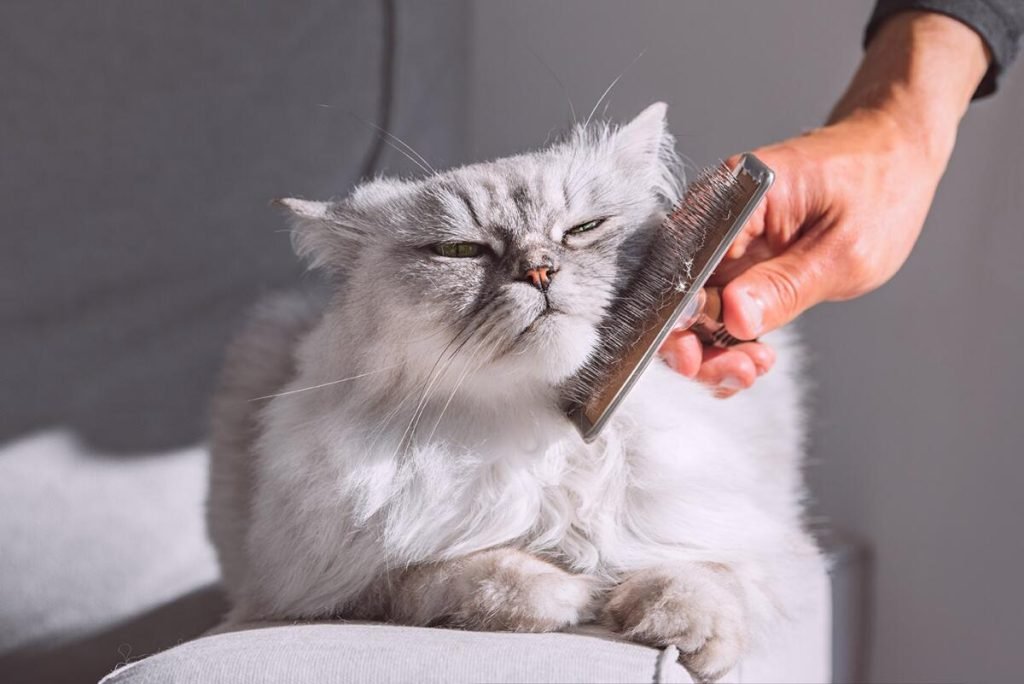
If you have a long-haired cat, you know how beautiful and soft their fur can be. But with that beauty comes a challenge—keeping their coat clean, shiny, and tangle-free.
You might have noticed mats forming or your cat shedding more than usual. Grooming your long-haired cat isn’t just about looks; it’s about their health and comfort too. You’ll discover simple, effective tips that make grooming easier for both you and your furry friend.
Ready to make your cat’s coat a source of pride instead of stress? Keep reading to learn how to care for your long-haired cat like a pro.
Choosing The Right Tools
Choosing the right tools is key for grooming long-haired cats. The correct equipment makes grooming easier and more effective. It helps prevent hair tangles and keeps your cat comfortable. Good tools protect your cat’s skin and reduce shedding.
Investing in quality grooming supplies saves time and stress for both you and your cat. Every tool has a specific role in maintaining a healthy coat. Understanding each tool’s purpose helps you pick what suits your cat’s needs.
Combs And Brushes For Long Fur
Long-haired cats need combs and brushes designed for thick fur. Wide-tooth combs gently remove knots without pulling. Slicker brushes work well to detangle and smooth the coat.
- Choose metal combs with rounded tips to avoid skin scratches.
- Use brushes with soft bristles to reduce irritation.
- Brush regularly to prevent mats and loose hair buildup.
Detanglers And Grooming Sprays
Detanglers help loosen knots and make brushing easier. Grooming sprays add moisture and shine to your cat’s fur. These products reduce static and help prevent hair breakage.
- Select water-based sprays safe for cats.
- Apply detanglers before brushing stubborn mats.
- Use sprays sparingly to avoid sticky residue.
Nail Clippers And Scissors
Trimming nails keeps your cat comfortable and prevents damage. Scissors help trim fur around sensitive areas like paws and ears. Choose tools designed for pets to ensure safety and precision.
- Use sharp clippers for clean cuts without crushing nails.
- Round-tip scissors reduce the risk of injury.
- Trim nails regularly to avoid overgrowth and splitting.
Establishing A Grooming Routine
Establishing a grooming routine for your long-haired cat is essential to keep their coat healthy and tangle-free. Regular care not only prevents mats but also strengthens your bond with your feline friend. Creating a consistent schedule helps your cat feel more comfortable and less anxious during grooming sessions.
Daily Brushing Techniques
Brush your cat’s fur every day to stop tangles before they form. Use a wide-toothed comb to gently detangle knots, followed by a soft-bristle brush to smooth the coat. Pay special attention to areas behind the ears, under the legs, and around the tail—they tend to mat easily.
Hold your cat gently but firmly, and brush in the direction of hair growth. If your cat resists, try short sessions of just a few minutes and gradually increase the time. Have treats ready to reward cooperation and make brushing a positive experience.
Bathing Frequency And Tips
Long-haired cats usually don’t need frequent baths, but occasional washing helps remove dirt and excess oils. Aim for a bath every 4 to 6 weeks, unless your cat gets especially dirty or has a skin condition. Use a cat-specific shampoo that won’t irritate their skin.
Rinse thoroughly to avoid leaving shampoo residue, which can cause itching. Dry your cat with a soft towel and, if they tolerate it, a low-heat hairdryer on a gentle setting. Always keep the bathing area warm and calm to prevent stress.
Creating A Calm Environment
Your cat’s comfort is key to a successful grooming routine. Choose a quiet spot with good lighting and few distractions. Speak softly and move slowly to help your cat relax.
Try playing soft music or using pheromone sprays to create a soothing atmosphere. Have all your grooming tools within reach to avoid interruptions. How might changing your surroundings improve your cat’s grooming experience?
Preventing And Removing Mats
Mats form when a cat’s fur tangles and twists tightly. Long-haired cats face this issue often. Mats can hurt your cat and cause skin problems. Preventing mats is easier than removing them later. Early care keeps your cat comfortable and healthy.
Identifying Early Signs
Look for small clumps or rough patches in the fur. Your cat may scratch or lick these areas more often. Fur might feel thicker or uneven to touch. Check behind ears, under legs, and near the tail. Early detection helps stop mats from growing large and painful.
Safe Mat Removal Methods
Use a wide-tooth comb to gently loosen small mats. Hold the fur close to the skin to avoid pulling. For tougher mats, try a mat splitter or dematting tool carefully. Never cut mats with scissors near the skin. If mats are severe, visit a professional groomer or vet.
Regular Maintenance Practices
- Brush your cat daily using a soft brush or comb.
- Focus on areas prone to matting like the belly and neck.
- Keep your cat’s coat clean and dry after baths or outdoor time.
- Trim long fur around problem spots if your cat tolerates it.
- Check for mats frequently to catch them early.

Credit: www.downtowntabbycattery.com
Managing Shedding And Hairballs
Managing shedding and hairballs is important for keeping long-haired cats healthy and comfortable. These cats shed more because of their thick fur. Loose hair can cause hairballs, which may upset their stomach.
Regular care helps reduce shedding and controls hairballs. It also keeps your cat’s coat shiny and smooth. Understanding the factors that affect shedding and hairballs makes grooming easier.
Diet And Hydration Impact
A balanced diet supports healthy skin and fur. Foods rich in omega-3 and omega-6 fatty acids improve coat quality. Proper nutrition reduces excessive shedding.
Hydration is key for skin health. Water helps keep the fur soft and less prone to breakage. Provide fresh water daily to encourage drinking.
Wet food can increase moisture intake. It helps cats stay hydrated, especially if they do not drink much water. Good hydration reduces dry skin and hair loss.
Brushing To Reduce Shedding
Regular brushing removes loose hair before it falls off. It prevents hair from spreading around your home. Brushing also helps avoid mats and tangles in long fur.
Use a brush designed for long-haired cats. Brush gently to avoid hurting your pet. Start from the head and move toward the tail in sections.
Brushing daily or every other day works best. It keeps shedding under control and improves blood flow to the skin. Your cat will enjoy the extra attention, too.
Handling Hairballs Effectively
Hairballs form when cats swallow loose fur while grooming. They can cause discomfort or digestive issues. Help your cat by reducing loose fur and improving digestion.
Offer hairball control treats or supplements. These products help fur pass through the digestive system smoothly. Consult your vet before using new supplements.
Keep your cat active to stimulate digestion. Playtime and exercise reduce hairball problems. Regular grooming also lowers the amount of fur your cat swallows.
Skin And Coat Health
Taking care of your long-haired cat’s skin and coat is essential for their comfort and appearance. Healthy skin means less itching and fewer mats, while a shiny coat speaks volumes about your cat’s overall well-being. Paying attention to these details helps you catch problems early and keep your feline friend feeling their best.
Recognizing Skin Issues
Is your cat scratching more than usual or grooming excessively? These can be signs of skin irritation or allergies. Look closely for redness, flakiness, or bald patches on the skin.
Sometimes skin problems hide under the fur, so part the hair to inspect the skin directly. If you notice any unusual bumps or sores, it’s time to consult a vet. Early detection can prevent serious infections or discomfort.
Choosing The Right Shampoo
Not all shampoos are created equal, especially for cats with long fur. You want a shampoo that’s gentle, pH-balanced for cats, and free from harsh chemicals.
Shampoos with natural ingredients like oatmeal or aloe vera soothe the skin and reduce irritation. Avoid shampoos meant for dogs or humans—they can strip your cat’s coat of essential oils and cause dryness.
Try to test a small area first to make sure your cat doesn’t react badly. Have you noticed how some cats react differently to grooming products? Paying attention to your cat’s response helps you pick the best option.
Supplements For Healthy Fur
Adding supplements to your cat’s diet can make a noticeable difference in their coat’s shine and texture. Omega-3 fatty acids, for example, support skin hydration and reduce inflammation.
Biotin and vitamin E also promote fur strength and reduce shedding. You can find these in fish oil capsules or specialized cat supplements.
Before adding anything new, check with your vet to ensure it’s safe and appropriate for your cat’s specific needs. Have you ever seen your cat’s fur transform after dietary changes? It’s a simple step that can really pay off.

Credit: catit.us
Professional Grooming Options
Long-haired cats require more than just occasional brushing at home. Professional grooming can keep their coats healthy, prevent mats, and reduce shedding significantly. Understanding when and how to choose expert grooming services can make a big difference in your cat’s comfort and appearance.
When To Seek Expert Help
If your cat’s fur is tangled beyond what you can manage, it’s time to call a professional. Mats that pull on the skin cause pain and can lead to infections. Also, if your cat resists grooming or becomes stressed, a groomer with experience can handle them safely.
Have you noticed your cat grooming less because of discomfort? Professionals can spot skin issues early and provide treatments you might miss. Regular visits can prevent serious problems before they start.
What To Expect At The Groomers
A professional groomer will start with a gentle assessment of your cat’s coat and skin. They usually offer a bath, thorough brushing, and trimming of any mats or overgrown fur. Nail trimming and ear cleaning are often included or available as add-ons.
Groomers use tools designed specifically for long-haired cats, which means less stress and more efficiency. Expect your cat to be handled with patience and care, especially if they are nervous or sensitive.
Costs And Frequency
Professional grooming costs vary depending on your location and the services provided. Typically, expect to pay between $50 and $100 per session for a long-haired cat. Some groomers offer packages or discounts for regular visits.
The ideal frequency depends on your cat’s coat condition and lifestyle. Many owners schedule grooming every 6 to 8 weeks to keep mats and tangles in check. Ask your groomer for recommendations based on your cat’s specific needs.
Tips For Grooming Shy Or Anxious Cats
Grooming a shy or anxious long-haired cat can feel like a challenge, but it doesn’t have to be stressful for either of you. The key is to approach the process thoughtfully, respecting your cat’s comfort level while helping them feel safe. Here are some practical tips to make grooming a calmer experience for your furry friend.
Building Trust And Patience
Trust is the foundation of grooming a nervous cat. Spend quiet moments near your cat without trying to groom right away—just sit with them and speak softly. This helps your cat see grooming time as non-threatening.
Start with very short sessions, even just a few strokes of the brush, and slowly increase as your cat grows more comfortable. Have you noticed how your cat’s body language changes when they start to relax? Use those cues to guide your pace.
Using Positive Reinforcement
Reward your cat immediately after grooming with their favorite treat or gentle praise. This links grooming with positive experiences. Keep a small stash of special treats reserved only for grooming sessions to make this connection stronger.
If your cat responds well to play, try a quick play session after grooming to release any leftover tension. You can turn grooming into a bonding ritual rather than a chore.
Safe Handling Techniques
Hold your cat gently but firmly to prevent sudden movements. Use your free hand to support their body comfortably without causing pressure. Avoid grabbing or restraining in a way that might scare your cat further.
Try wrapping your cat in a soft towel, leaving the head exposed. This method protects your cat and keeps claws in check while you groom. Have you ever tried this? Many cat owners find it helps calm anxious cats effectively.

Credit: www.downtowntabbycattery.com
Frequently Asked Questions
How Often Should I Groom A Long Hair Cat?
Long hair cats need grooming at least 3-4 times a week. Regular brushing prevents mats and reduces shedding. Daily grooming is ideal during heavy shedding seasons. Consistent care keeps their coat healthy and clean.
What Tools Are Best For Long Hair Cat Grooming?
Use a slicker brush, wide-toothed comb, and grooming scissors. A de-matting tool helps with tangles. Choose tools designed specifically for cats. Proper tools make grooming easier and more effective.
How Can I Prevent Mats In Long Hair Cats?
Brush your cat’s fur regularly to prevent mats. Pay extra attention to behind ears and under legs. Use a detangling spray if needed. Regular grooming reduces painful mats and skin infections.
When Should I Bathe My Long Hair Cat?
Bathe your long hair cat every 4-6 weeks or when dirty. Use cat-specific shampoo to avoid skin irritation. Bathing helps keep the coat clean and free from oils. Always dry your cat thoroughly after bathing.
Conclusion
Caring for long-haired cats takes time and patience. Regular brushing keeps their coat soft and healthy. It also helps stop mats and hairballs. Bathing occasionally supports a clean, shiny fur. Pay attention to their nails and ears too. A calm and gentle approach makes grooming easier.
This care builds trust and comfort with your cat. Happy cats show their love with purrs and play. Keep grooming simple and part of your routine. Your long-haired friend will thank you every day.
