


Have you ever watched your cat carefully grooming, only to notice it suddenly biting itself? It might seem puzzling or even a little worrying.
You may wonder, “Is this normal? Why does my cat do this? ” Understanding why your furry friend bites while grooming can help you keep them happy and healthy. You’ll discover the surprising reasons behind this behavior and learn when it’s just a part of their routine—or a sign that something needs your attention.
Keep reading to unlock the secrets of your cat’s grooming habits!
Cat Grooming Basics
Cats spend a lot of time grooming themselves. Grooming is a natural and important part of a cat’s daily routine. It helps keep their coat clean and healthy. Understanding the basics of cat grooming can explain why cats sometimes bite themselves while grooming.
Natural Grooming Behavior
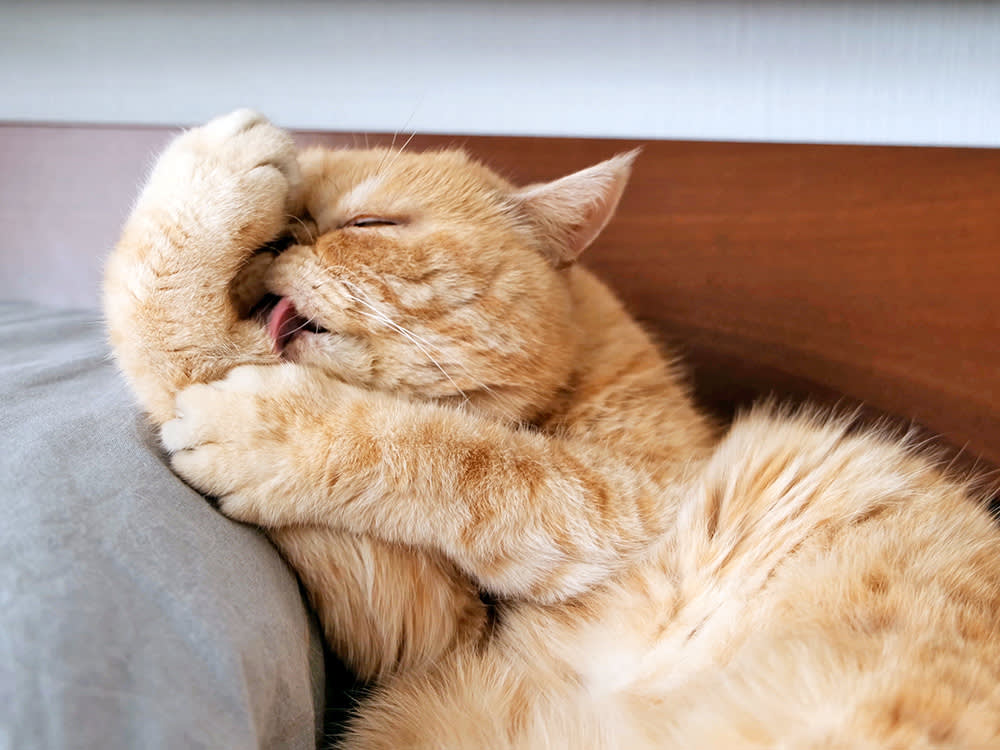
Cats groom by licking their fur with their rough tongues. This behavior starts when they are kittens. Mother cats teach their babies to groom early on. Grooming helps cats remove dirt, loose fur, and parasites. It also calms them down and reduces stress. Biting or nibbling during grooming is normal. It can help cats reach spots that are hard to clean with just their tongue.
Benefits Of Grooming
- Keeps fur clean and free of debris
- Removes loose hair and prevents matting
- Stimulates natural oils in the skin for a shiny coat
- Helps regulate body temperature
- Reduces anxiety and promotes relaxation
- Strengthens the bond between cats when grooming each other
Credit: www.kinship.com
Reasons Behind Self-biting
Understanding why your cat bites itself during grooming can help you address the issue before it becomes serious. Self-biting isn’t just a quirky habit; it often signals underlying problems that your furry friend needs help with. Let’s explore the common reasons behind this behavior so you can better support your pet’s health and happiness.
Skin Irritations And Allergies
Cats may bite themselves if their skin feels irritated or itchy. Allergies to food, pollen, or household chemicals often cause redness, swelling, and discomfort. You might notice patches of hair loss or raw spots where your cat has bitten repeatedly.
Have you checked if your cat’s environment has recently changed? Sometimes even a new detergent or cleaning product triggers these reactions.
Parasites And Infections
Parasites like fleas or mites are frequent culprits behind self-biting. These tiny pests cause intense itching and discomfort that your cat tries to relieve by biting or scratching. Infections, whether bacterial or fungal, can also make the skin sore and inflamed.
It’s easy to overlook small signs like flea dirt or scabs, but catching these early can save your cat a lot of pain.
Stress And Anxiety
Just like people, cats can experience stress and anxiety, which sometimes leads to self-biting as a coping mechanism. Changes in routine, loud noises, or new pets in the house can trigger this behavior. Your cat might seem restless or hide more often.
Could your cat be trying to tell you something through this behavior? Observing their environment closely could reveal hidden stressors.
Boredom And Overgrooming
When cats don’t get enough mental or physical stimulation, they may overgroom and bite themselves out of boredom. This repetitive behavior might start as normal grooming but can quickly become excessive and damaging. Providing toys, playtime, and interaction can redirect their energy.
Have you noticed if your cat is spending more time alone or inactive? Adding simple activities could reduce the urge to overbite.
Signs Of Problematic Biting
Not all cat biting during grooming is normal. Sometimes, it signals a problem that needs attention. Recognizing the signs helps protect your cat’s health and comfort. Watch closely for changes in appearance and behavior. These clues reveal if the biting is problematic.
Physical Symptoms To Watch For
- Red or swollen skin in bitten areas
- Hair loss or bald patches
- Open wounds or sores
- Scabs or crusts forming on the skin
- Excessive licking or biting of one spot
- Visible irritation or inflammation
Behavioral Changes
- Restlessness or inability to settle down
- Increased scratching or grooming beyond usual
- Hiding or avoiding interaction
- Signs of pain when touched
- Changes in eating or sleeping habits
- Aggressiveness or sudden mood shifts
Credit: www.goodrx.com
When To Consult A Vet
Noticing your cat biting itself while grooming can be normal, but sometimes it signals a deeper problem. Knowing when to seek veterinary advice can save your cat from unnecessary discomfort or health risks. Understanding the signs that warrant professional help is crucial for your pet’s well-being.
Identifying Serious Issues
If your cat’s biting turns into constant scratching or causes wounds, it’s time to pay attention. Look for signs like redness, swelling, hair loss, or scabs. These symptoms may indicate allergies, parasites, or skin infections that need treatment.
Is your cat acting restless or hiding more than usual? Behavioral changes alongside excessive biting can point to pain or anxiety. Ignoring these signs might make the problem worse.
Diagnostic Approaches
A vet will perform a thorough physical exam, checking your cat’s skin and coat condition. They may also take skin scrapings or perform allergy tests to pinpoint the cause.
Sometimes blood tests or flea checks are necessary to rule out underlying health issues. Diagnostic steps help create a precise treatment plan, ensuring your cat gets the right care quickly.
Have you ever felt unsure about your cat’s behavior? Don’t hesitate to reach out to your vet—it’s better to be cautious than to miss early warning signs.
Treatment And Prevention
Understanding how to treat and prevent your cat from biting itself during grooming is key to keeping your furry friend happy and healthy. This behavior often signals discomfort or stress, so addressing the root cause can make a big difference. Let’s look at effective ways to help your cat feel better and reduce this habit.
Medical Treatments
Sometimes, cats bite themselves because of underlying health issues like allergies, skin infections, or parasites. Visiting a veterinarian can help diagnose these problems accurately.
Your vet might suggest treatments such as:
- Topical creams or ointments to soothe irritated skin
- Medications to control allergies or infections
- Flea prevention products if parasites are the cause
Have you noticed if your cat’s biting gets worse during certain seasons? This could indicate an allergy that requires medical attention.
Environmental Enrichment
Stress and boredom often cause cats to over-groom or bite themselves. Adding more stimulation to your cat’s environment can divert their attention and reduce anxiety.
Try these ideas to enrich your cat’s daily life:
- Interactive toys and puzzle feeders to keep their mind busy
- Regular play sessions to release pent-up energy
- Safe outdoor access or window perches for natural entertainment
Think about your cat’s routine—could small changes make their day more exciting and less stressful?
Diet And Nutrition
Your cat’s diet plays a crucial role in skin health and overall well-being. Poor nutrition can lead to dry, itchy skin that encourages biting and licking.
To support your cat’s skin, consider:
- High-quality food rich in omega-3 and omega-6 fatty acids
- Supplements like fish oil after checking with your vet
- Eliminating potential food allergens if your cat shows sensitivity
Have you ever tried changing your cat’s diet to see if it improves their grooming behavior? Sometimes, a simple tweak can bring big relief.

Credit: www.reddit.com
Tips For Cat Owners
Cats bite themselves during grooming for several reasons. It could be normal cleaning or a sign of discomfort. Helping your cat maintain healthy grooming habits is key. Watching their behavior closely ensures their well-being. Here are practical tips for cat owners to support their furry friends.
Encouraging Healthy Grooming
Provide a quiet space for your cat to groom without stress. Regular brushing removes loose fur and reduces biting. Use a soft brush suited for your cat’s coat type. Keep grooming sessions short and positive to build trust. Offer treats after grooming to create a good experience. Check your cat’s skin for redness or sores regularly. Healthy skin reduces the need for excessive biting.
Managing Stress In Cats
Stress can cause cats to bite themselves more often. Create a calm environment with hiding spots and soft bedding. Keep a consistent daily routine to reduce anxiety. Play with your cat to release nervous energy. Use calming products like pheromone sprays if needed. Avoid loud noises or sudden changes in the home. Consult a vet if your cat shows signs of severe stress or behavior changes.
Frequently Asked Questions
Why Do Cats Bite Themselves While Grooming?
Cats bite themselves during grooming to remove dirt, loose fur, and parasites. This behavior helps keep their coat clean and healthy. Sometimes, biting can also soothe itchy or irritated skin caused by allergies or minor wounds.
Is Biting During Grooming Normal For Cats?
Yes, gentle biting during grooming is normal. It helps cats clean hard-to-reach areas and remove debris. However, excessive biting may indicate skin problems or stress, requiring a vet’s attention.
Can Biting While Grooming Harm Cats?
Usually, grooming bites do not harm cats if gentle. But intense biting can cause skin injuries or infections. Monitor your cat and consult a vet if you notice wounds or excessive discomfort.
What Causes Cats To Overbite Themselves When Grooming?
Overbiting may result from allergies, parasites, dry skin, or stress. These conditions cause itching or discomfort, leading cats to bite more aggressively. Identifying the root cause is essential for proper treatment.
Conclusion
Cats bite themselves during grooming to clean and remove loose fur. This behavior helps them stay neat and comfortable. Sometimes, biting can mean they feel itchy or stressed. Watch your cat for signs of irritation or injury. Gentle petting and proper care can reduce biting.
Understanding why cats bite themselves helps you keep them happy. A healthy cat is a happy cat. Keep learning about your pet’s habits for a stronger bond. Simple care goes a long way.
