

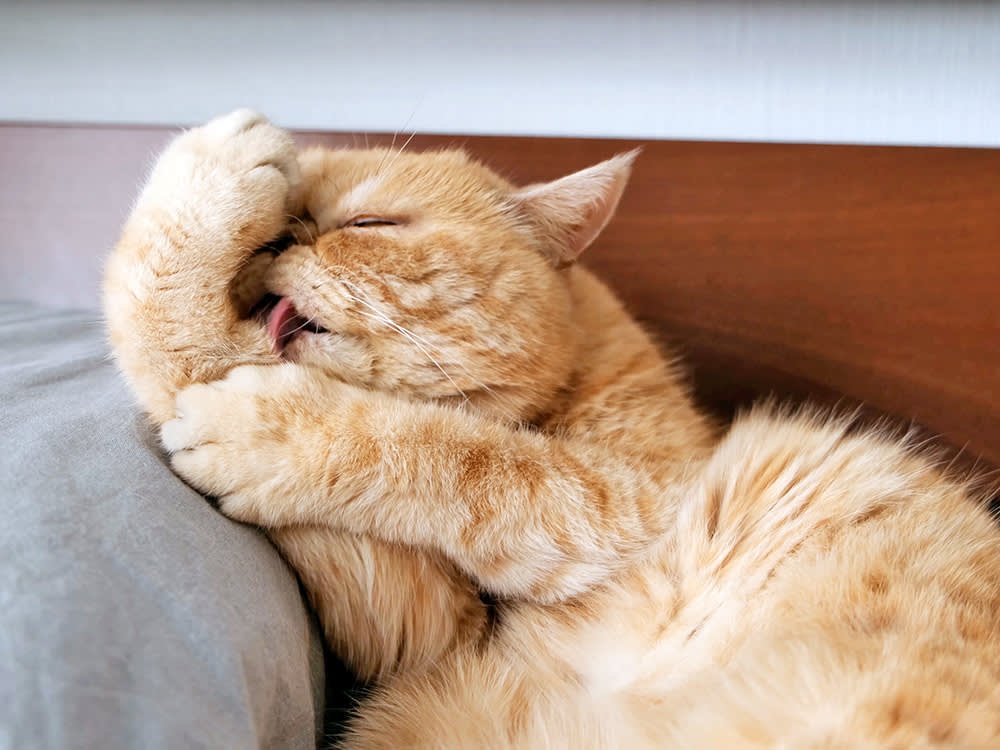
Have you ever watched your cat spend a surprising amount of time licking and cleaning itself? It might seem like just a simple habit, but there’s much more going on beneath the surface.
Understanding why cats groom themselves can give you a deeper connection with your furry friend and help you care for them better. Keep reading to discover the fascinating reasons behind this common behavior—and why it matters to your cat’s health and happiness.
Reasons Cats Groom
Cats grooming themselves is a behavior you’ve likely observed many times, but have you ever wondered why they do it so often? Grooming is more than just keeping fur tidy; it serves several important functions that impact a cat’s health and well-being. Understanding these reasons can help you appreciate your feline friend’s habits and even spot when something might be off.
Hygiene And Cleanliness
Keeping clean is a top priority for cats. They use their tongues to remove dirt, loose fur, and parasites like fleas. This daily routine helps prevent infections and keeps their coat shiny and healthy.
If you notice your cat grooming less than usual, it could be a sign of illness or discomfort. Have you checked your cat’s fur for unusual clumps or dirt recently?
Temperature Regulation
Cats also groom to help control their body temperature. When they lick their fur, saliva spreads and evaporates, cooling them down on hot days. This natural cooling system works like sweat does for humans.
Ever seen your cat licking fur more often in summer? That’s their way of staying comfortable without needing air conditioning.
Stress Relief And Comfort
Grooming acts like a stress ball for cats. When they feel anxious or nervous, licking themselves can calm their nerves. It’s a simple, soothing action that helps them regain balance.
Think about your cat’s behavior after a visit to the vet or a loud noise. Do they start grooming more? That’s their way of coping with stress.
Social Bonding
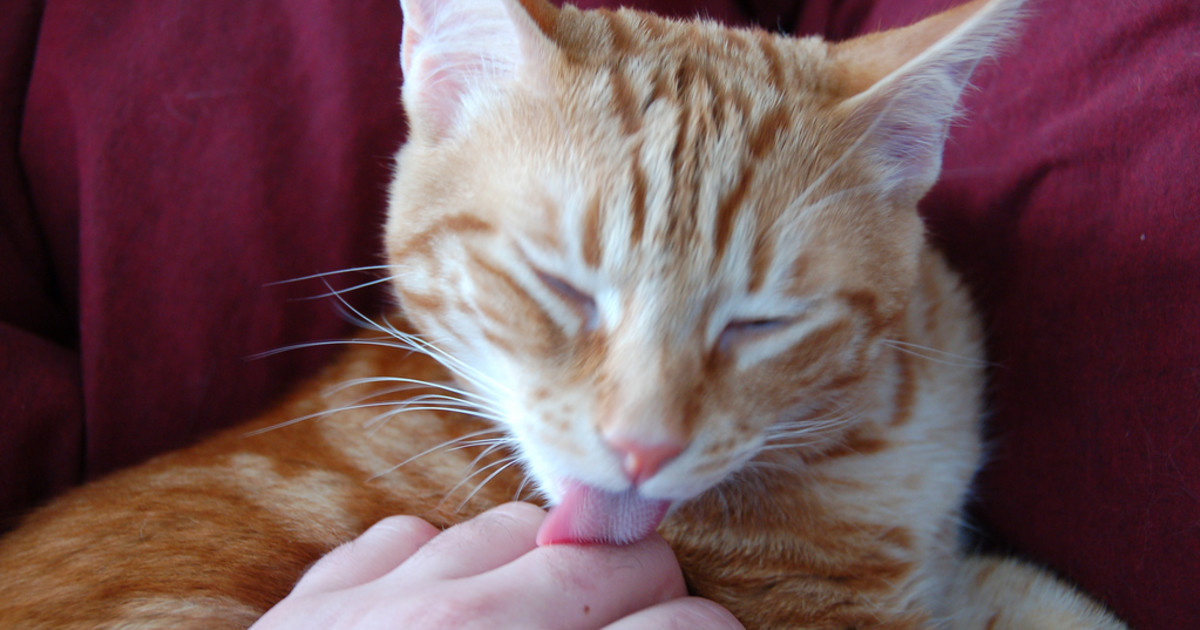
When cats groom each other, it’s called allogrooming, and it’s a powerful way to build trust and friendship. You might even notice your cat licking your hand or face. This is their way of including you in their social circle.
Have you ever felt a deeper connection with your cat after they groom you? It’s their unique way of saying, “You’re part of my family.”
How Grooming Works
Cats groom themselves to keep clean, cool, and healthy. Their grooming process is both precise and natural. It involves several body parts working together to remove dirt, loose fur, and parasites. Understanding how grooming works helps us appreciate this daily habit in cats.
Role Of The Tongue
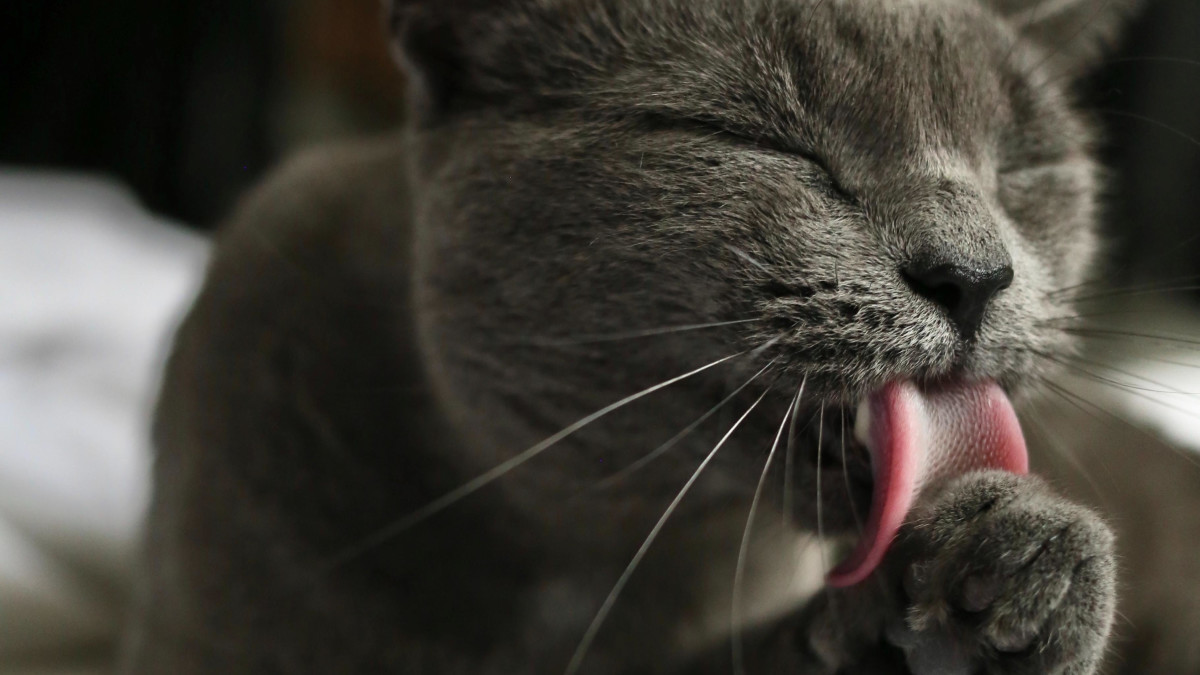
A cat’s tongue has tiny, backward-facing barbs called papillae. These barbs act like a comb to catch loose fur and dirt. The tongue also spreads natural oils over the fur. This keeps the coat shiny and waterproof. Grooming with the tongue helps cats cool down by spreading saliva on their fur.
Use Of Claws
Cats use their claws to scratch and groom hard-to-reach places. Scratching removes dead skin and stimulates blood flow. It also helps get rid of parasites hiding in the fur. Claws assist in pulling loose fur out during grooming sessions. This keeps the coat healthy and free from knots.
Frequency And Patterns
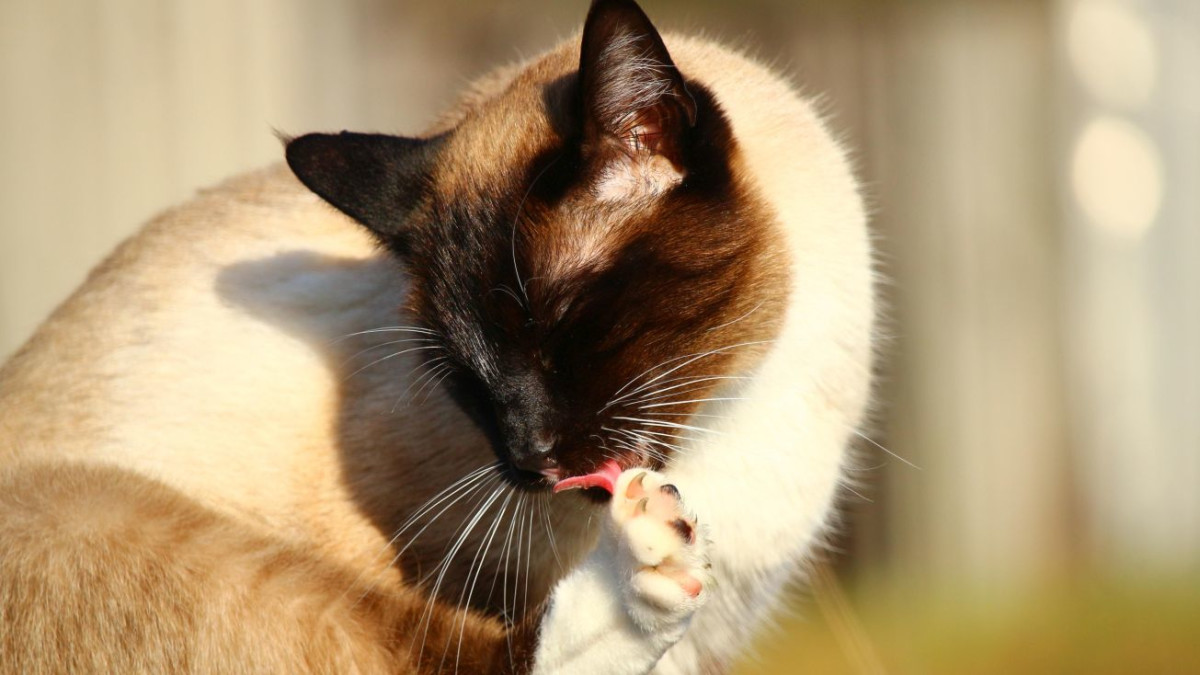
Cats groom themselves several times a day. Grooming sessions can last from a few minutes to over half an hour. They follow a pattern, starting from the head and moving down the body. Cats often pause to lick their paws, then clean their face and ears. This routine helps maintain their hygiene and comfort.
Grooming And Health
Cats spend a significant part of their day grooming themselves, and this behavior is closely tied to their health. Grooming does more than just keep them looking clean—it plays a vital role in maintaining their physical well-being. Understanding how grooming supports your cat’s health can help you spot potential issues early and keep your feline friend comfortable.
Removing Parasites
One key reason cats groom is to remove parasites like fleas and ticks. Their tongue’s rough texture helps catch and eliminate these pests before they cause serious problems. If you notice your cat grooming excessively or scratching a lot, it might be a sign that parasites are bothering them.
Have you checked your cat’s fur for tiny black specks or moving bugs recently? Catching parasites early can save your cat from discomfort and potential infections.
Skin And Coat Maintenance
Grooming spreads natural oils across your cat’s fur, keeping it shiny and healthy. This oil layer also protects their skin from drying out and shields them against dirt and moisture. When your cat grooms regularly, their coat stays smooth and less prone to matting.
Have you noticed your cat’s fur looking dull or patchy? It might mean they’re not grooming enough, which could be a sign of stress or illness.
Detecting Health Issues
Cats often use grooming to check their bodies for injuries or irritations. If your cat suddenly starts grooming one spot more than usual, it could indicate pain or discomfort. This self-inspection helps cats catch health problems early, but it also gives you clues to watch for.
Pay attention to any changes in your cat’s grooming habits—are they grooming more, less, or focusing on a particular area? These subtle signs can be your first hint to visit the vet.
Credit: pethelpful.com
Behavioral Insights
Understanding why cats groom themselves reveals key behavioral insights. Grooming is not just about cleanliness. It reflects their emotions and social habits. Cats use grooming to express comfort, stress, or health issues. Observing grooming patterns helps us learn about their well-being.
Grooming In Kittens Vs Adults
Kittens start grooming early, copying their mothers. It helps them bond and learn hygiene. Young cats groom less thoroughly than adults. Adult cats groom to stay clean and cool. Their grooming is more focused and regular. This behavior grows with age and experience.
Grooming As A Calming Mechanism
Cats groom to calm themselves during stress. It slows their breathing and heart rate. Grooming releases feel-good hormones called endorphins. This helps reduce anxiety and fear. Cats often groom after loud noises or new experiences. It acts like a natural stress reliever.
Overgrooming And What It Means
Too much grooming can signal problems. Overgrooming may cause bald spots or wounds. It often indicates stress, pain, or skin conditions. Some cats groom to cope with boredom or anxiety. A vet visit is important if overgrooming appears. Early help can prevent serious health issues.
Human Interaction And Grooming
Cats are meticulous groomers, but human interaction plays a surprising role in their grooming habits. Your presence and care can influence how your cat grooms itself, impacting its health and happiness. Understanding this connection helps you support your feline friend better.
How Owners Can Help
Grooming isn’t just a solo activity for cats; they often appreciate gentle assistance from their owners. You can help by regularly brushing your cat to remove loose fur and dirt, which reduces hairballs and skin irritation. Pay attention to your cat’s reactions—some enjoy it more than others, and respecting their comfort builds trust.
Have you noticed your cat licking less or seeming stressed during grooming? That could mean they need your help more than usual. Offering a calm environment and using soft strokes can make grooming a bonding experience rather than a chore.
Grooming Tools And Techniques
Choosing the right tools makes a big difference. Slicker brushes work well for dense coats, while rubber grooming gloves can be gentler for short-haired cats. You might find that your cat prefers one tool over another, so try different options.
- Use gentle strokes following the direction of fur growth.
- Focus on areas cats can’t easily reach, like behind the ears or under the chin.
- Be patient and keep sessions short if your cat is nervous.
Combining brushing with treats or playtime can turn grooming into a positive ritual. Have you tried incorporating your cat’s favorite snacks during grooming? It can create a link between grooming and pleasure.
When To Seek Veterinary Advice
Sometimes, changes in grooming behavior signal health problems. If your cat stops grooming altogether or over-grooms a specific spot, it could indicate pain, allergies, or skin infections. Don’t wait to consult a vet if you notice bald patches, redness, or sores.
Behavioral changes like excessive scratching or sudden aggression during grooming also warrant professional attention. Your vet can help identify the cause and suggest treatments to keep your cat comfortable and clean.
Credit: pethelpful.com
Credit: pethelpful.com
Frequently Asked Questions
Why Do Cats Groom Themselves So Often?
Cats groom themselves to stay clean and remove dirt. Grooming also helps regulate their body temperature and reduce stress. It keeps their fur smooth and free from parasites, promoting overall health.
How Does Grooming Benefit A Cat’s Health?
Grooming removes loose hair and prevents matting. It stimulates blood circulation and helps distribute natural oils. This keeps their coat healthy, shiny, and protects their skin from infections.
Can Grooming Reduce Stress In Cats?
Yes, grooming acts as a calming activity for cats. It helps them relax and feel safe. Grooming releases endorphins, which reduce anxiety and improve their mood.
Do Cats Groom To Communicate With Others?
Cats use grooming to bond with other cats and humans. Mutual grooming strengthens social ties and shows affection. It’s a way to build trust within their group.
Conclusion
Cats groom themselves to stay clean and healthy. Grooming helps remove dirt and loose fur. It also keeps their skin soft and cool. This behavior reduces stress and keeps them calm. Cats use grooming to bond with others too. Watching a cat groom shows their natural care.
Understanding this habit helps you care for your pet better. It’s a small but important part of their daily life. Keep your cat happy by respecting their grooming time. A clean cat is usually a happy cat.
