

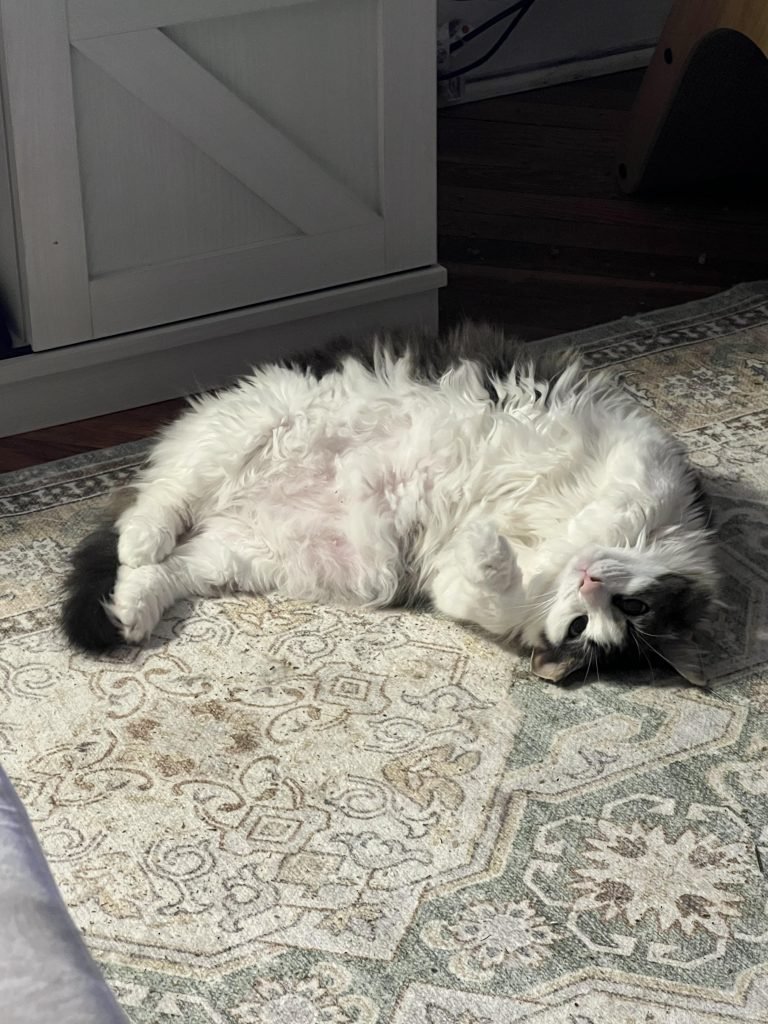
Have you ever noticed your cat licking itself more than usual? You might be wondering, “Why does my cat over groom?”
It’s easy to think it’s just a quirky habit, but excessive grooming can signal that something is wrong. Your cat’s constant licking might be a way to cope with stress, pain, or even allergies. Understanding why your furry friend is over grooming can help you keep them happy and healthy.
Keep reading to discover the surprising reasons behind this behavior and what you can do to help your cat feel better.
Signs Of Over Grooming
Noticing your cat grooming more than usual might seem harmless at first. But excessive grooming can actually signal discomfort or health issues. Recognizing the signs early helps you take action before the problem worsens.
Common Symptoms
Look for bald patches or thinning fur where your cat grooms frequently. You may see red, irritated skin or small scabs from constant licking. Sometimes, your cat might even chew or scratch the same spot repeatedly.
Have you ever caught your cat licking so much it seemed almost frantic? This behavior often goes beyond cleanliness and points to over grooming. Pay attention to how often and how intensely your cat grooms.
Areas Affected
Over grooming usually targets specific areas. The belly, legs, and sides are common spots because they are easy to reach. Sometimes, your cat may focus on the face or neck, especially if there’s discomfort there.
Notice if your cat’s grooming is limited to one side or one area. This can hint at localized pain or irritation, such as allergies or fleas. It’s important to check these areas regularly for signs of damage.
Behavioral Changes
Excessive grooming often comes with changes in behavior. Your cat might become more withdrawn or irritable. You may also see restlessness or pacing as a sign of underlying stress.
Have you observed your cat grooming more during certain times, like after loud noises or when left alone? Stress and anxiety can trigger over grooming just as much as physical pain. Understanding your cat’s habits can help you identify the root cause.

Credit: www.reddit.com
Medical Causes
Cats groom themselves to stay clean and healthy. Over grooming can signal a medical problem. It often means the cat feels itchy, stressed, or in pain. Understanding medical causes helps you find the right solution quickly.
Skin Allergies
Skin allergies can make cats scratch and lick a lot. Allergies may come from food, dust, pollen, or flea bites. This causes redness, swelling, and discomfort. Over grooming tries to relieve the itch but can lead to skin damage.
Parasite Infestations
Parasites like fleas and mites cause intense itching. Cats react by licking and biting their fur to remove these pests. Parasites irritate the skin and can lead to hair loss and sores. Treating the infestation stops the over grooming.
Pain And Discomfort
Injuries or infections cause pain that leads to over grooming. Cats may lick the painful area to soothe it. Sometimes arthritis or internal problems cause discomfort too. Identifying the source of pain helps reduce excessive grooming behavior.
Environmental Factors
Cats are very sensitive to their surroundings. Changes in the environment can make them feel uneasy. This unease often causes them to groom themselves more than usual. Over grooming can be a way for cats to cope with stress or discomfort caused by their environment.
Stress And Anxiety
Stress and anxiety are common reasons for over grooming. Loud noises, new people, or other pets can create stress. Cats may lick or bite their fur to calm down. This behavior gives them a sense of control. It helps them feel safer in an uncertain situation.
Changes In Routine
Cats thrive on routine. Any sudden change can upset them. Moving furniture, new schedules, or travel can cause stress. Over grooming may appear after these changes. It acts as a comfort habit. Grooming helps them adjust and regain calmness.
Lack Of Stimulation
Boredom can also lead to over grooming. Cats need mental and physical activity daily. Without enough play or attention, they get restless. Over grooming fills the gap left by missing stimulation. It keeps them busy but can harm their skin.
:strip_icc()/the-kitty-1011094438-5c3d1af5c9e77c00015e66a6.jpg)
Credit: www.thesprucepets.com
Psychological Reasons
Understanding why your cat overgrooms often leads us to psychological reasons behind this behavior. Cats use grooming not just for cleanliness but also to cope with stress or emotional discomfort. Identifying these mental triggers can help you support your cat better and reduce excessive grooming.
Compulsive Behaviors
Sometimes, overgrooming is a sign of compulsive behavior, similar to habits humans can’t easily stop. Your cat might lick or chew the same spot repeatedly, even to the point of causing skin damage. This usually happens when they feel overwhelmed or unable to control anxiety.
Have you noticed if your cat focuses on one area or grooms itself nonstop? This pattern often points to a compulsive disorder. Consulting a vet for behavioral therapy or medication can be a crucial step in managing this issue.
Boredom
Boredom can drive your cat to overgroom as a way to entertain itself. If your cat spends long hours alone with little stimulation, it might start grooming excessively just to fill the time. Think about whether your cat has enough toys, playtime, or interaction during the day.
Adding simple activities like puzzle feeders or new toys can redirect your cat’s focus. Have you tried engaging your cat with interactive play sessions? These moments can break the cycle of boredom and reduce overgrooming.
Separation Anxiety
Just like dogs, cats can suffer from separation anxiety, which often shows through overgrooming. When left alone, your cat might groom excessively to comfort itself or relieve stress. This behavior signals that your cat is struggling emotionally when you’re not around.
Try leaving a piece of your clothing or a familiar scent near your cat to ease their anxiety. Could setting a consistent routine or spending extra time together before you leave make a difference? Small changes can help your cat feel more secure and calm.
Preventive Measures
Preventive measures help keep your cat calm and healthy. Over grooming often signals discomfort or stress. Taking steps early can stop the behavior from getting worse. These measures improve your cat’s quality of life and prevent skin damage.
Regular Vet Checkups
Schedule vet visits at least twice a year. Vets can spot allergies, infections, or parasites causing irritation. Early diagnosis prevents serious problems. Discuss any grooming changes with your vet promptly. Follow their advice on treatment and care.
Environmental Enrichment
Create a stimulating space for your cat. Use toys, scratching posts, and climbing trees. Rotate toys to keep your cat interested. Enrichment reduces boredom, a common cause of over grooming. Provide cozy resting spots and safe hiding places.
Stress Reduction Techniques
Identify and reduce stress triggers in your home. Keep a consistent routine for feeding and playtime. Use calming products like pheromone diffusers or sprays. Speak softly and offer gentle petting. Avoid loud noises and sudden changes in environment.

Credit: www.reddit.com
Treatment Options
If your cat is over grooming, you might wonder how to help them feel better and stop this behavior. Treatment options vary depending on the cause, but there are effective ways to manage it. Understanding these options can guide you in providing the right care for your feline friend.
Medications
Sometimes, over grooming is linked to allergies or skin infections. In these cases, your vet may prescribe antihistamines or antibiotics to reduce irritation and infection. Steroids or anti-inflammatory drugs can also calm itchy skin and help your cat feel more comfortable.
Don’t be surprised if your vet suggests medication to address anxiety. Cats, like people, can experience stress that leads to over grooming. Anti-anxiety medications or calming supplements may be recommended to ease your cat’s mental state.
Behavioral Therapy
Behavioral therapy focuses on reducing stress and anxiety triggers in your cat’s environment. You can try increasing playtime or providing new toys to keep your cat mentally stimulated and distracted from over grooming. Have you noticed if your cat overgrooms more when left alone?
Sometimes, simple changes like adding a cozy hiding spot or using pheromone diffusers can make a big difference. These tools create a soothing atmosphere that helps your cat relax. It’s about creating a safe space where your cat feels secure.
Dietary Adjustments
Food allergies can cause skin irritation and lead to over grooming. Switching to hypoallergenic or limited ingredient diets might reduce allergic reactions. Have you checked if your cat’s current food contains common allergens like beef or dairy?
Adding omega-3 fatty acids supplements can improve skin health and reduce inflammation. These supplements often make the coat shinier and less itchy. Small diet changes can sometimes have a big impact on your cat’s comfort and behavior.
When To Seek Help
Knowing when to seek help for your cat’s over grooming is crucial. Over grooming can signal health or emotional problems. Early action can prevent serious issues and keep your cat happy. Watch your cat’s behavior closely. Understand the signs that mean it’s time to get professional advice.
Warning Signs
- Hair loss or bald patches
- Red, inflamed, or raw skin
- Constant licking or biting in one area
- Changes in appetite or mood
- Excessive scratching or restlessness
These signs show your cat may need help. Do not ignore them. Early detection helps find the cause faster.
Finding The Right Specialist
Start with a visit to your regular vet. They can check for medical problems. Skin infections, allergies, or parasites may cause over grooming.
If no medical cause appears, ask about a veterinary behaviorist. These experts focus on emotional or stress-related issues. They provide tailored treatments and advice.
Ensure the specialist has experience with cats. Ask about treatment methods and success rates. Your cat deserves the best care possible.
Emergency Situations
- Severe bleeding or open wounds
- Swelling or signs of infection
- Sudden, extreme changes in behavior
- Signs of pain or distress
These cases require immediate veterinary attention. Do not wait or try home remedies. Quick action can save your cat from serious harm.
Frequently Asked Questions
Why Does My Cat Groom Excessively?
Excessive grooming in cats often signals stress, allergies, or skin irritation. It can also indicate parasites or pain. Identifying the underlying cause is crucial for proper treatment and to prevent further skin damage.
Can Over Grooming Harm My Cat’s Skin?
Yes, over grooming can cause skin irritation, redness, and hair loss. It may lead to infections if the skin breaks. Monitoring and addressing over grooming early helps maintain your cat’s skin health.
How Can I Stop My Cat From Over Grooming?
To stop over grooming, reduce stress and check for allergies or parasites. Consult a vet for proper diagnosis and treatment. Providing enrichment and comfort also helps minimize excessive grooming behaviors.
Is Over Grooming A Sign Of Anxiety In Cats?
Yes, over grooming can be a sign of anxiety or stress in cats. Cats may groom to self-soothe when feeling nervous or bored. Managing stressors and providing a calm environment can reduce this behavior.
Conclusion
Cats over groom for many reasons like stress, allergies, or pain. Watching your cat closely helps you spot changes early. Keep your pet calm and safe to reduce over grooming. Visit the vet if the behavior lasts or worsens. Understanding your cat’s needs leads to a happier, healthier friend.
Small steps can make a big difference in their comfort. Caring for your cat means noticing when things are not right. Trust your instincts and act with kindness and patience.
