

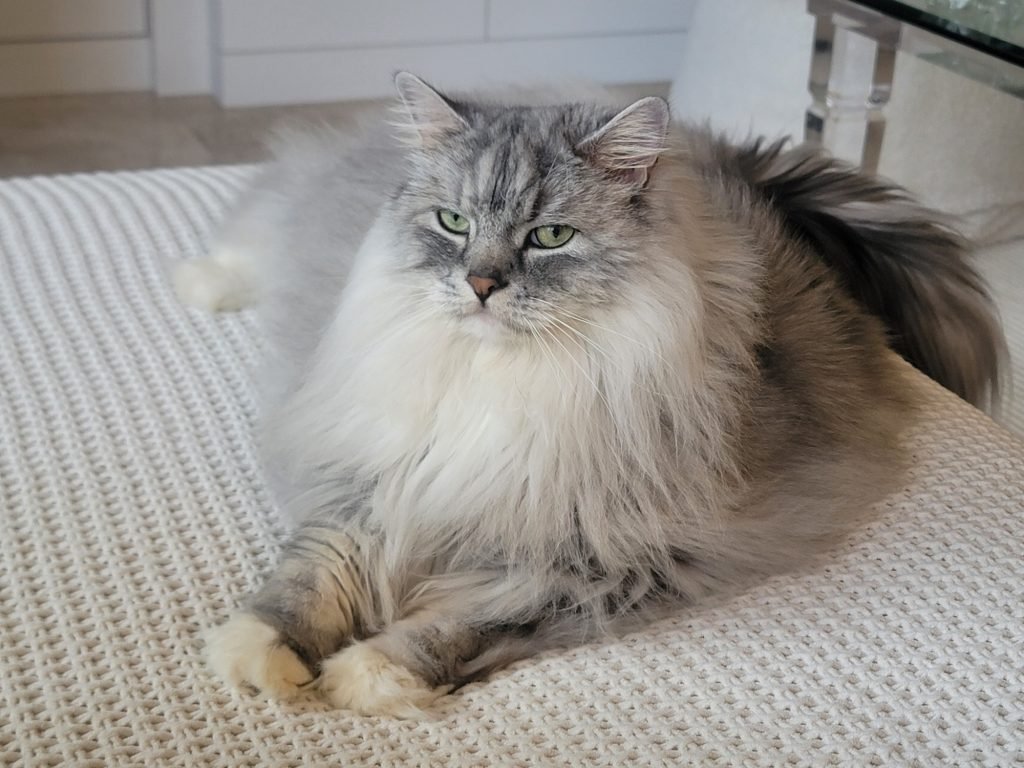
Are you curious about which house cats grow to impressive sizes? If you’ve ever wondered how big your feline friend could get, you’re in the right place.
Some cat breeds aren’t just cute—they’re downright giant! Knowing about the biggest house cat breeds can help you decide if a larger cat fits your lifestyle and home. Keep reading to discover which cats could become your gentle giant, and find out what makes them so special.
Your perfect big cat might be closer than you think!
Giant Cat Breeds
Giant cat breeds stand out not just because of their impressive size but also due to their unique personalities and charm. These cats can weigh significantly more than the average house cat, offering a presence that’s hard to ignore. If you’re curious about adding a gentle giant to your family, understanding their traits helps ensure a perfect match.
Maine Coon Characteristics
The Maine Coon is often called the “gentle giant” of the cat world. These cats can weigh between 13 to 18 pounds, with some males reaching over 20 pounds.
What makes them special is their friendly nature—they get along well with kids and other pets. Their thick, shaggy fur needs regular brushing, but their playful attitude makes grooming time fun.
Imagine a cat that greets you at the door, follows you around, and even chirps like a bird. That’s a Maine Coon’s way of showing affection.
Savannah Cat Traits
Savannah cats are a striking breed known for their wild appearance and impressive size. They can grow up to 25 pounds, making them one of the largest domestic cats.
These cats are energetic and highly intelligent, often learning tricks and playing fetch. Their exotic look comes with a short, spotted coat that’s easy to care for.
However, their high energy means they need plenty of stimulation. Have you thought about how you’ll keep a Savannah entertained and happy indoors?
Ragdoll Size And Temperament
Ragdolls are large, sturdy cats that weigh between 12 to 20 pounds. They get their name from their tendency to go limp and relaxed when you pick them up.
Known for their calm and affectionate nature, Ragdolls often seek out human company and enjoy cuddling. Their semi-long fur requires regular grooming but isn’t as dense as a Maine Coon’s.
If you want a laid-back companion who loves being around you without too much fuss, a Ragdoll might be your best choice.
:format(jpeg):quality(75))
Credit: manypets.com
Physical Features Of Large Cats
Large house cats stand out due to their impressive physical traits. Their size, coat, and eyes create a unique look. These features help identify the biggest breeds easily. Let’s explore what makes these cats so striking.
Size And Weight Comparisons
Big house cats often weigh between 15 and 25 pounds. Some even reach 30 pounds or more. Their length can exceed 3 feet from nose to tail tip. Large breeds have muscular, solid bodies. They look strong but stay graceful and agile.
Coat Patterns And Colors
Big cats come in many coat patterns. Common types include solid, tabby, and spotted. Colors range from black, white, and gray to orange and cream. Some have mixed patterns with stripes or swirls. Their thick, soft fur adds to their charm.
Eye Shapes And Expressions
Large cats have wide, expressive eyes. Eye shapes vary from round to almond-shaped. Their gaze often looks curious or wise. Eye colors include green, gold, blue, and copper. Bright eyes highlight their alert and lively nature.
Personality Traits Of Big Cats
Big house cats are not just large in size. Their personalities are unique and often surprising. Understanding their traits helps you connect better with these gentle giants. Their behavior varies, but many share common characteristics that make them lovable pets.
Affection Levels
Big cats often show strong affection. They enjoy being near their owners and seek attention. Many love gentle petting and cuddles. Some may follow you around the house. Their large size does not mean they lack warmth. These cats can be very loyal and loving companions.
Activity And Playfulness
Despite their size, big cats are usually playful. They enjoy interactive toys and chasing games. Their energy levels vary from calm to quite active. Some love climbing and exploring high places. Playtime keeps them healthy and happy. Engage them regularly to prevent boredom and obesity.
Social Behavior With Humans And Pets
Big cats can be social with both people and pets. Many adapt well to families and other animals. They may take time to warm up to strangers. Respect their space during this period. With patience, they often become friendly and trusting. Proper introductions help them live peacefully with other pets.
Care Tips For Large Breeds
Large house cat breeds need special care to keep them healthy and happy. Their size affects their diet, grooming, and exercise needs. Understanding these factors can help you provide the best environment for your big feline friend.
Diet And Nutrition Needs
Big cats burn more energy and need more calories than smaller breeds. Feeding your cat high-quality protein is essential to maintain strong muscles. Avoid overfeeding to prevent obesity, which is common in larger breeds.
Consider feeding your cat multiple small meals throughout the day instead of one large meal. This helps keep their metabolism steady and reduces the risk of digestive issues.
- Choose food rich in animal protein like chicken or fish.
- Include supplements like omega-3 for joint health.
- Keep fresh water accessible at all times.
Grooming Requirements
Big cats often have thick, dense coats that require regular grooming. Brushing your cat a few times a week helps reduce shedding and prevents hairballs. Pay extra attention to breeds with long hair, like the Maine Coon.
Don’t overlook nail trimming and ear cleaning, which become more important as your cat grows larger. These small steps keep your cat comfortable and prevent infections.
- Use a sturdy brush suited for your cat’s fur type.
- Check for mats or tangles regularly.
- Schedule professional grooming if needed.
Exercise And Space Considerations
Large cats are strong and active but need plenty of room to move around. Providing climbing structures, scratching posts, and interactive toys will keep them physically and mentally stimulated. Lack of exercise can lead to weight gain and boredom.
Think about your living space—does it allow your big cat to stretch and explore safely? Creating vertical space with shelves or cat trees can maximize their environment.
- Encourage daily play sessions to burn energy.
- Rotate toys to keep your cat interested.
- Consider leash training for outdoor exploration if possible.
Choosing The Right Big Cat
Choosing the right big house cat means understanding your needs and the cat’s nature. Large breeds need special care and attention. Their size affects how they live and interact with you. Think about how a big cat fits into your daily life and home. This helps ensure a happy life for both you and your cat.
Lifestyle Compatibility
Big cats need space to move and play. Active cats enjoy climbing and exploring. Calm cats prefer resting and cuddling. Match the cat’s energy with your routine. Busy owners may prefer a laid-back big cat. Families with children might choose playful, gentle breeds.
Living Space Factors
Large cats need more room than small cats. Consider your home size and layout. Apartments can be cozy but need vertical space. Houses with yards give more freedom. Think about safe outdoor access or secure windows. Big cats also need sturdy furniture and scratching posts.
Allergy And Health Concerns
Some big cat breeds shed more fur and dander. This can trigger allergies in sensitive people. Regular grooming lowers allergy risks. Big cats can have breed-specific health issues. Research common problems like joint or heart conditions. Choose a breed with health traits that suit you.

Credit: uk.style.yahoo.com

Credit: www.yahoo.com
Frequently Asked Questions
What Are The Biggest House Cat Breeds By Size?
The biggest house cat breeds include Maine Coon, Savannah, and Ragdoll. These cats weigh 15-25 pounds or more. They have large frames and muscular builds, making them the largest domestic cats.
Are Maine Coons The Largest Domestic Cat Breed?
Yes, Maine Coons are among the largest domestic cats. Males can weigh up to 25 pounds. They have long, thick fur and tufted ears, contributing to their impressive size.
How Big Do Savannah Cats Grow Indoors?
Savannah cats can weigh between 12 to 25 pounds indoors. They are tall, lean, and muscular with a wild appearance. Their size depends on the generation and breeding.
Do Big Cat Breeds Require Special Care?
Big cat breeds need regular grooming due to their thick fur. They require a balanced diet to support their size. Exercise and mental stimulation are vital for their health and happiness.
Conclusion
Big house cat breeds bring charm and size to your home. They often have gentle, friendly personalities. These cats enjoy playtime and plenty of space. Choosing a big breed means more cuddles and fun. Remember, each cat is unique and needs love.
Enjoy the company of these beautiful, large pets. They can become your loyal, lifelong friends. A big cat can brighten your day with ease. Consider their needs before bringing one home. Big cats make great companions for many families.
