

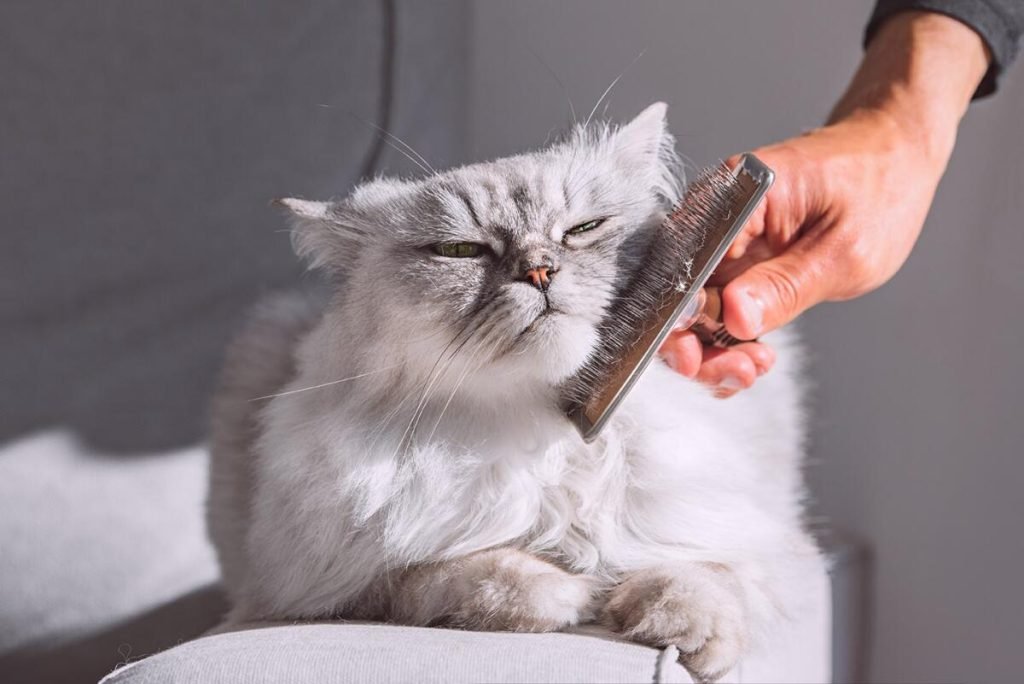
Taking care of your cat’s grooming at home isn’t just about keeping them clean—it’s about building a stronger bond and ensuring their health. You might think grooming is tricky or stressful, but with the right tips, it can become a calm and enjoyable part of your routine.
Imagine your cat feeling comfortable and happy while you keep their coat shiny and tangle-free. You’ll discover simple, effective ways to groom your cat at home without the hassle. Ready to make grooming easy and stress-free for both you and your furry friend?
Keep reading!
Tools For Home Cat Grooming
Having the right tools makes home grooming for your cat simpler and more effective. These tools help keep your cat comfortable and healthy while saving you time and stress. Choosing the right brushes, nail clippers, and cleaning supplies tailored to your cat’s needs can turn grooming into a bonding experience.
Essential Brushes And Combs
Every cat benefits from regular brushing, but the type of brush depends on their coat. Short-haired cats do well with a rubber brush that removes loose fur gently. Long-haired cats need a slicker brush or wide-toothed comb to detangle and prevent mats.
Try different brushes and see how your cat reacts. Does your cat prefer a soft bristle brush or something firmer? Pay attention to their comfort to avoid stress during grooming.
Nail Clippers And Trimmers
Keeping your cat’s nails trimmed is crucial to avoid scratching injuries and furniture damage. Use clippers designed specifically for cats—scissor-style or guillotine-style—to make the process safe and easy.
Look for clippers with a non-slip grip for better control. If your cat resists, try trimming just one or two nails at a time and reward them afterward. Have styptic powder nearby in case you cut too close and cause bleeding.
Shampoos And Cleaning Supplies
Choose shampoos made for cats, as their skin has a different pH than dogs or humans. Avoid harsh chemicals or fragrances that might irritate their skin or cause allergic reactions.
Besides shampoo, keep grooming wipes and ear cleaners handy for quick touch-ups. These supplies help maintain cleanliness without full baths, which some cats dislike.
Preparing Your Cat
Preparing your cat for grooming at home sets the stage for a smoother experience for both of you. Cats are sensitive creatures, and their comfort level can make all the difference. Taking time to prepare can reduce stress and make grooming a bonding moment instead of a battle.
Creating A Calm Environment
Your cat notices everything around them, especially sounds and smells. Choose a quiet room where your cat feels safe and undisturbed. Turn off loud appliances and close windows to block outside noises that might startle your cat.
Adding familiar items like their favorite blanket or toys helps your cat feel secure. Soft lighting is better than harsh, bright lights, which can make your cat uneasy. Think about playing gentle music or white noise to mask any sudden sounds.
Getting Your Cat Comfortable
Spend a few minutes petting and talking to your cat before grooming. Let them explore the grooming tools while you give treats, so they associate these items with positive experiences. Try holding the brush near them without using it at first.
Notice your cat’s body language—are they relaxed or tense? If your cat pulls away, give them space and try again later. Patience is key; rushing can make your cat more resistant next time.
Handling Techniques For Safety
Support your cat’s body gently but firmly to keep them from squirming and hurting themselves or you. Wrapping your cat in a soft towel can help calm them and limit movement during grooming. Avoid holding your cat too tightly, which can increase anxiety.
Use slow, steady movements to prevent startling your cat. Keep your fingers away from their claws and mouth to avoid scratches or bites. If your cat shows signs of stress, stop and give them a break before continuing.
Brushing Techniques
Brushing your cat is key to keeping its coat clean and healthy. Regular brushing removes dirt, loose hair, and helps reduce shedding. It also prevents hairballs and skin problems. Use gentle strokes to avoid hurting your cat. Be patient and calm during grooming sessions. Choose the right brush and technique based on your cat’s fur type.
Choosing The Right Brush
Selecting the right brush makes grooming easier and more effective. Cats with short hair need a different brush than long-haired cats. Some common types include:
- Slicker brushes: Best for removing loose fur and tangles.
- Bristle brushes: Good for short-haired cats to smooth the coat.
- Comb brushes: Useful for checking mats and removing dirt.
Choose a brush with soft or rounded tips to protect your cat’s skin.
Brushing Short-haired Cats
Use a bristle brush or rubber grooming glove for short-haired cats. Brush in the direction of hair growth. Start from the head and move to the tail. Brush gently to avoid irritating the skin. Short-haired cats usually need brushing once or twice a week.
Brushing Long-haired Cats
Long-haired cats require more frequent grooming. Use a slicker brush to reach through thick fur. Begin brushing at the neck and work toward the tail. Separate the fur into small sections for thorough brushing. Brush daily to prevent mats and tangles.
Dealing With Mats And Tangles
Mats can cause discomfort and skin problems. Use a wide-tooth comb or a mat splitter carefully. Hold the fur close to the skin to avoid pulling. Work on small sections gently to untangle knots. If mats are severe, consider consulting a professional groomer.

Credit: ultimatepetparent.com.au
Bathing Your Cat
Bathing your cat can feel like a daunting task, but it doesn’t have to be a stressful experience for either of you. Cats are naturally clean animals, but there are times when a bath is necessary to keep them healthy and comfortable. Understanding when and how to bathe your cat properly can make the process smoother and even strengthen your bond.
When To Bathe Your Cat
Most cats don’t need regular baths because they groom themselves well. You should consider bathing your cat if they get into something sticky or dirty that they can’t clean off. Another reason might be skin conditions or allergies that require medicated baths.
Older or overweight cats may struggle to groom certain areas, making baths helpful. If your cat has fleas, bathing can assist in controlling them, but consult your vet for the right shampoo. Ask yourself: is your cat’s coat dull or does it have an odor? These signs often mean a bath is due.
Step-by-step Bathing Guide
- Prepare all supplies beforehand: cat shampoo, a cup for rinsing, towels, and a non-slip mat.
- Fill the sink or tub with a few inches of lukewarm water. Avoid cold or hot water to keep your cat comfortable.
- Gently place your cat in the water, speaking softly to calm them.
- Wet your cat’s fur slowly, avoiding their face and ears.
- Apply cat-specific shampoo, massaging it gently into the coat.
- Rinse thoroughly to remove all shampoo, as residue can irritate the skin.
- Use a cup or handheld sprayer on a gentle setting to rinse.
Patience is key here. If your cat resists, pause and give them a reassuring stroke before continuing. Have you noticed how your cat responds when you change your tone or use a calm voice?
Drying Tips And Tricks
After the bath, wrap your cat in a soft towel to absorb excess water. Avoid rubbing vigorously, as this can tangle their fur and irritate their skin.
If your cat tolerates noise, use a hairdryer on the lowest heat and speed setting, keeping it far enough to avoid burning. Some cats prefer air drying in a warm room instead.
Brushing your cat’s fur while drying prevents mats and helps speed up the process. Keep treats handy to reward your cat’s patience and cooperation.
Nail Care At Home
Nail care is an important part of keeping your cat healthy and comfortable. Trimming your cat’s nails at home helps prevent scratches and damage to furniture. It also reduces the risk of nails growing into the paw pads. Regular nail care keeps your cat active and pain-free.
Trimming Nails Safely
Use sharp, small clippers made for cats. Hold your cat gently but firmly. Trim only the sharp tip of the nail. Avoid cutting into the quick, the pink part inside the nail. Cutting the quick causes pain and bleeding. If unsure, trim a little at a time. Praise your cat to keep it calm.
Signs Of Overgrowth
- Nails curling under the paw
- Clicks heard when walking on hard floors
- Difficulty walking or limping
- Scratches on furniture or skin
- Visible damage or splitting of nails
Notice these signs early to prevent pain. Overgrown nails can cause infections or joint problems.
Alternatives To Clipping
Use scratching posts to help wear nails naturally. Soft nail caps protect furniture and people. Regular play encourages nail trimming through activity. Some cats may benefit from professional grooming. Monitor nails often to decide what works best.
Ear And Eye Care
Taking care of your cat’s ears and eyes is a crucial part of at-home grooming. These sensitive areas can easily develop problems if neglected. Regular, gentle care keeps your feline friend comfortable and healthy.
Cleaning Ears Gently
Cat ears can collect dirt, wax, and sometimes mites. Use a soft cotton ball or a clean cloth dampened with a vet-approved ear cleaner. Never insert anything deep into the ear canal; this can cause damage.
Gently wipe the visible parts of the ear, removing any buildup. If your cat resists, pause and try again later—forcing it can create fear. Have you noticed your cat scratching its ears more than usual?
Removing Eye Discharge
Eye discharge is common, especially after sleep, but excessive buildup might signal irritation. Use a soft, damp cloth or a cotton pad moistened with warm water to wipe away crust or tear stains.
Wipe from the inside corner of the eye outward, using a fresh cloth for each eye to prevent spreading infection. Avoid using harsh chemicals or soaps near the eyes. Have you ever seen your cat’s eyes watering more than normal?
When To Seek Vet Advice
Some signs mean it’s time to call the vet rather than handle the issue yourself. Look out for redness, swelling, foul odor, or persistent scratching around ears or eyes.
If your cat has constant eye discharge, squints, or shows signs of pain, professional care is necessary. Don’t wait for symptoms to worsen; early intervention can prevent serious problems.
Managing Shedding And Hairballs
Shedding and hairballs can be frustrating for both you and your cat. Managing these issues at home improves your cat’s comfort and keeps your living space cleaner. It also reduces the chances of your furry friend developing digestive problems caused by hairballs.
Regular Grooming Schedule
Setting up a consistent grooming routine helps control shedding effectively. Brushing your cat daily removes loose hair before it falls around your home.
Use the right brush for your cat’s fur type—slicker brushes work well for long-haired cats, while rubber brushes are great for short-haired ones. Try to make grooming a calm, enjoyable time for your cat to reduce resistance.
Diet And Hydration Tips
Your cat’s diet plays a big role in the condition of their coat. Feeding high-quality food rich in omega-3 and omega-6 fatty acids supports healthy skin and fur.
Hydration is just as important. Cats often don’t drink enough water, so adding wet food or providing a cat water fountain can improve hydration. Well-hydrated skin sheds less and feels healthier.
Products To Reduce Shedding
There are several products designed to help reduce shedding and hairballs. Hairball control treats and supplements containing natural fibers can aid your cat’s digestion and hair elimination.
Special shampoos formulated for shedding control also help, especially when used occasionally during baths. Consider consulting your vet before introducing new products to ensure they’re safe for your cat.

Credit: www.latimes.com
Handling Difficult Cats
Handling a difficult cat during grooming can test your patience and skill. Cats are sensitive creatures, and some may react with fear or aggression. Understanding their behavior and responding calmly can turn a stressful session into a smoother experience for both of you.
Recognizing Stress Signals
Before you even begin grooming, watch your cat’s body language closely. Signs like flattened ears, twitching tails, dilated pupils, or vocalizations such as hissing indicate stress. If your cat stiffens or tries to escape, these are clear signals to pause and reassess your approach.
Ignoring these signs can escalate the situation quickly. Have you noticed how your cat’s posture changes just before they become defensive? Recognizing these early signs helps you act before stress turns into aggression.
Techniques To Calm Anxious Cats
Creating a calm environment is key. Use a quiet room with minimal distractions and speak softly to reassure your cat. Gentle petting or slow, circular strokes can help relax tense muscles.
Try breaking grooming into short sessions instead of one long one. This reduces overwhelm and builds trust over time. You might find that pausing to let your cat settle before continuing makes a big difference.
Using Treats And Rewards
Treats can be powerful tools to encourage cooperation. Offer small, tasty rewards immediately after your cat remains calm or allows a grooming step. This positive reinforcement teaches your cat that grooming is linked to good things.
Consistency is crucial. Use treats every time during the early stages to build a strong connection between grooming and rewards. Have you experimented with different treats to find the ones your cat loves most? This knowledge can be your secret weapon.

Credit: www.latimes.com
Frequently Asked Questions
How Often Should I Groom My Cat At Home?
Cats should be groomed at least once a week. Long-haired cats need daily grooming to prevent mats. Regular grooming reduces shedding and hairballs. It also helps check for skin issues or parasites early.
What Tools Are Best For At-home Cat Grooming?
Use a soft-bristle brush for short-haired cats. Long-haired cats benefit from a wide-tooth comb and slicker brush. Nail clippers designed for pets are essential. Always keep grooming tools clean and sharp for best results.
How Do I Safely Trim My Cat’s Nails?
Use pet nail clippers and hold the paw gently. Avoid cutting the pink quick inside the nail. Trim small amounts at a time to prevent bleeding. Reward your cat with treats to make grooming positive.
Can I Bathe My Cat During Home Grooming?
Bathing is rarely needed unless your cat is dirty or has skin issues. Use cat-specific shampoo and lukewarm water. Be gentle and avoid the face. Dry your cat thoroughly to prevent chills and stress.
Conclusion
Caring for your cat at home keeps them happy and healthy. Regular grooming helps prevent mats and skin problems. It also creates a strong bond between you and your pet. Use gentle tools and be patient during each session. Small steps make grooming easier for both of you.
Keep a routine to make it a calm habit. Your cat will enjoy the attention and care. Simple grooming keeps your cat looking and feeling good every day.
