

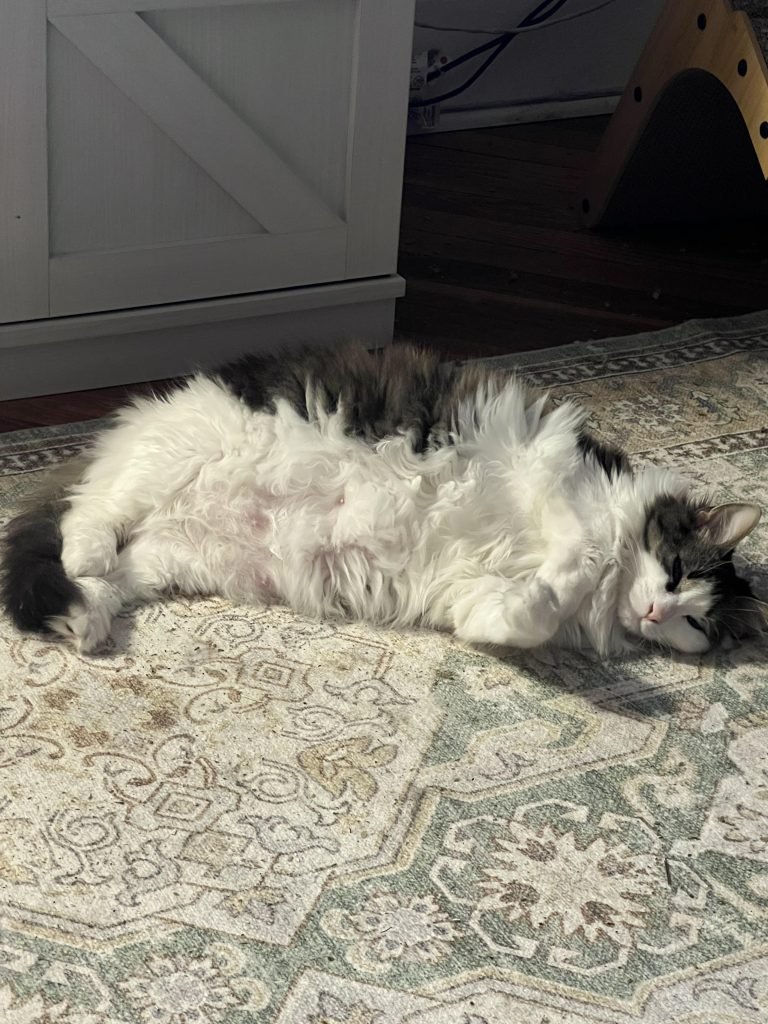
Is your cat spending too much time licking or chewing its fur? If you’ve noticed your furry friend over grooming, it can be worrying—and confusing.
You might wonder why your cat is doing this and what it means for their health. Over grooming isn’t just a quirky habit; it can signal stress, allergies, or even pain. Understanding what’s behind this behavior is the first step to helping your cat feel comfortable and happy again.
Keep reading to discover the common causes, signs to watch for, and simple ways you can support your cat through this. Your cat’s well-being depends on it—and you’re the best person to make a difference.
Causes Of Over Grooming
Over grooming in cats can be a sign that something is off in their environment or health. Understanding what causes this behavior helps you address the root of the problem and improve your cat’s well-being. Let’s look at the common reasons behind over grooming.
Stress And Anxiety
Cats often groom themselves to calm down when they feel stressed or anxious. Changes in their routine, new pets, loud noises, or even your absence can trigger this behavior.
If your cat suddenly starts licking or biting more than usual, ask yourself what might be causing stress. Have you moved recently or introduced new family members? Observing these patterns helps you create a calmer environment for your cat.
Allergies And Skin Issues
Over grooming can indicate allergies or skin problems. Cats may lick or bite irritated areas trying to soothe itchiness or discomfort.
Common allergens include certain foods, pollen, dust mites, or cleaning products. Check your cat’s skin for redness, bumps, or hair loss and consider consulting a vet to identify possible allergens.
Parasites And Infections
Fleas, mites, or fungal infections can cause intense itching, leading your cat to over groom. These parasites are often hard to spot but cause significant discomfort.
Keep an eye out for tiny black specks (flea dirt), scabs, or bald patches. Regular vet check-ups and parasite prevention can save your cat from this painful irritation.
Boredom And Lack Of Stimulation
Sometimes, your cat’s over grooming is a sign of boredom or not enough mental and physical activity. Cats need playtime and engagement to stay happy and healthy.
If your cat is home alone for long periods or has limited toys, they may turn to grooming as an outlet. Try adding interactive toys, puzzle feeders, or regular play sessions to keep them busy and reduce over grooming.
Signs To Watch For
Recognizing the signs of over grooming in your cat early can save them from discomfort and potential health problems. Watching closely for specific symptoms helps you act before things get worse. Here are the key signs to keep an eye on.
Hair Loss Patterns
Notice if your cat has bald spots or thinning fur. Over grooming often creates uneven patches rather than smooth, natural shedding. These spots usually appear on areas your cat can easily reach, like the belly, legs, or around the neck.
Have you seen your cat’s fur looking patchy or uneven lately? This could be a red flag signaling over grooming.
Redness And Irritation
Check your cat’s skin for redness, swelling, or small sores. Over grooming can cause the skin to become irritated and inflamed. Sometimes, the skin might look shiny or scaly due to constant licking or biting.
If you spot any irritated areas, it’s a sign your cat is hurting themselves with excessive grooming.
Behavioral Changes
Is your cat suddenly more anxious or restless? Behavioral shifts often accompany over grooming. Your cat might hide more, seem stressed, or act unusually aggressive or withdrawn.
Consider how your cat’s mood has changed. Could stress or anxiety be driving their grooming habits?
Excessive Licking Sounds
Listen for frequent licking noises that stand out from your cat’s usual grooming. When licking becomes a repetitive or obsessive sound, it signals over grooming. This behavior can happen even when your cat doesn’t seem dirty or itchy.
Have you noticed your cat licking loudly or constantly? It’s worth investigating if this habit is more than just normal cleaning.
When To See A Vet
Knowing when to see a vet is crucial if your cat is over grooming. Over grooming can signal discomfort or health issues. Early veterinary advice helps prevent serious problems. Watch your cat closely for signs that need professional care.
Persistent Symptoms
Persistent over grooming lasting more than a week needs a vet check. Continuous hair loss or skin irritation shows a deeper problem. Don’t ignore repeated licking or biting at the same spot.
Signs Of Infection
Look for redness, swelling, or oozing wounds on your cat’s skin. Foul smells or scabs around groomed areas may indicate infection. These symptoms require prompt veterinary treatment to avoid worsening.
Behavioral Concerns
Changes in mood or activity can connect to over grooming. If your cat seems anxious, depressed, or hides often, talk to a vet. Stress or anxiety might cause over grooming and need addressing.
Underlying Health Problems
Over grooming can mask allergies, parasites, or hormonal imbalances. A vet can find hidden health issues through tests. Don’t delay a vet visit if you suspect illness beyond grooming habits.

Credit: www.reddit.com
Home Remedies To Try
Over grooming in cats can be stressful for both pets and owners. Simple home remedies help reduce this behavior naturally. These remedies focus on comfort, nutrition, and gentle care to ease your cat’s anxiety and skin irritation.
Calming Environment
Create a quiet and safe space for your cat. Reduce loud noises and sudden movements around your pet. Soft bedding and cozy hiding spots help your cat feel secure. Use pheromone diffusers to relax your cat and lower stress levels.
Dietary Adjustments
Offer a balanced diet rich in omega-3 and omega-6 fatty acids. These nutrients support healthy skin and coat. Avoid foods with artificial additives or allergens that may irritate the skin. Consult your vet about supplements that improve skin health.
Regular Playtime
Engage your cat in daily play sessions to burn energy. Use toys like feather wands or laser pointers to stimulate activity. Play reduces boredom and stress, which can trigger over grooming. Short, frequent playtimes work best for most cats.
Natural Soothing Products
Apply natural remedies like aloe vera or coconut oil on irritated skin. These soothe itching and promote healing. Use products made for cats only, avoiding harsh chemicals. Always test a small skin area first and watch for reactions.
Behavioral Solutions
Behavioral solutions can help reduce over grooming in cats. These approaches focus on changing your cat’s daily habits and surroundings. They also aim to keep your cat busy and mentally healthy. Consistent efforts often lead to calmer and happier pets.
Interactive Toys
Interactive toys keep your cat’s mind active. Toys like puzzle feeders challenge your cat to find food. Wand toys encourage natural hunting behavior. These activities reduce boredom and stress that cause over grooming. Rotate toys often to keep your cat interested.
Environmental Enrichment
Environmental enrichment makes your cat’s space more exciting. Add climbing trees, scratching posts, and cozy hiding spots. Place bird feeders outside windows for natural entertainment. This helps your cat feel safe and engaged. A rich environment lowers anxiety and grooming urges.
Routine Changes
Cats thrive on routine. Feeding, playtime, and rest should happen at set times. Avoid sudden changes in your cat’s day. Predictability helps reduce stress and obsessive behaviors. Small adjustments can improve your cat’s comfort and behavior.
Positive Reinforcement
Use positive reinforcement to encourage good behavior. Praise and treats reward your cat when it stops over grooming. Avoid punishment, which can increase stress and worsen grooming. Consistent rewards teach your cat healthier habits over time.

Credit: www.reddit.com
Medical Treatments
If your cat is over grooming, medical treatments can play a crucial role in easing their discomfort and stopping the cycle of excessive licking or scratching. Understanding the right treatment depends on identifying the root cause, whether it’s allergies, stress, parasites, or skin conditions. Let’s look at some options that vets often recommend to bring relief to your furry friend.
Medications For Allergies
Allergies often trigger over grooming in cats. Antihistamines or corticosteroids can reduce itching and inflammation quickly.
Sometimes, vets prescribe allergy shots or special diets to pinpoint and manage triggers. Have you noticed if your cat’s symptoms worsen after certain foods or environmental changes?
Anti-anxiety Options
Stress and anxiety are common causes of over grooming. Your vet might suggest anti-anxiety medications to help calm your cat.
These drugs can improve mood and reduce obsessive grooming behaviors. Alongside medication, creating a calm environment is key to lasting improvement.
Topical Treatments
Topical creams and sprays can soothe irritated skin and promote healing. Some contain ingredients like aloe vera or hydrocortisone for itch relief.
Applying these treatments can be challenging, but they often provide quick comfort. Have you tried any soothing gels or ointments on your cat’s skin?
Parasite Control
Parasites such as fleas or mites often cause intense itching leading to over grooming. Effective parasite control is essential to stop this cycle.
Regular flea treatments and thorough cleaning of your cat’s environment can make a big difference. Could unseen parasites be the hidden reason behind your cat’s discomfort?
Preventing Over Grooming
Preventing over grooming in cats starts with understanding what triggers this behavior. Over grooming can cause skin problems and discomfort. Careful attention to your cat’s health and environment helps stop this habit early. Small changes can make a big difference in your cat’s well-being.
Regular Vet Checkups
Frequent vet visits catch health issues early. Skin infections or allergies may cause over grooming. Your vet can suggest treatments or changes in care. Keeping vaccinations up to date protects your cat from diseases. Regular checkups ensure your cat stays healthy and comfortable.
Balanced Diet
A nutritious diet supports healthy skin and fur. Poor nutrition can cause itching and hair loss. Feed your cat high-quality food with essential vitamins. Omega-3 fatty acids help reduce skin inflammation. Clean, fresh water should always be available to your cat.
Stress Reduction Techniques
Stress is a common cause of over grooming. Create a calm and safe space for your cat. Use pheromone diffusers or calming sprays to ease anxiety. Avoid loud noises or sudden changes in the environment. Provide hiding spots where your cat can relax alone.
Consistent Play And Attention
Regular play keeps your cat active and happy. Boredom may lead to over grooming as a self-soothing habit. Spend time daily with toys or gentle petting. Interactive play helps reduce stress and builds trust. Attention from you makes your cat feel secure and loved.

Credit: www.reddit.com
Frequently Asked Questions
Why Is My Cat Over Grooming Itself?
Cats over groom due to stress, allergies, or skin infections. Over grooming may also indicate pain or boredom. Identifying the cause helps in proper treatment and relief for your cat.
How Can I Stop My Cat From Over Grooming?
Reduce stress by providing a calm environment and playtime. Consult a vet to rule out allergies or infections. Use calming products or behavioral therapy if needed to prevent over grooming.
Can Over Grooming Harm My Cat’s Skin?
Yes, over grooming can cause skin irritation, hair loss, and infections. Persistent licking damages the skin’s protective barrier, leading to sores and discomfort. Prompt care is essential to avoid complications.
When Should I See A Vet For Over Grooming?
If your cat has bald spots, wounds, or constant licking, see a vet. Also, seek help if behavior changes or the problem worsens. Early diagnosis ensures effective treatment and comfort.
Conclusion
Over grooming in cats can signal stress or health problems. Watch your cat closely and note any changes. Offer a calm, safe space to help reduce anxiety. Provide regular play and attention to keep your cat happy. If over grooming continues, seek advice from a vet.
Early action helps prevent skin damage and pain. Your cat’s comfort and health come first. Stay patient and caring throughout the process. Small changes can make a big difference. Keep learning about your cat’s needs every day.
