

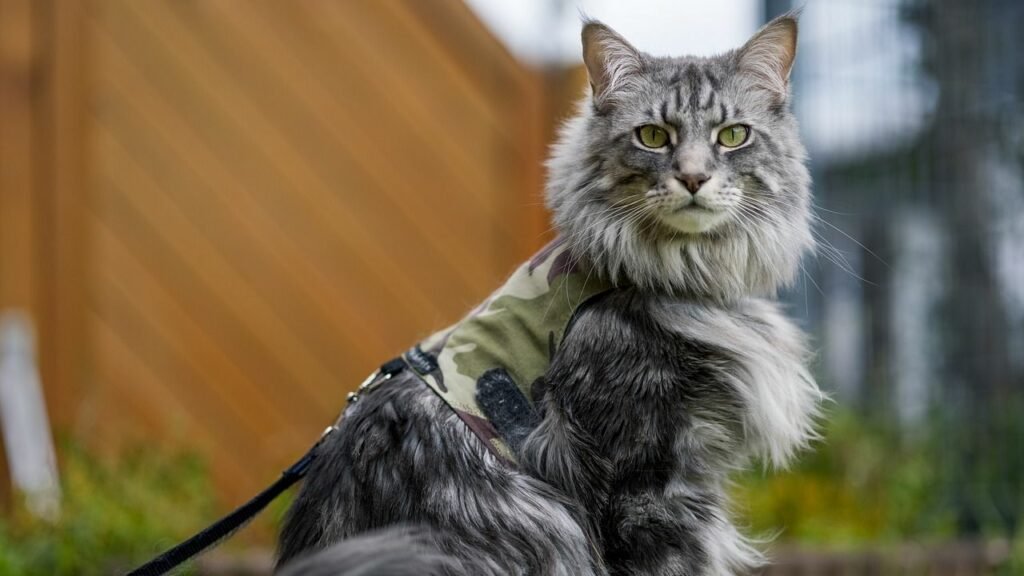
Are you looking for a cat that feels more like a gentle giant than a tiny pet? Large house cat breeds bring a unique charm to your home, combining impressive size with loving personalities.
If you want a furry friend who stands out and fills your space with warmth, understanding these big breeds is key. Keep reading to discover which large cats could be the perfect match for your lifestyle and how they can transform your home into a cozy, lively haven.
Credit: www.rd.com
Traits Of Large Cat Breeds
Large cat breeds stand out not just because of their impressive size but also due to their unique traits. Understanding these traits helps you care for them better and appreciate their special qualities. Let’s dive into what makes these big felines truly remarkable.
Physical Characteristics
Large cat breeds usually have a muscular build and a sturdy frame. They often weigh between 15 to 25 pounds or more, with some like the Maine Coon reaching even heavier weights.
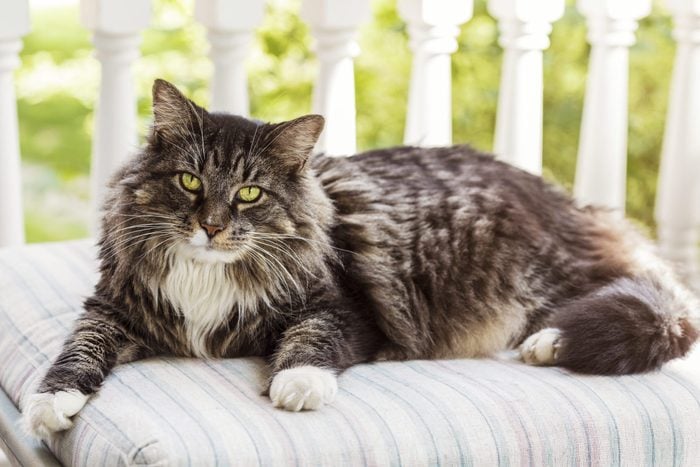
Their paws are bigger, and their legs are thicker compared to smaller cats. You’ll notice broad heads and long, bushy tails in many large breeds, enhancing their majestic look.
Coat types vary widely—some have long, thick fur while others sport a dense but shorter coat. This affects grooming needs, so expect to spend more time brushing your big cat than you would with smaller breeds.
Personality And Temperament
Large cats often surprise people with their gentle nature. Despite their size, many are affectionate and enjoy being around their human family.
They tend to be playful and intelligent, quickly learning new tricks or games. However, some can be more independent, so it’s important to observe how your cat prefers to interact.
Have you noticed how some large cats seem to act like dogs, following their owners around? This loyalty is a trait that sets them apart and can make your bond even stronger.
Health Considerations
Size comes with specific health challenges. Large cats are more prone to joint issues like arthritis due to their weight and bone structure.
Regular vet check-ups are crucial to catch any early signs of health problems. You might also need to adjust their diet to prevent obesity, which can worsen other conditions.
Breeds like the Norwegian Forest Cat and Savannah have unique genetic traits that can influence their health. Knowing these details helps you take proactive steps to keep your cat healthy and happy.
Credit: www.rd.com
Popular Large Cat Breeds
Large house cat breeds attract many pet lovers. Their size and gentle nature make them unique companions. These cats often have striking features and calm temperaments. They need space but adapt well to homes. Here are some popular large cat breeds known for their impressive size and friendly behavior.
Maine Coon
The Maine Coon is one of the largest domestic cats. It has a thick, water-resistant coat perfect for cold climates. These cats are friendly and playful. They enjoy human company and are good with children. Their tufted ears and bushy tails give them a wild look.
Norwegian Forest Cat
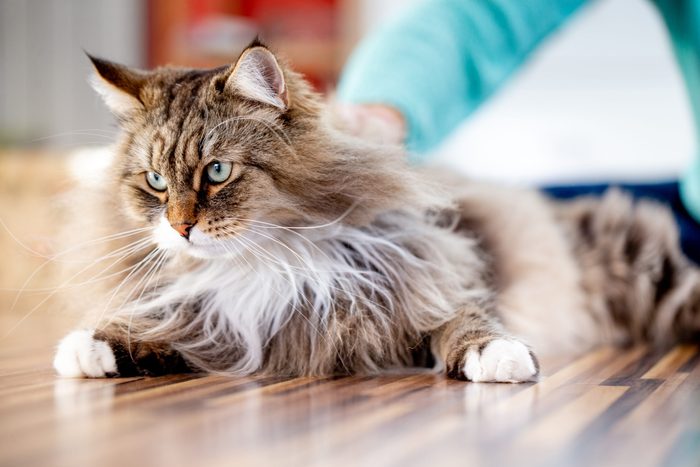
This breed has a strong, muscular build and a long, dense coat. It is native to Norway and adapted to cold weather. Norwegian Forest Cats are independent but loving. They climb well and like exploring. Their triangular face and almond-shaped eyes stand out.
Ragdoll
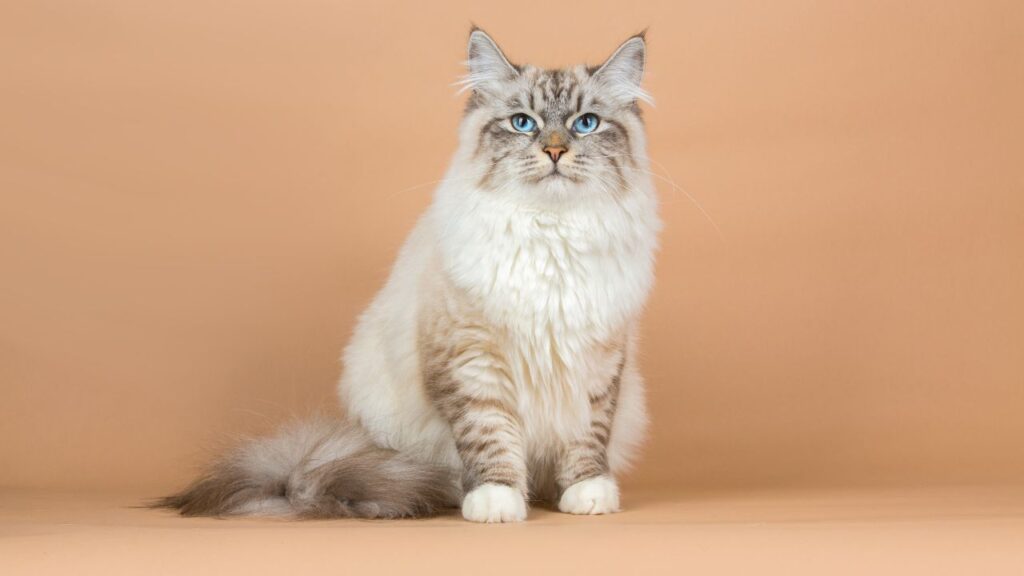
Ragdolls are large, affectionate cats with blue eyes. They often go limp when held, which gives them their name. These cats enjoy being cuddled and follow owners around. Their silky coat needs regular grooming. Ragdolls are calm and gentle pets.
Siberian Cat
The Siberian Cat is a strong, agile breed from Russia. It has a thick triple coat that protects it from harsh winters. Siberians are playful, intelligent, and social. They like to jump and climb. Their round eyes and soft fur make them very charming.
Savannah Cat
Savannah Cats are tall and lean with a wild appearance. They are a cross between a domestic cat and a serval. These cats are active, curious, and loyal. They need lots of playtime and mental stimulation. Savannahs have spotted coats and large ears.
Choosing The Right Large Cat
Choosing the right large cat breed is important for a happy home. Large cats need space, care, and activity that suits their size. Understanding their needs helps avoid problems and keeps your cat healthy. Consider their living space, activity level, and grooming needs before bringing one home.
Living Space Needs
Large cats require more room than smaller breeds. They enjoy climbing and exploring. A small apartment might feel cramped. Provide tall cat trees and wide spaces. Outdoor access can be beneficial but must be safe. Think about the space your cat will need daily.
Activity Levels
Most large cats are playful and curious. Some breeds like Maine Coons stay active for years. Others are calmer and prefer lounging. Match your cat’s energy with your lifestyle. Active cats need toys and exercise. Less active cats still need mental stimulation.
Grooming Requirements
Large cats often have thick, long fur. Regular brushing prevents mats and hairballs. Some breeds shed a lot during seasons. Bathing is rare but sometimes necessary. Check ears and trim nails weekly. Grooming is part of caring for a healthy cat.
Care Tips For Big Cats
Big cats need special care that matches their size and unique needs. Taking care of large house cat breeds means paying attention to their diet, exercise, and health check-ups. These care tips help keep your big feline friend happy and healthy every day.
Nutrition And Diet
Large cats often require more calories than smaller breeds, but quality matters more than quantity. Choose high-protein food with balanced nutrients to support their muscle mass and energy levels.
Think about adding wet food to their meals to boost hydration, especially if your cat doesn’t drink much water. You might notice your big cat prefers certain flavors or textures—listen to those preferences to keep mealtime enjoyable.
Exercise And Play
Even big cats need regular exercise to stay fit and prevent obesity. Create a play area with sturdy toys that can handle their strength, like heavy-duty wand toys or interactive puzzles.
Engage them in daily play sessions to stimulate their mind and body. Have you tried hiding treats or toys around the house? It encourages natural hunting behaviors and keeps your cat active.
Regular Vet Visits
Large cats can be prone to specific health issues like joint problems or heart conditions. Scheduling regular vet visits helps catch any concerns early and keeps vaccinations up to date.
Keep track of any changes in behavior or appetite and share these with your vet. Your observations can make a big difference in diagnosing and treating potential problems quickly.
Benefits Of Owning Large Cats
Owning a large house cat breed brings many benefits that enrich daily life. These cats offer more than just size; they bring warmth and charm to any home. Their presence creates a unique bond and adds joy to the household.
Companionship And Personality
Large cats often have gentle, loving personalities. They enjoy spending time with their owners and are known for being loyal companions. Their calm and friendly nature makes them great pets for families and individuals alike. They often seek attention but respect personal space too.
Unique Appearance
Big cats catch the eye with their impressive size and striking looks. Their thick fur and strong builds stand out in any room. Each breed has distinct features, such as large paws, bushy tails, and expressive eyes. These traits make them a beautiful addition to any home.
Adaptability In Homes
Large cats adjust well to various living spaces. They can thrive in apartments or houses with yards. Their adaptable nature helps them fit into different routines and environments. They enjoy both playtime and relaxation, making them easy to care for in any setting.
Credit: worldanimalfoundation.org
Frequently Asked Questions
What Are The Largest Cat Breeds For Homes?
Large house cat breeds include Maine Coon, Savannah, and Ragdoll. These cats are known for their size, friendly nature, and adaptability to indoor living. They make excellent pets for those seeking a bigger feline companion.
How Big Do Large House Cats Typically Grow?
Large house cats can grow between 15 to 25 pounds or more. Some breeds like the Maine Coon can reach up to 40 inches in length. Their size varies by breed but generally exceeds that of average domestic cats.
Are Large Cat Breeds Good With Children?
Yes, many large cat breeds like Ragdolls and Maine Coons are gentle and social. They often enjoy playing and interacting with kids, making them ideal family pets. Their calm temperament suits homes with children well.
Do Large Cats Require Special Care Or Diet?
Large cats may need a diet rich in protein and proper nutrients to maintain health. Regular vet check-ups and exercise help manage their weight and energy levels. Special grooming might be required depending on the breed’s coat.
Conclusion
Large house cat breeds bring charm and size to any home. They offer gentle companionship and playful moments. These cats often have calm, friendly personalities. Choosing a large breed means more space and care. Their unique looks and traits make them special pets.
Remember to provide love, food, and a safe place. Big cats fit well with families and quiet homes. They bring joy with their calm presence and soft purrs. Consider their needs before bringing one home. Large cats can become loyal, lifelong friends.
