

Have you noticed your cat licking or scratching itself more than usual? Excessive grooming in cats can be more than just a quirky habit—it might signal discomfort or stress.
If you want to keep your furry friend happy and healthy, understanding why your cat is over-grooming is crucial. You’ll discover the hidden reasons behind this behavior and learn how to help your cat feel comfortable again. Keep reading to protect your pet and strengthen the bond you share.
Why Cats Overgroom
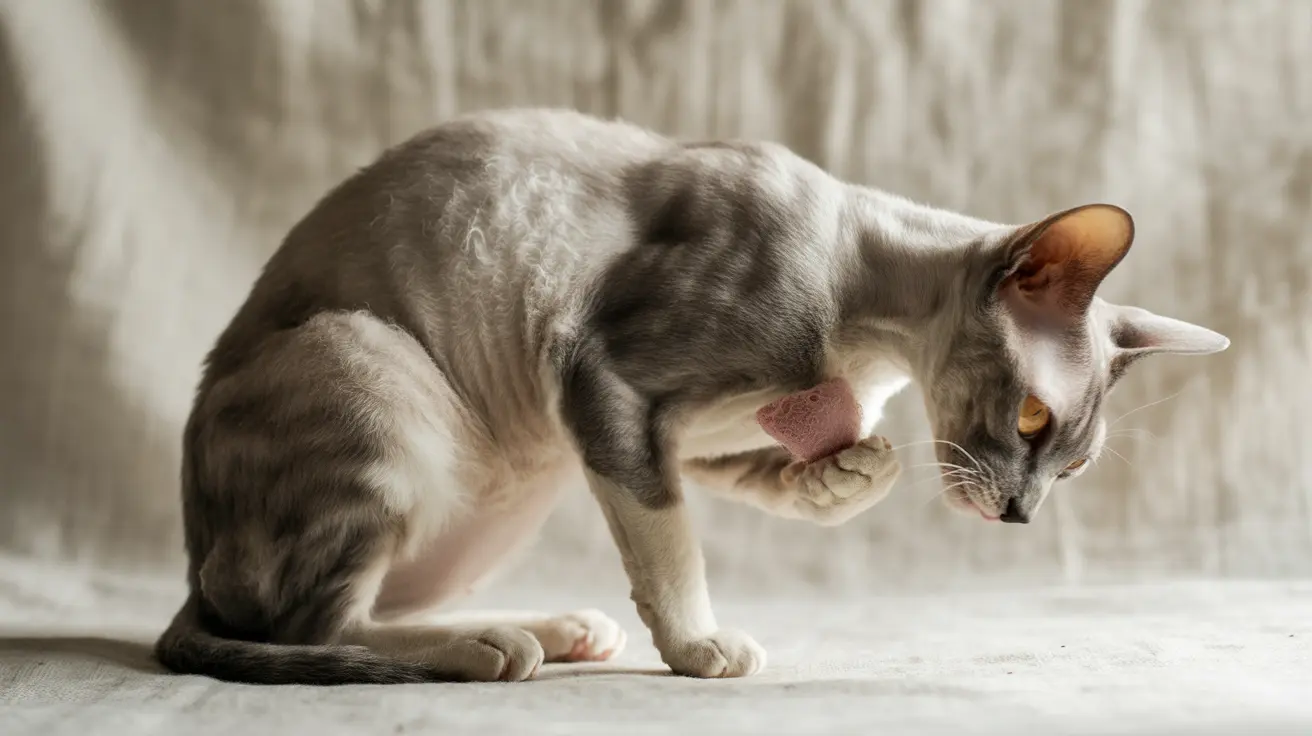
Have you ever noticed your cat licking itself so much that the fur starts to thin? Excessive grooming in cats is more than just a quirky habit. It’s a sign that something might be bothering your furry friend, either physically, emotionally, or in their environment.
Physical Causes
Physical discomfort is a common reason cats overgroom. Skin problems like allergies, parasites, or infections can make your cat itchy and prompt constant licking. Sometimes, pain from arthritis or injuries leads cats to focus on one spot, trying to soothe the area.
If your cat suddenly starts grooming more than usual, check for redness, bumps, or hair loss. These are clues that a vet visit might be necessary to rule out medical issues.
Emotional Triggers
Cats experience stress and anxiety just like people do. Changes in the household, new pets, or loud noises can upset your cat and lead to overgrooming. This behavior acts as a coping mechanism, similar to how humans might bite their nails when nervous.
Have you seen your cat licking until the skin looks raw after a stressful event? This could be your cat’s way of self-soothing. Pay attention to your cat’s routine and surroundings to spot emotional triggers early.
Environmental Factors
Sometimes the environment itself causes your cat to groom excessively. Dry air, harsh cleaning chemicals, or even certain fabrics can irritate their skin. A cat living indoors with little stimulation might also overgroom out of boredom.
Think about your cat’s daily environment. Are there new scents or surfaces? Does your cat have enough toys and activities to stay engaged? Adjusting their surroundings can reduce overgrooming significantly.
Signs Of Excessive Grooming
Excessive grooming in cats goes beyond normal cleaning habits. It can signal stress, pain, or health problems. Recognizing signs early helps protect your cat’s well-being. Watch for changes in behavior and physical symptoms.
Behavioral Changes
Cats grooming too much often act differently. They may:
- Spend more time licking or biting their fur
- Seem restless or anxious
- Avoid playing or socializing
- Show irritability or become withdrawn
- Pace or hide more than usual
These shifts can mean your cat is uncomfortable or stressed. Careful observation helps catch these early signs.
Skin And Fur Issues
Excessive grooming can damage your cat’s skin and coat. Common signs include:
- Redness or inflammation
- Hair loss or bald patches
- Dry, flaky skin
- Scabs or sores
- Shiny, greasy, or uneven fur
These symptoms may cause discomfort and worsen if ignored. Regular checks keep your cat healthy and happy.
Health Risks From Overgrooming
Excessive grooming in cats can lead to serious health risks. Overgrooming is not just a behavioral issue; it affects your cat’s physical well-being. Cats may groom too much due to stress, allergies, or skin problems. This behavior can damage their skin and fur, causing pain and discomfort.
Understanding the health risks helps in early detection and treatment. Below are the main health problems linked to overgrooming in cats.
Skin Infections
Overgrooming causes tiny wounds and breaks in the skin. These openings let bacteria enter, leading to infections. Infected skin can become red, swollen, and painful. Your cat may scratch more, making infections worse. Left untreated, infections can spread and become serious.
Hair Loss And Bald Patches
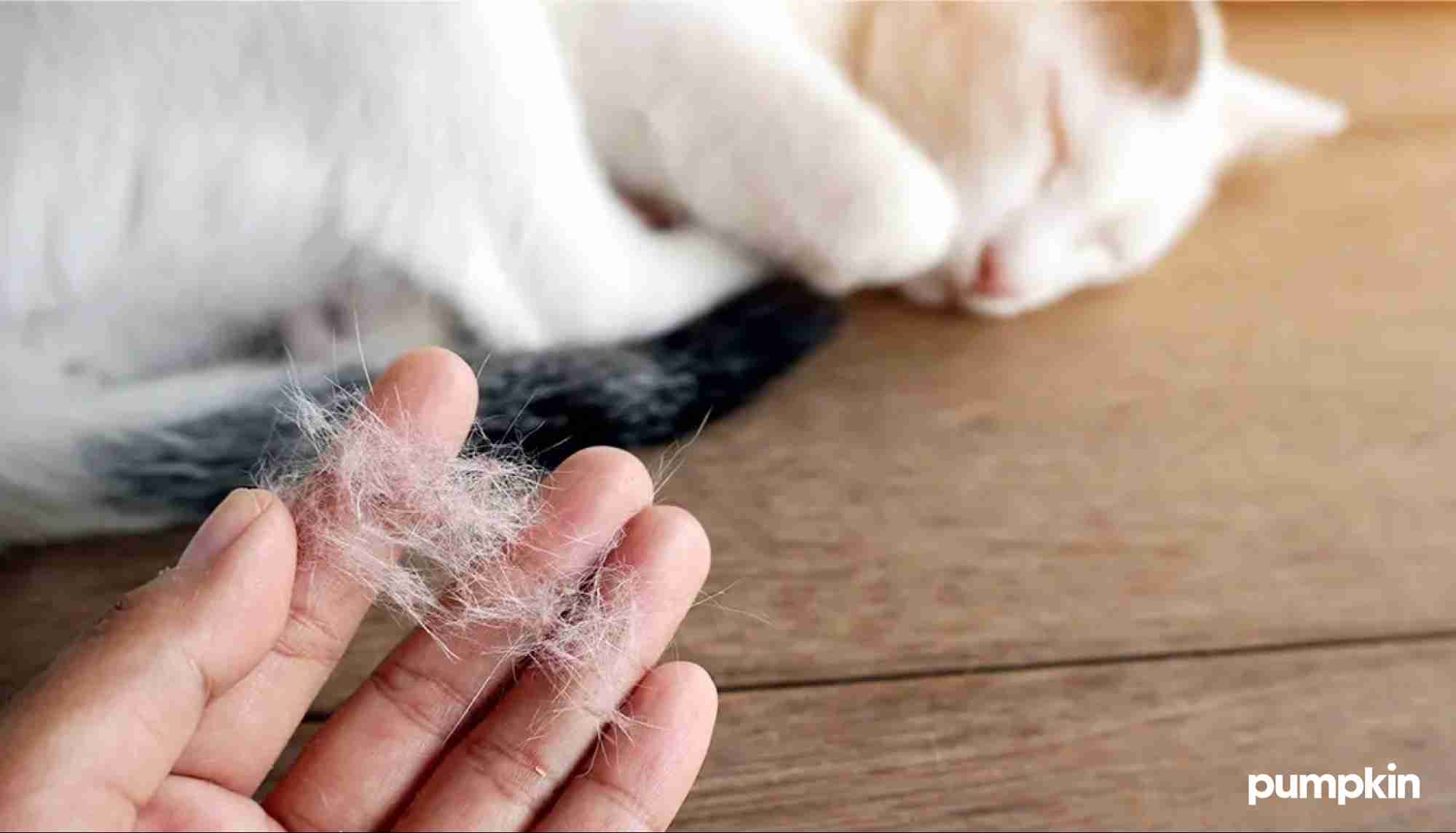
Repeated licking and biting remove fur from the skin. This leads to bald patches or thinning hair. Hair loss can make cats feel cold and vulnerable. Bald areas may also expose sensitive skin to sunburn and injury. It changes your cat’s appearance and can lower its confidence.
Secondary Complications
Overgrooming can cause other health problems beyond skin issues. Cats may develop hot spots—red, moist sores that hurt a lot. These sores can bleed or ooze fluid. In some cases, cats pull out so much fur that they suffer from stress or anxiety. Secondary complications need quick care to prevent long-term damage.
Credit: www.pumpkin.care
Diagnosing The Problem
Excessive grooming in cats can be puzzling and worrying. Identifying why your feline friend is over-grooming is key to helping them feel better. Diagnosing the problem requires a careful look at both their health and behavior.
Veterinary Examination
Your first step is a thorough checkup with a vet. They will look for skin issues, allergies, or parasites that might be causing irritation. Sometimes, what seems like grooming is actually a reaction to pain or discomfort in another part of the body.
Remember, cats are masters at hiding pain. A vet’s skilled eye can catch subtle signs you might miss. Have you ever noticed your cat licking one spot more than others? That’s a clue worth sharing.
Behavioral Assessment
Next, consider your cat’s environment and daily routine. Stress and anxiety often trigger excessive grooming. Changes like a new pet, moving house, or loud noises can unsettle your cat.
Observe when and where your cat grooms excessively. Is it after you leave the house or during certain times of the day? Understanding these patterns helps pinpoint if the issue is emotional or environmental.
Diagnostic Tests
If the vet suspects underlying conditions, they may recommend tests. Skin scrapings, allergy tests, and blood work can reveal hidden problems. These tests help rule out infections or hormonal imbalances that cause itching or discomfort.
Tests might seem intimidating, but they provide clear answers. Would you want to guess what’s wrong, or know for sure? Accurate diagnosis leads to effective treatment and relief for your cat.
Treating Physical Causes
Excessive grooming in cats often signals an underlying physical problem. Treating these causes helps reduce discomfort and stops over-grooming. Careful attention to health issues can improve your cat’s well-being and behavior.
Flea And Parasite Control
Fleas irritate cats and cause intense itching. Parasites like mites and ticks also lead to skin problems. Use vet-approved treatments to eliminate these pests quickly.
- Apply flea prevention monthly as recommended.
- Check your cat’s fur regularly for signs of parasites.
- Maintain a clean environment to reduce pest risks.
Early parasite control stops skin irritation and reduces grooming caused by discomfort.
Allergy Management
Allergies can trigger itching and skin inflammation. Common allergens include food ingredients, pollen, and dust mites. Identify allergens through vet tests or elimination diets.
- Feed hypoallergenic or limited-ingredient diets.
- Keep your home free of dust and pollen.
- Use prescribed medications to control allergic reactions.
Managing allergies eases itching and lowers the urge to over-groom.
Pain Relief Options
Pain from injuries or arthritis can cause excessive grooming. Cats lick sore areas to soothe discomfort. Consult your vet for diagnosis and treatment plans.
- Use vet-prescribed pain relief safely.
- Provide a comfortable resting area for your cat.
- Regular vet check-ups help spot pain early.
Relieving pain helps stop over-grooming linked to discomfort.

Credit: www.reddit.com
Addressing Emotional Causes
Excessive grooming in cats often signals emotional distress. Addressing these emotional causes helps reduce this behavior. Cats groom to calm themselves, but too much can harm their skin and fur. Understanding and easing their emotional struggles improves their well-being.
Reducing Stress And Anxiety
Stress triggers over-grooming in many cats. Creating a calm environment lowers anxiety levels. Keep a consistent daily routine to help your cat feel safe.
- Provide quiet spaces away from noise.
- Limit sudden changes in the home.
- Use pheromone diffusers to soothe your cat.
Gentle play and calm interactions also reduce stress.
Environmental Enrichment
Boredom can cause cats to groom excessively. Enrich your cat’s environment to keep them engaged. Offer toys, scratching posts, and climbing areas.
- Rotate toys weekly to maintain interest.
- Create window perches for outside views.
- Provide puzzle feeders to challenge their mind.
These activities help redirect energy away from grooming.
Behavioral Therapy
Behavioral therapy helps cats overcome grooming habits tied to emotions. Work with a vet or animal behaviorist for a plan. Training focuses on rewarding good behavior and discouraging excess grooming.
- Use positive reinforcement like treats and praise.
- Distract your cat with interactive play sessions.
- Gradually introduce new routines to reduce stress.
Professional guidance ensures therapy suits your cat’s needs.
Home Remedies And Care Tips
Excessive grooming in cats can be distressing for both you and your furry friend. Luckily, there are gentle home remedies and care tips that can help soothe your cat’s skin and reduce over-grooming. These strategies focus on calming irritated skin, keeping your cat mentally engaged, and ensuring they receive the right nutrients for healthy fur.
Soothing Skin Treatments
Try applying natural, gentle remedies like diluted chamomile tea or aloe vera gel to irritated areas. These ingredients can calm inflammation and reduce itching without harsh chemicals.
If your cat allows, use a soft cloth to gently wipe the affected spots. Avoid anything abrasive that might worsen the irritation.
Have you noticed if your cat reacts better to cool or warm compresses? Experiment carefully to find what eases their discomfort most effectively.
Safe Distractions
Boredom often triggers excessive grooming. Keep your cat busy with interactive toys like feather wands or puzzle feeders.
Rotate toys regularly to maintain your cat’s interest and prevent repetitive behaviors. Sometimes, even a new box or paper bag can spark curiosity and divert attention.
Consider setting up a cozy window perch. Watching birds or outdoor activity can provide mental stimulation and reduce stress-induced grooming.
Proper Nutrition
Your cat’s diet impacts skin health and fur quality more than you might expect. Ensure their food contains essential fatty acids like omega-3 and omega-6.
These nutrients help maintain a healthy coat and soothe dry, itchy skin. You can find them in fish oil supplements or specially formulated cat foods.
Have you checked if your cat has any food allergies? Sometimes, switching to a hypoallergenic diet can dramatically decrease grooming caused by irritation.
Credit: www.petscare.com
Preventing Excessive Grooming
Preventing excessive grooming in cats requires a mix of vigilance and care. It’s not just about stopping the behavior but understanding what drives it. You can help your cat feel comfortable and reduce stress that leads to over-grooming by taking simple, thoughtful steps.
Regular Vet Checkups
Regular visits to the vet are essential. Sometimes excessive grooming is a sign of underlying health issues like allergies or skin infections.
During checkups, ask the vet to examine your cat’s skin and coat thoroughly. Early detection of problems can save your cat from discomfort and prevent grooming from becoming a habit.
Consistent Routine
Cats thrive on routine. Sudden changes can stress them out and trigger excessive grooming.
Try to keep feeding times, play sessions, and sleeping areas consistent. This stability helps your cat feel secure and less likely to develop nervous habits.
Monitoring Behavior
Watch your cat closely, especially during stressful times like moving or introducing new pets.
Notice if grooming increases after certain events or in specific areas of the house. Tracking these patterns can help you intervene early and adjust the environment to reduce stress.
Frequently Asked Questions
What Causes Excessive Grooming In Cats?
Excessive grooming in cats can stem from stress, allergies, parasites, or skin infections. Behavioral issues and boredom may also trigger overgrooming. Identifying the root cause is essential for proper treatment and to prevent further health problems.
How Can I Tell If My Cat Grooms Too Much?
Watch for bald patches, redness, or sores on your cat’s skin. Constant licking or chewing of the same area indicates excessive grooming. If grooming interferes with daily activities, consult a veterinarian for evaluation and advice.
Can Stress Lead To Overgrooming In Cats?
Yes, stress is a common cause of overgrooming. Changes in the environment, new pets, or anxiety can make cats groom excessively. Reducing stress through enrichment and routine can help minimize this behavior.
When Should I See A Vet For My Cat’s Grooming?
If your cat develops bald spots, skin irritation, or wounds from grooming, see a vet. Persistent overgrooming that affects health or behavior needs veterinary assessment for proper diagnosis and treatment.
Conclusion
Excessive grooming in cats can signal stress or health problems. Watch your cat’s behavior closely. Early action helps prevent skin damage and discomfort. A calm environment reduces stress and unwanted grooming. Consult your vet for proper diagnosis and treatment. Understanding your cat’s needs keeps them happy and healthy.
Small changes make a big difference in their well-being. Stay patient and attentive to your feline friend’s habits.
