

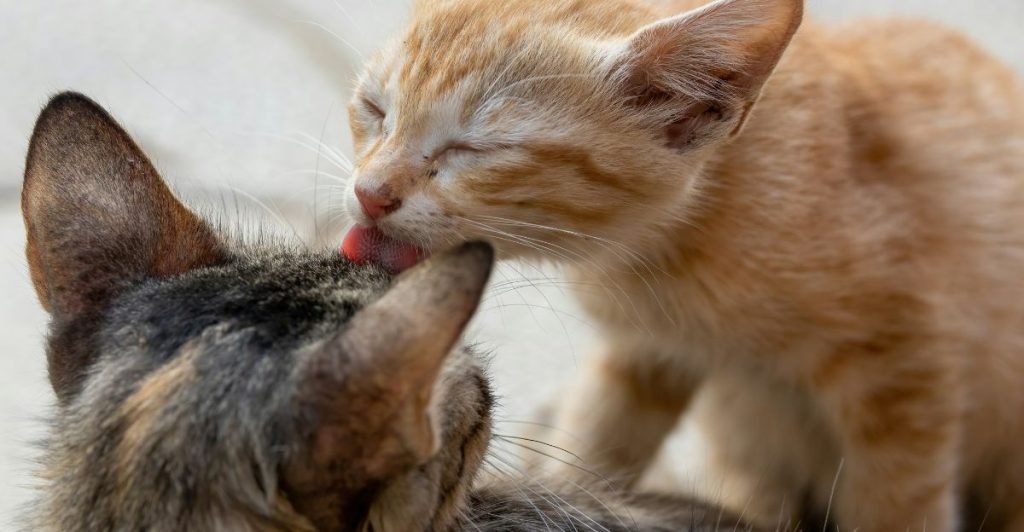
Have you ever watched your cat spend hours licking its fur and wondered, “Why do cats groom so much?” It’s not just about staying clean. Your cat’s grooming habits reveal secrets about its health, mood, and even how it feels about you.
Understanding why cats groom can help you connect better with your furry friend and spot signs that something might be wrong. Keep reading to discover the surprising reasons behind your cat’s daily grooming ritual—and why it matters more than you think.
Purpose Of Grooming
Grooming is more than just a routine for cats; it serves multiple important purposes that contribute to their health and well-being. Understanding why your cat spends so much time licking and cleaning itself can help you appreciate their behavior and even improve how you care for them. Let’s break down the key reasons behind this fascinating habit.
Hygiene And Cleanliness
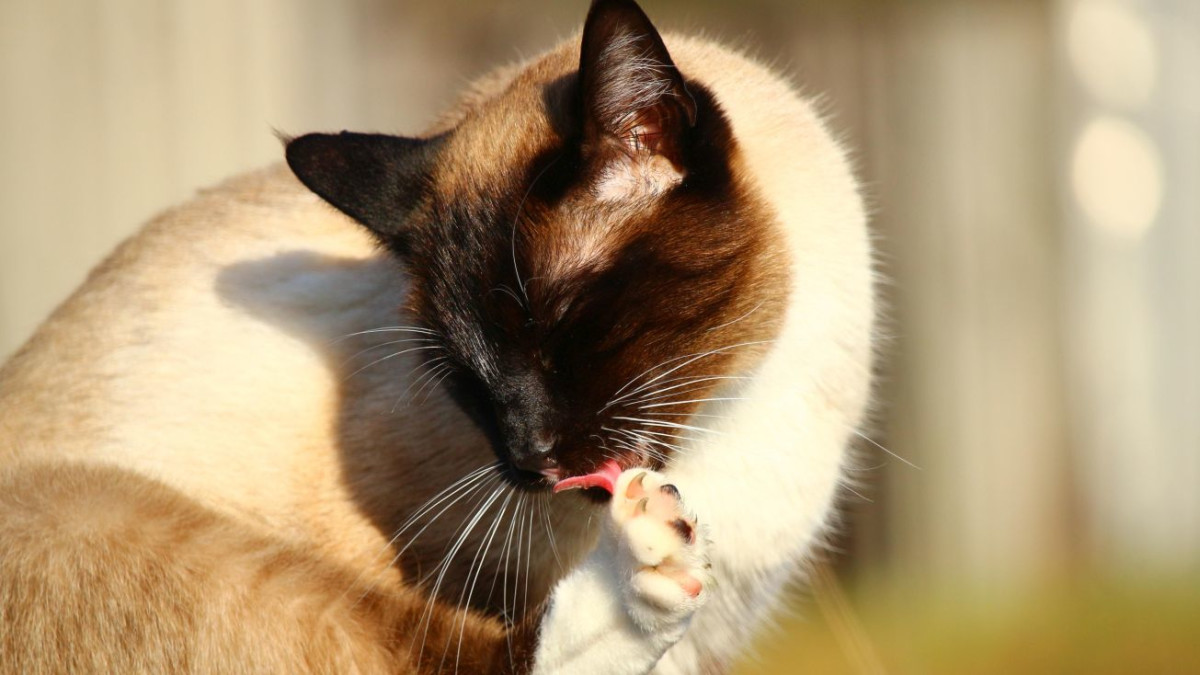
Cats groom themselves to keep their fur clean and free from dirt, dust, and parasites. By licking their coat, they remove loose hair and debris, which helps prevent skin infections and irritation.
Have you noticed how cats always seem spotless? That’s because their grooming routine is thorough and consistent. If you find your cat grooming excessively, it might signal skin problems or allergies, so it’s worth checking with a vet.
Temperature Regulation
Grooming also helps cats manage their body temperature. When cats lick their fur, the saliva evaporates, creating a cooling effect similar to sweating in humans.
This natural cooling system is especially important in hot weather. If you live in a warm climate, watch how your cat grooms more frequently during heat waves—it’s their way of staying comfortable without air conditioning.
Scent Marking
Cats use grooming to spread their unique scent across their bodies, marking themselves as familiar and safe in their environment. This scent serves as a comfort signal to them and helps reduce stress.
Next time your cat rubs its face against your hand after grooming, it’s sharing that comforting scent with you. This behavior strengthens your bond and creates a sense of trust and security.
)
Credit: www.northroadvet.com.au
Physical Benefits
Grooming is more than just a cute habit for cats; it plays a crucial role in keeping their bodies healthy. The physical benefits of grooming affect everything from the condition of their coat to their skin’s well-being. Understanding these benefits helps you appreciate why your feline friend spends so much time licking and cleaning.
Coat Maintenance
Your cat’s coat isn’t just for looks—it’s a vital part of their protection. Grooming helps remove loose fur and dirt, which keeps the coat smooth and shiny. When your cat grooms regularly, they prevent matting and tangling, which can cause discomfort or skin problems.
Have you noticed how your cat’s fur feels softer after a good grooming session? That’s because grooming distributes natural oils evenly across their coat. These oils act like a natural conditioner, keeping the fur hydrated and less prone to breakage.
Parasite Control
Parasites like fleas and ticks can cause serious issues for cats. Grooming helps cats spot and remove these unwanted guests before they cause harm. By licking their fur, cats physically dislodge parasites and reduce the chances of infestations.
Think about how often you see your cat biting or scratching a certain spot—that’s their way of tackling pests. Regular grooming also helps cats detect irritation early, so they can focus on affected areas more effectively.
Skin Health
Grooming stimulates blood flow to the skin, which supports cell repair and growth. This natural massage effect helps keep your cat’s skin healthy and resilient. Plus, by removing dead skin cells and debris, grooming prevents clogged pores and infections.
If your cat stops grooming, you might see dry patches, redness, or even sores. These signs mean their skin isn’t getting the care it needs. How often do you check your cat’s skin for signs of irritation during their grooming routine?
Emotional And Social Aspects
Cats don’t groom just to stay clean. Grooming plays a big role in their emotional health and social life. Understanding why your cat grooms can help you connect better with your furry friend and notice when something might be off.
Stress Relief
Grooming is a natural way for cats to calm themselves. When your cat licks its fur, it releases endorphins that reduce anxiety and make it feel safe. Have you seen your cat start grooming more after a loud noise or a visit to the vet? That’s their way of managing stress.
Bonding With Other Cats
Cats often groom each other, especially those that live together and get along well. This mutual grooming, called allogrooming, strengthens their social bonds and builds trust. If you have multiple cats, watch how they groom each other—it’s a clear sign of friendship and comfort.
Communication Signals
Grooming can also send messages to other cats. Cats might groom themselves to show they are calm and not a threat. Or, by grooming a companion, they communicate affection and acceptance. Have you noticed your cat grooming you or another pet? It’s their way of saying, “You’re part of my group.”
Credit: pethelpful.com
Grooming Variations
Cats groom themselves for many reasons. Grooming helps keep their fur clean and healthy. But not all cats groom the same way. Different factors affect how often and how well cats groom. These differences can depend on breed, age, and health. Understanding these variations helps us care better for our feline friends.
Breed Differences
Some cat breeds have longer or thicker fur. Long-haired breeds like Persians groom more to avoid mats and tangles. Short-haired cats need less grooming. Some breeds have oily skin that needs more cleaning. Grooming style varies by coat type and breed traits.
Age And Grooming Habits
Kittens start grooming early but not fully. They learn by watching their mother. Adult cats groom regularly to stay clean. Older cats may groom less due to less energy or stiffness. Age changes how often and how well cats groom themselves.
Impact Of Health Issues
Health problems can reduce grooming habits. Pain, arthritis, or obesity make grooming hard. Skin diseases cause cats to groom too much or too little. Stress or anxiety can also affect grooming. Watching grooming changes can help spot health issues early.
When Grooming Goes Too Far
Cats are natural groomers, spending hours each day cleaning themselves. But sometimes, grooming can go beyond healthy habits and become a problem. When your cat grooms excessively, it can signal underlying issues that need your attention.
Overgrooming Causes
Overgrooming often results from physical discomfort or emotional stress. Allergies, skin infections, or parasites like fleas can make your cat scratch and lick more than usual. On the emotional side, boredom, anxiety, or changes in the environment can push your cat into compulsive grooming behaviors.
Think about your cat’s daily routine. Has anything changed recently that might trigger stress? Even new furniture or a new pet can upset their calm.
Behavioral Indicators
How can you tell if grooming has gone too far? Watch for bald patches, red skin, or sores on your cat’s body. These signs point to overgrooming and need to be taken seriously.
Also, notice if your cat seems restless or overly focused on licking certain spots. Excessive grooming can interfere with their normal activities, like eating or playing.
Seeking Veterinary Help
If you observe any signs of overgrooming, don’t wait to consult a vet. They can identify whether the cause is medical or behavioral and recommend treatment options. Early intervention can prevent further damage and help your cat feel better fast.
Remember, your cat can’t tell you why they’re uncomfortable. Your role is to notice changes and act promptly. Have you checked your cat’s grooming habits lately?
Credit: basepaws.com
Frequently Asked Questions
Why Do Cats Groom Themselves Regularly?
Cats groom themselves to stay clean and remove dirt. Grooming also helps regulate their body temperature and reduce stress.
How Does Grooming Benefit A Cat’s Health?
Grooming removes loose fur and prevents matting. It also stimulates blood flow and helps detect skin problems early.
Can Grooming Strengthen A Cat’s Social Bonds?
Yes, cats groom each other to build trust and social bonds. This behavior promotes group harmony and reduces tension.
Why Do Cats Groom More In Stressful Situations?
Cats groom more when stressed to calm themselves. Grooming releases endorphins, which help reduce anxiety and soothe nerves.
Conclusion
Cats groom to stay clean, healthy, and comfortable. Grooming helps them remove dirt and loose fur. It also cools them down on warm days. Grooming strengthens bonds when cats lick each other. It reduces stress and keeps their skin healthy.
Understanding why cats groom helps you care for them better. Watch your cat’s grooming habits to spot health issues early. Grooming shows a cat’s natural behavior and needs. Caring for your cat means supporting this important activity. Keep your cat happy by providing a clean and safe space.
