

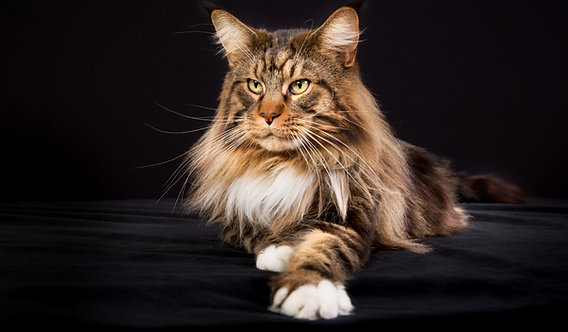
Are you fascinated by cats with luxurious, flowing coats? Long-haired cat breeds have a unique charm that can capture your heart instantly.
Whether you’re thinking about adding a furry friend to your family or just want to learn more, understanding these beautiful breeds can help you find the perfect match. You’ll discover the most popular long-haired cats, their personalities, and what it takes to care for their stunning fur.
Keep reading to unlock the secrets behind these elegant cats and find out which one fits your lifestyle best.
Popular Long-haired Cat Breeds
Long-haired cats captivate many with their flowing coats and elegant presence. These breeds offer more than just beauty—they bring unique personalities and care needs to the table. Knowing which long-haired cats are popular can help you find the perfect companion that fits your lifestyle and preferences.
Persian Cats
Persians are the classic example of long-haired luxury. Their thick, silky fur requires daily grooming, but their calm and affectionate nature makes it worthwhile. If you enjoy a lap cat that loves quiet companionship, Persians might be your ideal match.
Maine Coon Cats
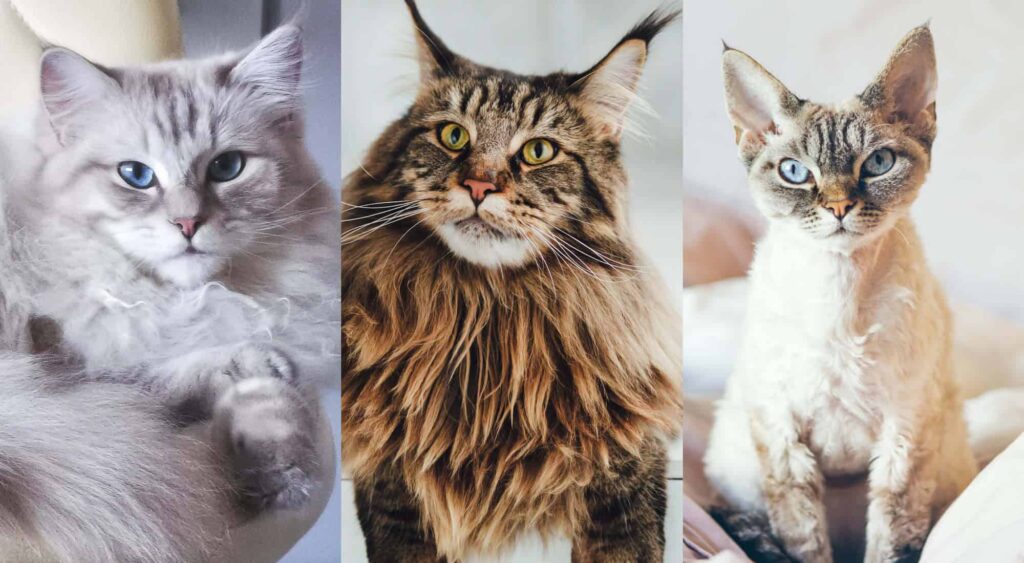
Maine Coons are known for their impressive size and bushy tails. Their thick coats protect them in colder climates, and they are surprisingly playful and social. Have you ever met a cat that feels like a gentle giant? That’s a Maine Coon.
Ragdoll Cats
Ragdolls get their name from their tendency to go limp when picked up, showing their trust and relaxed nature. Their semi-long hair is soft and less prone to matting, making grooming easier. If you want a cat that’s easygoing and loves to be held, consider a Ragdoll.
Siberian Cats
Siberians boast a dense triple coat that helps them thrive in harsh weather. They are agile and curious, often surprising owners with their playful antics. Would you like a cat that’s both a fluffy companion and a mini athlete?
Birman Cats
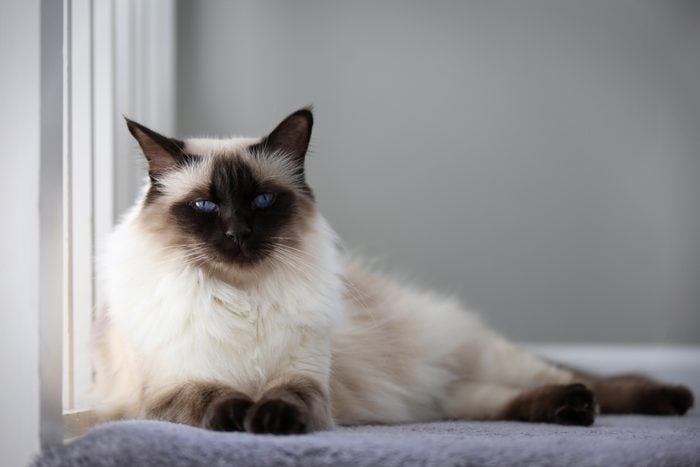
Birmans are striking with their white gloves and deep blue eyes. Their medium-long fur is silky but less demanding than some other long-haired breeds. If you want a cat that looks regal but adapts well to family life, Birmans are worth considering.
Credit: www.rd.com
Unique Traits Of Fluffy Cats
Fluffy cats stand out with their soft, long fur and charming looks. Their thick coats make them look like little clouds. These cats have special traits beyond their fur. Their colors, personalities, and body shapes all add to their uniqueness.
Coat Colors And Patterns
Fluffy cats come in many colors and patterns. Some have solid colors like white, black, or gray. Others show mixed patterns such as tabby stripes or patches. Their long fur highlights these colors beautifully.
- Solid colors give a sleek, elegant look.
- Tabby patterns include stripes and swirls.
- Bi-color and tri-color patterns add charm.
- Some have striking color points on ears, face, and paws.
Personality And Temperament
These cats often have gentle and calm personalities. They enjoy quiet time and soft petting. Many are friendly and love to be near people. Their sweet nature makes them great companions.
- Calm and relaxed around family members.
- Playful but not overly energetic.
- Affectionate and enjoy cuddling.
- Can be shy with strangers but warm up quickly.
Size And Build
Fluffy cats tend to have medium to large bodies. Their thick fur can make them look bigger than they are. They usually have strong legs and broad chests. Their size adds to their majestic appearance.
| Trait | Description |
|---|---|
| Body Size | Medium to large, sturdy build |
| Legs | Strong and well-proportioned |
| Fur | Long, thick, and soft |
| Overall Look | Majestic and fluffy |
Grooming Tips For Long-haired Cats
Long-haired cats need special care to keep their coats healthy and shiny. Regular grooming stops hair from tangling and mats from forming. It also helps your cat feel comfortable and look beautiful. Here are some simple tips to care for your long-haired cat’s fur.
Brushing Techniques
Use a wide-tooth comb or a slicker brush for long fur. Brush gently to avoid hurting your cat’s skin. Start from the head and move toward the tail. Brush in the direction of hair growth. Spend extra time on areas like behind the ears and under the legs. Brush your cat daily to prevent tangles and reduce shedding.
Dealing With Mats And Tangles
Mats form when fur gets tight and twisted. Use your fingers to gently pull apart small tangles. For bigger mats, use a mat splitter or detangling spray made for cats. Cut mats carefully with blunt scissors if they are too tight. Never pull hard on mats; it can hurt your cat. Visit a groomer if mats become too difficult to manage.
Bathing Guidelines
Bathe your long-haired cat only when necessary. Use cat-specific shampoo that is gentle on the skin. Wet your cat’s fur with lukewarm water before applying shampoo. Rinse thoroughly to remove all soap. Dry your cat with a soft towel and keep it warm. Avoid using a hairdryer unless your cat is comfortable with the noise.
Credit: rawznaturalpetfood.com
Health Concerns In Long-haired Breeds
Long-haired cat breeds need extra attention to their health. Their beautiful coats can hide common health issues. Understanding these concerns helps keep your cat happy and strong. Regular care and monitoring are essential for their well-being.
Common Genetic Issues
Long-haired cats may inherit certain genetic problems. Polycystic kidney disease (PKD) is common in some breeds. It causes cysts to grow in the kidneys, leading to kidney failure. Hypertrophic cardiomyopathy (HCM) affects the heart muscle. This condition can cause heart failure or sudden death. Regular vet check-ups help detect these diseases early. Breeders should test cats for genetic disorders before breeding.
Skin And Coat Health
Long fur can cause skin problems if not cared for well. Mats and tangles trap dirt and moisture. This can lead to skin infections and sores. Fleas and ticks are harder to spot under thick fur. Cats may scratch a lot, causing wounds or hair loss. Grooming daily reduces mats and removes loose hair. Use a gentle brush designed for long-haired cats.
Preventative Care
- Brush your cat’s fur regularly to prevent mats.
- Check skin for redness, bumps, or parasites.
- Feed a balanced diet to support healthy skin and coat.
- Schedule regular vet visits for health screenings.
- Keep your cat indoors to reduce parasite risk.
- Trim nails to avoid skin injuries from scratching.
Preventative care protects your cat’s health and comfort. It helps catch problems early before they worsen. Consistent care makes a big difference for long-haired cats.
Choosing The Right Long-haired Cat
Choosing the right long-haired cat means thinking about your daily life and what kind of companion fits best with your routine and home environment. Long-haired cats need more care than short-haired ones, so it’s important to consider how much time and effort you can dedicate to grooming and attention. Your choice affects not just the cat’s happiness but your own experience as a pet owner.
Lifestyle Considerations
Ask yourself how much time you have for grooming. Long-haired cats need regular brushing to prevent mats and hairballs. If you travel often or work long hours, a cat with lower maintenance might be better.
Consider activity level too. Some long-haired breeds, like the Maine Coon, are playful and energetic, while others, such as the Persian, tend to be more laid-back. Matching the cat’s personality with your lifestyle can prevent frustration on both sides.
Adoption Vs. Breeder
Adopting a long-haired cat can save a life and bring unexpected joy. Shelters often have cats that need loving homes, including long-haired ones. You might find a wonderful pet without the higher price tag of a breeder.
Breeders offer specific breeds with known traits and health backgrounds. If you want a particular long-haired breed like a Ragdoll or Norwegian Forest Cat, a reputable breeder ensures you get the traits and temperament you expect. But remember to check their credentials and visit the facility to see the cats’ living conditions.
Preparing Your Home
Before bringing your long-haired cat home, set up a comfortable grooming area. Have brushes, combs, and detangling sprays ready to keep their coat healthy. Think about placing a scratching post nearby to protect your furniture.
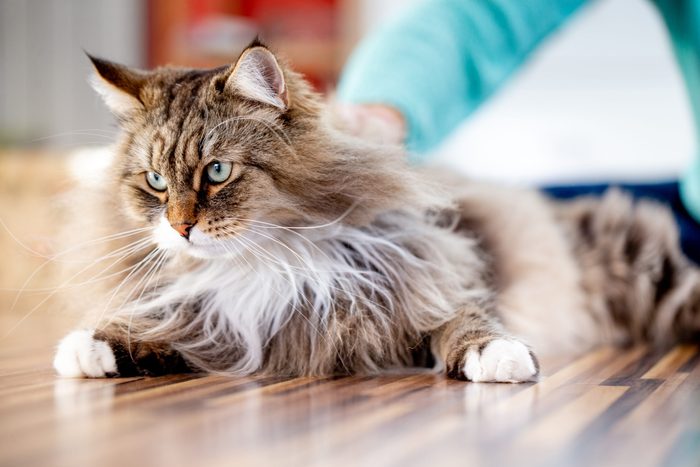
Long-haired cats shed more, so choose easy-to-clean flooring and washable furniture covers. You may want a vacuum designed for pet hair to keep your space tidy. Also, create quiet spots where your cat can retreat and relax, especially if they are shy or nervous.
Credit: www.rd.com
Frequently Asked Questions
What Are Popular Long-haired Cat Breeds?
Popular long-haired cat breeds include Persian, Maine Coon, Ragdoll, and Norwegian Forest cats. These breeds are known for their luxurious, soft coats and gentle personalities. They require regular grooming to keep their fur healthy and free of mats.
How Do I Care For Long-haired Cats?
Long-haired cats need daily brushing to prevent tangles and mats. Regular grooming reduces shedding and hairballs. Bathing occasionally and trimming nails also help maintain their coat and health. A balanced diet supports a shiny, healthy fur coat.
Are Long-haired Cats Hypoallergenic?
No, long-haired cats are not hypoallergenic. Their long fur traps more dander, which can trigger allergies. People sensitive to cat allergens should consider breeds known for lower allergen production instead of long-haired cats.
Do Long-haired Cats Shed More?
Yes, long-haired cats tend to shed more due to their thick fur. Shedding increases during seasonal changes. Regular grooming helps manage shedding and keeps your home cleaner. Proper care reduces hairball formation.
Conclusion
Long-haired cat breeds bring beauty and charm to any home. Their soft fur needs regular care and attention. Choosing the right breed depends on your lifestyle and preferences. These cats often have gentle, loving personalities. They make great companions for many families.
Enjoy the unique traits of each long-haired cat breed. A little grooming keeps them healthy and happy. Embrace the joy these cats can bring to your life.
