

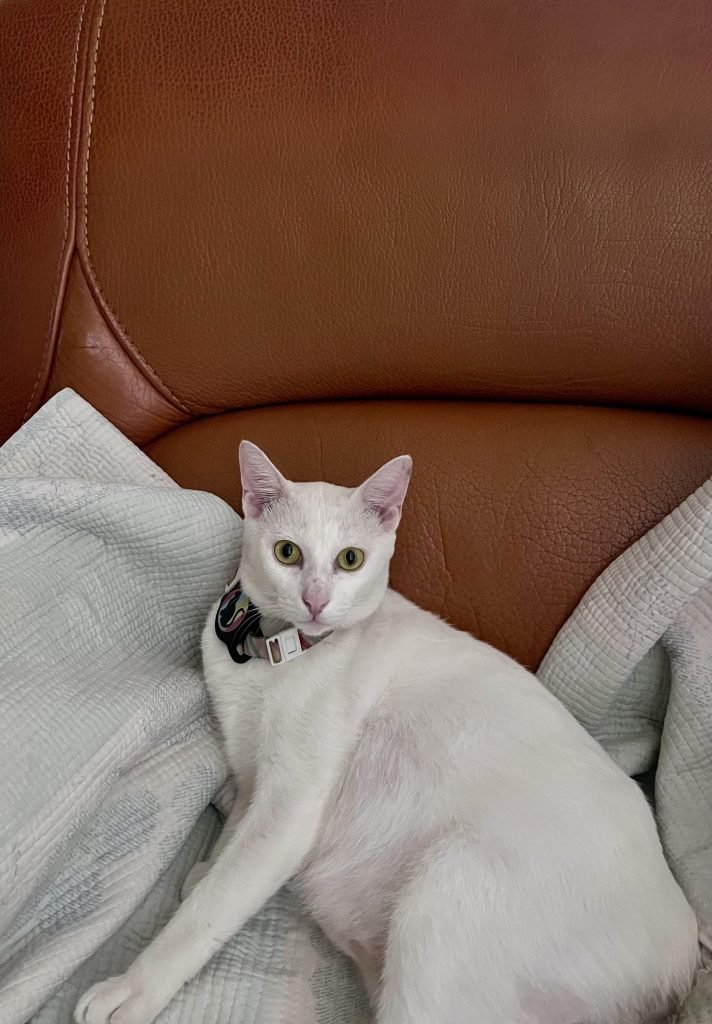
Have you ever found yourself spending hours trying to look your best, only to realize the only thing you actually groomed was your cat? It’s funny how we often focus so much on ourselves, yet our furry friends get the extra pampering.
If you’re nodding along, you’re not alone. This story might just change how you think about grooming—and why sometimes, caring for your pet can be the most satisfying part of your day. Keep reading to discover the surprising benefits of grooming your cat and how it might even improve your own routine.
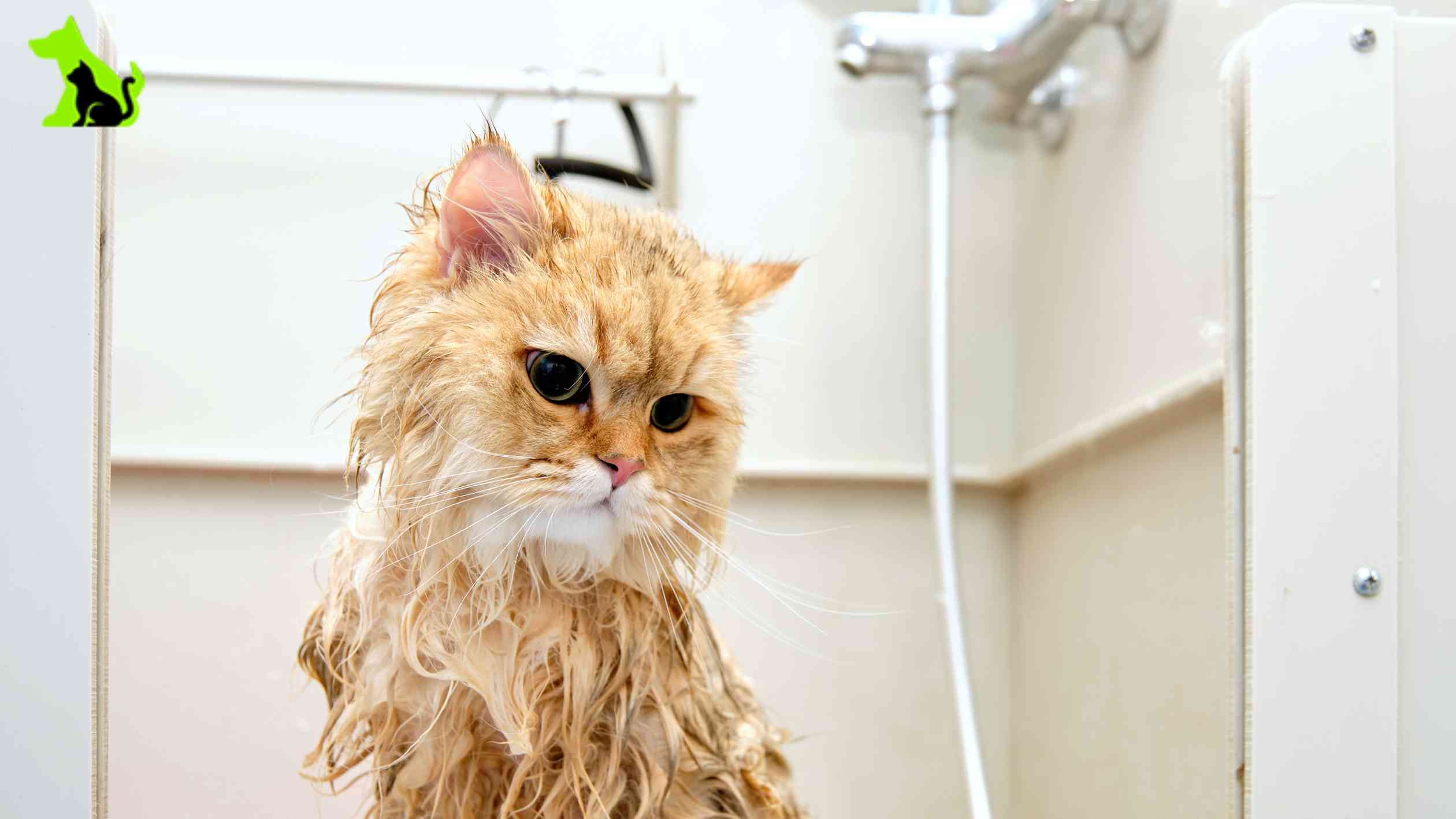
Credit: hellopetsinc.com
Essentials Of Cat Grooming
Grooming your cat is more than just keeping them clean. It helps their skin stay healthy and reduces shedding. Regular grooming also builds trust between you and your pet. Knowing the essentials makes the process easy and pleasant for both.
Choosing The Right Grooming Tools
Select tools based on your cat’s coat type and size. A soft-bristle brush suits short-haired cats. Long-haired cats need a wide-toothed comb to avoid tangles. A grooming glove works well for sensitive cats. Nail clippers designed for pets keep claws trimmed safely. Avoid harsh tools that may hurt your cat’s skin.
Best Grooming Practices For Different Coats
Short coats need gentle brushing once a week. For medium coats, brush two to three times weekly. Long coats require daily combing to prevent mats. Always brush in the direction of hair growth. Be gentle around sensitive areas like the belly and tail. Check for fleas, dirt, or skin issues during grooming.
How Often To Groom Your Cat
- Short-haired cats: once a week
- Medium-haired cats: two to three times a week
- Long-haired cats: daily
Adjust grooming frequency during shedding seasons. Older or sick cats may need extra care. Watch your cat’s behavior to avoid stress. Short, calm sessions work best for nervous cats.
Handling Common Grooming Challenges
Handling common grooming challenges can make caring for your cat easier. Regular grooming keeps your cat healthy and happy. Some problems, like shedding and tangles, are normal but need attention. Learning simple ways to handle these issues helps you and your cat enjoy grooming time.
Dealing With Shedding And Hairballs
Shedding happens all year but increases in spring and fall. Brushing your cat often removes loose hair before it falls around the house. Use a soft brush or grooming glove to avoid hurting your cat.
Hairballs form when cats swallow loose fur. Prevent hairballs by brushing daily and feeding special hairball-control food. Keep your cat hydrated to help fur pass through their system easily.
Managing Matted Fur And Tangles
Matted fur causes discomfort and skin problems. Check your cat’s coat regularly for knots and tangles. Gently use a wide-toothed comb or detangling spray to loosen mats.
For severe mats, trim carefully or ask a vet for help. Regular grooming stops mats from forming. Pay attention to areas behind ears and under legs where tangles start.
Calming A Nervous Cat During Grooming
Many cats feel scared during grooming. Choose a quiet place with soft lighting. Speak softly and move slowly to reduce stress.
Give treats and praise for calm behavior. Short grooming sessions work better than long ones. Use a towel to wrap your cat gently if needed.
Beyond Fur: Comprehensive Feline Care
Taking care of your cat goes far beyond brushing their fur. True feline care involves attention to their nails, ears, eyes, and teeth. These areas need gentle handling and the right techniques to keep your cat comfortable and healthy.
Nail Trimming Tips And Techniques
Trimming your cat’s nails can seem intimidating, but it’s easier than you think. Use a sharp, pet-specific nail clipper to avoid splintering. Gently press the paw to extend the nails and cut only the transparent tip, avoiding the pink quick inside.
Try clipping when your cat is relaxed or sleepy. Reward them with treats to create a positive experience. If your cat resists, trim just a few nails at a time and build up gradually.
Cleaning Ears And Eyes Safely
Your cat’s ears and eyes need regular checks to prevent infections. Use a soft, damp cloth or cotton ball to wipe away dirt and discharge. Never insert anything deep into the ear canal—just clean the outer area gently.
For eyes, wipe from the inner corner outward with a clean cloth. If you notice redness, swelling, or persistent discharge, consult your vet promptly. Keeping these areas clean helps your cat stay comfortable and prevents health issues.
Dental Care For A Healthy Cat
Dental health is often overlooked but crucial for your cat’s well-being. Brushing your cat’s teeth with a pet-safe toothpaste reduces plaque and bad breath. Start slowly by letting your cat taste the toothpaste, then gradually introduce brushing with a soft brush or finger brush.
Dental treats and toys can help, but they don’t replace brushing. Watch for signs like drooling or difficulty eating, which may indicate dental problems. Healthy teeth contribute to a happier, more energetic cat.
Nutrition And Its Role In Grooming
Nutrition plays a crucial role in your cat’s grooming routine, often affecting the health and appearance of their coat more than brushing alone. What you feed your cat can directly impact the shine, softness, and overall condition of their fur. Have you ever noticed how your cat’s coat changes with different diets? This section dives into key nutritional factors that support grooming from the inside out.
Foods That Promote A Shiny Coat
Certain foods boost the natural oils in your cat’s skin, resulting in a glossy coat. High-quality proteins like chicken, turkey, and fish are excellent choices because they provide essential amino acids.
Omega-3 and Omega-6 fatty acids found in fish oils and flaxseed help reduce dryness and flakiness. You can add canned salmon or specially formulated cat food rich in these fats to your cat’s diet for noticeable improvements.
Antioxidant-rich foods, such as those containing vitamins E and C, protect skin cells from damage and support a healthy coat. Look for cat foods that include these nutrients or add small amounts of safe fruits and veggies recommended by your vet.
Hydration And Skin Health
Water is vital for maintaining your cat’s skin elasticity and preventing dryness. Cats often don’t drink enough water, which can lead to dull fur and itchy skin.
Offering wet food or adding water to dry kibble encourages hydration. Try placing multiple water bowls around your home or using a cat water fountain to entice your cat to drink more.
Have you considered how your cat’s water intake affects their grooming? Keeping your cat well-hydrated can reduce the need for excessive licking and scratching, which sometimes damages the coat.
Supplements For Feline Grooming
Some supplements can support coat health when diet alone isn’t enough. Fish oil capsules or liquid supplements are popular for adding extra Omega-3 fatty acids.
Biotin and zinc supplements also promote skin repair and fur growth. Before adding any supplements, consult your vet to ensure they’re safe and suitable for your cat’s specific needs.
Have you noticed your cat’s coat improving after starting supplements? Tracking these changes can help you decide what works best and keep your pet looking their best.
Recognizing Health Issues Through Grooming
Grooming your cat is more than just a way to keep their fur shiny and soft. It’s a chance to check their overall health closely. While brushing or combing, you can catch signs of health problems early before they become serious issues.
Spotting Parasites And Skin Problems
Parasites like fleas and ticks are not always easy to see, but grooming helps reveal them. Look for tiny black dots, which could be flea dirt, or small red bites on your cat’s skin. Pay attention to areas behind the ears, around the neck, and near the tail where these pests like to hide.
Skin problems often show up as redness, bumps, or flaky patches. If your cat suddenly starts scratching more than usual, it might be a sign of irritation or infection. Regular grooming lets you notice these changes early and keep your cat comfortable.
When To Consult A Veterinarian
Not every skin issue or parasite problem can be handled at home. If you see open sores, swelling, or your cat seems in pain during grooming, it’s time to call the vet. Unusual lumps or persistent scratching should also raise a red flag.
Some conditions worsen quickly without treatment. Don’t wait if you notice your cat losing fur or if the skin looks unhealthy. Early vet visits can save your cat from discomfort and complicated treatments later.
Preventive Measures For Common Conditions
Keeping up with regular grooming routines prevents many health issues. Use flea combs and check your cat’s coat weekly. Bathing your cat occasionally with vet-approved shampoos helps reduce skin problems.
- Maintain a clean living environment to limit parasite exposure.
- Provide a balanced diet to support healthy skin and fur.
- Schedule routine vet check-ups to catch hidden problems early.
Have you noticed any changes in your cat’s grooming habits or skin condition lately? Paying attention to these details could make all the difference in your cat’s health and happiness.
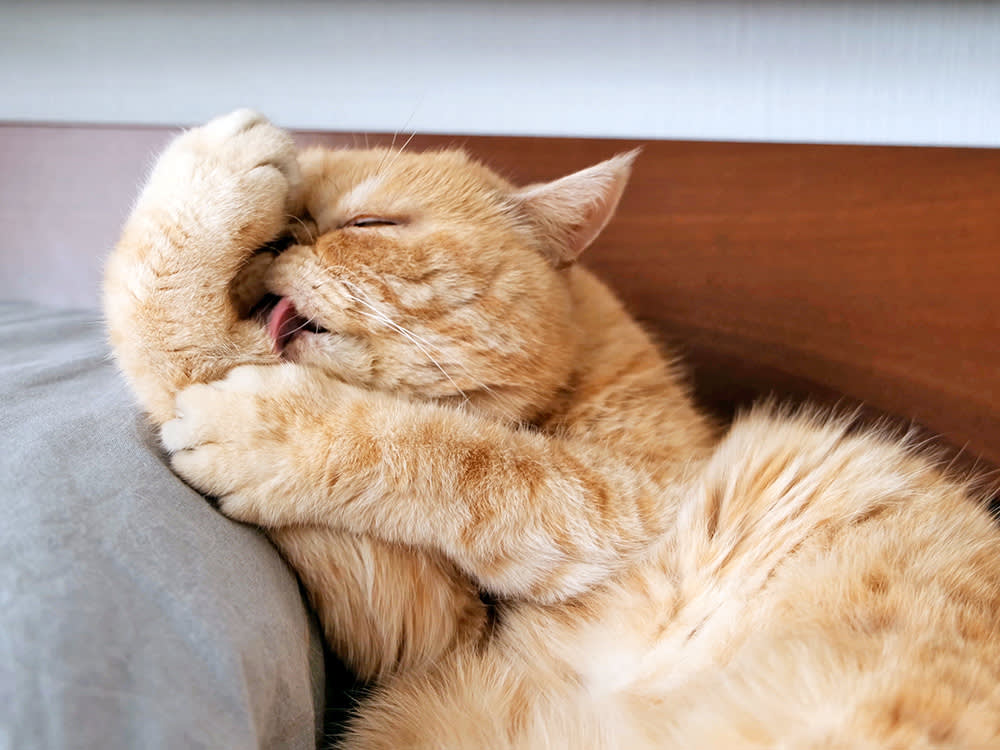
Credit: www.kinship.com
Making Grooming Enjoyable
Making grooming enjoyable helps your cat stay relaxed and happy. It turns a daily task into a bonding time. Cats feel safer and more willing to sit still when grooming is fun. A pleasant grooming session improves your cat’s health and your relationship.
Building A Grooming Routine
Set a regular time for grooming each day or week. Cats like routine and predictability. Start with short sessions and slowly increase time. Use the same brush or comb to keep things familiar. Consistency helps your cat feel comfortable and less stressed.
Using Positive Reinforcement
Give treats or gentle praise during grooming. Reward calm behavior with soft words or petting. This teaches your cat to associate grooming with good things. Avoid punishment or harsh tones. Positive reinforcement encourages your cat to enjoy grooming time.
Creating A Calm Environment
Choose a quiet room with soft lighting for grooming. Remove loud noises and distractions. Speak softly to your cat to keep it calm. Use a comfortable surface like a soft towel or mat. A peaceful setting helps your cat relax and cooperate.
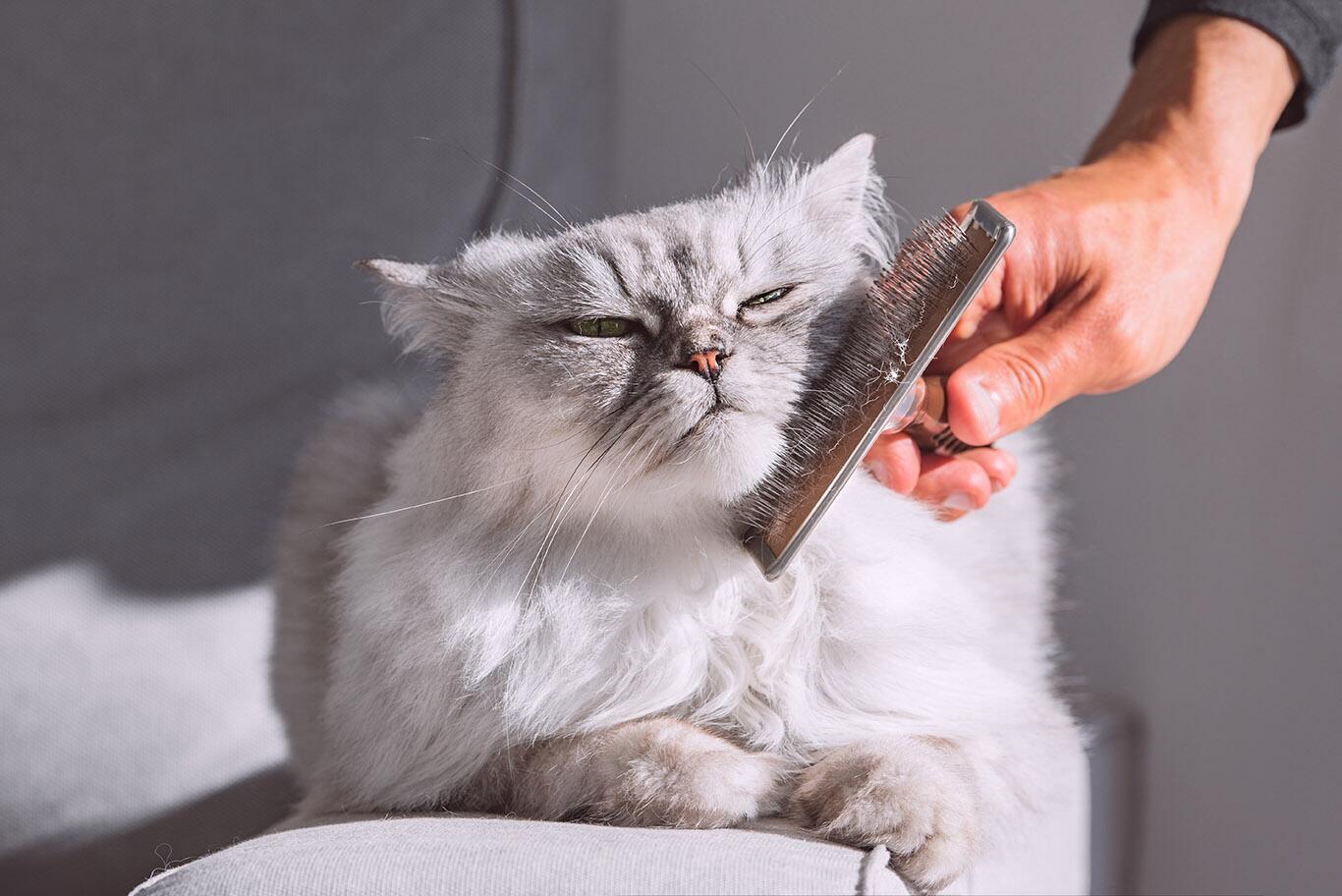
Credit: www.latimes.com
Frequently Asked Questions
What Are The Benefits Of Grooming My Cat Regularly?
Regular grooming keeps your cat’s coat clean and reduces shedding. It prevents matting and skin issues. Grooming also helps spot health problems early. Plus, it strengthens the bond between you and your cat.
How Often Should I Groom My Cat?
Most cats benefit from grooming once or twice a week. Long-haired cats may need daily brushing. Short-haired cats require less frequent care. Adjust based on your cat’s coat type and activity level.
Can Grooming Improve My Cat’s Health?
Yes, grooming promotes healthy skin and coat. It reduces hairballs and prevents infections. Grooming also aids in spotting parasites and injuries early, ensuring timely treatment.
What Tools Do I Need For Cat Grooming?
Basic tools include a slicker brush, comb, nail clippers, and grooming wipes. Choose tools based on your cat’s fur type. Regularly clean and maintain your grooming tools for best results.
Conclusion
Grooming a cat takes patience and care every day. It helps keep your pet healthy and happy. Spending time with your cat strengthens your bond. Simple grooming tasks can make a big difference. You don’t need fancy tools to start.
Just a little effort shows love and attention. Caring for your cat feels rewarding and calming. Try it yourself and enjoy the quiet moments. Your cat will thank you with purrs and trust. Small acts of care build a strong friendship.
