

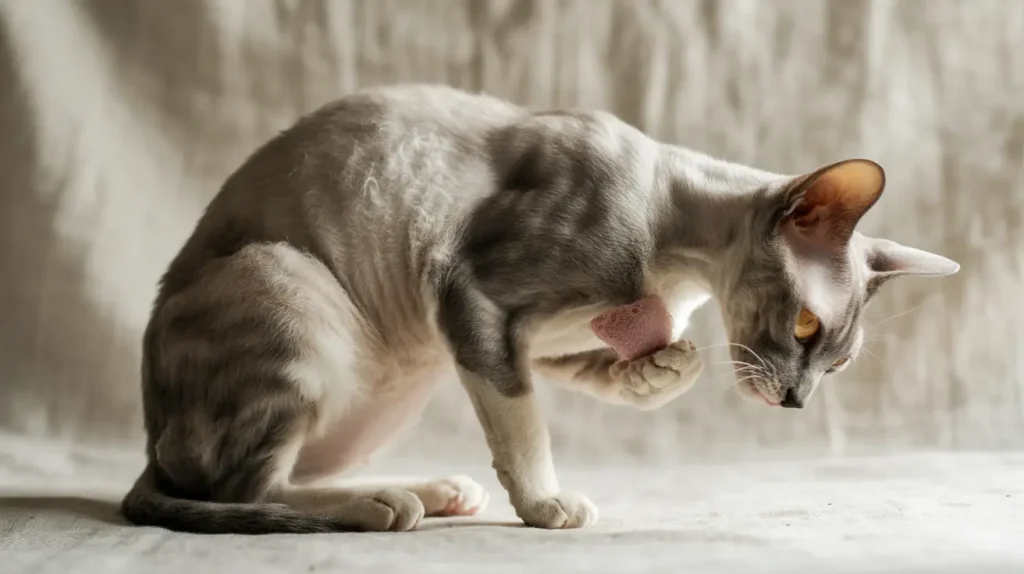
Have you noticed your cat spending more time licking and biting its fur than usual? Excessive grooming in cats can seem harmless at first, but it might be a sign that your furry friend is stressed, uncomfortable, or even in pain.
Understanding why your cat grooms too much is key to helping them feel better and keeping their coat healthy. You’ll discover the hidden reasons behind this behavior and learn simple steps you can take to support your cat’s well-being. Keep reading to uncover what your cat is really trying to tell you.

Credit: www.reddit.com
Why Cats Groom Themselves
Cats spend a surprising amount of time grooming themselves. This behavior might seem like just a way to stay clean, but it serves several important roles in a cat’s life. Understanding why your cat grooms can help you spot when grooming becomes excessive or a sign of stress.
Normal Grooming Habits
Cats typically groom themselves multiple times a day. They use their rough tongues to lick their fur, removing dirt and loose hair. Grooming also helps cats regulate their body temperature and stay comfortable.
Have you ever noticed how your cat stops grooming when they’re sick or stressed? That’s because grooming is a sign of a relaxed, healthy cat. If your cat suddenly grooms less or more, it might be a sign to pay closer attention.
Benefits Of Grooming
Grooming isn’t just about cleanliness. It helps remove parasites like fleas and prevents matting, which can be painful. It also spreads natural oils across the fur, keeping it shiny and waterproof.
Besides physical benefits, grooming helps your cat feel calm and secure. It’s a self-soothing behavior, similar to how humans might fidget or take deep breaths when stressed. Have you noticed your cat licking more when there’s a change at home? It could be their way of coping.
Signs Of Excessive Grooming
Noticing changes in your cat’s grooming habits can be a crucial clue to their health and well-being. Excessive grooming often signals stress, allergies, or medical issues that you shouldn’t ignore. Understanding the signs helps you act early and support your furry friend effectively.
Behavioral Indicators
Watch how often your cat grooms. If you see your cat licking or biting the same spot repeatedly, it could be a red flag. Cats usually groom to clean themselves, but constant licking can mean discomfort or anxiety.
Does your cat seem restless or agitated while grooming? Pacing around, scratching, or sudden bursts of grooming can suggest stress or irritation. You might notice your cat grooming more after changes at home, like new pets or visitors.
- Repeated licking or biting in one area
- Restlessness during grooming sessions
- Sudden increase in grooming frequency
- Excessive grooming after environmental changes
Have you ever caught your cat grooming so much that it seems like they can’t stop? That behavior often shows they need help beyond just cleaning.
Physical Symptoms
Check your cat’s fur and skin regularly. Excessive grooming often leads to bald patches or thinning fur. You might find red, irritated skin or small sores where your cat has been over-grooming.
Look for scabs, crusts, or swelling that weren’t there before. These signs can result from constant licking and biting, causing damage to the skin. Sometimes, your cat might even develop infections if the problem isn’t addressed.
| Symptom | What to Look For |
|---|---|
| Bald Spots | Areas with missing fur, often on belly, legs, or tail |
| Redness and Irritation | Skin that looks inflamed or sore |
| Scabs and Crusts | Small wounds or dry patches on the skin |
| Swelling | Raised areas that may feel warm to the touch |
Have you noticed your cat’s fur thinning or skin looking raw? These signs demand attention and often a visit to the vet to find the root cause.
Common Causes Of Overgrooming
Excessive grooming in cats can signal several underlying issues that need your attention. Understanding the common causes helps you respond appropriately and improve your cat’s comfort. Let’s look at some key reasons why your feline friend might be overgrooming.
Allergies And Skin Issues
Allergies often trigger itching and discomfort, leading cats to groom themselves excessively. These allergies can come from food, environmental factors like pollen, or household chemicals. Skin conditions such as dermatitis or dry patches also cause irritation that your cat tries to soothe through constant licking and scratching.
Have you noticed redness, bumps, or hair loss around the areas your cat licks the most? These are clear signs of skin problems that need a vet’s diagnosis and treatment.
Stress And Anxiety
Stress is a surprisingly common cause of overgrooming. Changes in environment, new pets, or even your absence can create anxiety in cats. Grooming acts as a coping mechanism, much like nail-biting in humans.
Think about your cat’s routine and recent changes. Could a shift in their environment be making them uneasy? Helping your cat feel secure often reduces this behavior.
Parasites And Infections
Fleas, mites, or bacterial infections irritate the skin, prompting relentless grooming. Even a single flea bite can cause a severe reaction in sensitive cats. These parasites are sometimes hard to spot without a close inspection or vet visit.
If your cat is focused on one spot or seems restless, check for tiny moving insects or scabs. Treating parasites quickly can stop the excessive grooming cycle before it worsens.
Pain And Discomfort
Underlying pain can also cause your cat to overgroom a specific area. Arthritis, injuries, or even internal problems might lead them to lick the source of discomfort. This behavior is an attempt to relieve pain or soothe inflammation.
Have you noticed your cat limping or avoiding certain movements? A vet evaluation can identify hidden pain and provide relief, reducing the need for overgrooming.
Diagnosing The Problem
Excessive grooming in cats can signal deeper issues. Identifying the cause requires careful diagnosis. Pinpointing the problem helps to choose the right treatment. Start by observing your cat’s behavior and health closely.
Veterinary Examination
A vet checks your cat’s overall health. They look for skin wounds, redness, or hair loss. The vet may ask about your cat’s diet and environment. This helps spot allergies or stress triggers. Physical exams reveal infections or parasites causing discomfort.
Diagnostic Tests
Tests find hidden problems behind excessive grooming. Skin scrapings detect mites or fungal infections. Blood tests check for allergies or hormonal imbalances. Sometimes, allergy testing pinpoints specific triggers. Test results guide the vet to suggest proper care.
Treatment Options
Excessive grooming in cats can signal health or stress problems. Treatment focuses on stopping this behavior and improving your cat’s quality of life. Various options exist to help manage and reduce excessive grooming.
Choosing the right treatment depends on the cause and severity of grooming. Often, combining treatments leads to better results. Understanding these options helps you support your cat effectively.
Medical Interventions
Veterinarians first check for skin infections, allergies, or parasites. Treating these issues often stops excessive grooming quickly. Medicines like antibiotics, antifungals, or anti-inflammatory drugs may be prescribed.
Sometimes, hormone imbalances or pain cause grooming. Blood tests can identify these problems. Your vet may recommend hormone therapy or pain relief medication.
Behavioral Therapy
Stress and anxiety often cause cats to groom too much. Behavioral therapy helps reduce these feelings. Techniques include distraction with toys, play sessions, and positive reinforcement.
Training your cat to focus on other activities lowers grooming urges. Calm, gentle interactions build trust and reduce anxiety. Patience and consistency are key for success.
Environmental Changes
Changing your cat’s surroundings can stop excessive grooming. Provide quiet spaces and cozy resting areas. Avoid loud noises or sudden changes that may scare your cat.
Introduce new toys and scratching posts to keep your cat busy. Regular feeding times and clean litter boxes also reduce stress. These simple changes create a happier, calmer cat.
Credit: www.fullbuckethealth.com
Preventing Excessive Grooming
Preventing excessive grooming in cats helps keep their skin and fur healthy. It stops sores and hair loss caused by too much licking. Taking simple steps can reduce the chances of this behavior becoming a problem. These steps focus on health, comfort, and protection from pests.
Regular Health Checks
Schedule vet visits to catch health issues early. Skin infections, allergies, or pain may cause over-grooming. A vet can diagnose and treat these problems fast. Monitor your cat’s coat and skin for changes at home. Early action helps avoid serious damage.
Stress Reduction Techniques
Stress often triggers excessive grooming. Create a calm and safe space for your cat. Use soothing sounds or pheromone sprays to relax them. Provide toys and playtime to keep your cat happy. Maintain a routine to reduce anxiety and stress.
Proper Parasite Control
Fleas and mites cause itching and discomfort. This leads cats to groom too much. Use vet-recommended parasite treatments regularly. Check your cat’s skin for signs of pests. Keeping parasites away protects skin health and stops over-grooming.
When To Seek Professional Help
Excessive grooming in cats can signal health or emotional problems. Knowing when to seek professional help is key. Early intervention can prevent worsening conditions. Watch your cat’s behavior closely and act promptly if needed.
Warning Signs
- Bald patches or raw skin from over-licking
- Constant scratching or biting at the same spot
- Changes in appetite or energy levels
- Sudden aggression or hiding more than usual
- Persistent licking lasting several days
- Signs of pain or discomfort when touched
Choosing A Specialist
Select a vet with experience in feline dermatology or behavior. Ask if they handle skin allergies, parasites, and stress-related grooming. A qualified specialist will suggest tests and treatments suited for your cat. Don’t hesitate to get a second opinion if unsure.

Credit: pennypaws.com
Frequently Asked Questions
Why Is My Cat Grooming Excessively?
Excessive grooming in cats often signals stress, allergies, or skin irritations. It can also indicate parasites or underlying medical issues. Observing behavior and consulting a vet helps identify causes and prevent complications like hair loss or sores.
Can Stress Cause Cats To Groom Too Much?
Yes, stress is a common trigger for excessive grooming in cats. Cats groom to self-soothe, but chronic stress leads to over-grooming. Reducing stressors and providing enrichment can help manage this behavior and improve your cat’s well-being.
How To Stop A Cat From Grooming Excessively?
To reduce excessive grooming, identify and address underlying causes like allergies or stress. Use vet-recommended treatments, provide a calm environment, and ensure regular playtime. Avoid punishing your cat, as it can increase anxiety and worsen grooming behavior.
When Should I See A Vet For Grooming Issues?
If your cat grooms excessively to the point of hair loss, skin sores, or bleeding, consult a vet. Persistent or sudden changes in grooming habits always warrant professional evaluation to rule out health problems or infections.
Conclusion
Cats groom to stay clean and healthy. Excessive grooming can mean stress or illness. Watch your cat’s behavior closely every day. Offer a calm, safe space to reduce stress. Regular vet visits help catch health problems early. Treating the root cause stops over-grooming effectively.
Remember, patience and care improve your cat’s well-being. Small changes can make a big difference for your pet. Keep your cat happy and comfortable with gentle support.
