

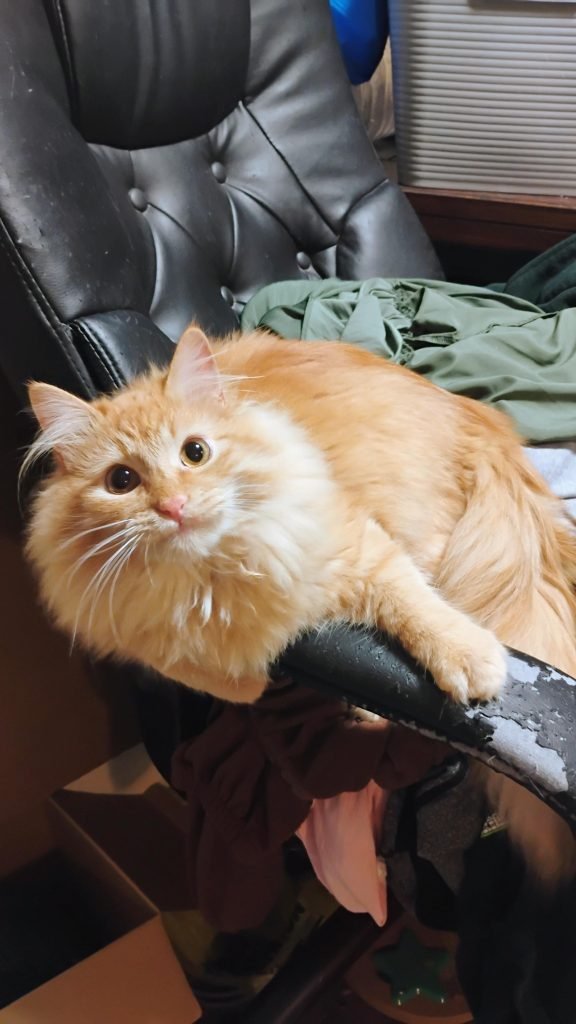
If your cat’s fur has become tangled and matted, you know how uncomfortable it can be for both of you. Matted fur isn’t just ugly—it can cause your cat pain and skin problems.
But don’t worry, you can help your furry friend feel better with the right grooming steps. In this guide, you’ll learn simple, effective ways to safely remove mats and keep your cat’s coat smooth and healthy. Keep reading to discover how to make grooming a stress-free experience for both you and your cat.
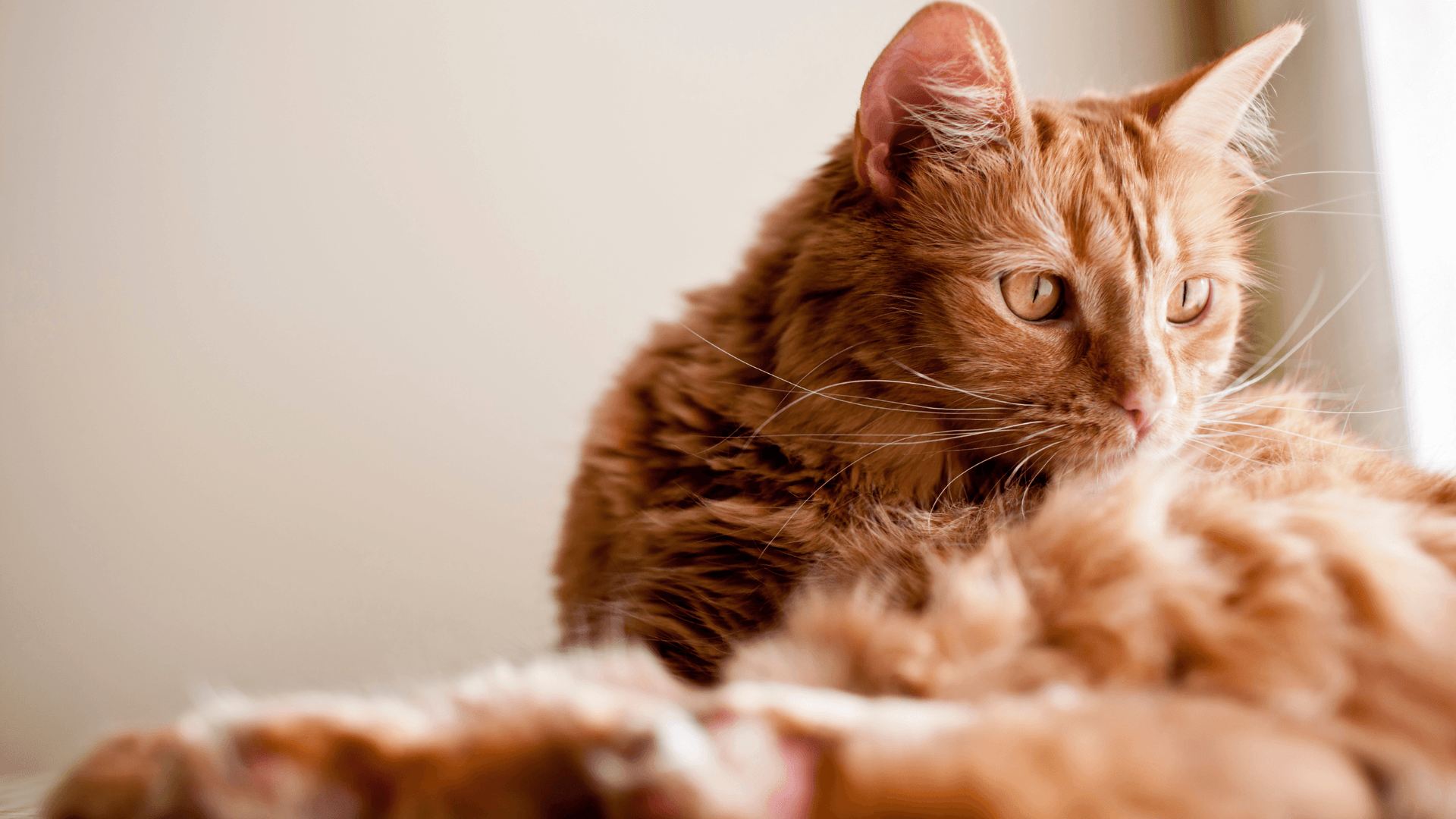
Credit: freshlybailey.com
Signs Of Matted Fur
Matted fur on cats is a common problem that needs quick attention. It happens when the cat’s fur tangles and forms tight clumps. These clumps can pull on the skin, causing pain and discomfort. Spotting matted fur early helps protect your cat’s health and comfort.
Signs of matted fur include knots that don’t brush out easily. The fur may feel hard or thick in certain areas. Cats may lick or scratch these spots more than usual. You might see patches of fur that look uneven or clumped together. Sometimes, the skin under the mats looks red or irritated.
Common Causes
- Poor grooming, especially in long-haired cats
- Old age or illness reducing grooming ability
- Skin conditions causing dry or flaky skin
- Excessive moisture making fur sticky
- Lack of regular brushing by the owner
Health Risks
- Skin infections under the mats
- Pain and discomfort from tight fur pulling
- Restricted movement due to large mats
- Hot spots or sores caused by constant licking
- Possible hair loss from damaged fur follicles
Tools Needed
Grooming a matted cat requires the right tools to make the process safe and comfortable. Using proper tools helps to gently remove mats and avoid hurting your cat. Having everything ready can make the grooming session smoother and less stressful.
Combs And Brushes
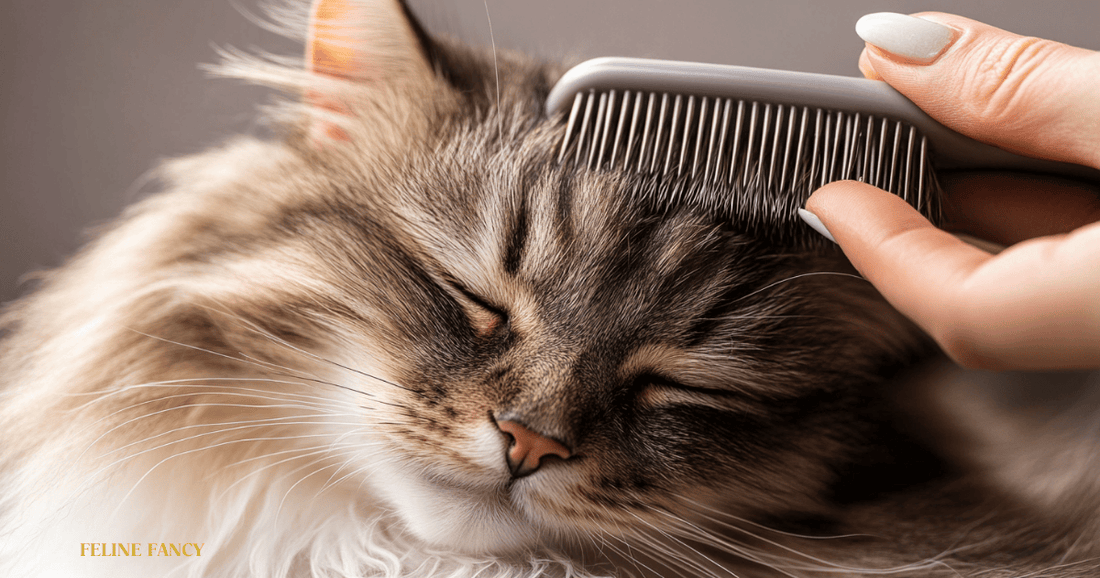
Start with a wide-toothed comb to loosen large mats. A slicker brush works well to remove smaller tangles and loose hair. Use gentle strokes to prevent pulling the fur or skin. Choose combs and brushes made for cats, as they are softer and safer.
Detangling Sprays
Detangling sprays help soften mats and make combing easier. Spray lightly on the matted areas before brushing. Look for sprays with natural ingredients that are safe for cats. Avoid sprays with strong chemicals or scents that may irritate your pet.
Clippers And Scissors
Clippers are useful for trimming very tight mats that cannot be combed out. Use clippers designed for pets with quiet motors to avoid scaring your cat. Scissors with rounded tips allow careful cutting of mats close to the skin. Always cut slowly and carefully to avoid injury.
Preparing Your Cat
Before you start grooming a matted cat, setting the right mood is essential. Cats can be sensitive, especially when dealing with painful mats. Preparing your cat properly can make the grooming process smoother and less stressful for both of you.
Calming Techniques
Start by creating a quiet, comfortable space free from loud noises and distractions. You might want to use a soft blanket or your cat’s favorite bed to help them feel secure.
Try gentle petting and speak in a soft, soothing voice to relax your cat. Some cats respond well to slow blinking from their humans—this can signal safety and trust.
Consider using calming aids like pheromone sprays or diffusers, which many cats find reassuring. Have you noticed how your cat reacts to different sounds or touches? Use this knowledge to tailor your approach.
Safe Handling Tips
Always support your cat’s body firmly but gently to prevent sudden movements. Use slow, deliberate motions to avoid startling them.
Keep your cat’s claws trimmed beforehand to reduce the chance of scratches. Wearing long sleeves or using a towel to gently wrap your cat can protect you and help control their movements.
Watch for signs of stress, such as growling, hissing, or attempts to escape. If your cat becomes too anxious, pause and try calming techniques again before continuing.

Credit: www.viovet.co.uk
Step-by-step Grooming
Grooming a matted cat requires patience and care, but breaking the process into clear steps makes it manageable. Each phase focuses on minimizing discomfort for your cat while effectively addressing the tangles. Let’s walk through the essential actions that will help you restore your cat’s coat to a healthy state.
Assessing The Mats
Start by carefully examining your cat’s fur to identify the size and location of the mats. Are they small and close to the skin, or large and tangled over a wide area? Knowing this helps you decide whether to detangle gently or trim the mats.
Look out for sensitive spots where mats might cause pain or irritation. If your cat reacts strongly when you touch certain areas, proceed with extra caution. This initial assessment guides your approach and prevents accidental harm.
Gentle Detangling
Use a wide-toothed comb or a specialized detangling tool to slowly work through the mats. Start at the edges and gently tease the knots apart, avoiding pulling on your cat’s skin. Patience is key—rushing can hurt your cat and damage their trust.
Apply a detangling spray or a few drops of warm water to soften the fur. This can make knots easier to loosen. If your cat becomes stressed, take breaks and offer treats to keep the experience positive.
Trimming Severe Mats
If mats are too tight or close to the skin, trimming may be necessary to avoid discomfort. Use blunt-ended scissors or electric clippers designed for pets. Always keep the skin taut and cut away from it to prevent accidental cuts.
Consider asking for help from a professional groomer if the mats are extensive or your cat is particularly anxious. Sometimes, trimming a small, severe mat quickly is better than prolonged detangling that stresses your pet.
Preventing Future Mats
Preventing mats in your cat’s fur is easier than removing them later. Regular care keeps your cat comfortable and healthy. Small habits can stop mats from forming. Focus on daily grooming, good nutrition, and expert help.
Regular Brushing Schedule
Brush your cat often to stop mats early. Short-haired cats need brushing once a week. Long-haired cats need it every day. Use a comb or brush made for cats. Be gentle to avoid hurting your cat’s skin. Brushing removes loose fur and dirt. It also spreads natural oils that keep fur soft.
Diet And Hydration
Good food helps keep your cat’s coat shiny. Feed a balanced diet with plenty of nutrients. Omega-3 and omega-6 fatty acids improve fur health. Fresh water is important for skin and fur. Dehydration can make fur dry and brittle. Wet cat food can add extra hydration. Healthy fur is less likely to mat.
Professional Grooming
Visit a groomer for expert care. Professionals can trim and detangle thick mats safely. Groomers know how to handle nervous or sensitive cats. Schedule grooming every few months, or as needed. They help maintain your cat’s coat between brushings. Regular visits reduce mat risk and keep your cat happy.
When To Seek Help
Knowing when to seek help while grooming a matted cat is crucial for both your safety and your cat’s comfort. Mats can cause pain and skin problems that are difficult to handle alone. Recognizing the right moment to call in a professional can prevent unnecessary stress and injury.
Signs Of Discomfort
Watch closely for signs that your cat is in pain or distress during grooming. If your cat starts growling, hissing, or attempts to bite or scratch, these are clear signals that the mats are causing discomfort.
Look for physical signs too. Redness, swelling, or bleeding under the mats means the skin is irritated or injured. Cats may also lick or bite the matted areas excessively, indicating pain or itchiness.
Have you noticed your cat hiding more often or refusing to be touched? These behavioral changes can mean the mats are hurting more than you realize. Ignoring these signs may worsen the problem.
Veterinary Assistance
When mats are too tight or close to sensitive areas like the skin or ears, professional help is necessary. Veterinarians or trained groomers have the right tools and experience to safely remove mats without hurting your cat.
In some cases, sedation might be needed to prevent stress or injury. This is especially true for large mats that pull on the skin or if your cat is very anxious. A vet can also check for underlying skin infections or wounds caused by the mats.
Don’t hesitate to seek veterinary care if you feel overwhelmed or unsure. Your cat’s health and happiness depend on careful, gentle grooming, and experts can guide you through it safely.
Credit: felinefancy.co.uk
Frequently Asked Questions
How Often Should I Groom A Matted Cat?
Regular grooming is essential. Brush your cat at least 2-3 times a week to prevent mats. Frequent grooming reduces discomfort and keeps fur healthy.
What Tools Are Best For Grooming Matted Cats?
Use a wide-toothed comb, dematting rake, and slicker brush. These tools gently remove mats without hurting your cat’s skin.
Can I Shave A Matted Cat At Home Safely?
Shaving is possible but risky. Use clippers carefully or seek professional help to avoid cuts and stress for your cat.
How Do I Calm A Cat During Grooming?
Speak softly, use treats, and take breaks. A calm environment helps reduce stress and makes grooming easier for your cat.
Conclusion
Grooming a matted cat takes patience and gentle care. Start slowly and use the right tools to avoid hurting your cat. Regular brushing helps prevent mats from forming again. Keep your cat calm and reward good behavior with treats. If mats are severe, seek help from a professional groomer or vet.
Healthy fur means a happier cat. Consistent care makes grooming easier over time. Your cat will thank you with love and trust.
