

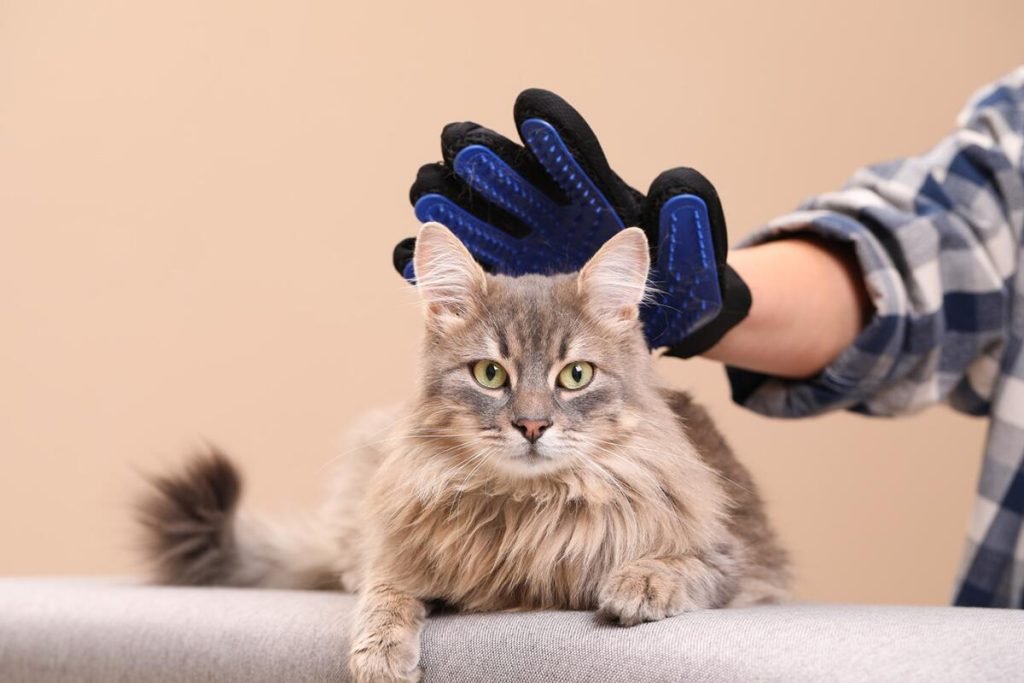
Have you noticed your cat spending an unusual amount of time licking and cleaning itself? When your cat is constantly grooming, it can be a sign that something isn’t quite right.
You might wonder if this behavior is normal or if it’s a signal of stress, health issues, or discomfort. Understanding why your cat is over-grooming can help you keep your furry friend happy and healthy. Keep reading to discover the reasons behind this behavior and what you can do to help your cat feel better.
Credit: www.latimes.com
Why Cats Groom Themselves
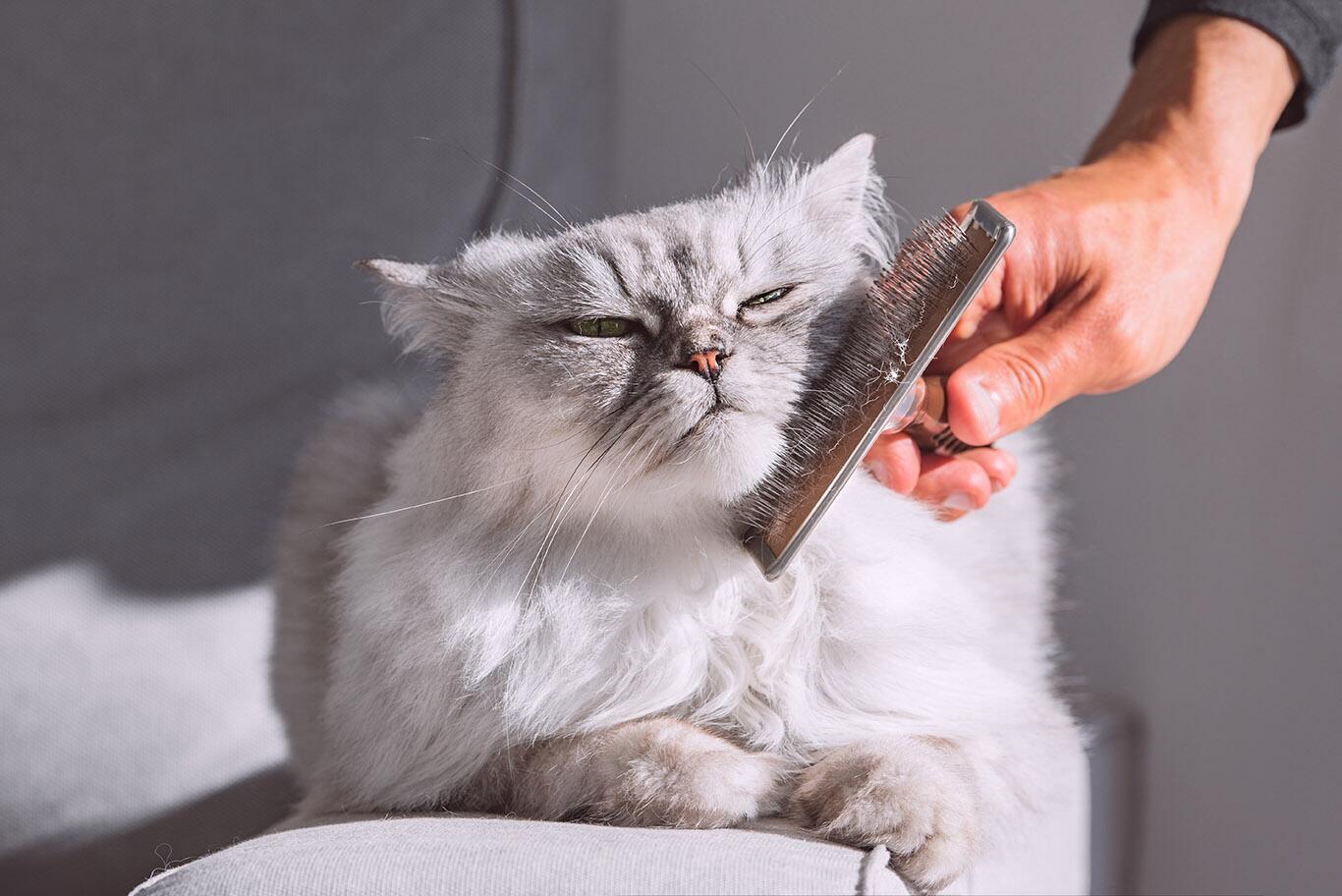
Cats spend a good part of their day grooming themselves. This behavior is natural and serves many purposes. Understanding why cats groom helps us better care for them. Grooming is more than just keeping clean. It connects to their instincts, health, and mood.
Natural Instincts
Grooming is an instinct for cats. It helps them stay safe in the wild. By cleaning their fur, they remove dirt and scent that predators might detect. Grooming also keeps their fur smooth and free of tangles. This natural habit is passed down from their ancestors. Even indoor cats keep this behavior strong.
Hygiene Benefits
Grooming keeps a cat’s coat clean and healthy. It removes loose hair, dirt, and parasites like fleas. This helps stop infections and skin problems. Grooming also spreads natural oils across the fur. These oils keep the fur soft and waterproof. Clean fur helps cats regulate their body temperature better.
Stress Relief
Grooming helps cats relax and feel safe. It can calm nerves during stressful times. When cats groom, they focus on the action, which reduces anxiety. This behavior often increases during changes or new situations. Grooming also releases endorphins, making cats feel good and peaceful.
Signs Of Excessive Grooming
Noticing your cat grooming more than usual can feel worrying. Excessive grooming often signals that something is off, whether it’s a physical issue or stress-related. Spotting the signs early can help you intervene before your feline friend’s health worsens.
Bald Spots And Skin Damage
Look closely at your cat’s fur. Bald patches or thinning fur in specific areas often indicate over-grooming. These spots may appear red or irritated, showing that the skin is damaged from constant licking or biting.
If you see scabs, sores, or raw skin, it’s a clear sign that grooming has gone beyond normal hygiene. Has your cat ever come to you with unexpected bald spots? It’s a good moment to check their skin condition carefully.
Frequent Licking Patterns
Pay attention to how often your cat is licking certain spots. Normal grooming is quick and spread out, but excessive grooming means repeated licking of the same area for long periods. You might notice your cat focusing on paws, belly, or tail more than usual.
This behavior can be a response to allergies, fleas, or even anxiety. Watching your cat’s licking habits closely can give you clues about what might be causing their discomfort.
Behavioral Changes
Excessive grooming often comes with shifts in behavior. Your usually calm cat might become restless, irritable, or withdrawn. You may also notice changes in sleep patterns or appetite.
Have you seen your cat suddenly avoid interaction or hide more than before? Such behavioral changes often go hand in hand with physical signs and shouldn’t be ignored.
Medical Causes For Over-grooming
Excessive grooming in cats often signals an underlying health issue. Understanding medical causes helps to address the problem quickly. Over-grooming can lead to skin damage and discomfort if left untreated.
Many medical conditions cause a cat to groom more than usual. Identifying these causes supports proper treatment and relief for your pet.
Allergies And Skin Conditions
Allergies trigger itching and irritation in cats. Common allergens include food, pollen, and dust mites. Cats scratch and lick to soothe their skin. Skin conditions like dermatitis and eczema also cause discomfort. These issues make cats groom excessively to relieve itchiness.
Parasites And Infections
Fleas and mites cause intense itching. Cats try to remove parasites by licking or biting their fur. Skin infections from bacteria or fungi increase irritation. Infections worsen the skin’s condition, leading to more grooming. Parasite control is crucial to stop over-grooming caused by pests.
Pain And Discomfort
Injuries or joint pain may cause cats to lick affected areas. This grooming helps to ease soreness or inflammation. Internal pain might also lead to unusual grooming habits. Cats often focus on one spot, showing signs of distress. Veterinary checks can uncover hidden causes of pain.
Psychological Triggers
Psychological triggers can play a major role in why your cat might be grooming itself constantly. This behavior often goes beyond simple hygiene and signals deeper emotional or mental states. Understanding these triggers helps you support your cat better and prevent potential health issues.
Anxiety And Stress
Just like people, cats feel anxious and stressed. Changes in their environment—like moving to a new home or introducing a new pet—can cause them to groom excessively. This repetitive grooming acts as a coping mechanism, providing temporary comfort.
Have you noticed your cat licking more after loud noises or when left alone? This might be their way of dealing with anxiety. Offering a calm space and maintaining a consistent routine can reduce their stress and help control over-grooming.
Boredom And Lack Of Stimulation
A cat stuck indoors with little to do can quickly get bored. Without enough toys or interaction, grooming becomes a way to fill time and entertain themselves. This can spiral into excessive grooming if their mental needs aren’t met.
Think about how you feel when stuck in a dull routine. Your cat experiences similar restlessness. Try adding interactive toys or puzzle feeders to keep your cat’s mind active and reduce unnecessary grooming.
Compulsive Disorders
In some cases, constant grooming is linked to compulsive disorders, where the cat feels an uncontrollable urge to lick or bite itself. This behavior resembles human OCD and can cause bald spots or skin damage.
If your cat’s grooming seems out of control, consult a veterinarian. They might recommend behavior therapy or medication to manage the compulsion. Would you recognize the signs early enough to get your cat the help it needs?
When To See A Veterinarian
Knowing when to see a veterinarian is crucial if your cat is constantly grooming. Excessive grooming can signal underlying health problems that need professional attention. Ignoring these signs might lead to more serious issues for your feline friend.
Identifying Warning Signs
Watch for bald patches, redness, or raw skin on your cat’s body. These symptoms suggest your cat is over-grooming due to irritation or pain. Also, notice if your cat seems restless or frequently licks one specific area.
If you see your cat grooming so much that it interferes with eating, sleeping, or playing, it’s time for a vet visit. You might also observe changes in behavior, such as increased anxiety or withdrawal. These signs often indicate discomfort or stress that requires medical attention.
Diagnostic Tests
Your veterinarian will perform a physical exam to check the skin and coat condition. They may also take skin scrapings or samples to test for parasites like fleas or mites.
Blood tests can help identify allergies, infections, or hormonal imbalances causing the grooming. Sometimes, allergy testing or biopsies are necessary to pinpoint the exact cause. Don’t hesitate to ask your vet about the tests—they can explain what each one reveals.
Treatment Options
Treatment depends on the diagnosis. If parasites are found, your cat will receive medication to eliminate them quickly.
For allergies, vets might recommend a change in diet or prescribe antihistamines. In cases of stress-related grooming, behavior modification and environmental enrichment can help your cat feel calmer.
Remember, prompt treatment improves your cat’s quality of life. If your cat starts grooming nonstop, don’t wait—seek veterinary advice to find the root cause and relief.
Credit: www.latimes.com
Preventing Excessive Grooming
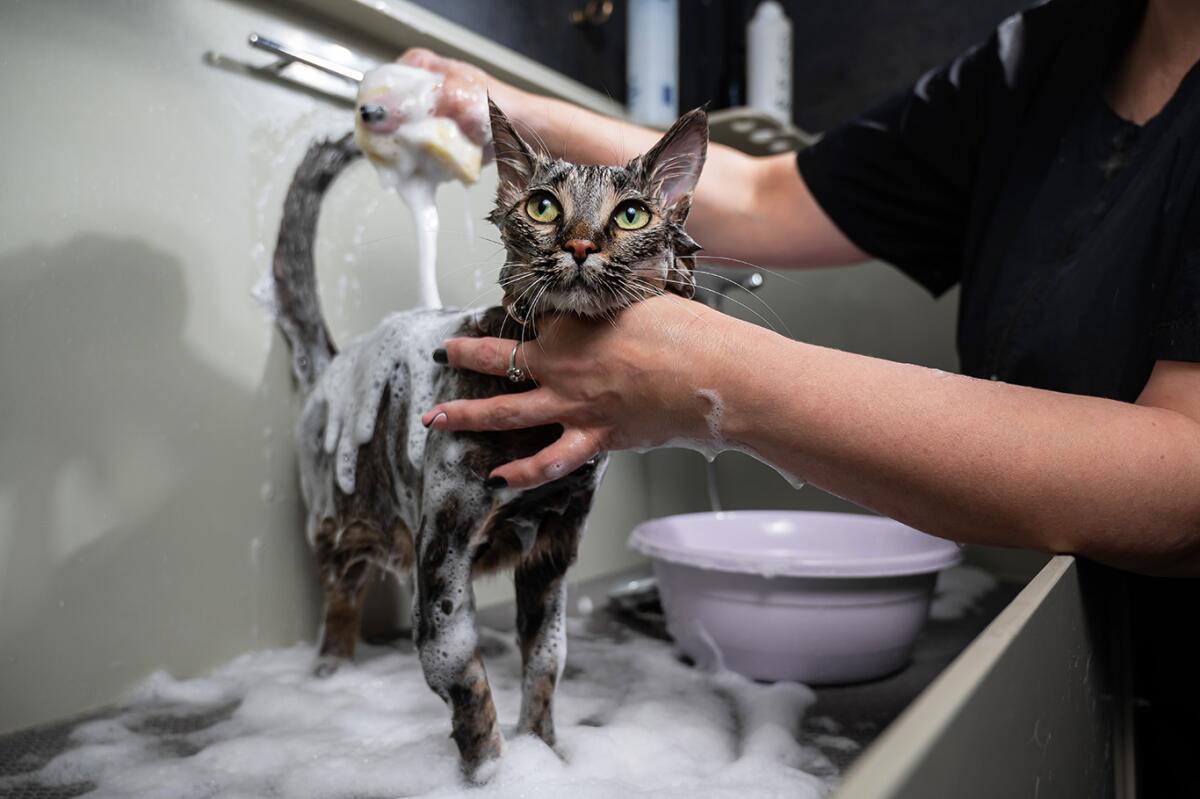
Excessive grooming in cats can cause skin problems and stress. Preventing it helps keep your cat healthy and happy. Understanding what triggers this behavior is important. Small changes at home and care routines can reduce over-grooming.
Environmental Enrichment
Cats need stimulation to stay calm and active. Provide toys that move or make noise to catch their interest. Create climbing spaces and cozy resting spots. Rotate toys regularly to keep things fresh. Play sessions help release energy and reduce anxiety.
Regular Health Checks
Frequent vet visits catch skin issues or allergies early. Parasites or pain can cause your cat to groom too much. Watch for changes in behavior or bald spots. A vet can suggest treatments or medications. Keep vaccinations and flea control up to date.
Behavioral Interventions
Stress can trigger over-grooming. Identify changes in your cat’s environment that cause stress. Use calming pheromone diffusers or sprays. Offer quiet spaces to retreat and relax. Reward calm behavior with treats or gentle petting. Avoid punishment; it may worsen stress.

Credit: pennypaws.com
Frequently Asked Questions
Why Is My Cat Constantly Grooming Itself?
Cats groom to clean fur, regulate body temperature, and reduce stress. Excessive grooming may indicate anxiety, allergies, or skin problems. Monitor your cat’s behavior and consult a vet if grooming seems obsessive or causes bald patches.
Can Stress Cause A Cat To Groom Excessively?
Yes, stress often triggers over-grooming in cats. Changes in environment, new pets, or loud noises can increase anxiety. Excessive grooming helps cats self-soothe but may lead to skin damage if untreated.
How To Stop A Cat From Over-grooming?
Identify and remove stressors or allergens causing over-grooming. Provide mental stimulation and regular playtime. Use calming products and consult a vet if hair loss or skin irritation occurs.
Is Constant Grooming A Sign Of Illness In Cats?
Constant grooming can signal medical issues like fleas, allergies, or infections. Skin conditions often cause itchiness, prompting more grooming. Early veterinary diagnosis ensures proper treatment and prevents complications.
Conclusion
Cats groom to stay clean and healthy. Constant grooming might mean stress or health problems. Watch your cat’s behavior closely every day. Offer calm spaces and regular vet visits. Small changes can help your cat feel better. Understanding grooming helps keep your cat happy.
Take care of your furry friend with love.
