

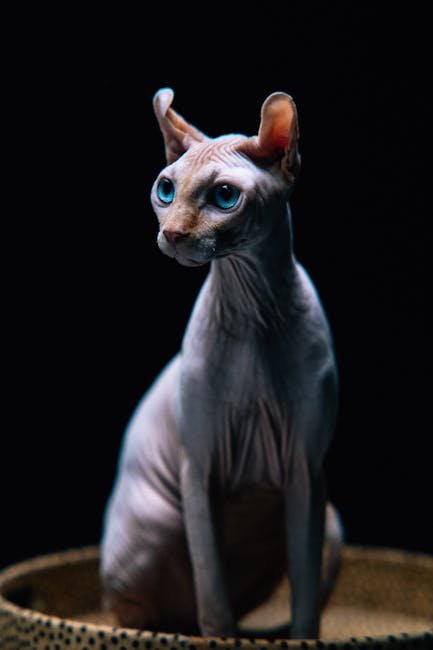
Are you curious about hairless cats breeds and what makes them so unique? If you’ve ever wondered what it feels like to cuddle a cat without fur or how these unusual pets stay warm, you’re in the right place.
Hairless cats aren’t just striking to look at—they have fascinating personalities and care needs that might surprise you. Keep reading, and you’ll discover which hairless cat breed could be the perfect match for your home and lifestyle.
Origins Of Hairless Cats
Understanding where hairless cats come from can change the way you see these unique felines. Their bare skin isn’t just a quirky trait—it tells a story of nature, history, and selective breeding. Let’s uncover how these cats lost their fur and the early breeds that made hairlessness a recognized and beloved trait.
Natural Mutation And Evolution
Hairlessness in cats started as a natural mutation, not something created in a lab. This rare genetic change affected the hair follicles, resulting in cats with little to no fur.
Such mutations can happen spontaneously in any cat population. Once noticed, breeders saw the potential to develop these traits further through selective breeding.
Have you ever wondered why some animals lose features like fur over time? In hairless cats, this mutation persisted because it didn’t harm their survival and actually made them stand out.
Early Breeds And Their History
The first widely recognized hairless cat breed was the Sphynx, which originated in Canada during the 1960s. A hairless kitten named Prune was born to a regular domestic cat, sparking interest in this unusual trait.
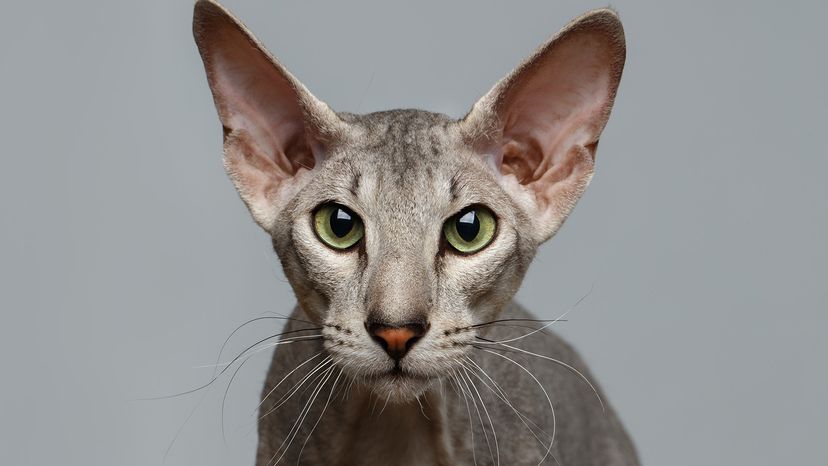
Another early breed is the Peterbald from Russia, developed by crossing hairless and Oriental Shorthair cats. This breed showcases a blend of hairlessness and elegance with its slender body.
Both breeds faced challenges in gaining acceptance due to their unconventional looks. Yet, their unique charm won over many cat lovers, proving that beauty comes in many forms.
Credit: animals.howstuffworks.com
Popular Hairless Cat Breeds
Hairless cat breeds stand out with their unique look and charming personalities. These cats attract many pet lovers due to their soft, warm skin and playful nature. Popular hairless cat breeds each have distinct traits and care needs. Understanding these differences helps in choosing the right breed for your home.
Sphynx
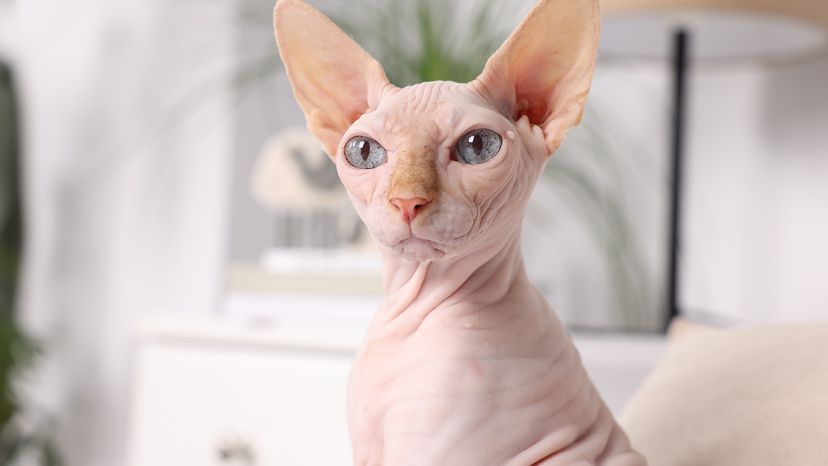
The Sphynx is the most famous hairless cat breed. It has wrinkled skin and large ears. This breed loves attention and enjoys being around people. Sphynx cats are friendly, curious, and very active. Their skin needs regular bathing to remove oils.
Peterbald
Peterbald cats come from Russia and have slender bodies. Their hair ranges from bald to a thin fuzz. These cats are gentle and social. They enjoy playtime and snuggling. Peterbalds need warmth and soft bedding to stay comfortable.
Donskoy
The Donskoy is another Russian breed with no fur. It has a unique wrinkled look and almond-shaped eyes. This breed is very affectionate and loyal. Donskoy cats like to explore and interact with family members. They require skin care similar to the Sphynx.
Bambino
Bambino cats are small with short legs and no hair. They look like a mix between the Sphynx and Munchkin breeds. Bambinos are playful and love human company. Their skin is delicate, so gentle handling is important. Warmth is key for their comfort.
Elf Cat
Elf cats are known for their curled ears and hairless bodies. They have a lively and friendly personality. These cats enjoy play and affection. The Elf’s skin needs regular cleaning and protection from cold. Their unique ears give them a charming look.
Distinctive Features
Hairless cat breeds stand out with their unique physical traits. These features make them fascinating and different from regular cats. Their appearance is a blend of art and nature, creating a special charm.
Each hairless breed shows its own style through skin, body, eyes, and ears. These characteristics help you identify the breed and understand its personality better.
Skin Texture And Color Variations
Hairless cats have soft, suede-like skin. It feels warm and smooth to the touch. Their skin can show many colors and patterns, like solid, spotted, or striped.
Common colors include pink, gray, black, and cream. Some cats have patches of color that create a unique look. The skin may also have wrinkles, adding to their distinct appearance.
Body Structure And Size
These cats usually have lean, muscular bodies. Their build is athletic and elegant. Most hairless breeds have medium size, neither too small nor too big.
Their bones are strong but light. Their legs are long and slender, giving them a graceful walk. The overall body shape is streamlined and balanced.
Eye Shapes And Ear Styles
Hairless cats often have large, expressive eyes. Their eyes can be almond-shaped or round, showing curiosity and intelligence. Eye colors vary from blue to green and gold.
The ears are another key feature. They tend to be large and wide at the base. Some cats have pointed ears, while others have slightly rounded tips. These ears make their faces look striking and alert.
Care And Maintenance
Caring for hairless cat breeds requires special attention to their unique needs. Without fur, their skin is exposed and more vulnerable to environmental factors. Understanding how to maintain their health will help your feline friend stay happy and comfortable.
Skin Care Essentials
Your hairless cat’s skin acts as their first line of defense, so it needs regular care. Bathing them once a week helps remove oils and dirt that build up without fur to absorb it. Use a gentle, fragrance-free shampoo designed for sensitive skin to avoid irritation.
Don’t forget to moisturize if their skin feels dry or flaky. Natural oils like coconut oil can be applied sparingly, but always test on a small area first. Also, check for signs of redness or sores, which can develop quickly without fur protection.
Temperature Sensitivity
Hairless cats feel cold more easily, so keeping them warm is crucial. Provide cozy blankets and heated beds, especially during colder months. You might notice your cat seeking warm spots like sunny windows or near heaters—this is their way of self-regulating temperature.
On the other hand, their skin can also burn under strong sunlight. Limit their outdoor exposure and consider pet-safe sunscreen if they spend time outside. Have you observed your cat shivering or panting? These are signs they’re uncomfortable with temperature extremes and need your help.
Diet And Nutrition Tips
Nutrition plays a big role in maintaining your hairless cat’s skin health. Foods rich in essential fatty acids, like omega-3 and omega-6, support skin hydration and healing. Look for high-quality cat food or supplements that include these nutrients.
Hairless cats may have faster metabolisms to keep warm, so monitor their weight and adjust their food intake accordingly. Have you noticed your cat’s appetite changing with the seasons? It’s important to adapt their diet to match their energy needs throughout the year.
Health Considerations
Hairless cat breeds have unique health needs. Their lack of fur affects their skin and body temperature. Owners must understand these special care needs. This helps keep hairless cats happy and healthy.
Common Health Issues
Hairless cats often face skin problems. Their exposed skin can get sunburned easily. They also may develop dry or oily skin. Some breeds have genetic risks like heart disease. Respiratory issues can appear due to their facial structure.
Regular Vet Checkups
Frequent vet visits are crucial for hairless cats. A vet can detect skin infections early. Heart and lung health need regular monitoring. Vaccinations and parasite checks protect overall health. Early detection leads to better treatment outcomes.
Preventive Measures
- Apply gentle sunscreen when outdoors.
- Keep indoor temperature stable and warm.
- Use moisturizing lotions made for cats.
- Provide a balanced diet to support skin health.
- Clean their skin regularly with vet-approved products.
:strip_icc()/spruce-pets-minskin-cat-a39902959c2a468c9d4a0dd40a043fcb.png)
Credit: www.thesprucepets.com
Personality Traits
Hairless cat breeds have unique personality traits that make them stand out. Their charm goes beyond their unusual looks. These cats are known for being affectionate, curious, and lively companions. Understanding their personality helps in building a strong bond with them.
Social Behavior
Hairless cats love attention and enjoy being around people. They often follow their owners from room to room. These cats rarely like being alone for long periods. They greet guests warmly and may demand pets or cuddles. Social creatures, they thrive in lively environments.
Intelligence And Playfulness
These cats are smart and quick learners. They enjoy interactive toys and puzzles. Playtime is important to keep their minds active. Hairless cats can learn tricks and respond to their names. Their playful nature stays strong even as they grow older.
Compatibility With Families
Hairless cats fit well in many family types. They get along with children and other pets. Gentle and patient, they tolerate handling well. Their need for warmth means they love cozy laps. Families who want an affectionate pet will find these cats ideal.
Adoption And Ownership
Adopting and owning a hairless cat requires thoughtful preparation and informed decisions. These unique breeds need special care, and understanding the process helps you provide the best home. Your commitment goes beyond just bringing a pet home; it involves continuous attention to their health and happiness.
Finding Reputable Breeders
Start by researching breeders who specialize in hairless cat breeds like the Sphynx or Peterbald. Look for those who prioritize health screenings and ethical breeding practices. Ask for references or visit their facilities if possible to see the living conditions firsthand.
A good breeder will be transparent about the cat’s medical history and temperament. They should also be willing to answer your questions and provide ongoing support after adoption. How often do you get this level of care when adopting pets?
Adoption Costs
Hairless cats often come with higher adoption fees compared to other cats. These costs reflect their rare breed status and the health care invested by breeders. Expect to pay anywhere from $1,000 to $3,000 depending on the breed and lineage.
Besides the initial fee, plan for ongoing expenses such as special skincare products, vet visits, and a nutritious diet. Budgeting ahead can prevent surprises and ensure you’re ready for the financial commitment. Are you prepared to invest in your cat’s unique needs?
Preparing Your Home
Your home needs adjustments to keep a hairless cat comfortable and safe. Since they lack fur, hairless cats are sensitive to temperature changes. Provide warm blankets, cozy beds, and avoid drafts in their favorite spots.
Consider gentle skincare routines to protect their delicate skin from dryness or sunburn. Also, remove any sharp objects or rough surfaces that could scratch them. How can you create a space where your hairless cat feels secure and loved every day?
Myths And Facts
Hairless cats often spark curiosity and a range of assumptions. Separating myths from facts helps you understand these unique breeds better. Knowing the truth can also guide you in caring for them properly and appreciating their distinct charm.
Debunking Common Misconceptions
One common myth is that hairless cats are completely hypoallergenic. While they produce fewer allergens than furry cats, no cat breed is entirely allergen-free. If you have allergies, spending time with a hairless cat before adopting can help you gauge your reaction.
Many believe these cats are sickly or fragile. In reality, hairless breeds like the Sphynx are robust and energetic. They simply need skin care, like regular bathing, because their skin gets oily without fur.
Another false idea is that hairless cats don’t need warmth. They actually get cold easily and enjoy cozy blankets or warm laps. Providing a warm environment is essential for their comfort.
Fascinating Facts About Hairless Cats
Hairless cats aren’t truly hairless. They often have a fine layer of peach-fuzz-like hair that you can barely see or feel. This gives their skin a unique texture that’s soft to touch.
These cats have a higher metabolism than many other breeds. This helps them stay warm but also means they tend to eat more. You might notice your hairless cat is always ready for a meal!
Hairless cats are known for their social and affectionate nature. They often seek human attention and love to snuggle. If you want a playful companion who thrives on interaction, a hairless cat might be perfect.
Credit: animals.howstuffworks.com
Frequently Asked Questions
What Are The Most Popular Hairless Cat Breeds?
The most popular hairless cat breeds include the Sphynx, Peterbald, and Donskoy. These breeds are known for their unique lack of fur and affectionate nature. They are favored for their hypoallergenic qualities and distinctive appearance.
Are Hairless Cats Hypoallergenic Pets?
Hairless cats are often considered hypoallergenic because they produce fewer allergens. However, no cat is completely allergen-free. People with allergies should spend time with hairless cats before adopting to ensure compatibility.
How Do You Care For Hairless Cats?
Hairless cats need regular skin cleaning to remove oil buildup. They require protection from sunburn and cold weather due to lack of fur. Proper diet and gentle grooming keep their skin healthy and comfortable.
Do Hairless Cats Have Special Health Concerns?
Hairless cats may face skin issues like dryness and sensitivity. They can also be prone to temperature-related stress. Regular vet checkups and attentive care help maintain their health and prevent common problems.
Conclusion
Hairless cat breeds offer a unique pet experience. They need special care to keep their skin healthy. These cats are friendly and love human attention. Choosing the right breed depends on your lifestyle. Each breed has its own personality and traits.
Hairless cats can fit well in many homes. They bring warmth and charm without shedding fur. Think carefully about their needs before adopting one. Enjoy the special bond these cats create with owners. They make loving and interesting companions for many families.
