

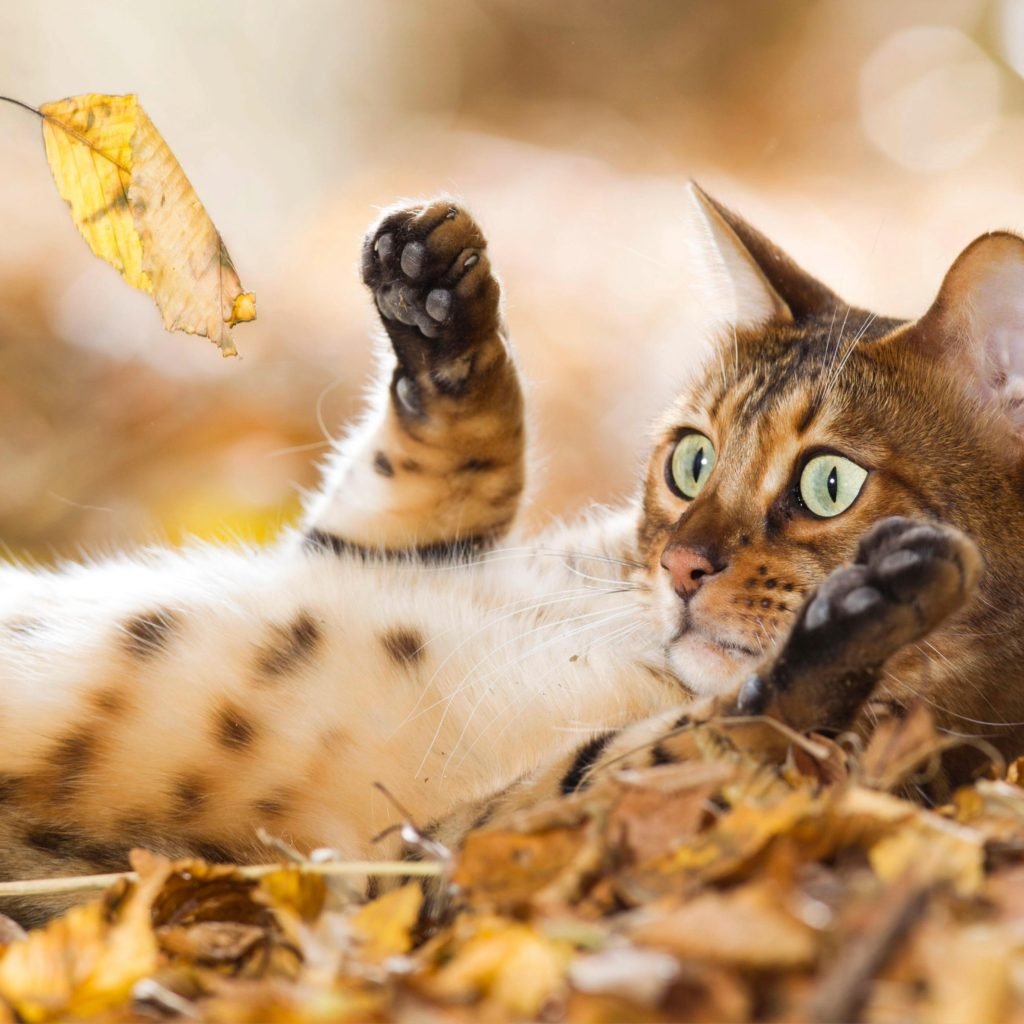
Have you ever wondered what makes wild cat breeds so fascinating? These mysterious creatures capture our imagination with their beauty, strength, and unique traits.
Whether you’re curious about their habits or want to know which wild cats share features with your favorite pets, this article is for you. By the end, you’ll see wild cat breeds in a whole new light—and maybe even discover your new favorite feline.
Keep reading to unlock the secrets behind these amazing animals!
Credit: www.rewild.org
Exotic Wild Cat Species
Exotic wild cat species fascinate many due to their beauty and mystery. These cats live in forests, mountains, and savannas worldwide. Each species has unique traits and survival skills. Understanding these cats helps protect their habitats and ensures their survival. Below are some categories of exotic wild cats.
Small Wild Cats
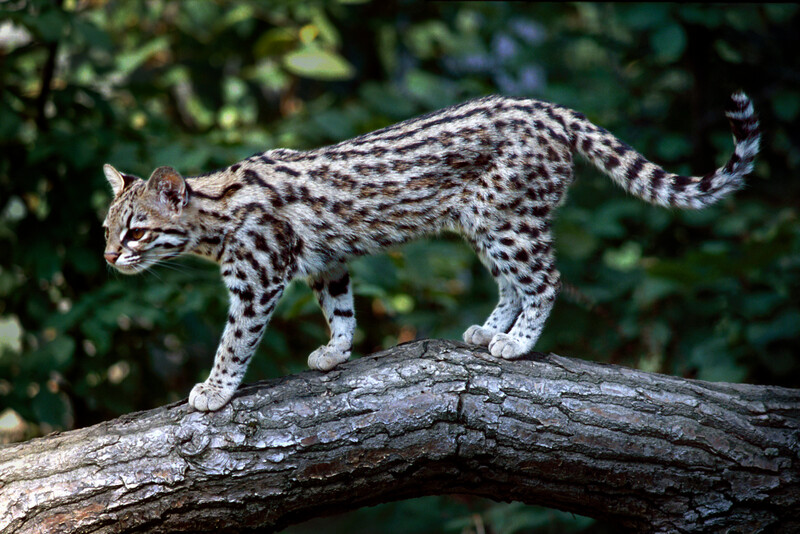
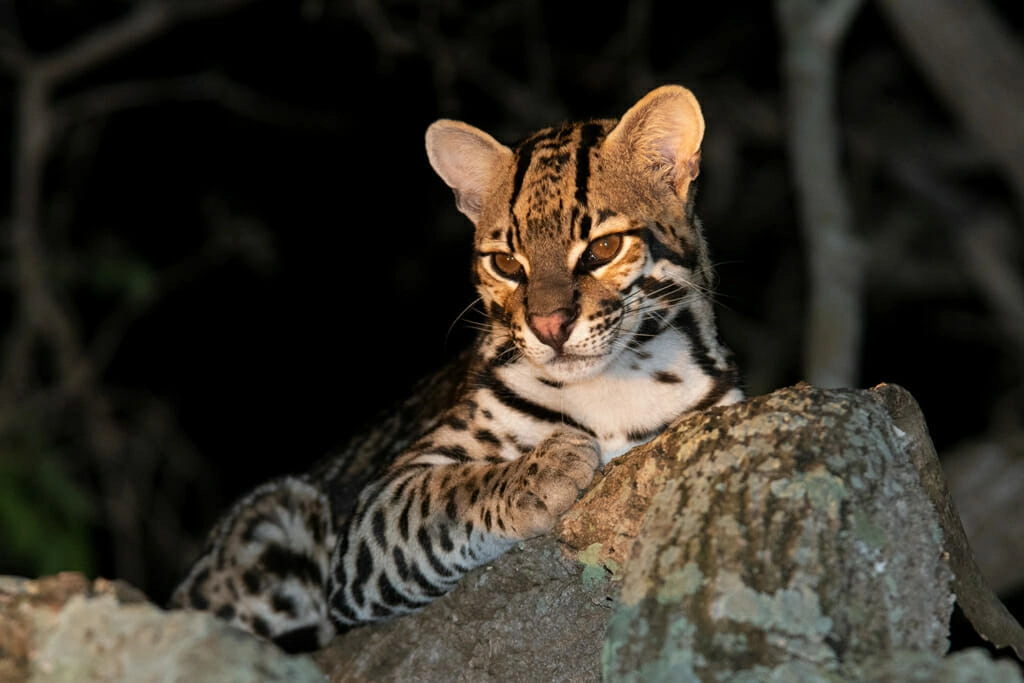
Small wild cats are agile and often elusive. They include species like the margay, ocelot, and fishing cat. These cats usually weigh under 20 pounds. They hunt small animals such as birds and rodents. Their size helps them move quietly through dense forests. Many small wild cats have spotted or striped coats for camouflage.
Large Wild Cats
Large wild cats command attention with their size and power. Tigers, lions, leopards, and jaguars are well-known examples. These cats can weigh over 200 pounds. They are apex predators in their ecosystems. Large wild cats hunt bigger prey such as deer and wild boar. Their strength and speed make them top hunters.
Rare And Endangered Species
Some wild cats face serious threats and are rare to see. The Amur leopard, snow leopard, and clouded leopard fall into this group. Habitat loss and poaching endanger these species. Conservation efforts aim to protect their homes and increase their numbers. Knowing about these cats raises awareness and support for their survival.
Habitat And Distribution
Wild cat breeds live in various habitats around the world. Their distribution depends on food, shelter, and climate. Each species adapts to its environment in unique ways. Understanding these habitats helps us learn how wild cats survive and thrive.
Tropical Rainforests
Tropical rainforests offer dense trees and thick vegetation. These areas are warm and wet all year. Cats like the margay and ocelot find plenty of prey here. They use the dense cover to hide and hunt. The high trees also provide safe resting spots.
Savannas And Grasslands
Savannas are open areas with tall grasses and scattered trees. They have dry and wet seasons. Wild cats such as the cheetah and serval live here. These cats rely on speed and stealth to catch prey. Grasslands offer wide spaces to run and stalk animals.
Mountain And Desert Regions
Mountains and deserts have harsh climates with cold or dry weather. The snow leopard is a famous mountain cat. It moves easily on rocky slopes and cold heights. Desert cats, like the sand cat, survive with little water. They hide in burrows and hunt at night to avoid heat.
Physical Traits And Adaptations
Wild cat breeds have evolved distinct physical traits and adaptations that help them survive in their unique environments. These features are not just about looks—they play a vital role in hunting, protection, and mobility. Understanding these traits can give you a deeper appreciation of how wild cats thrive in the wild.
Coat Patterns And Colors
Wild cats display a wide variety of coat patterns and colors that serve as camouflage. Spots, stripes, and rosettes break up their outline, helping them blend into forests, grasslands, or rocky terrain.
Take the leopard’s golden coat covered in black rosettes. This pattern allows it to disappear among the dappled light of the jungle. Similarly, the snow leopard’s pale gray fur with dark spots matches the rocky, snowy mountains where it lives.
Have you ever wondered how your own environment shapes your choices? Wild cats show how crucial blending in can be for survival.
Hunting Techniques
Different wild cats use varied hunting techniques based on their physical strengths and habitats. Some rely on stealth, creeping silently before pouncing, while others use speed and power to chase prey.
The cheetah, for example, uses incredible acceleration and sharp eyesight to catch fast-moving animals on open plains. In contrast, the jaguar prefers ambush tactics, using its muscular build to overpower prey near water.
Think about your own approach to challenges—do you rely on quick moves or careful planning? Wild cats show there’s no single way to succeed.
Climbing And Swimming Skills
Many wild cats have developed excellent climbing and swimming abilities, expanding their hunting grounds and escape routes.
The margay, a small wild cat from Central and South America, is an expert climber that can move through trees almost as easily as on the ground. Meanwhile, the fishing cat is known for its strong swimming skills, diving into water to catch fish and amphibians.
Imagine how mastering new skills could open up opportunities for you, just like these cats use their abilities to thrive in different environments.
Behavior And Social Structure
Understanding the behavior and social structure of wild cat breeds reveals how these fascinating animals survive and interact in their natural habitats. Their actions are shaped by instincts, environment, and the need to balance solitude with social connections. Observing their patterns offers insights into their world that you might not expect.
Territorial Habits
Wild cats are fiercely territorial. Each individual or group claims a specific area, marking it with scents, scratches, or vocal signals. These territories help reduce conflicts by clearly defining boundaries.
Smaller wild cats tend to have smaller territories, while larger species like the leopard or tiger defend extensive zones. Have you ever noticed how your own cat marks its space at home? This behavior mirrors what wild cats do to protect their hunting grounds and resting spots.
Communication Methods
Wild cats use a variety of communication methods beyond just vocal sounds. They rely on body language, scent marking, and even facial expressions to send messages.
- Scent marking:Rubbing their cheeks or spraying urine to leave a chemical message.
- Vocalizations:Growls, hisses, purrs, and roars serve different purposes, from warning to courtship.
- Body signals:Tail position, ear movement, and posture indicate mood or intent.
These subtle cues form a complex language that you might miss if you don’t pay close attention. Could you spot the difference between a friendly approach and a warning in wild cat behavior?
Mating And Reproduction
Mating behavior in wild cats is often brief but intense. Males may compete fiercely for access to females, sometimes leading to dramatic confrontations. Females usually signal their readiness through specific vocalizations or scent markings.
After mating, the female raises her kittens alone, teaching them essential survival skills. The solitary nature during this period ensures the young stay protected from predators and rival cats. How does this independence shape the wild cat’s ability to thrive in harsh environments?
Conservation Challenges
Wild cat breeds face serious threats that endanger their survival. These challenges affect their numbers and habitats. Protecting them requires understanding these issues clearly.
Habitat Loss
Wild cats lose homes due to farming, logging, and cities growing. Forests shrink, leaving fewer places for cats to live and hunt. This forces cats into smaller areas, causing stress and less food.
Without enough space, wild cats struggle to find mates. Their population drops, risking extinction.
Poaching And Illegal Trade
Many wild cats are hunted for fur, bones, and body parts. Poachers sell these items on illegal markets worldwide. This trade harms wild cat numbers drastically.
Young cats are also taken for pets, harming wild populations. Law enforcement often lacks resources to stop poachers effectively.
Conservation Programs
Conservation efforts aim to protect wild cats and their habitats. These programs include:
- Creating protected areas and wildlife reserves
- Educating local communities about wild cats
- Strengthening laws against poaching and trade
- Supporting breeding programs for endangered species
These steps help wild cats survive and thrive in the wild.
Credit: www.thewildlifediaries.com
Wild Cats In Culture
Wild cats have fascinated humans for centuries. Their presence in culture reflects deep respect and mystery. These animals symbolize strength, agility, and freedom. Across different societies, wild cats inspire stories, art, and even tourism. Their cultural impact remains strong and diverse.
Mythology And Symbolism
Wild cats often appear in myths and legends. Many cultures see them as protectors or spiritual guides. For example, ancient Egyptians worshipped the goddess Bastet, who had a cat’s head. In some Native American tribes, wild cats symbolize courage and hunting skills. These animals often stand for power, independence, and stealth.
Wild Cats In Art And Media
Artists use wild cats to express beauty and strength. Paintings, sculptures, and tattoos feature lions, tigers, and leopards. Films and books also highlight wild cats as heroes or symbols of the wild. Documentaries educate people about their behavior and habitats. This exposure helps people appreciate wild cats more deeply.
Role In Ecotourism
Wild cats attract tourists to natural parks and reserves. People travel far to see lions roaming or tigers stalking in the wild. Ecotourism supports local economies and funds conservation efforts. Responsible tourism raises awareness about the need to protect these animals. It creates jobs and encourages habitat preservation.

Credit: www.thewildlifediaries.com
Frequently Asked Questions
What Are The Most Popular Wild Cat Breeds?
Popular wild cat breeds include the Bengal, Savannah, and Caracal. These breeds are known for their exotic looks and wild ancestry, combining domestic traits with wild features for unique appearances and behaviors.
How Do Wild Cat Breeds Differ From Domestic Cats?
Wild cat breeds have distinct wild ancestry, featuring unique markings and behaviors. They often require more space, exercise, and mental stimulation than typical domestic cats, reflecting their natural instincts and energy levels.
Are Wild Cat Breeds Suitable As Pets?
Some wild cat breeds can be pets but require experienced owners. They need special care, large spaces, and patience. Always research breed-specific needs and legal restrictions before adoption.
What Habitats Do Wild Cat Breeds Prefer?
Wild cat breeds typically live in forests, savannas, and grasslands. Their habitat depends on the breed’s origin, with some preferring dense cover and others open areas to hunt and roam.
Conclusion
Wild cat breeds show nature’s beauty and strength. Each breed has unique traits and stories. They live in many places around the world. Learning about them helps us protect wild cats better. These cats inspire respect and wonder. Keep exploring and appreciating wild cat breeds.
Their survival depends on our care. Every small action helps save these amazing animals. Wild cats remind us to value nature’s wild side.
