

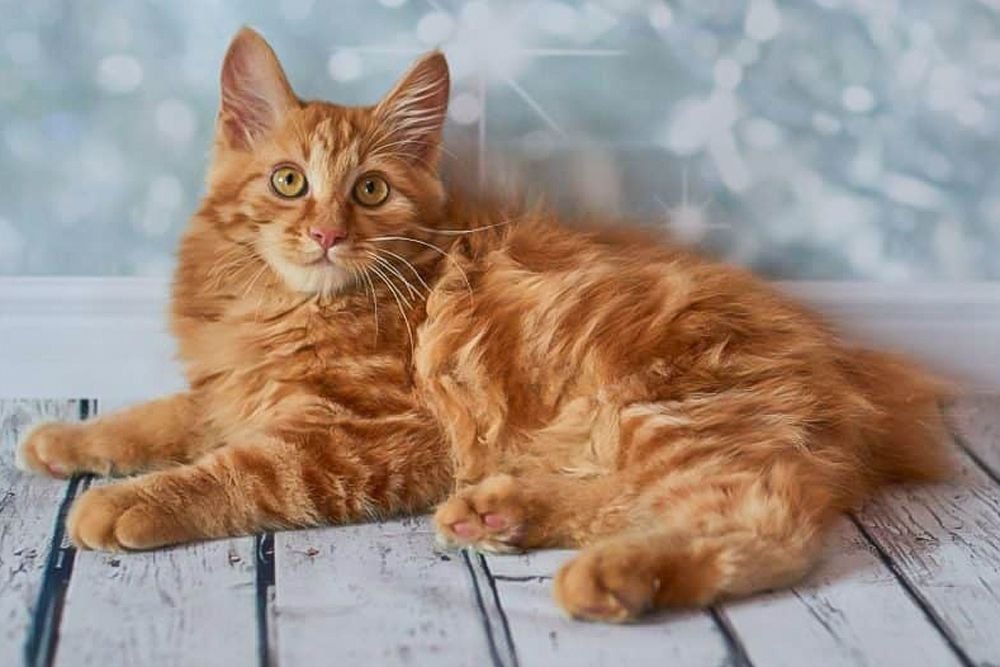
Are you curious about bobtail cats and what makes them so special? These unique cats stand out with their short, adorable tails and charming personalities.
Whether you’re thinking of adding one to your family or just want to learn more, understanding the different bobtail cat breeds can help you find the perfect match for your home. Keep reading, and you’ll discover the fascinating traits, care tips, and fun facts that make bobtail cats truly one of a kind.
Your next feline friend might be closer than you think!

Credit: www.wikiwand.com
Bobtail Cat Traits
Bobtail cats have unique traits that set them apart from other breeds. Their distinct looks and lively personalities make them memorable companions. Understanding these traits helps you decide if a bobtail cat fits your lifestyle and home.
Physical Features
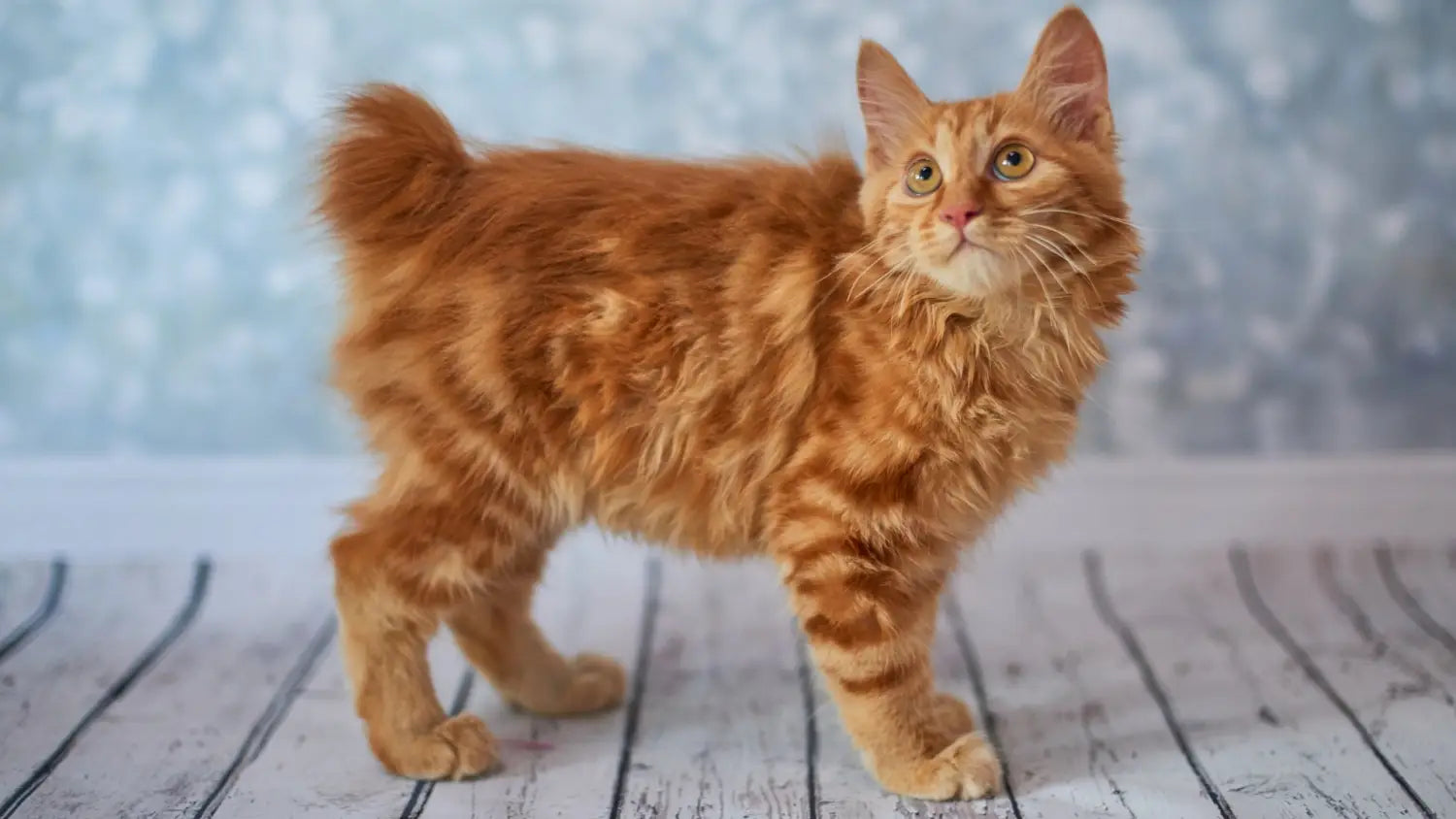
Bobtail cats are famous for their short, stubby tails that look like little pom-poms. This trait is a natural genetic variation, not a result of docking or injury. Their bodies are usually muscular and medium to large in size, giving them a sturdy appearance.
Their fur can vary from short to medium length, often soft and dense. Colors and patterns differ widely, so you might find a bobtail in tabby, solid, or even spotted coats. Their ears are typically pointed, and their eyes are expressive, adding to their charm.
Personality Traits
Bobtails tend to be very social and affectionate, often forming strong bonds with their owners. They enjoy being part of the family and can be quite playful even as adults. Many owners say their bobtail cats seem almost dog-like in their loyalty and eagerness to interact.
These cats are curious and intelligent, which means they need mental stimulation to stay happy. If you enjoy interactive play and training, a bobtail might be a perfect match for you. Have you noticed how some cats seem to understand your moods? Bobtails often respond well to emotional cues.
Behavior Patterns
Bobtail cats are known for their active nature and love for exploring their environment. They often follow their owners around the house, eager to be involved in daily activities. This breed enjoys climbing and jumping, so providing vertical spaces like shelves or cat trees is a smart choice.
Despite their energy, bobtails also appreciate quiet time and will happily curl up on your lap for a nap. They are generally good with children and other pets, adapting well to busy households. Do you want a cat that’s both an adventurer and a cuddle buddy? Bobtail cats fit that role perfectly.

Credit: www.aol.com
Types Of Bobtail Breeds
Bobtail cats are famous for their short, stubby tails. These breeds show unique looks and charming personalities. Each type has its own history and traits. They come from different parts of the world, making them special in many ways.
Below are some popular types of bobtail breeds. Each one offers something different for cat lovers.
Japanese Bobtail
The Japanese Bobtail is known for its rabbit-like tail. It often looks like a pom-pom. This breed is friendly, active, and loves to play. It has a slender body with large, expressive eyes. The coat can be short or long and comes in many colors.
American Bobtail
The American Bobtail has a strong, muscular build. Its tail is short but flexible. This breed is very social and enjoys human company. It adapts well to different homes. The coat is usually dense and can be short or medium length.
Kurilian Bobtail
The Kurilian Bobtail is a sturdy and agile cat. It has a thick, soft coat and a short, fluffy tail. This breed is good at hunting and very intelligent. It comes from the Kuril Islands, a group of islands between Russia and Japan. Kurilian Bobtails are calm but playful.
Manx Cat
The Manx Cat is famous for having no tail or a very short one. It has a round, strong body and big eyes. This breed is gentle and loyal. Manx cats are good jumpers and love to explore. They come in various colors and patterns.
Care Tips For Bobtail Cats
Bobtail cats are lively and loving pets that need proper care to stay healthy. Their unique tails and active nature require special attention. Knowing how to care for them helps ensure a happy, long life.
Grooming Needs
Bobtail cats have short to medium fur that needs regular grooming. Brush their coat twice a week to remove loose hair and dirt. This reduces shedding and keeps their skin healthy. Check their ears and eyes regularly for any signs of infection. Trim their nails every two to three weeks to prevent overgrowth and scratching.
Diet And Nutrition
A balanced diet is key for bobtail cats. Provide high-quality cat food rich in protein and low in fillers. Fresh water should always be available. Avoid feeding too many treats or human food, which can cause weight gain. Monitor their weight and adjust food portions to keep them fit and active.
Exercise And Play
Bobtail cats are energetic and love to play. Provide toys like balls, feather wands, and laser pointers to keep them moving. Spend time each day engaging in interactive play to stimulate their mind and body. Climbing structures and scratching posts help satisfy their natural instincts and prevent boredom.
Bobtail Cats And Families
Bobtail cats make wonderful companions for families. Their playful and affectionate nature often shines brightest in a lively household. Understanding how they fit into your family dynamics can help you create a happy home for everyone involved.
Compatibility With Children
Bobtail cats generally enjoy the energy children bring. They often appreciate gentle play and interaction but can be sensitive to rough handling.
Teaching your kids to be calm and respectful around the cat will build a strong bond. Have you noticed how your cat reacts when kids get too noisy? Observing these moments helps tailor the interaction.
Interaction With Other Pets
These cats usually adapt well to other pets, especially if introduced slowly. Their social and curious nature means they can form friendly relationships with dogs or other cats.
However, each pet has its own personality. Watching their first meetings closely and providing safe spaces for retreat can prevent tension and stress.
Ideal Home Environment
Bobtail cats thrive in homes where they receive attention and mental stimulation. A quiet corner with toys and scratching posts can be a perfect retreat after active playtime.
If you work long hours, consider how you’ll keep your cat entertained and emotionally healthy. Could adding puzzle feeders or interactive toys be the answer for your busy schedule?
Health Concerns In Bobtail Breeds
Bobtail cat breeds have unique features, including their distinctive short tails. These cats are generally healthy but can face some breed-specific health problems. Knowing these issues helps owners keep their pets safe and happy. Proper care and timely vet visits ensure a better quality of life for bobtail cats.
Common Health Issues
Bobtail cats may experience some common health concerns linked to their breed traits. These include:
- Spinal problems due to their short tails.
- Hip dysplasia affecting their movement.
- Obesity from low activity levels.
- Dental diseases common in many cats.
- Respiratory infections, especially in kittens.
Regular monitoring of these conditions helps catch problems early.
Preventive Care
Preventive care is vital for bobtail cats to stay healthy. Key steps include:
- Providing a balanced diet to maintain ideal weight.
- Regular exercise to keep muscles strong.
- Routine dental cleaning to avoid gum disease.
- Vaccinations to protect against infections.
- Parasite control through flea and worm treatments.
Good grooming and a safe environment reduce stress and injury risks.
When To Visit The Vet
Visit the vet promptly if your bobtail cat shows signs of illness. Watch for:
- Changes in appetite or drinking habits.
- Difficulty walking or limping.
- Persistent coughing or sneezing.
- Unusual lumps or skin changes.
- Behavioral changes such as hiding or aggression.
Regular check-ups every 6 to 12 months help catch issues early.
Choosing Your Bobtail Cat
Choosing your Bobtail cat means more than picking a cute pet. It’s about finding a companion that fits your lifestyle and values. You want a cat with the right temperament and health background, which starts with where and how you get your Bobtail.
Finding Reputable Breeders
Look for breeders who prioritize the health and temperament of their cats. A good breeder will provide health clearances and be open about any genetic issues in their lines.
Ask about the cat’s parents and see if the breeder allows you to meet them. This helps you gauge the personality and care level your new cat might have.
Beware of breeders who rush the sale or can’t provide detailed information. Your Bobtail deserves a responsible start in life.
Adoption Tips
Consider adopting from shelters or breed-specific rescues. Many Bobtails need loving homes, and adoption gives them a second chance.
When adopting, spend time with the cat to understand its personality. Ask about its behavior, health history, and any special needs.
Prepare your home by researching Bobtail care and creating a safe space. This ensures your new friend settles in smoothly.
What To Expect
Bobtails are known for their playful and social nature, but each cat is unique. Be ready to invest time in bonding and training.
You might notice their distinctive bobbed tail and strong build, but personality matters most. Expect a loyal companion who thrives on interaction.
Regular vet visits and proper nutrition are key to a long, happy life. How will you make your Bobtail feel truly at home?
Credit: purebredkitties.com
Frequently Asked Questions
What Are The Main Bobtail Cat Breeds?
The main Bobtail cat breeds include the Japanese Bobtail, American Bobtail, and Kurilian Bobtail. Each breed has a distinctive short tail and unique personality traits.
How Do Bobtail Cats Differ From Other Cats?
Bobtail cats have naturally short, kinked tails. They often have a playful, affectionate nature and distinct physical features that set them apart.
Are Bobtail Cats Good Family Pets?
Yes, Bobtail cats are friendly, social, and adaptable, making them excellent family pets. They bond well with children and other pets.
What Is The Origin Of Bobtail Cat Breeds?
Bobtail breeds originated in different regions: the Japanese Bobtail from Japan, the American Bobtail from the USA, and the Kurilian Bobtail from Russia.
Conclusion
Bobtail cats have unique looks and charming personalities. Each breed offers different traits to enjoy. They often make loving and playful pets. Knowing their needs helps you care for them well. Consider their energy and social nature before choosing one.
These cats bring joy and fun to many homes. Exploring bobtail breeds can be a rewarding experience. Their distinct tails and friendly nature stand out clearly. A bobtail cat might be the perfect companion for you.
