

Have you ever noticed your cat licking itself right after a meal? It might seem like a simple habit, but there’s more to it than just staying clean.
When your cat grooms after eating, it’s doing something important for its health and comfort. Understanding why your furry friend does this can help you connect with them even more. Keep reading, and you’ll discover the surprising reasons behind this common cat behavior—and how it benefits your pet every day.
Reasons Cats Groom After Meals
Cats grooming themselves right after eating is a common sight that might leave you curious. This behavior isn’t just about keeping clean; it serves several important purposes. Understanding why your cat cleans up after meals can give you insights into their health, comfort, and natural instincts.
Removing Food Residue
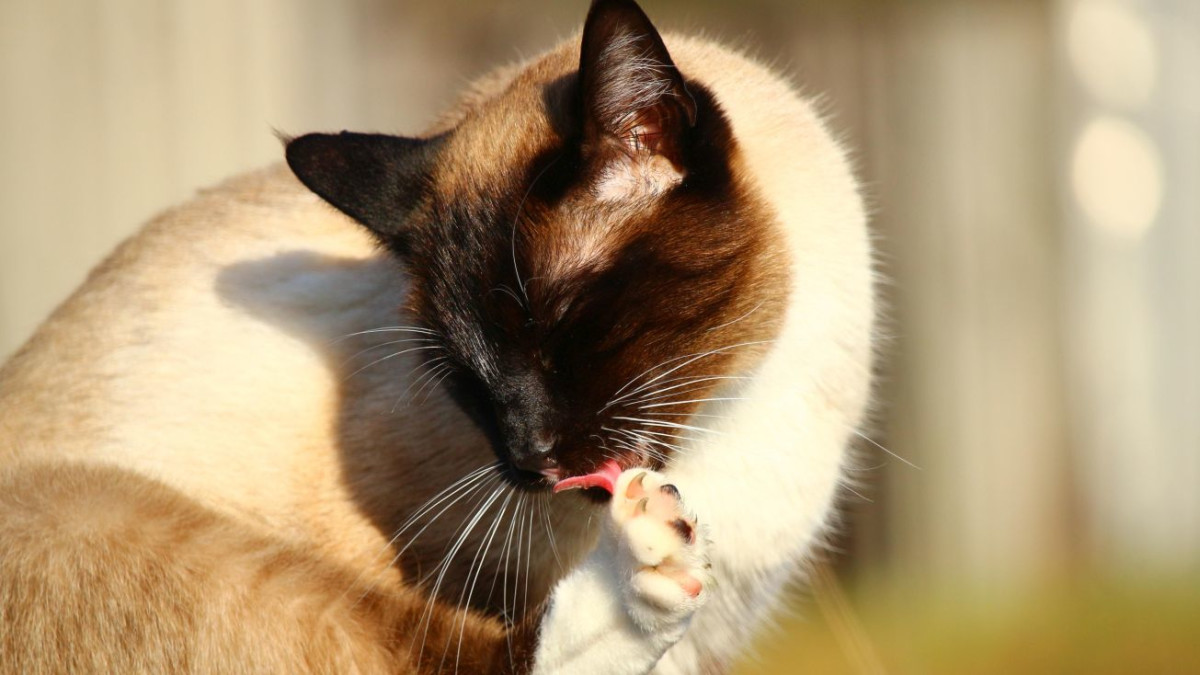
One obvious reason cats groom after eating is to get rid of any food stuck to their fur. Bits of food can cling around their mouth or whiskers, and grooming helps prevent these crumbs from attracting dirt or insects. Have you noticed your cat’s whiskers twitching as they clean? It’s their way of making sure every tiny particle is gone.
Maintaining Scent And Territory
Cats are very conscious of their scent and territory. After eating, grooming helps them mask food odors that might make them vulnerable to predators or rivals. When your cat licks their fur, they spread natural oils that keep their scent consistent. This behavior reassures them and signals ownership of their space.
Comfort And Relaxation
Grooming after a meal isn’t just functional; it’s also soothing. The rhythmic licking releases endorphins, which help your cat feel calm and content. If you observe your cat grooming slowly and deliberately, they’re likely relaxing and winding down after eating. Could this be your cat’s way of enjoying a peaceful moment?
Credit: pethelpful.com
Grooming And Cat Behavior
Cats grooming themselves after eating is a common behavior rooted in their nature. This action serves various purposes beyond cleanliness. Understanding why cats groom helps us better connect with their needs and habits.
Instinctual Habits
Grooming is an instinct for cats. It helps remove food crumbs from their fur. This keeps them clean and free from smells that attract predators. Cats have carried this behavior from their wild ancestors. It also helps them stay comfortable after a meal.
Social Signals
Grooming can send messages to other cats. A clean cat often signals health and strength. Cats in groups groom to show friendliness and build bonds. After eating, grooming can reduce tension and promote peace among cats.
Stress And Anxiety Relief
Grooming calms cats and reduces stress. Eating can make some cats anxious, especially in new places. Grooming releases endorphins, making cats feel safer. This behavior helps them relax after their meal.
Health Benefits Of Grooming
Cats groom themselves after eating for many health reasons. Grooming helps keep their bodies clean and healthy. It supports their skin, controls pests, and helps with body temperature.
Skin And Coat Care
Grooming removes dirt and loose fur from a cat’s coat. It spreads natural oils across their skin. These oils keep the fur soft and shiny. Clean fur also prevents skin problems and infections.
Parasite Control
Self-grooming helps cats remove fleas and ticks. It stops parasites from staying on their bodies. Licking their fur also helps remove eggs and larvae. This reduces the risk of infestations and itching.
Temperature Regulation
Grooming cools cats down by spreading saliva on their fur. The saliva evaporates, which lowers their body heat. It also helps warm them by keeping fur clean and fluffed. This keeps cats comfortable in different weather.

Credit: www.youtube.com
When Grooming Becomes Excessive
Cats often groom themselves after eating to clean their fur and remove food smells. Grooming is normal and healthy. But sometimes, it can become too much. Excessive grooming may cause skin damage or hair loss. It can also signal deeper problems.
Watch your cat’s grooming habits closely. Too much licking or biting can harm their skin. This behavior might mean your cat is stressed or unwell. Understanding the reasons helps you keep your cat safe and happy.
Possible Medical Issues
Excessive grooming can point to medical problems. Skin allergies often cause itching and irritation. Parasites like fleas or mites make cats lick more. Pain from injuries or arthritis might lead to over-grooming. Infections or wounds also cause discomfort and licking.
Check your cat for red spots, bald patches, or sores. These signs need quick attention. Treating medical issues early stops further damage and pain.
Behavioral Problems
Stress and anxiety can trigger over-grooming. Cats may lick to soothe themselves. Changes in home, loud noises, or new pets cause stress. Boredom or lack of play can lead to repetitive grooming. This behavior becomes a way to cope with feelings.
Observe your cat’s environment and routines. Providing toys and quiet spaces reduces stress. Attention and playtime improve their mental health.
When To Consult A Vet
Consult a vet if grooming harms your cat’s skin. Look for raw patches, bleeding, or swelling. Sudden changes in behavior also need vet advice. Your vet can diagnose skin diseases or allergies. They may suggest treatments for infections or parasites.
Early vet visits prevent serious health issues. Professional help supports your cat’s comfort and well-being.
Tips To Support Healthy Grooming
Supporting your cat’s grooming habits goes beyond just letting them clean themselves. Healthy grooming is a sign of overall well-being, and you can play a big role in keeping your feline friend feeling fresh and comfortable. Let’s look at some practical ways you can encourage healthy grooming after your cat eats.
Proper Diet And Hydration
Your cat’s coat and skin reflect their nutrition. Feeding high-quality food rich in omega-3 and omega-6 fatty acids helps keep fur shiny and skin hydrated.
Don’t forget water. Cats often drink less than they need, so make sure fresh water is always available. You might even try a cat water fountain to encourage more drinking.
Have you noticed your cat licking excessively after meals? It might be a sign their diet isn’t meeting all their needs.
Creating A Calm Environment
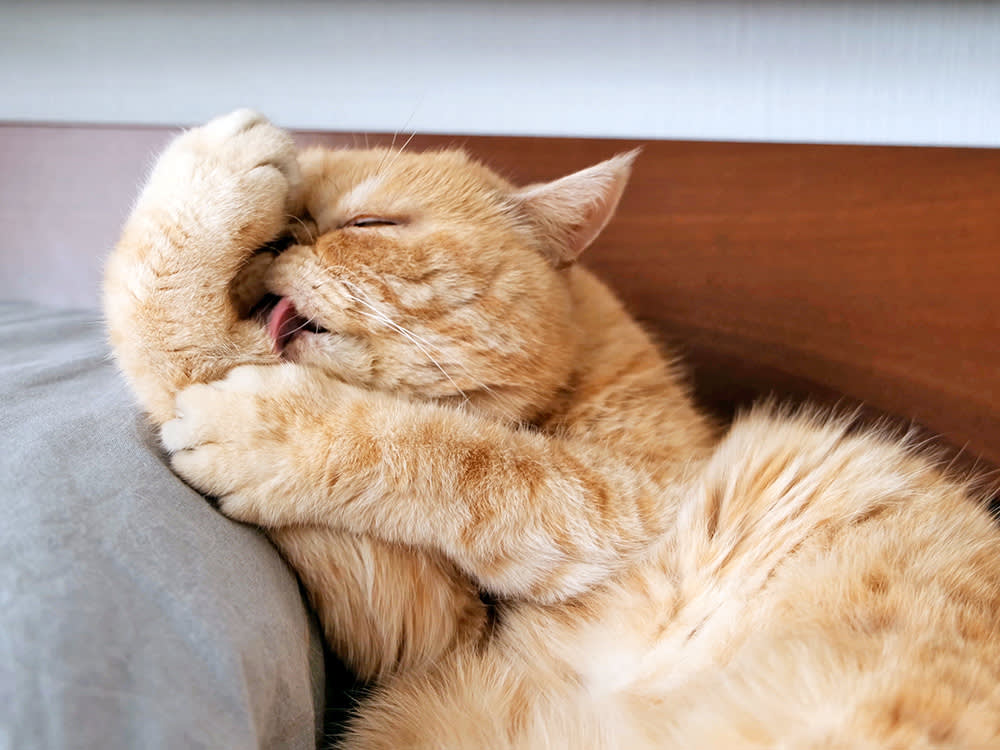
Stress can disrupt grooming routines. After eating, cats often groom to soothe themselves. You can help by providing a quiet, comfortable space for your cat to relax.
Try to minimize loud noises or sudden movements during meal times. A peaceful environment encourages your cat to groom calmly and thoroughly.
Think about your cat’s favorite spots—do they have a cozy corner or soft bed nearby? Making these areas accessible supports their natural behavior.
Regular Vet Checkups
Sometimes, grooming issues hint at deeper health problems like skin infections or dental pain. Regular veterinary visits catch these early before they affect your cat’s grooming habits.
Keep an eye on changes in your cat’s grooming patterns. If they suddenly stop cleaning themselves or over-groom, it’s time to consult your vet.
Have you scheduled your cat’s next checkup? Staying proactive helps maintain their health and comfort.
Credit: www.kinship.com
Frequently Asked Questions
Why Do Cats Groom After Eating Food?
Cats groom after eating to clean food particles from their fur. This behavior keeps them hygienic and reduces scent that might attract predators.
How Does Grooming Help Cats Post-meal?
Grooming removes leftover food and saliva, preventing dirt buildup. It also helps calm cats and aids digestion by reducing stress.
Is Grooming After Eating A Sign Of Cat Health?
Yes, regular grooming post-meal shows good hygiene and comfort. Lack of grooming may indicate illness or stress in cats.
Do All Cats Groom Themselves After Eating?
Most cats groom after meals, but behavior varies by individual. Some cats may groom less due to age or health issues.
Conclusion
Cats groom themselves after eating to stay clean and comfortable. This behavior helps remove food smells and dirt from their fur. Grooming also calms cats and aids digestion. It is a natural habit that keeps them healthy and happy. Watching your cat clean itself shows its care and instincts.
Understanding this can help you appreciate your pet more. Simple actions like grooming say a lot about cats’ nature. They stay neat, safe, and relaxed all at once. A small but important part of their daily routine.
