


Are you fascinated by the pure, snowy beauty of white cats? Imagine bringing home a feline friend whose coat shines as bright as fresh snow.
White cats are not only stunning to look at but also come with unique traits that make them truly special. Whether you’re thinking about adding one to your family or just curious about these elegant creatures, this guide will introduce you to all the popular white cat breeds.
You’ll discover what makes each breed unique, how to care for them, and why white cats have captured the hearts of so many. Ready to meet your perfect white feline companion? Keep reading—you won’t want to miss a single detail.
Characteristics Of White Cats
White cats stand out with their pure, snowy coats. Their color gives them a unique charm and elegance. Beyond looks, these cats have traits that make them special. Understanding these traits helps in caring for them well.
White cats often have striking eye colors and delicate features. Their behavior and health can differ from other cats. Knowing these details supports a happy life for your white feline friend.
Physical Traits
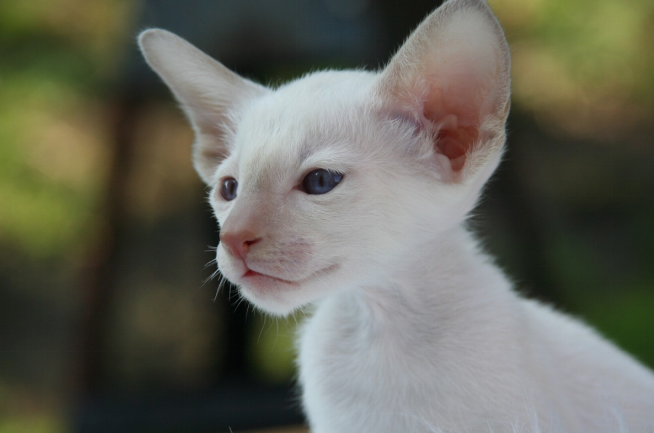
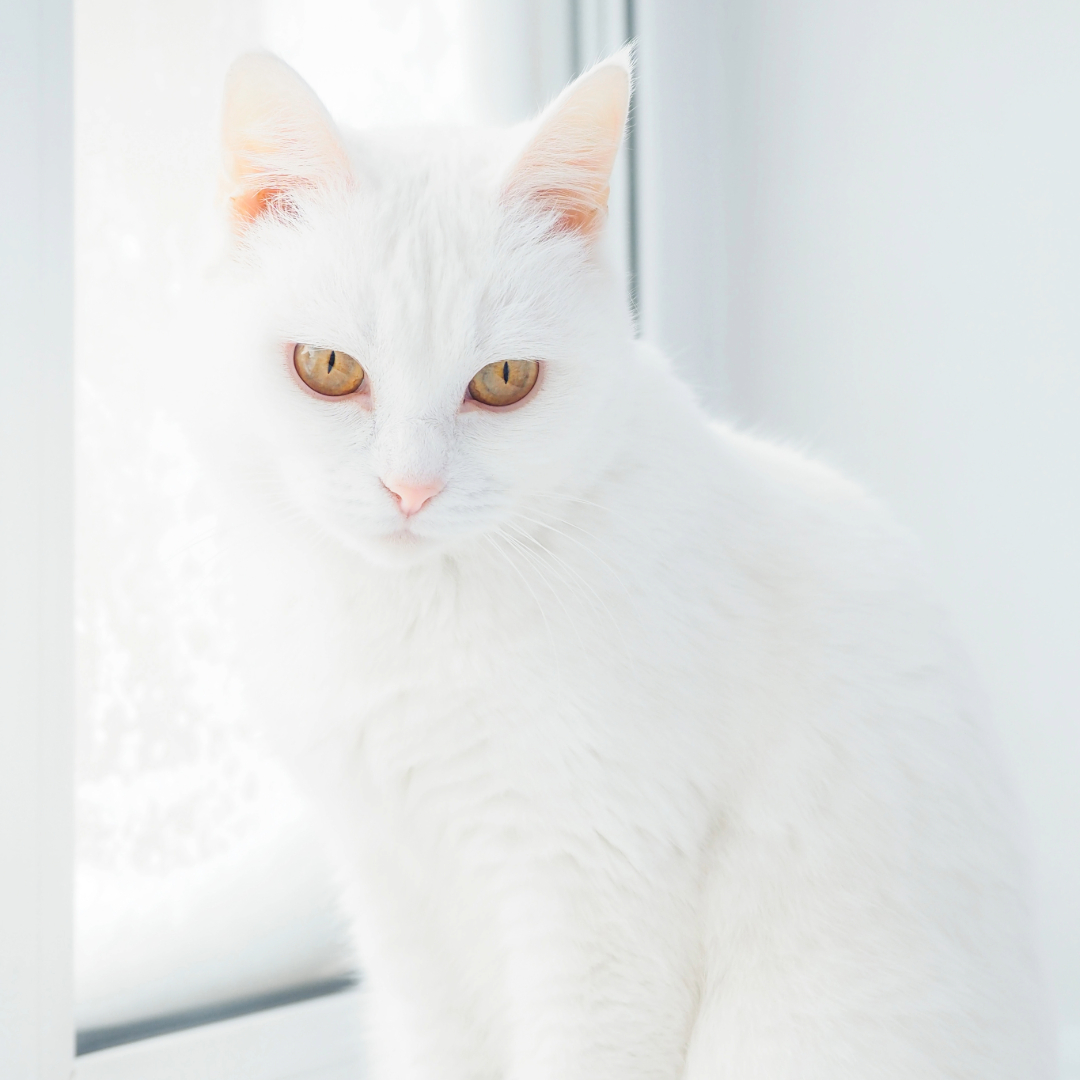
White cats have a coat that is completely white without any markings. Their fur can be short, medium, or long. Some have blue, green, gold, or even odd-colored eyes. Their noses and paw pads usually appear pink or flesh-colored.
- Pure white fur with no spots
- Varied eye colors including striking blue
- Pink or light-colored noses and paw pads
- Different fur lengths based on breed
Behavioral Patterns
White cats tend to be calm and friendly. Many enjoy attention and love to cuddle. They are often playful but can be shy around strangers. These cats may be sensitive to loud noises and changes in environment.
- Generally gentle and affectionate
- Playful but sometimes shy
- Enjoy human company and petting
- Can be sensitive to sounds and new places
Health Considerations
White cats may have special health needs. Some are prone to deafness, especially those with blue eyes. Their light skin can be sensitive to sunlight and may get sunburned. Regular vet checkups help catch any issues early.
- Higher risk of congenital deafness
- Sun sensitivity requiring protection
- Need routine health monitoring
- Proper care ensures long, healthy life
Popular All White Cat Breeds
All white cats have a unique charm. Their pure, snowy coats make them stand out. Several cat breeds are famous for their beautiful white fur. These breeds also have distinct personalities and traits. Here are some popular all white cat breeds to know about.
Turkish Angora
The Turkish Angora is elegant and graceful. Its long, silky white fur shines in the light. This breed is playful and loves attention. Turkish Angoras are smart and very curious. They enjoy being part of family activities.
Persian
Persians are known for their fluffy, thick coats. Their white fur looks soft and plush. They have a calm and gentle nature. Persians prefer quiet and cozy environments. They enjoy lounging and gentle petting.
British Shorthair
The British Shorthair has a dense, plush coat. Their white fur is thick and smooth. They are calm and easygoing cats. British Shorthairs adapt well to indoor life. They are friendly but not overly demanding.
Siberian
Siberian cats have a thick, water-resistant coat. Their white fur helps them blend in snowy surroundings. They are strong and agile hunters. Siberians are affectionate and enjoy family time. They handle cold weather very well.
Khao Manee
The Khao Manee is a rare, elegant breed. Their pure white coat is short and glossy. This breed is known as the “Diamond Eye Cat.” They often have striking blue or odd-colored eyes. Khao Manees are friendly and love human company.
Care Tips For White Cats
White cats need special care to keep their coat bright and healthy. Their light fur can show dirt easily and may require more attention. Protecting their skin from the sun is also important. Proper care helps white cats stay happy and strong.
Grooming Essentials
- Brush white cats daily to remove loose fur and dirt.
- Use a soft brush to avoid irritating their skin.
- Check ears regularly for dirt or wax buildup.
- Trim nails every few weeks to prevent scratches.
- Wipe their eyes gently to remove any discharge.
- Bathing is rarely needed, but use mild shampoo if necessary.
Diet And Nutrition
- Provide high-quality cat food rich in protein.
- Include omega fatty acids to support healthy skin and coat.
- Ensure fresh water is available at all times.
- Avoid overfeeding to maintain a healthy weight.
- Consult a vet for special diet needs or supplements.
Common Health Issues
- White cats are prone to sunburn, especially on ears and nose.
- Some may have hearing problems, particularly if they have blue eyes.
- Watch for skin cancer signs like bumps or sores.
- Regular vet check-ups can catch health issues early.
- Keep an eye on their eyes for redness or irritation.
Credit: wopet.com
Myths And Facts About White Cats
White cats often attract attention not just for their striking appearance but also because of the many myths surrounding them. It’s easy to get caught up in stories about their health or behavior, but separating fact from fiction can help you care better for your feline friend. Let’s take a closer look at some common myths and the truths behind them.
Hearing And Vision Myths
Many people believe that all white cats are deaf or have poor eyesight. This is not entirely true. While some white cats with blue eyes can be prone to congenital deafness, it doesn’t apply to every white cat.
In fact, many white cats hear perfectly well and have no vision problems. If you have a white cat, it’s a good idea to check their hearing and vision early on but don’t assume they will have issues just because of their color.
Superstitions
White cats have been surrounded by superstitions in various cultures. Some see them as lucky charms, while others mistakenly consider them bad omens. These beliefs often come from old stories rather than any real evidence.
Have you ever noticed how your white cat’s behavior doesn’t match these stories? Your pet’s personality and luck are shaped by their environment and your care, not by old myths.
Scientific Insights
Science explains much of what goes on with white cats’ genetics and health. The white coat is usually caused by a gene that masks other colors. This gene can sometimes be linked to deafness when paired with blue eyes, but it doesn’t affect all white cats.
Understanding these facts helps you make better decisions, like regular vet check-ups and monitoring your cat’s responses to sound and light. Have you ever noticed how your white cat reacts to noises differently? Observing these signs can be key to their well-being.
Choosing The Right White Cat
Choosing the right white cat involves more than just their stunning color. Each cat has unique needs and traits. Selecting a cat that suits your home and personality ensures a happy life for both of you.
Lifestyle Compatibility
Consider your daily routine before choosing a white cat. Some breeds need lots of playtime and attention. Others are more independent and quiet. Think about your work hours and activity level.
White cats with long fur may need regular grooming. This suits owners with time to care for them. Short-haired white cats require less maintenance. A calm home benefits shy or sensitive cats.
Breed Temperaments
Different white cat breeds have distinct personalities. Some are playful and social, while others are calm and reserved. Knowing breed traits helps match your energy and mood.
- Persians are gentle and prefer quiet environments.
- Siamese cats are vocal and love attention.
- Turkish Angoras are active and curious explorers.
- British Shorthairs are calm and affectionate.
Choose a breed that fits your personality and lifestyle. This makes bonding easier and life smoother.
Adoption Vs. Breeders
Adopting a white cat gives a home to a needy animal. Shelters sometimes have white cats of mixed breeds. These cats can be healthy and loving companions.
Breeders offer specific white breeds with known traits. They provide pedigree papers and health guarantees. This suits people wanting a purebred cat.
Both options have benefits. Adoption saves lives. Buying from breeders ensures breed traits. Decide based on your priorities and situation.

Credit: goofytails.com
Credit: catfancast.com
Frequently Asked Questions
What Are The Most Popular All White Cat Breeds?
Popular all white cat breeds include the Turkish Angora, Persian, and British Shorthair. These breeds are loved for their striking white coats and distinct personalities.
Do All White Cats Have Blue Eyes?
Not all white cats have blue eyes. Some may have green, amber, or odd-colored eyes. Eye color varies by breed and genetics.
Are All White Cats Prone To Deafness?
Many all white cats are prone to congenital deafness. This risk is especially high in cats with blue eyes due to genetic factors.
How Do I Care For An All White Cat’s Coat?
Regular grooming is essential for all white cats to keep their coats clean. Use gentle brushes and bathe them occasionally to maintain brightness.
Conclusion
White cat breeds offer beauty and charm in every shade. Each breed has unique traits and personality. Choosing the right white cat depends on your lifestyle. These cats can be gentle, playful, or independent. Their striking color makes them easy to spot.
Caring for white cats may need extra attention to grooming. They bring joy and calm to many homes. A white cat can be a perfect pet companion. Consider their needs and enjoy their special company. White cats truly brighten any living space.
