

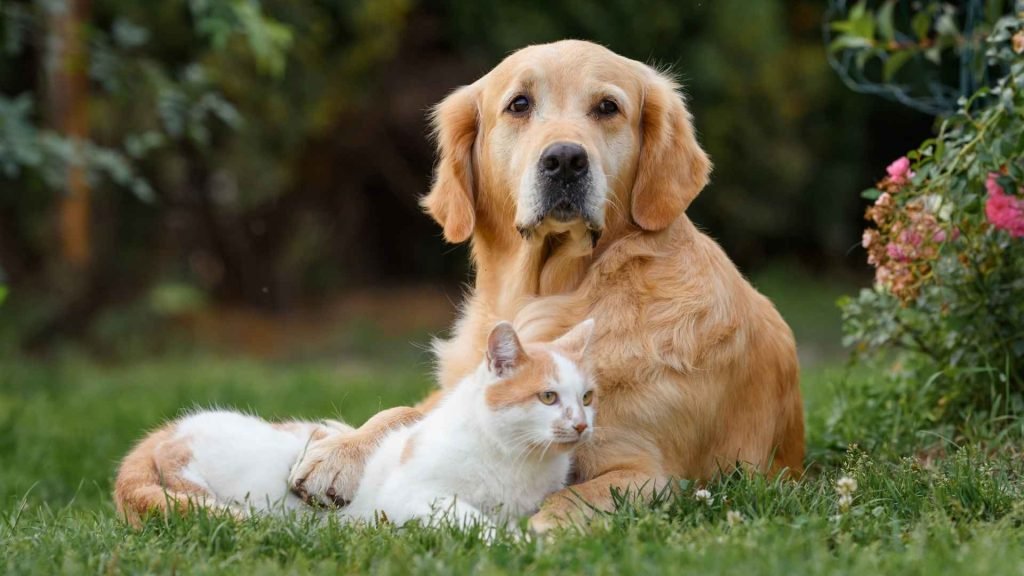
Are you curious about how dog breeds compare to cats? Whether you’re a dog lover thinking about adding a feline friend or a cat person wondering about dogs, understanding the differences and similarities can help you make the best choice for your home.
You’ll discover surprising facts about popular dog breeds and how they relate to cats in personality, care, and behavior. Keep reading to find out which pet fits your lifestyle perfectly—and maybe uncover something new about both animals along the way.
Unlikely Bond Between Dogs And Cats
The bond between dogs and cats often surprises many pet owners. These two animals are famous for being rivals. Yet, in many homes, they live together peacefully. Some even form strong friendships. This unlikely bond shows how animals can overcome instincts and fears.
Understanding this special relationship helps us appreciate pets more. It also teaches us about kindness and acceptance.
Origins Of Dog-cat Friendships
Dog and cat friendships often start in early life. Animals that grow up together tend to trust each other. Their shared environment creates comfort and safety. Play and shared space help build positive memories.
Some dog breeds have gentle natures that attract cats. Cats also show curiosity and patience. These traits encourage friendly interactions. Over time, they learn to communicate and respect boundaries.
Common Misconceptions
Many believe dogs and cats hate each other naturally. This idea comes from cartoons and stories. Reality shows a different picture. Many dogs and cats enjoy each other’s company.
- Not all dogs chase cats. Some ignore or protect them.
- Not all cats are scared of dogs. Many play and cuddle.
- Hostility is often due to fear or poor introduction.
With calm introductions, dogs and cats usually accept each other. Their friendship is possible with patience and care.
Dog Breeds That Get Along With Cats
Many dog breeds can live peacefully with cats. Choosing the right dog helps create a happy home for both pets. Some dogs naturally accept cats and enjoy their company. These breeds show gentle behavior and patience around feline friends. Understanding their traits helps you pick a suitable companion for your cat.
Gentle Giants
Large dogs often surprise people with their calm nature. These gentle giants rarely harm smaller animals like cats. Their size does not mean they are aggressive. Instead, they tend to be protective and kind.
- Newfoundlands
- Great Danes
- Saint Bernards
These breeds enjoy quiet time and avoid chasing cats. They often become loyal friends to feline housemates.
Playful Companions
Some dogs love to play and share energy with cats. Their friendly attitude makes them good partners for active cats. These breeds are curious and enjoy interaction without being rough.
- Beagles
- Cavalier King Charles Spaniels
- Pugs
They enjoy games and can keep up with playful cats. Their social nature helps build trust quickly.
Calm And Patient Breeds
Calm dogs make great friends for shy or older cats. They show patience and rarely cause stress. These breeds often wait for cats to approach them.
- Bulldogs
- Basset Hounds
- Shih Tzus
They prefer resting quietly and respect cat boundaries. This gentle approach helps cats feel safe and relaxed.
How Dogs And Cats Communicate
Understanding how dogs and cats communicate can completely change the way you interpret their interactions. Both species have unique ways of expressing feelings, intentions, and reactions. Recognizing these signals helps you create a peaceful environment where your pets feel safe and understood.
Body Language Signals
Dogs and cats use their bodies to send clear messages. A wagging tail on a dog usually means happiness, but a cat’s twitching tail might signal irritation. Watching their ears, eyes, and posture can give you clues about their mood.
For example, when my dog gently lowers his body and avoids direct eye contact around my cat, it shows respect and calmness. Meanwhile, my cat’s slow blinking is a sign of trust, not laziness as I once thought. Have you noticed how a stiff tail or raised hackles can quickly tell you if your pet feels threatened?
Vocalizations And Sounds
Both animals use vocal sounds to communicate, but these sounds mean different things. Dogs bark to alert or invite play, while cats meow mostly to get your attention. Growls and hisses are clear warnings, but the context matters a lot.
Once, my dog’s excited bark scared my cat, who responded with a sharp hiss. Understanding these sounds lets you intervene before conflicts arise. What sounds do your pets make when they want something or feel uncomfortable?

Credit: tryfurgo.com
Tips To Foster Dog-cat Friendships
Building a strong bond between dogs and cats takes patience and care. These tips help create harmony at home. They guide you through introductions, safety, and rewards. Follow these steps to encourage friendship and reduce stress for both pets.
Proper Introductions
Start with slow, controlled meetings. Keep dogs on a leash and allow cats to explore freely. Let pets observe each other from a distance. Watch their body language closely. Avoid forcing interaction. Repeat short sessions daily. Gradually decrease distance as comfort grows.
Creating A Safe Space
Provide separate resting areas for each pet. Use baby gates or pet barriers to create zones. Ensure cats have high perches or escape spots. Dogs need a quiet, cozy corner. This setup reduces tension and offers peace. Pets feel secure with their own space.
Positive Reinforcement Techniques
Reward calm behavior with treats and praise. Use a gentle voice to encourage pets. Avoid punishment for fearful or aggressive actions. Reinforce friendly gestures like sniffing or sitting close. Practice patience and celebrate small progress. Positive rewards build trust and good habits.
Benefits Of Dog-cat Friendships
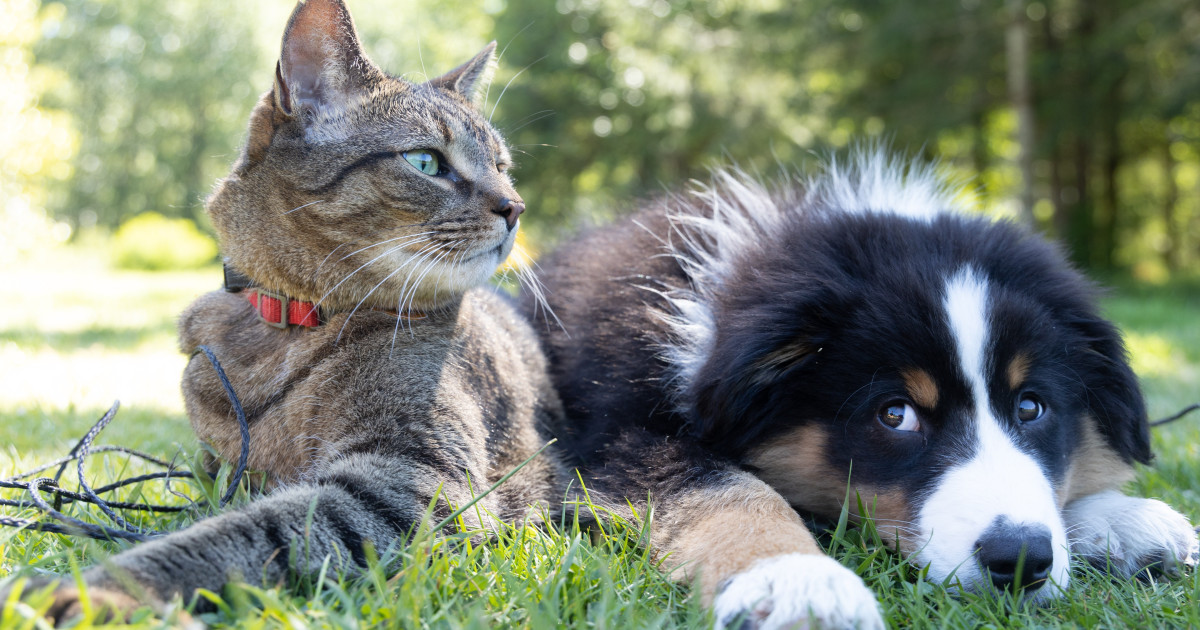
Dog-cat friendships offer many benefits for both pets and their owners. These bonds create a happy home and improve the pets’ lives. Understanding these advantages helps owners encourage positive relationships between dogs and cats.
Emotional Support
Dogs and cats provide comfort to each other. Their companionship reduces feelings of loneliness. Pets can sense when their friend is upset and offer calm presence. This support helps both animals feel safe and loved.
Improved Social Skills
Living together teaches dogs and cats how to communicate better. They learn to read body language and respect boundaries. These skills make them more adaptable around other pets and people. Social pets tend to be happier and less aggressive.
Reduced Anxiety
Having a furry friend nearby lowers stress levels in both dogs and cats. They feel less nervous during loud noises or changes at home. This calm presence helps prevent destructive behavior caused by anxiety. Peaceful pets create a peaceful household.
Credit: pethelpful.com
Challenges In Dog-cat Relationships
Bringing dogs and cats together can be rewarding but tricky. These two animals have very different ways of living and communicating. Understanding their challenges helps create a peaceful home. Problems often arise from their natural instincts and behaviors.
Territorial Behavior
Dogs and cats both protect their spaces. Cats mark areas with scent glands. Dogs use barking and body language. This can cause tension when one feels invaded. Territory fights may include growling, hissing, or chasing. Each pet needs safe zones to retreat and relax.
Different Play Styles
Dogs often play loudly and physically. They enjoy running and wrestling. Cats prefer quiet, quick, and gentle play. Cats like stalking and pouncing. These different styles can confuse or scare each other. Careful supervision is important during playtime to prevent fights.
Managing Jealousy
Pets crave attention from their owners. Jealousy can cause aggression or withdrawal. Dogs may bark or push the cat away. Cats might hiss or hide. Owners should give equal love and treats. Separate feeding and resting spots reduce jealousy too.

Credit: worldanimalfoundation.org
Frequently Asked Questions
What Dog Breeds Get Along Best With Cats?
Breeds like Golden Retrievers, Beagles, and Basset Hounds usually get along well with cats. They tend to have gentle and friendly temperaments that help create a peaceful household.
Can Small Dog Breeds Live Peacefully With Cats?
Yes, small dog breeds such as Cavalier King Charles Spaniels and Pugs often live peacefully with cats. Their calm nature makes them good companions for feline friends.
How To Introduce Dogs To Cats Safely?
Introduce dogs to cats slowly in a controlled environment. Use leashes, supervise closely, and reward calm behavior to help both animals adjust and build trust.
Are There Dog Breeds That Dislike Cats?
Some breeds, like terriers and hounds, may have a strong prey drive and dislike cats. Proper training and socialization can help reduce conflicts but caution is needed.
Conclusion
Dogs and cats have different traits that fit different homes. Some dog breeds enjoy being around cats more than others. Choosing the right dog breed can help pets live peacefully together. Patience and care make all the difference in their friendship.
Remember, every pet is unique and needs love and attention. A happy home is possible with the right match and kindness. Keep learning about your pets to help them get along well. Peaceful pets make life better for everyone in the family.
