

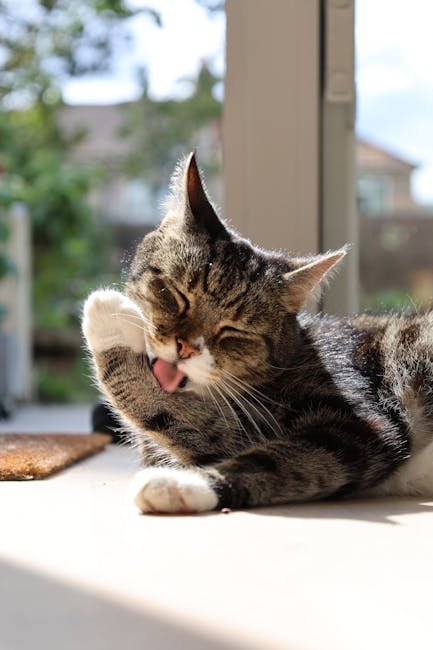
Have you noticed your cat spending more time licking and grooming than usual? You might be wondering, “Why is my cat grooming so much?”
It’s natural to worry when your furry friend suddenly changes their habits. Excessive grooming could mean more than just keeping clean—it might signal stress, allergies, or health problems. Understanding why your cat is grooming excessively can help you keep them happy and healthy.
Keep reading to discover the signs to watch for and what you can do to support your beloved pet.

Credit: www.latimes.com
Normal Grooming Habits
Cats spend a lot of time grooming themselves. This behavior is a natural part of their daily routine. Grooming helps cats stay clean, healthy, and comfortable. It also plays a role in their social life and stress relief. Understanding normal grooming habits can help you know when your cat is healthy or if something might be wrong.
Daily Grooming Routine
Cats lick their fur several times a day. This removes dirt and loose hair. Their tongue has tiny hooks that catch loose fur and dirt. Grooming also spreads natural oils across their coat. This keeps the fur soft and shiny.
Cats often clean their face, ears, and paws carefully. They may also nibble or scratch hard-to-reach spots. Grooming is a calming activity that helps cats feel safe and relaxed.
Benefits Of Grooming
- Keeps fur clean and reduces shedding
- Prevents skin infections and irritations
- Regulates body temperature by removing excess fur
- Reduces stress and promotes relaxation
- Strengthens social bonds when cats groom each other
Regular grooming supports your cat’s overall health. It is a sign of a happy and content pet.
Health Issues Behind Excessive Grooming
Excessive grooming in cats often signals underlying health problems. Cats lick or scratch more than usual to soothe discomfort. This behavior can indicate skin troubles, parasites, or infections. Understanding these issues helps in caring for your cat’s wellbeing.
Skin Allergies And Irritations
Skin allergies cause redness, itching, and swelling. Common triggers include pollen, food, or chemicals. Cats with allergies lick to ease the itch. Constant licking can lead to hair loss and sores. Identifying allergens is key to stopping the cycle.
Parasites And Fleas
Parasites like fleas cause intense irritation. Flea bites make cats scratch and groom non-stop. Flea saliva triggers allergic reactions in some cats. These reactions increase grooming to reduce discomfort. Treating parasites quickly prevents worsening symptoms.
Infections And Wounds
Infections cause pain and itchiness on the skin. Wounds or abscesses make cats lick the area often. Grooming cleans the wounds but can delay healing. Persistent licking worsens infections and causes more damage. Veterinary care is important to manage infections.
Behavioral Causes
Your cat’s excessive grooming might be more than just a hygiene habit. Behavioral causes often drive this behavior, reflecting deeper emotional or mental states. Understanding these reasons can help you support your feline friend better and prevent potential health issues.
Stress And Anxiety
Have you noticed your cat licking or biting its fur more during changes at home? Stress and anxiety can trigger over-grooming as a coping mechanism. Cats facing new environments, loud noises, or the absence of a family member may try to calm themselves through grooming.
Try observing when your cat grooms the most. Is it after a visit to the vet or when guests arrive? Creating a safe and quiet space can reduce stress and help your cat feel secure again.
Boredom And Lack Of Stimulation
Could your cat be grooming excessively because it’s bored? Cats need mental and physical activity to stay healthy. Without enough playtime or interaction, they might turn to grooming as a way to fill time.
Adding toys, interactive feeders, or even short play sessions can redirect your cat’s energy. Ask yourself—are you providing enough stimulation to keep your cat engaged throughout the day?
Compulsive Grooming Disorder
Sometimes, grooming becomes a repetitive, uncontrollable habit known as compulsive grooming disorder. This condition is similar to OCD in humans and can cause hair loss, skin damage, and discomfort.
If your cat’s grooming seems relentless and damaging, professional help might be necessary. A vet can suggest treatments or behavior therapies to break this cycle and improve your cat’s quality of life.

Credit: www.latimes.com
Environmental Factors
Environmental factors often influence how much your cat grooms. Changes around your cat can cause stress or discomfort. This stress may lead to increased grooming as a way to cope. Understanding these factors helps you support your cat’s well-being and comfort.
Changes In Surroundings
Cats are sensitive to new environments. Moving to a new home or rearranging furniture can upset them. They may groom more to feel calm and secure. Even small changes can trigger this behavior. Keep your cat’s space familiar to reduce stress.
Presence Of Other Pets
New pets in the house can affect your cat’s grooming habits. Your cat might groom more to relieve anxiety or mark territory. This behavior helps them feel safe around new animals. Watch for signs of stress when introducing pets. Give your cat time to adjust at its own pace.
Weather And Seasonal Changes
Temperature and weather impact your cat’s grooming. Hot weather can cause your cat to lick more to cool down. Cold weather may lead to more grooming to keep fur clean and fluffy. Seasonal changes can also affect shedding patterns. Notice grooming shifts with the seasons to understand your cat better.
When To See A Veterinarian
Not all cat grooming is normal. Cats clean themselves often. But too much grooming can mean a problem. Knowing when to see a veterinarian is important. This helps keep your cat healthy and happy.
Signs Of Excessive Grooming
- Bald spots or thinning fur
- Red or irritated skin
- Scabs or sores on the body
- Constant licking or biting in one area
- Changes in behavior or mood
Diagnostic Procedures
The vet will examine your cat’s skin and fur. They may check for fleas, mites, or infections. Sometimes, allergy tests are needed. Blood tests can find underlying health issues. The vet might also ask about your cat’s habits.
Treatment Options
- Medications for infections or parasites
- Special shampoos to soothe skin
- Allergy management plans
- Behavioral therapy for stress-related grooming
- Changes in diet or environment
Preventing Overgrooming
Overgrooming can be a sign that your cat needs some help to feel comfortable and happy. Preventing this behavior means creating a space where your cat feels safe and cared for. You can make simple changes that have a big impact on your cat’s well-being.
Improving Environment And Enrichment
Your cat’s environment plays a huge role in how much they groom themselves. Boredom or lack of stimulation often leads to overgrooming. Adding toys, scratching posts, and puzzle feeders can keep your cat mentally and physically active.
Think about your cat’s favorite activities. Do they like to climb or hide? Adding cat trees or cozy hideouts can make your home more inviting. When your cat is busy exploring or playing, they’re less likely to focus on excessive grooming.
Regular Health Checks
Health problems like allergies, skin infections, or parasites can cause your cat to groom too much. Regular visits to the vet help catch these issues early. Your vet can recommend treatments that stop the discomfort causing your cat to overgroom.
Have you noticed any bald patches or redness on your cat’s skin? Don’t wait to get these checked. Sometimes what seems like a small skin irritation can be a sign of something more serious.
Stress Reduction Techniques
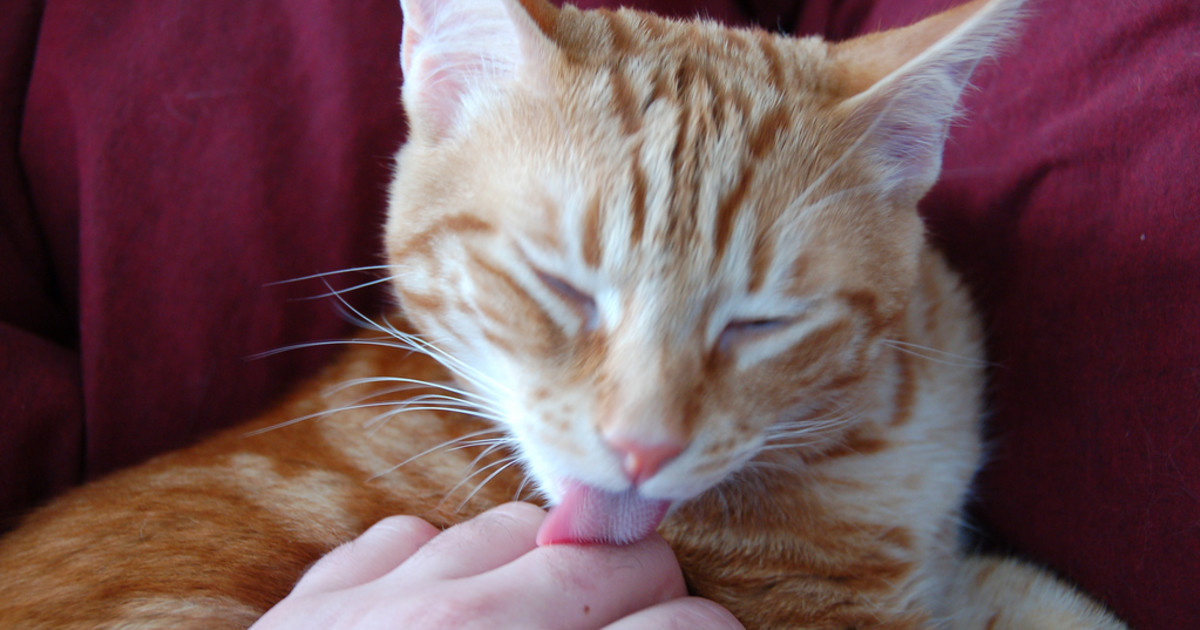
Stress is a hidden trigger for overgrooming that many cat owners overlook. Changes in routine, new pets, or loud noises can make your cat anxious. You can help by establishing a calm routine and providing quiet spaces where your cat can retreat.
Try calming aids like pheromone diffusers or gentle music designed for pets. These can create a soothing atmosphere. How does your cat react to new situations? Watching their behavior closely can give you clues about what might be stressing them out.
Credit: pethelpful.com
Frequently Asked Questions
Why Is My Cat Grooming Excessively?
Excessive grooming can indicate stress, allergies, or skin irritation. It might also signal parasites or infections. Monitor your cat’s behavior and consult a vet if grooming seems obsessive or causes hair loss.
Can Allergies Cause My Cat To Groom More?
Yes, allergies often trigger increased grooming. Cats try to relieve itching caused by food, pollen, or flea bites. Identifying and treating the allergy can reduce excessive grooming and improve your cat’s comfort.
Is Stress Making My Cat Groom Too Much?
Stress and anxiety can lead cats to groom excessively as a coping mechanism. Changes in environment or routine often cause this behavior. Providing a calm space and attention can help reduce stress-related grooming.
When Should I Worry About My Cat’s Grooming Habits?
Worry if grooming causes bald spots, sores, or bleeding. Excessive licking may indicate pain or illness. If grooming disrupts your cat’s daily life, seek veterinary advice promptly to rule out medical issues.
Conclusion
Cats groom to stay clean and feel comfortable. Excessive grooming may mean stress or health issues. Watch your cat’s behavior closely every day. Provide a calm space and regular vet visits. Small changes can help your cat feel better. Understanding why they groom helps you care well.
Keep your cat happy, healthy, and loved. Simple care makes a big difference in their life. Trust your instincts and seek help if needed. Your cat relies on you for comfort and health.
