

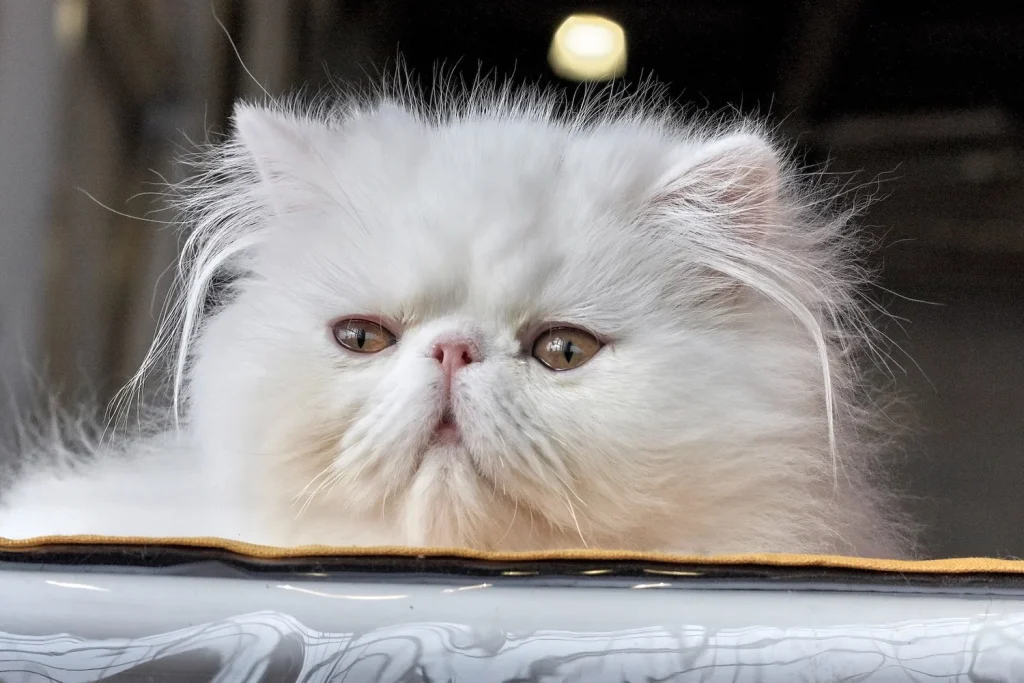
Are you curious about Persian cat breeds and what makes them so special? If you love cats or are thinking about bringing one into your home, understanding these elegant, fluffy companions can help you choose the perfect pet.
Persian cats are known for their stunning looks and calm personalities, but there’s much more to discover about their different types and unique traits. Keep reading to learn everything you need to know about Persian cat breeds and find out which one matches your lifestyle and personality best.
Your ideal furry friend might be just a few paragraphs away!

Credit: www.outdoorbengal.com
History Of Persian Cats
Persian cats are one of the most beloved cat breeds worldwide. Their history is rich and fascinating. Understanding their past helps us appreciate their beauty and charm. The story of Persian cats stretches across many lands and centuries.
Origins And Early Breeding
Persian cats first appeared in Persia, now Iran, many centuries ago. Traders brought them to Europe in the 1600s. These cats had long, thick fur and flat faces. Early breeders in Europe admired these traits. They started breeding Persians to keep their unique look. The cats quickly became popular among nobles and royalty.
Evolution Through The Centuries
Over time, Persian cats changed in appearance. Breeders focused on developing a round face and shorter nose. This gave the breed its distinct flat-faced look today. Their fur became even longer and fluffier. Many color variations appeared, adding to their charm. Persian cats became symbols of luxury and elegance. Today, they remain one of the top pet choices globally.
Distinctive Physical Traits
Persian cats are instantly recognizable because of their unique physical traits. These traits are more than just aesthetics—they affect how you care for your cat every day. Understanding these features helps you appreciate their beauty and meet their specific needs.
Coat Types And Colors
Persians are famous for their long, flowing coats that feel soft to the touch. Their fur requires daily grooming to prevent mats and tangles, which can be challenging but rewarding once you see how shiny and healthy their coat becomes.
The colors of Persian cats are incredibly diverse. You might spot a solid white, black, or blue cat, or one with patterns like calico, tabby, or Himalayan color points. This variety means you can find a Persian that matches your style or personality perfectly.
- Long, thick fur that sheds regularly
- Wide range of colors and patterns
- Requires frequent grooming to maintain coat health
Facial Features And Body Structure
One of the most striking features of Persian cats is their flat, round faces with large eyes. This “brachycephalic” face shape can sometimes cause breathing issues, so knowing what to watch for is important if you own one.
Persians have a sturdy, compact body with short legs and a low profile. Their gentle posture reflects their calm and affectionate nature, but their build can make them prone to joint problems if not given proper care.
| Feature | Description |
|---|---|
| Face | Flat, round with big eyes |
| Body | Compact and sturdy with short legs |
| Health Consideration | Watch for breathing and joint issues |
Have you noticed how these traits influence your cat’s behavior or health? Paying attention to these details will improve your experience as a Persian cat owner and help your feline friend live a happier life.
Popular Persian Cat Varieties
Persian cats are among the most beloved cat breeds worldwide. Their luxurious fur and calm nature attract many cat lovers. Various Persian cat varieties offer unique looks and personalities. Each type has distinct features that appeal to different pet owners.
Understanding popular Persian cat varieties helps in choosing the perfect companion. These cats vary in coat color, face shape, and size. Below are some of the well-known Persian types cherished by enthusiasts.
Traditional Persian
The Traditional Persian has a classic look with a broad face and large eyes. Its nose is less flat than modern Persians, making breathing easier. The coat is thick, soft, and comes in many colors. This variety is known for a sweet and gentle personality.
Himalayan Persian
The Himalayan Persian combines Persian traits with those of the Siamese. It has a long, fluffy coat and striking blue eyes. Its face is flat with a short nose. The color points on ears, face, paws, and tail stand out beautifully. This variety is quiet and loving.
Chinchilla Persian
Chinchilla Persians have a shimmering silver coat with black tipping. Their fur looks like soft, sparkling jewels. The face is round with large green or blue-green eyes. This variety is playful and enjoys human company a lot.
Teacup Persian
Teacup Persians are tiny versions of the classic Persian cats. They weigh less and stay small even when grown. Their features are similar but more delicate. These cats need gentle care and lots of attention. They make perfect lap pets due to their size.
Personality And Temperament
Persian cats are known for their calm and gentle nature. Their personality makes them one of the most loved cat breeds worldwide. They enjoy quiet environments and prefer peaceful interactions. These cats often show affection by staying close to their owners and seeking gentle petting. Patience is a key trait in Persian cats. They are not overly active but enjoy short play sessions. Understanding their temperament helps create a happy home for them.
Behavioral Characteristics
- Calm and relaxed most of the time
- Enjoy quiet and cozy spaces
- Prefer gentle handling and soft voices
- Often form strong bonds with their owners
- Not very demanding or noisy
- Playful but in short bursts
Compatibility With Families
Persian cats fit well in families that value calm and quiet pets. They do well with adults and older children who understand their gentle nature. These cats may not enjoy rough play or loud environments. They get along with other pets if introduced slowly. Persian cats need a loving and patient family to thrive. They love to be part of a peaceful home where they feel safe and cared for.
Care And Grooming Needs
Persian cats are known for their luxurious coats and sweet personalities, but their beauty requires dedication to care and grooming. Their long fur can easily mat and tangle, making regular maintenance essential. Understanding their specific needs helps keep your Persian healthy and comfortable while showcasing their elegant appearance.
Daily Grooming Tips
Daily brushing is a must to prevent mats and tangles in your Persian’s thick coat. Use a wide-toothed comb to gently detangle and a soft-bristle brush to smooth the fur. Pay close attention to areas behind the ears and under the legs, where knots form quickly.
Bathing your Persian every few weeks helps reduce oil buildup and keeps their coat shiny. Use a cat-safe shampoo and rinse thoroughly to avoid irritation. Don’t forget to dry them gently with a towel or low-heat dryer to prevent chills and fur damage.
Regular eye cleaning is also important since Persians often have watery eyes. Use a damp cloth or pet-safe wipes to gently clean around their eyes daily. This prevents staining and reduces the risk of infections.
Health Considerations
Persians are prone to certain health issues that affect their grooming needs. Respiratory problems due to their flat faces can make them sensitive to dust and allergens, so keeping their environment clean is key. You might need to use a humidifier if dry air irritates their breathing.
Skin problems like fungal infections or dermatitis can occur if mats trap moisture close to the skin. Check your cat’s skin regularly for redness or sores, especially in hidden areas. Early detection helps you avoid painful conditions and costly vet visits.
Dental health is another factor tied to overall grooming. Persian cats may develop dental disease more easily, so brushing their teeth or providing dental treats is beneficial. Have your vet check their teeth during routine visits to catch any issues early.
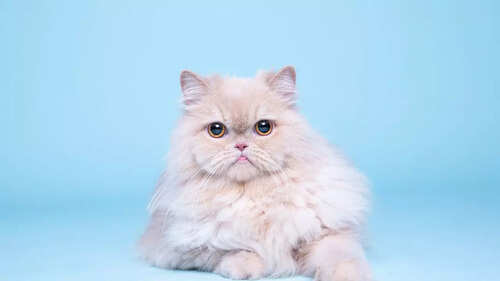
Credit: timesofindia.indiatimes.com
Choosing The Right Persian Cat
Choosing the right Persian cat is a special journey. Persian cats have unique personalities and care needs. Picking a healthy and well-socialized cat makes a big difference. Taking time to understand your options helps you find the perfect match. This guide explains key points to consider before bringing a Persian cat home.
Selecting A Reputable Breeder
A good breeder focuses on health and temperament. They provide clean and safe environments for their cats. Ask about the cat’s parents and health history. Visit the breeder to see how cats live and play. Responsible breeders offer support and answer questions openly. Avoid breeders who cannot show health records or refuse visits. A trustworthy breeder cares about the cat’s future family and well-being.
Adoption Vs. Purchase
Adopting a Persian cat gives a homeless pet a chance. Shelters and rescues often have Persians needing loving homes. Adoption fees are usually lower and include initial vet care. Buying from a breeder means choosing specific traits and lineage. It offers more predictability in size, coat, and personality. Both adoption and purchase have rewards. Think about what fits your lifestyle and values best.
Common Health Issues
Persian cats are known for their beauty and calm nature. Sadly, they also face some common health issues. These problems often come from their unique body shape and genetics. Understanding these health concerns helps owners care better for their pets. Early detection can improve their quality of life significantly.
Genetic Conditions
Persian cats often suffer from inherited health problems. One common issue is polycystic kidney disease (PKD). This disease causes cysts to grow in the kidneys, leading to kidney failure over time. Another concern is hypertrophic cardiomyopathy (HCM), a heart condition that thickens the heart walls. Brachycephalic airway syndrome affects their breathing due to their flat faces. These conditions need regular monitoring and veterinary care.
Preventive Measures
Preventing health problems starts with choosing a responsible breeder. They test for genetic diseases before breeding. Routine vet check-ups help catch issues early. Feeding a balanced diet supports overall health. Regular grooming prevents skin infections and matting. Watch for signs like difficulty breathing or unusual behavior. Timely action can keep your Persian cat healthy and happy.
Living With A Persian Cat
Living with a Persian cat means embracing a unique blend of beauty and calmness. These cats thrive in peaceful settings where they feel safe and loved. Understanding their needs helps you build a strong bond and ensures they stay happy and healthy.
Creating A Comfortable Environment
Your Persian cat appreciates a quiet, cozy space away from loud noises and heavy foot traffic. Soft bedding placed in a warm corner can quickly become their favorite retreat.
Regular grooming sessions are essential, so set up a grooming station with brushes and combs handy. This not only keeps their luxurious coat tangle-free but also strengthens your connection.
Think about adding some gentle toys and scratching posts. These keep your cat entertained without overwhelming their calm nature.
Feeding And Nutrition
Feeding your Persian cat a balanced diet is key to maintaining their health and coat quality. Choose high-quality cat food rich in protein and omega fatty acids.
Persians can be prone to obesity, so portion control matters. Monitor their weight and adjust food amounts as needed to keep them fit.
Fresh water should always be available. Some owners find their cats prefer water fountains, which encourage better hydration.
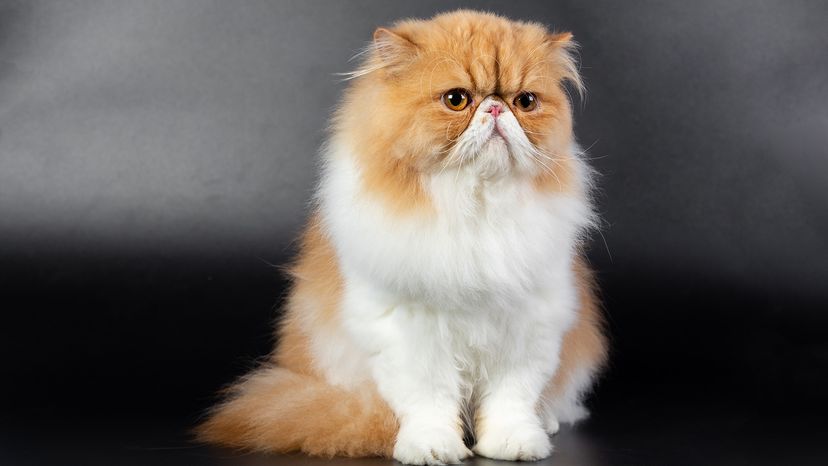
Credit: animals.howstuffworks.com
Frequently Asked Questions
What Are The Main Types Of Persian Cat Breeds?
Persian cats have several types, including Traditional, Himalayan, and Exotic Shorthair. Each type varies in coat length, color, and facial features. Traditional Persians have long, flowing coats. Himalayans have color-point patterns, while Exotic Shorthairs have shorter fur but similar looks.
How Do Persian Cats Differ From Other Breeds?
Persian cats are known for their long, luxurious coats and flat faces. They have a calm, gentle temperament. Unlike many breeds, Persians require regular grooming due to their thick fur. Their quiet nature makes them ideal indoor pets.
What Is The Average Lifespan Of Persian Cats?
Persian cats typically live between 12 and 17 years. Proper care, diet, and regular vet visits can extend their lifespan. Genetics and environment also play important roles in their overall health and longevity.
Are Persian Cats Suitable For Families With Children?
Yes, Persian cats are gentle and patient, making them good family pets. They enjoy calm environments and are less active than other breeds. However, supervision is needed to protect their delicate features and prevent stress.
Conclusion
Persian cats bring charm and calm to any home. Their soft fur and gentle nature make them great pets. Each breed has unique looks and traits to explore. Caring for them needs patience and love. These cats enjoy quiet spaces and gentle play.
Choosing a Persian means adding beauty and peace to life. They fit well with families and quiet people. A Persian cat can brighten many days with ease. Consider their needs before bringing one home. Their quiet companionship offers comfort and joy every day.
