

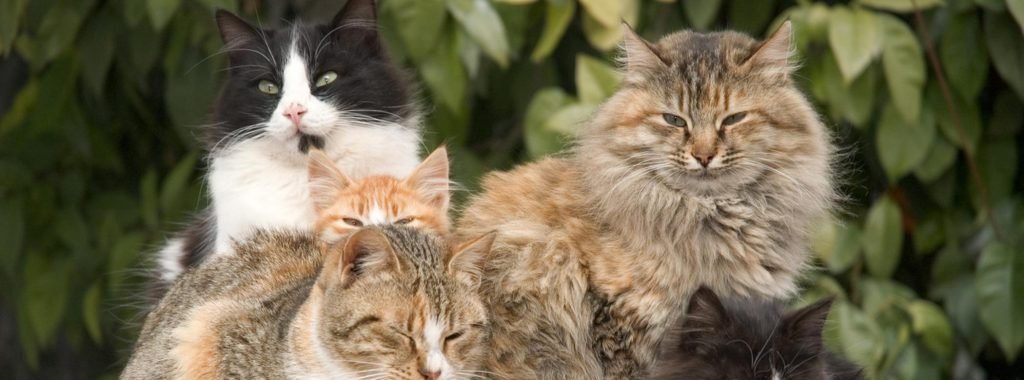
Are you curious about the biggest cat breeds out there? Imagine having a cat that’s not just a pet but a majestic companion with impressive size and presence.
These giant felines can capture your heart with their gentle nature and striking looks. If you’ve ever wondered which cats grow to be the largest and what makes them so special, you’re in the right place. Keep reading to discover the top biggest cat breeds that might just surprise you—and find out which one could be the perfect giant friend for your home.
Giant Cat Breed Characteristics
Giant cat breeds stand out with their impressive size and unique features. These cats are much larger than typical house cats. Their size often surprises new cat owners. Beyond size, they also have special traits that set them apart. Understanding these traits helps in caring for these gentle giants properly.
Physical Traits
Giant cat breeds have large bodies and strong muscles. Their paws are big and sturdy to support their weight. They often have broad heads and wide chests. Their fur can be thick, long, or dense depending on the breed. These cats move gracefully despite their size. They often weigh between 15 to 25 pounds or more.
Temperament
These cats are known for their calm and friendly nature. They enjoy spending time with people and other pets. Giant breeds are often gentle and patient. They usually like to play but also love to relax. Their personality makes them good companions for families. They rarely show aggression and can be very affectionate.
Lifespan And Health
Giant cats tend to have a lifespan of 10 to 15 years. Large size can sometimes cause health issues. Common problems include joint stress and heart conditions. Regular vet visits are important to catch health issues early. Proper diet and exercise help maintain their health. Early care can improve their quality of life significantly.
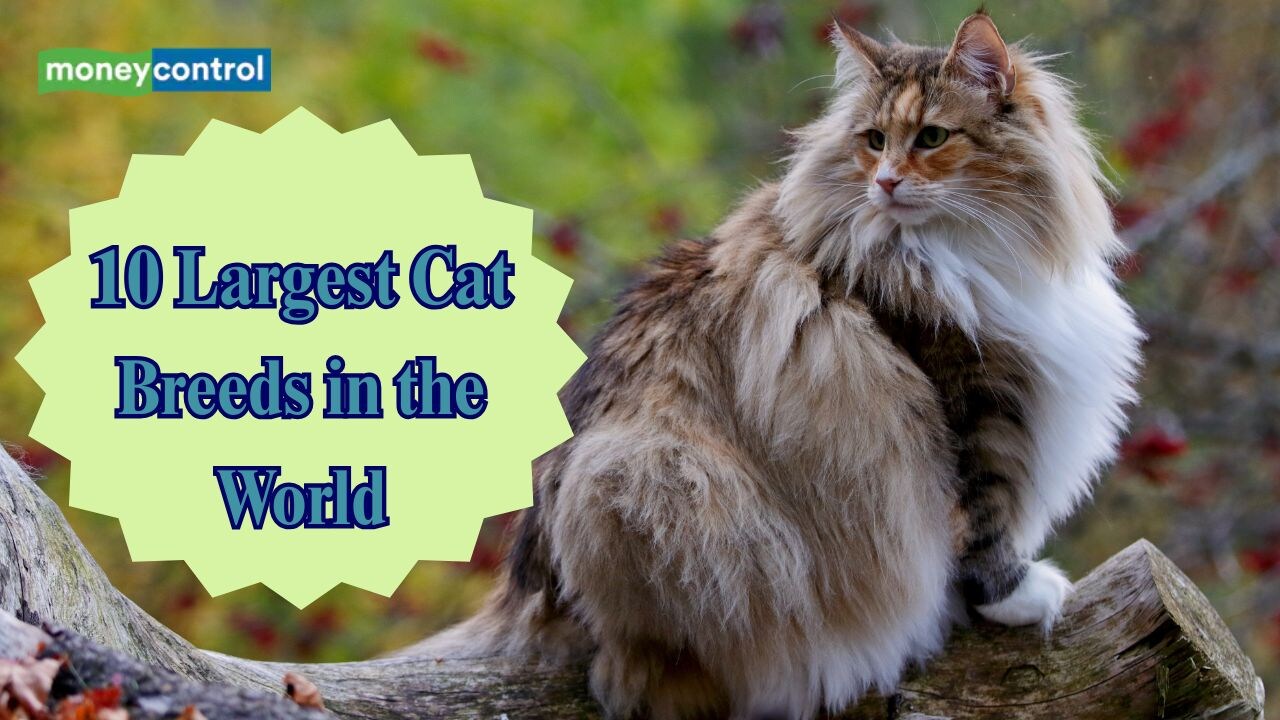
Credit: www.moneycontrol.com
Maine Coon
The Maine Coon is one of the largest and most beloved cat breeds in the world. Known for its impressive size and friendly nature, it quickly becomes a family favorite. If you think you know cats, wait until you meet a Maine Coon—they challenge what you expect from a feline companion.
Size And Appearance
The Maine Coon stands out with its hefty build and long, shaggy fur. Adult males can weigh between 13 to 18 pounds, sometimes even more, while females are slightly smaller. Their tufted ears and bushy tails give them a wild, rugged look that many find irresistible.
What’s fascinating is their large paws, which act like snowshoes in winter—an adaptation from their cold origins. Their coat comes in many colors and patterns, making each Maine Coon unique. Have you ever seen a cat that looks like it belongs in a storybook forest?
Personality
Maine Coons are often described as gentle giants. They have a playful spirit but also enjoy curling up quietly beside you. Their intelligence means they quickly learn tricks and enjoy interactive play.
They tend to be social and get along well with kids and other pets, which is perfect if your home is busy. What kind of personality do you want in a pet? A Maine Coon offers a mix of affection and independence that fits many lifestyles.
Care Needs
Due to their size and thick coat, Maine Coons require regular grooming. Brushing them two to three times a week helps prevent mats and keeps their fur shiny. You’ll also want to check their ears and trim nails regularly.
These cats benefit from a balanced diet rich in protein to support their muscular frame. Providing space for climbing and exploring keeps them happy and healthy. Are you ready to invest the time and care a Maine Coon deserves to thrive?
Savannah Cat
The Savannah Cat stands out among the biggest cat breeds with its striking appearance and lively personality. This breed captures attention not just because of its size but also due to its unique heritage and behavior. If you want a pet that combines wild beauty with domestic charm, the Savannah might be what you’re looking for.
Hybrid Origins
The Savannah Cat is a hybrid between a domestic cat and the African Serval, a wild cat known for its impressive size and agility. This mix gives the Savannah its exotic look and larger frame. Breeders carefully manage this cross to maintain a balance between wild traits and a friendly, domestic nature.
Because of its wild ancestry, owning a Savannah comes with specific responsibilities. You need to understand their instincts and provide an environment that caters to their unique needs. Are you ready to meet these challenges for a truly distinctive pet?
Distinct Features
One of the most noticeable features of the Savannah Cat is its tall, lean body covered in bold spots and stripes. Their ears are large and upright, giving them an alert and curious expression. These cats often have long legs and a slender neck, making them appear taller than typical domestic cats.
Their coat colors range from golden to silver, and each pattern is unique, resembling a miniature wild cat. Their eyes are usually almond-shaped and can be green, gold, or even blue. These distinct features make the Savannah a striking companion that stands apart in any room.
Activity Levels
Savannah Cats are incredibly energetic and playful. They enjoy climbing, jumping, and exploring, so having tall cat trees or shelves can help satisfy their active nature. Without enough stimulation, they may become bored or restless, which can lead to mischievous behavior.
Are you prepared to engage with a cat that demands interactive play and mental challenges? Toys that mimic prey, puzzle feeders, and regular playtime will keep your Savannah happy and healthy. Their high activity level means they thrive in homes where they get plenty of attention and space to roam.
Norwegian Forest Cat
The Norwegian Forest Cat is one of the largest cat breeds in the world. This majestic feline is known for its strong build and thick fur. It has adapted to cold climates, making it hardy and resilient. Its appearance is both wild and beautiful, with a long, bushy tail and tufted ears. This breed is a perfect blend of strength and elegance.
Thick Fur And Build
The Norwegian Forest Cat has a dense double coat. The outer fur is water-resistant and long. The undercoat is soft and insulating. This thick fur protects the cat from harsh weather. Its body is muscular and sturdy, supporting its large size. The legs are strong and the paws are large, helping it move easily on snow.
Behavioral Traits
This breed is friendly and social. It enjoys being around people and other pets. Norwegian Forest Cats are curious and playful. They love climbing and exploring high places. They are also quiet and gentle, rarely meowing loudly. This cat is independent but enjoys attention from its family.
Grooming Tips
- Brush the fur twice a week to prevent mats.
- Use a wide-toothed comb for the thick undercoat.
- Check ears regularly to avoid infections.
- Trim nails every few weeks to keep them healthy.
- Bathing is rarely needed, only when very dirty.
Regular grooming keeps the Norwegian Forest Cat comfortable and healthy.
Ragdoll
The Ragdoll cat is one of the largest and most gentle cat breeds. Known for their striking blue eyes and soft fur, Ragdolls attract cat lovers worldwide. Their calm personality makes them perfect for families and quiet homes. These cats enjoy being held and often go limp in your arms, which is how they got their name.
Large Size
Ragdolls are among the biggest domestic cats. Adult males can weigh between 15 to 20 pounds. Females are slightly smaller but still large compared to other breeds. Their strong bodies have broad chests and long legs. This size makes them impressive but not bulky. Their size also means they need enough space to move comfortably.
Docile Nature
Ragdolls have a calm and gentle temperament. They rarely scratch or bite. These cats enjoy quiet time and prefer calm environments. They love to cuddle and often follow their owners around the house. Their docile nature makes them great companions for children and seniors. Ragdolls rarely get stressed or anxious, which helps them stay healthy.
Training And Socializing
Ragdolls respond well to training and socializing. They learn commands quickly, like coming when called. Early socialization helps them get along with other pets and people. Positive reinforcement works best with this breed. Ragdolls enjoy interactive play and mental stimulation. Consistent routines help them feel secure and happy.
Chausie
The Chausie stands out as one of the biggest and most striking cat breeds you can welcome into your home. This breed combines the wild energy of its jungle ancestors with the playful nature of a domestic cat. If you’re looking for a cat that’s both impressive in size and lively in spirit, the Chausie might just catch your eye.
Wild Ancestry
The Chausie has a fascinating background rooted in the wild. It descends from the jungle cat, Felis chaus, native to parts of Asia and the Middle East. This wild lineage gives the Chausie its powerful build and sharp hunting instincts.
Unlike many domestic cats, the Chausie retains some of that raw energy. You might notice its alertness and curiosity often linked to its wild ancestors. Does your current cat show signs of a hidden wild side?
Appearance
The Chausie is a large, athletic cat with long legs and a sleek body. Their coat typically features short, dense fur with colors ranging from solid black to spotted or ticked patterns. Their ears are large and pointed, often with tufts, adding to their wild look.
Eyes are almond-shaped and expressive, usually green or gold. This breed’s size and exotic look often surprise first-time viewers. Imagine the presence such a cat brings into a room!
Exercise Requirements
Chausies are highly active and need plenty of exercise to stay happy and healthy. Simply providing toys won’t be enough; they thrive on interactive play and climbing opportunities. You should offer tall cat trees or safe outdoor enclosures to satisfy their natural instincts.
Without enough activity, a Chausie can become bored or even destructive. Think about your daily schedule—can you commit time to keep this energetic breed engaged? Their intelligence means they also enjoy puzzle feeders and training sessions.
Other Notable Large Breeds
Several large cat breeds stand out for their impressive size and gentle nature. These breeds combine strength with charm, making them popular pets worldwide. Their unique traits and histories add to their appeal. Here are some notable large cat breeds worth knowing.
Turkish Van
The Turkish Van is a strong, muscular cat with a distinctive coat pattern. It has a semi-long, water-resistant fur that sets it apart. This breed loves water and is very active. Turkish Vans often enjoy swimming and playing with water. They are affectionate and bond closely with their families.
British Shorthair
The British Shorthair is a sturdy cat with a broad chest and round face. It has dense, plush fur that feels soft to touch. This breed is calm, making it a great companion for quiet homes. British Shorthairs are known for their loyalty and easygoing nature. They adapt well to indoor living and enjoy gentle play.
Siberian
The Siberian cat is a powerful, agile breed with a thick triple coat. It protects them from cold climates and gives a fluffy appearance. Siberians are playful, curious, and very friendly with children and other pets. Their large size and soft fur make them stand out. This breed enjoys climbing and exploring its environment.
Choosing A Giant Cat Breed
Choosing a giant cat breed is more than just picking a pet with a big frame. These majestic cats demand special attention to their living environment, daily routines, and overall care. Before bringing home one of these gentle giants, consider how their size will impact your lifestyle and home.
Space Considerations
Giant cats need room to move comfortably. A cramped space can stress them out and limit their natural behaviors like stretching and climbing.
Think about the size of your home and if you have areas where your cat can safely explore. Do you have tall furniture or cat trees that can support their weight? Outdoor access, even if supervised, can also help satisfy their need for activity.
Time Commitment
Big cats often require more time for grooming and interaction. Their larger size means more fur to brush and more food to prepare.
Ask yourself if you can dedicate daily moments for play and affection. These cats thrive on companionship and mental stimulation, which helps prevent boredom and destructive behavior.
Budgeting For Care
Owning a giant cat breed can be more expensive than you expect. Food costs are higher because they eat more, and veterinary care may cost more due to their size.
Don’t forget to budget for bigger beds, larger litter boxes, and sturdy scratching posts. Planning your finances ahead helps avoid surprises and ensures your cat gets the best care.
Living With Big Cats
Living with big cat breeds like Maine Coons, Savannahs, or Norwegian Forest cats means embracing a lifestyle that matches their size and energy. These cats aren’t just larger—they need more space, care, and attention to thrive in your home. How prepared are you to adjust your daily routine and environment to keep your big feline friend happy and healthy?
Home Safety
Big cats require more room to move around comfortably. Make sure your furniture is sturdy enough to handle their weight and playful jumps. Sharp corners or fragile decorations should be removed or secured to prevent accidents.
Consider creating vertical spaces like tall cat trees or shelves. This gives your cat exercise and a safe place to retreat. Have you checked for escape routes? Bigger cats can squeeze through tighter spaces than you might expect.
Feeding Large Breeds
Big cats often have larger appetites. Choose high-quality food rich in protein to support their muscle mass. You might need to increase portion sizes, but avoid overfeeding to prevent obesity.
Feeding schedules can help control their diet and maintain consistent energy levels. Some owners find puzzle feeders helpful to engage their cat’s mind and slow down eating. What feeding habits have you noticed in your large cat that differ from smaller breeds?
Health Monitoring
Regular vet visits are crucial to catch health issues early. Big cats can be prone to joint problems due to their size, so watch for signs of stiffness or reluctance to jump. Keep an eye on their weight and activity level daily.
Grooming is another key aspect. Large breeds with thick fur may need more frequent brushing to prevent mats and skin problems. How often do you check your cat’s coat and claws? Staying proactive can save you from costly treatments later.

Credit: worldanimalfoundation.org

Credit: www.aol.com
Frequently Asked Questions
What Are The Biggest Cat Breeds By Size?
The biggest cat breeds include the Maine Coon, Savannah, Norwegian Forest Cat, and Ragdoll. These cats weigh between 15 to 25 pounds. They are known for their large frames and muscular bodies, making them stand out among other domestic cats.
How Heavy Can The Largest Domestic Cats Get?
The largest domestic cats can weigh up to 25 pounds or more. Maine Coons and Savannah cats often reach these weights. Their size is due to genetics and proper nutrition, contributing to their impressive stature and friendly personalities.
Are Big Cat Breeds Suitable For Small Homes?
Yes, big cat breeds can adapt to small homes with enough playtime and space. Regular exercise and mental stimulation are crucial. Owners should provide climbing structures and interactive toys to keep them healthy and happy indoors.
Do Big Cat Breeds Require Special Care?
Big cat breeds need regular grooming, especially long-haired types like Maine Coons. They also benefit from a balanced diet to maintain their weight. Routine vet check-ups ensure their health and prevent common breed-specific issues.
Conclusion
Big cat breeds are fascinating and unique pets. They often have gentle, loving personalities. Their size can surprise many people. These cats need space and care. Choosing a big breed means patience and love. Each breed offers something special. Think about your home and lifestyle first.
Big cats can bring joy and warmth. They deserve respect and good care. Enjoy learning about these wonderful feline friends.
