

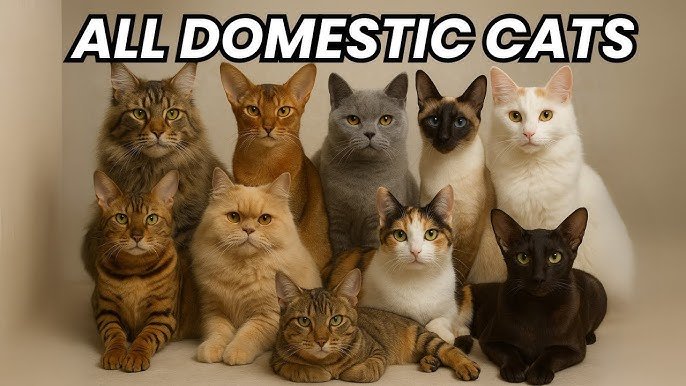
Have you ever wondered how many different breeds of cats exist in the world? Whether you’re a cat lover thinking about adding a furry friend to your home or just curious about these fascinating creatures, knowing the variety of cat breeds can surprise you.
Each breed has its own unique look, personality, and charm that might just match your style perfectly. Keep reading to discover the amazing diversity of cats and find out which breed could be your perfect companion.

Credit: www.threads.com
Cat Breed Classification
Cat breed classification helps us understand the variety and uniqueness among cats. It organizes cats into groups based on their traits, history, and appearance. This system makes it easier for breeders, owners, and enthusiasts to identify and appreciate different breeds.
International Cat Registries
International cat registries are organizations that officially recognize and register cat breeds. They set standards and keep records of pedigrees. Some well-known registries include:
- The Cat Fanciers’ Association (CFA)
- The International Cat Association (TICA)
- The Fédération Internationale Féline (FIFe)
- The Governing Council of the Cat Fancy (GCCF)
Each registry may recognize different breeds or have unique rules for classification. They play a key role in preserving breed purity and promoting responsible breeding.
Breed Recognition Criteria
Breed recognition involves strict criteria. These include physical traits such as coat color, body shape, and eye color. Temperament and behavior also matter. Breeds must have a consistent and distinct appearance over generations.
Registries require documented lineage and breed history. Breeders submit cats for evaluation to ensure they meet standards. Recognition helps maintain breed quality and supports the community of cat lovers worldwide.

Credit: www.youtube.com
Popular Cat Breeds
Popular cat breeds capture the hearts of many pet lovers worldwide. Each breed has unique traits and looks that appeal to different personalities. From playful to calm, cats offer a wide range of companionship styles. Knowing popular breeds helps in choosing the right feline friend. It also enriches knowledge about cat diversity.
Domestic Shorthair And Longhair
Domestic Shorthairs are common cats with short, smooth coats. They come in many colors and patterns. These cats adapt well to various homes and lifestyles. Domestic Longhairs have longer fur that feels soft and fluffy. They require regular grooming to avoid mats. Both types are healthy, friendly, and great pets.
Siamese And Oriental Breeds
Siamese cats are known for their striking blue eyes and sleek bodies. They have short coats with color points on ears, face, paws, and tail. These cats are very vocal and social. Oriental breeds look like Siamese but have more color varieties. They enjoy interaction and are highly intelligent. Both breeds thrive on attention and playtime.
Persian And Exotic Varieties
Persian cats have long, thick coats and flat faces. They are calm and enjoy quiet environments. Grooming is important to keep their fur clean and soft. Exotic cats are similar but have short, plush coats. They share the Persian’s sweet personality but need less maintenance. Both breeds fit well in peaceful homes.
Rare And Exotic Breeds
Rare and exotic cat breeds fascinate many pet lovers. These cats often have unusual looks or unique histories. They stand apart from common breeds due to their distinct features and rarity. Some are found in nature, while others come from careful breeding by humans. Their charm lies in their special traits and stories.
Natural Vs. Man-made Breeds
Natural breeds develop over time in specific regions. They adapt to local climates and environments without much human help. Examples include the Norwegian Forest Cat and the Siberian. These cats often have thick fur and strong bodies.
Man-made breeds come from selective breeding. Humans choose cats with certain traits to create new breeds. The Bengal and the Sphynx are popular man-made breeds. These cats have unusual appearances and personalities shaped by breeding goals.
Unique Traits And Origins
Rare breeds show traits not common in regular cats. The Peterbald has a hairless, sleek body. The Kurilian Bobtail has a short, bobbed tail. Each breed has a story tied to its region or history.
Some breeds come from remote places. The Sokoke cat originates from forests in Kenya. The Serengeti cat is a mix of Bengal and Oriental Shorthair, designed to look wild.
These unique traits make rare breeds special. They attract cat lovers seeking something different and fascinating.
Breed Characteristics
Understanding breed characteristics helps you connect better with your feline friend. Each cat breed carries unique traits that affect their look, personality, and health. Knowing these details makes it easier to choose a breed that fits your lifestyle and expectations.
Physical Appearance
Cat breeds vary widely in size, coat type, and color. Some breeds, like the Maine Coon, are large and fluffy with tufted ears, while others, such as the Siamese, have sleek bodies and striking blue eyes.
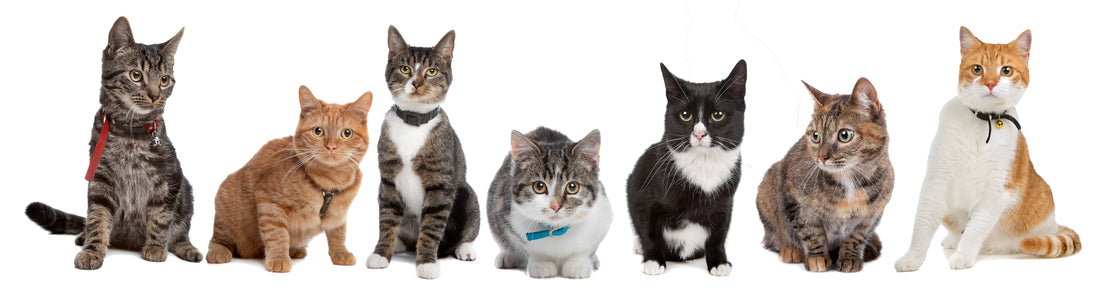
Coat patterns also differ—tabby stripes, solid colors, and even spotted coats add to a cat’s charm. Your cat’s physical traits aren’t just about looks; they often hint at the breed’s history and environment.
Temperament And Behavior
Each breed has a personality profile that shapes how they interact with you and others. For example, Bengals are energetic and playful, demanding lots of activity, while Ragdolls tend to be calm and affectionate, often following you around the house.
Understanding these behaviors can prevent frustration. Would you prefer a chatty companion or a quiet cuddle buddy? Your choice affects your daily life and your cat’s happiness.
Health Considerations
Some breeds have predispositions to specific health issues. Persians may suffer from respiratory problems due to their flat faces, whereas Abyssinians are generally robust but may be prone to dental issues.
Knowing these risks allows you to prepare for vet visits and care routines. Have you checked what health screenings your chosen breed might need? This awareness can save you stress and ensure a longer, healthier life for your cat.
Global Cat Breed Popularity
Cat breeds enjoy varying levels of popularity around the world. Some breeds are household names everywhere, while others are beloved mainly in specific countries. Understanding which breeds are popular where can help you make informed decisions if you’re considering adopting a cat.
Trends By Region
In North America, the Maine Coon and Ragdoll often top the popularity charts. These cats are admired for their friendly nature and large size. Meanwhile, in Europe, breeds like the British Shorthair and Siamese are more common, reflecting local preferences for classic looks and affectionate personalities.
Asia favors breeds such as the Scottish Fold, known for its unique ear shape. The breed’s rise in popularity in countries like Japan and South Korea shows how cultural tastes shape pet ownership. Have you noticed how certain breeds appear more in your area compared to others?
Influence Of Media And Culture
Media plays a huge role in cat breed popularity. A famous cat in a movie or TV show can make a breed suddenly trendy. Think about the surge in demand for Scottish Folds after they appeared in popular internet memes and videos.
Cultural values also affect which breeds people prefer. In some places, cats associated with good luck or specific myths are sought after more than others. This explains why breeds like the Japanese Bobtail hold a special place in certain cultures.
What cat breeds catch your eye more often in social media or local stories? Your personal favorites might be influenced by these cultural and media trends more than you realize.
Challenges In Cat Breed Identification
Identifying cat breeds can be surprisingly tricky. Many cats don’t fit neatly into one category, making breed identification a real challenge for both experts and pet owners. This complexity often leads to confusion about how many distinct cat breeds actually exist.
Mixed Breeds And Hybrids
Most cats you meet are mixed breeds, carrying traits from multiple breeds without a clear pedigree. These mixed breeds can look like any purebred, but their genetic background is often a blend. This makes it hard to pinpoint their exact breed just by appearance.
Hybrids add another layer of complexity. Cats like the Bengal, bred by crossing domestic cats with wild species, blur the lines between traditional breeds. So, how do you categorize a cat that isn’t fully one breed or another? That question complicates the total breed count.
Genetic Testing Advances
Genetic testing has made it easier to identify breeds based on DNA rather than just looks. If you’ve ever been curious about your cat’s background, a DNA test might reveal surprising breed mixes. These tests provide a clearer picture of a cat’s ancestry.
However, genetic testing also highlights how interconnected cat breeds are. You might find your “Siamese” has unexpected genetic markers from other breeds. This insight pushes us to rethink breed definitions and the number of recognized breeds.
Future Of Cat Breeding
The future of cat breeding is shaping up to be both exciting and responsible. As more people cherish their feline friends, breeders are challenged to focus on health, temperament, and diversity. You might wonder how these changes will affect the cats we welcome into our homes.
Ethical Breeding Practices
Ethical breeding is becoming the foundation for how new cat breeds develop. Breeders now prioritize the well-being of cats over appearance or rarity. This means careful health screenings, avoiding inbreeding, and ensuring kittens grow up in loving environments.
Have you ever thought about where a kitten’s health history comes from? Ethical breeders share detailed health records and genetic testing results with buyers. This transparency helps you make informed choices and supports the overall health of the breed.
More breeders also focus on socializing kittens to prepare them for family life. This hands-on care reduces behavioral issues later on, making your cat a happier companion. Would you feel more confident adopting a kitten knowing it was raised with such care?
Emerging Breeds And Innovations
New cat breeds continue to appear, often developed through careful breeding programs that aim to combine unique traits with good health. For example, some breeders are working on hypoallergenic cats for people with allergies. This innovation could open doors for many cat lovers who previously struggled with sensitivities.
Technological advances play a big role too. DNA testing allows breeders to select for specific traits while avoiding genetic diseases. This precision means future cats might live longer, healthier lives without sacrificing their distinctive looks.
Imagine a world where you can choose a cat breed tailored to your lifestyle and preferences. What kind of traits would you want to see in the next popular breed? The future of cat breeding invites you to think about how you can be part of this evolving journey.
Credit: meowfia.us
Frequently Asked Questions
How Many Cat Breeds Exist Worldwide?
There are approximately 70 to 100 recognized cat breeds worldwide. Different cat associations may list varying numbers. These breeds range from popular ones like Siamese to rare breeds like the Sokoke. The diversity offers many unique traits and personalities for cat lovers.
Which Cat Breed Is The Rarest?
The rarest cat breed is often considered the Sokoke. It originates from Kenya and is known for its distinctive coat pattern. Due to limited breeding, they remain uncommon. This breed is highly sought after by enthusiasts and collectors.
How Are Cat Breeds Officially Recognized?
Cat breeds are recognized by organizations like CFA and TICA. They set breed standards and register pedigrees. Recognition depends on distinct physical traits and genetic lineage. This process ensures breed purity and helps maintain breed characteristics.
Why Do Cat Breeds Differ So Much?
Cat breeds differ due to genetics, geography, and selective breeding. Breeders emphasize unique features like coat color, size, and temperament. Environmental factors also influence breed development. This variety provides options for different lifestyles and preferences.
Conclusion
Cats come in many breeds, each with its own traits. This variety makes them unique and special pets. Knowing how many breeds exist helps you appreciate their diversity. Whether you prefer fluffy or sleek cats, there is one for everyone.
Exploring different breeds can be fun and interesting. Cats bring joy and comfort to many homes worldwide. Remember, every cat, no matter its breed, deserves love and care. Choose a cat that fits your lifestyle and enjoy the companionship.
