

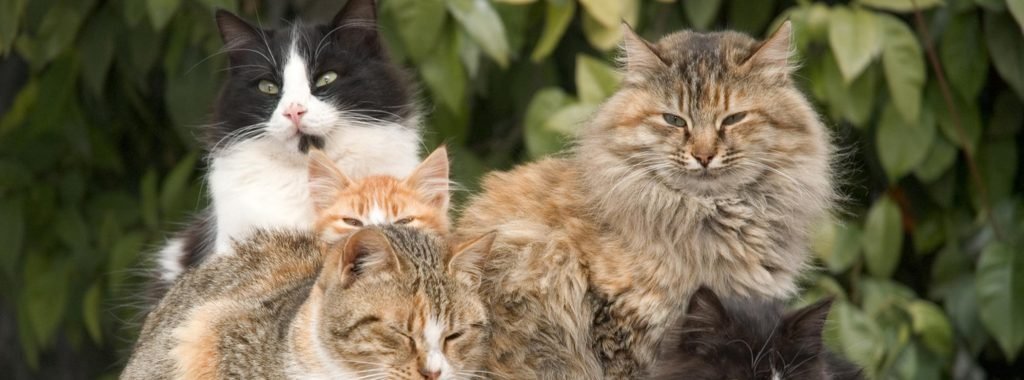
Are you curious about the biggest cats you can have right at home? Imagine a cat so large it feels more like a small tiger than a typical pet.
If you think all domestic cats are tiny and delicate, think again. Some cat breeds grow impressively big, surprising many with their size and personality. You’ll discover the largest domestic cat breeds, what makes them unique, and why they might be the perfect fit for your home.
Keep reading, because these gentle giants could change the way you see cats forever.
Credit: manypets.com
Majestic Giants: The Largest Domestic Cats
Majestic giants hold a special place in the world of domestic cats. These large breeds combine impressive size with gentle personalities, making them captivating companions. If you’ve ever wondered what it’s like to share your home with a cat that’s as big as a small dog, you’re about to find out.
The Maine Coon: The Gentle Giant
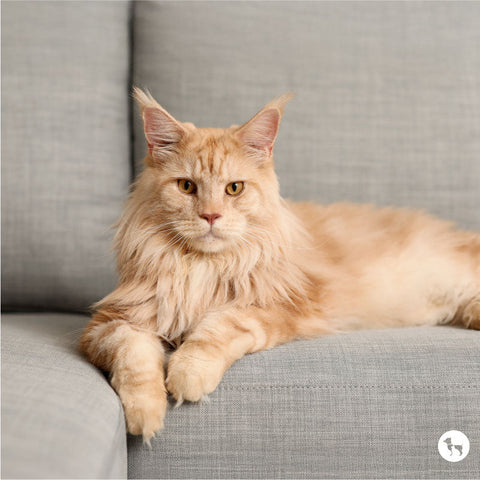
The Maine Coon stands out as one of the largest domestic cats. Males can weigh up to 18 pounds or more, with some reaching over 20 pounds. Despite their size, they are known for their friendly and playful nature, often acting more like a dog than a typical cat.
I once met a Maine Coon named Max who loved following his owner around like a shadow. His size didn’t stop him from being incredibly affectionate and curious. Have you ever met a cat that greets visitors at the door?
Savannah Cat: Wild Looks, Big Size
Savannah cats are a hybrid breed, known for their striking spotted coats and tall, lean bodies. They can weigh between 12 and 25 pounds, depending on their generation and lineage. Their active and intelligent nature means they need plenty of playtime and interaction.
Owning a Savannah cat means you get a pet that’s both exotic in appearance and highly social. Do you enjoy a cat that challenges you mentally and physically?
Norwegian Forest Cat: Hardy And Huge
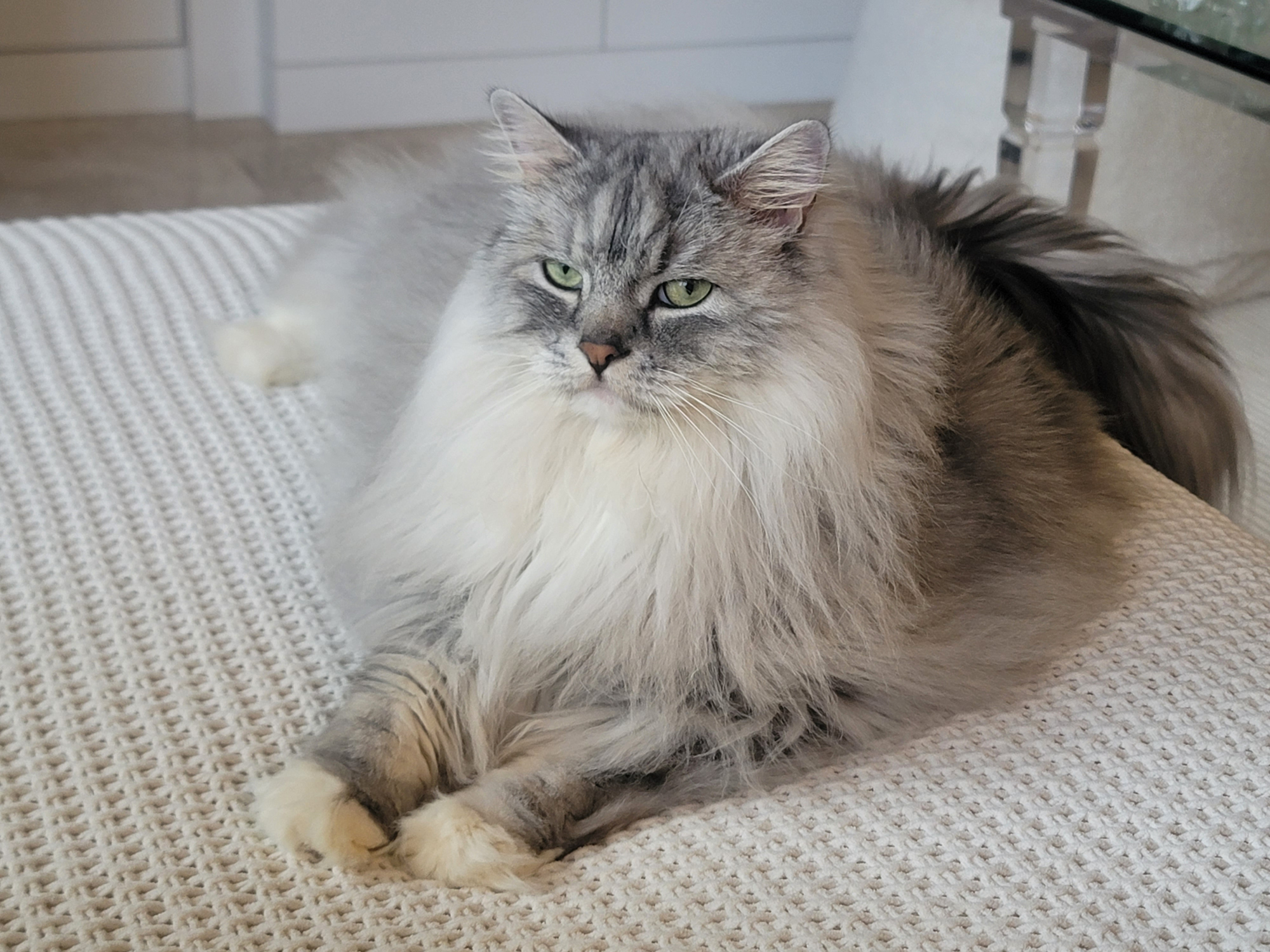
The Norwegian Forest Cat is built for cold climates, with a thick double coat and a muscular body. They can weigh between 13 and 22 pounds, with males generally larger than females. Their calm yet adventurous spirit makes them ideal for families who want a robust and loving companion.
These cats are natural climbers and explorers. Imagine having a furry friend who loves to climb shelves and explore every nook in your home. Could your living space handle the energy of a Norwegian Forest Cat?
Ragdoll: Size Meets Serenity
Ragdolls are known for their large size and striking blue eyes. They usually weigh between 15 and 20 pounds. What makes them unique is their relaxed temperament—they often go limp when you hold them, hence the name “Ragdoll.”
If you want a big cat that’s calm and cuddly, a Ragdoll might be perfect for you. Would you enjoy a cat that loves to be held and pampered like a baby?

Credit: www.yahoo.com
Top Large Cat Breeds
Large cat breeds bring a unique charm to your home with their impressive size and gentle personalities. They often surprise people with their mix of strength and affection. If you want a cat that feels like a small tiger but behaves like a loyal friend, these breeds might be perfect for you.
Maine Coon
The Maine Coon is often called the “gentle giant” of the cat world. With thick fur and tufted ears, they look like they stepped out of a fairy tale. I once met a Maine Coon that loved sitting on laps despite its size, showing how affectionate these cats can be.
They are excellent hunters and very social, making them great companions for families. If you want a cat that’s both playful and calm, the Maine Coon is a solid choice.
Savannah Cat
Savannah Cats stand out with their exotic, wild appearance but are surprisingly friendly. Their long legs and large ears give them a striking look that turns heads everywhere. These cats need plenty of playtime and mental stimulation.
Think about whether you can provide an active lifestyle for a Savannah, as they thrive with interactive toys and outdoor adventures. Their loyalty will reward your effort with a deep bond.
Ragdoll
Ragdolls are known for their calm nature and striking blue eyes. They get their name because they tend to go limp and relaxed when you hold them. If you want a cat that loves cuddles and stays calm around kids, Ragdolls fit the bill.
They grow quite large but remain gentle and affectionate. Have you ever wished for a feline that acts more like a dog? Ragdolls often follow their owners around, eager to be part of the family action.
Norwegian Forest Cat
This breed has a rugged, natural look with a thick coat perfect for cold climates. Norwegian Forest Cats are agile climbers and love exploring high places in your home. Their playful yet independent nature means they enjoy their space but also appreciate company.
They can adapt well to different environments but need room to roam and climb. Have you created vertical spaces for your cat? Norwegian Forest Cats will thank you for it.
Chausie
Chausies are a hybrid breed, blending domestic cats with wild jungle cats. They are athletic, curious, and full of energy. If you want a cat that’s active and intelligent, Chausies are a fantastic match.
They require lots of stimulation and interaction, so be ready to spend quality time playing and training. Could you keep up with a cat that thinks of itself as an athlete?
Physical Traits Of Giant Cats
Giant domestic cats are truly impressive, not just because of their size but also due to their unique physical traits. These traits set them apart and can help you recognize a giant breed at a glance. Understanding these features can also guide you in providing the right care for these majestic pets.
Size And Weight
Giant cats often weigh between 15 to 25 pounds, with some males tipping the scale even higher. Their length can reach up to 40 inches from head to tail, making them noticeably larger than average house cats. You might notice their broad chests and muscular frames, which support their hefty size without sacrificing agility.
Have you ever held a Maine Coon or a Norwegian Forest Cat? Their weight feels solid, yet they move with surprising grace. This balance of strength and flexibility is a key characteristic of giant breeds.
Coat And Color Patterns
Their coats are usually thick and long, designed to protect them from harsh weather in their native environments. You will find a variety of colors and patterns, from classic tabby stripes to solid shades and even striking tortoiseshell mixes.
- Maine Coons often have shaggy fur with a distinctive ruff around their neck.
- Siberians show dense, water-resistant coats.
- Ragdolls feature silky fur with color points on their ears, face, paws, and tail.
These patterns are more than just beautiful—they can give clues about the cat’s breed and origin. What colors catch your eye when you see a giant cat?
Eye Shape And Color
Giant cats tend to have large, expressive eyes that enhance their already commanding presence. The shape of their eyes can vary from round to almond-shaped, depending on the breed.
Eye color can range dramatically, including shades of green, gold, blue, or copper. For instance, Ragdolls often have stunning blue eyes, while the Maine Coon’s eyes may be green, gold, or copper.
These eye features do more than look attractive—they help these cats communicate their emotions clearly. Have you noticed how a giant cat’s gaze can hold your attention effortlessly?
Personality And Temperament
Understanding the personality and temperament of the largest domestic cat breeds helps you create a better bond with these gentle giants. These cats often surprise people with their unique mix of playfulness and calmness. Knowing what makes them tick can improve your experience as a cat owner and help you meet their needs effectively.
Social Behavior
Large cat breeds tend to be social creatures who enjoy interaction. Many are known to seek attention from their human companions without being overly demanding. You might notice them following you around the house or curling up nearby during quiet moments.
Some breeds, like the Maine Coon, are particularly friendly with strangers and other pets. Have you ever seen a big cat greet guests with a gentle head bump? That’s a sign of their warm, approachable nature.
Intelligence And Trainability
These cats are often smarter than people expect. They quickly learn routines and can even master tricks like fetching or sitting on command. Training sessions become a fun way to bond, keeping their minds sharp and spirits high.
Consider using clicker training or positive reinforcement to teach your cat new behaviors. This not only challenges their intellect but also strengthens your relationship. How often do you engage your cat in mental exercises during playtime?
Compatibility With Families
Many large cat breeds fit well into family life. Their patient and tolerant nature makes them great companions for kids and other pets. However, every cat is unique, so observing their reactions around different family members is key.
Families should provide plenty of space and interactive play to keep these cats happy. Have you noticed how a calm environment helps your big cat feel secure and loved? Creating a balanced routine benefits both you and your feline friend.
Care Requirements For Large Cats
Large domestic cats need special care that matches their size and energy levels. Their care isn’t just about keeping them healthy; it’s about making sure they live happily and comfortably. Paying attention to their unique needs can make a big difference in their quality of life.
Nutrition And Diet
Big cats burn more calories and need a diet rich in protein and essential nutrients. You should provide high-quality cat food designed for large or active breeds. Avoid overfeeding, as extra weight can strain their joints and heart.
Think about adding supplements like omega-3 fatty acids to keep their coat shiny and their joints flexible. Fresh water must always be available, especially if you feed dry kibble. Ever noticed how some large cats prefer multiple small meals? Try feeding smaller portions several times a day to match their natural eating habits.
Exercise Needs
Large cats need plenty of exercise to maintain muscle tone and prevent obesity. Interactive play with toys like feather wands or laser pointers keeps them engaged and active. You can also create climbing spaces or cat trees that accommodate their size.
Don’t underestimate how much stimulation they need—boring environments can lead to destructive behavior. Regular exercise also helps with mental health, keeping your big cat curious and sharp. Have you tried rotating their toys to keep their interest high?
Grooming Tips
Grooming large cats takes time but pays off in fewer hairballs and healthier skin. Brushing their fur a few times a week removes loose hair and reduces shedding. Use a sturdy brush designed for thick coats, especially if your cat has long hair.
Check their nails regularly and trim them to prevent scratching damage. Bathing is rarely needed but can be helpful if your cat gets particularly dirty. Notice any skin changes or lumps during grooming? Early detection of issues is easier when you handle them often.
Choosing The Right Giant Cat
Choosing the right giant cat breed means thinking beyond just their size. These majestic pets need special care, attention, and space to thrive. Understanding what fits your lifestyle and home is crucial before bringing one of these gentle giants into your life.
Living Space Considerations
Giant cats like the Maine Coon or Savannah require more room than typical cats. They enjoy climbing, exploring, and stretching out, so a cramped apartment might not be ideal.
Do you have enough space for a large cat tree or a safe outdoor enclosure? Remember, these cats are active and curious; they need vertical and horizontal space to stay happy.
Think about how your living situation will accommodate their energy and size. Can your furniture handle a 20-pound cat jumping around? Will you need to rearrange rooms to create a cat-friendly environment?
Allergy And Health Factors
Some large cat breeds may trigger allergies more than others. For example, the Siberian cat is known for being more hypoallergenic, while the Norwegian Forest Cat may shed heavily, increasing allergens.
Check if anyone in your household has cat allergies before choosing a giant breed. Your cat’s health matters too—larger breeds can be prone to specific conditions like hip dysplasia or heart issues.
Regular vet visits and proper diet can help manage these risks. Ask breeders or owners about common health problems and preventive care routines.
Finding Reputable Breeders
Finding a trustworthy breeder is key to getting a healthy, well-socialized giant cat. Reputable breeders focus on the cat’s wellbeing, temperament, and genetic health.
Visit breeders in person or request detailed photos and health records. Ask about the cat’s parents and any health screenings they’ve undergone.
A responsible breeder will also ask you questions to ensure their cats go to good homes. Don’t hesitate to walk away if something feels off or if they can’t provide clear information.
Famous Giant Cats In Pop Culture
Giant cats have captured the imagination of many, not just because of their size but also due to their striking presence in movies, TV shows, and literature. These famous feline characters often highlight the awe-inspiring nature of large domestic cats, making them unforgettable icons in pop culture.
Cheshire Cat: The Enigmatic Giant From Wonderland
The Cheshire Cat from Lewis Carroll’s Alice’s Adventures in Wonderlandis known for its wide grin and mysterious aura. Although not explicitly described as giant, many artistic interpretations show the cat as larger than Alice, emphasizing its surreal and dominating presence.
Its playful yet cryptic personality keeps readers and viewers intrigued. Have you ever wondered how this cat’s size influences your perception of its power and mystery?
Garfield: The Overweight Giant Cat With Attitude
Garfield, the orange tabby from the famous comic strip, is not physically large in height but is definitely a giant in girth. His size plays a huge role in his laziness and love for lasagna, traits that many cat owners recognize.
His exaggerated size helps amplify his personality quirks, making him a relatable and lovable character. Does your cat’s size ever change how you see their personality?
Hobbes: The Giant Tiger From Calvin And Hobbes
Hobbes, the tiger from Bill Watterson’s comic strip, is portrayed as a large and majestic cat in Calvin’s imagination. His size symbolizes strength and protection but also the playful and mischievous side of childhood.
Hobbes shows how a large cat can be both a guardian and a companion in a child’s world. How do you think size affects the bond between pets and their owners?
Simba: The Kingly Lion Of The Lion King
Simba represents the majestic and powerful lion, a natural giant cat in the wild. Although not a domestic breed, Simba’s story taps into the fascination with large cats and their role as leaders and protectors.
This character reminds us that size often symbolizes authority and courage in storytelling. Do you see parallels between Simba’s strength and the personality traits of giant domestic cats?
Credit: headsupfortails.com
Frequently Asked Questions
What Are The Largest Domestic Cat Breeds?
The largest domestic cat breeds include the Maine Coon, Savannah, and Ragdoll. These cats are known for their impressive size, friendly nature, and striking appearance, making them popular among cat enthusiasts.
How Big Do Maine Coon Cats Get?
Maine Coon cats can weigh between 10 to 25 pounds and grow up to 40 inches long. They are one of the largest domestic breeds with a muscular build and bushy tail.
Are Savannah Cats Bigger Than Regular Cats?
Yes, Savannah cats are larger than typical domestic cats. They can weigh up to 25 pounds and have a tall, lean body, combining wild and domestic traits.
Do Large Cat Breeds Require Special Care?
Large cat breeds need regular grooming, a balanced diet, and enough exercise. Their size demands more space and attention to maintain good health and happiness.
Conclusion
Large domestic cat breeds bring charm and size together. They offer gentle companionship with impressive looks. Owning one means enjoying both beauty and personality. These cats fit well in many homes. Their size does not affect their loving nature. Choosing a large cat breed adds joy and warmth.
Think about space and care before deciding. Each breed has unique traits to explore. Big cats can still be calm and friendly. A large cat can brighten any household easily.
