

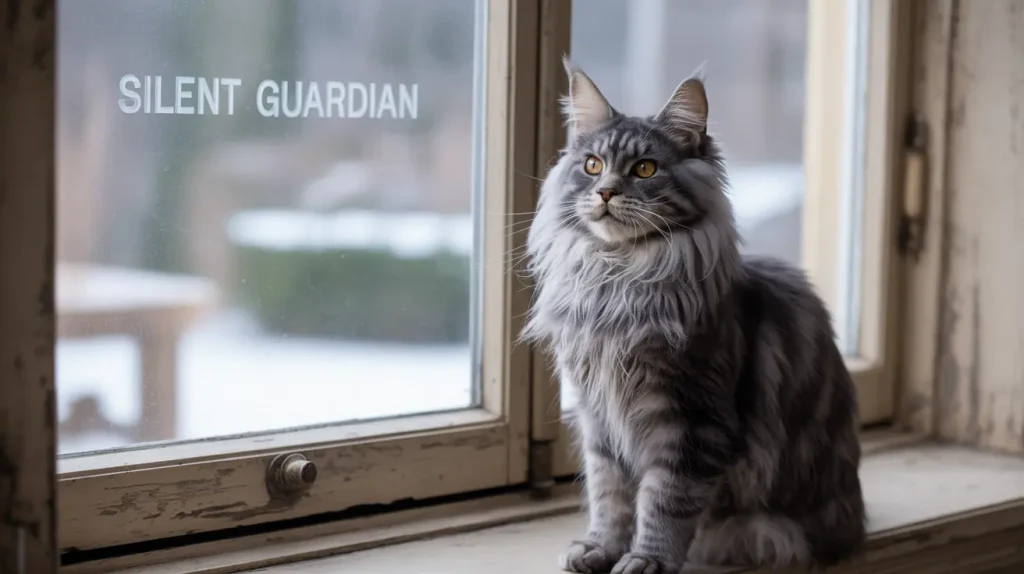
Imagine a world where your feline friend is not just a companion but also a conversation starter. Cat breeds with ear tufts can make that world a reality.
These unique features add a touch of wild elegance to your kitty, making them stand out in any room. You might have seen these tufted ears in popular cat breeds like the Maine Coon or the Norwegian Forest Cat, but there’s more to discover.
Are you curious to learn which other breeds boast this charming trait? Or perhaps you’re wondering if ear tufts mean something special about a cat’s personality or health? Dive in to uncover the secrets behind these fascinating feline features, and find out which cat with ear tufts might be the purr-fect addition to your family.
Ear Tufts In Cats
Ear tufts are one of those fascinating features that can instantly catch your eye when you look at certain cats. These little wisps of fur sprouting from the tips of their ears give them a unique look that’s both wild and elegant. If you’ve ever wondered what ear tufts really are and why some cats have them, you’re about to find out.
What Are Ear Tufts
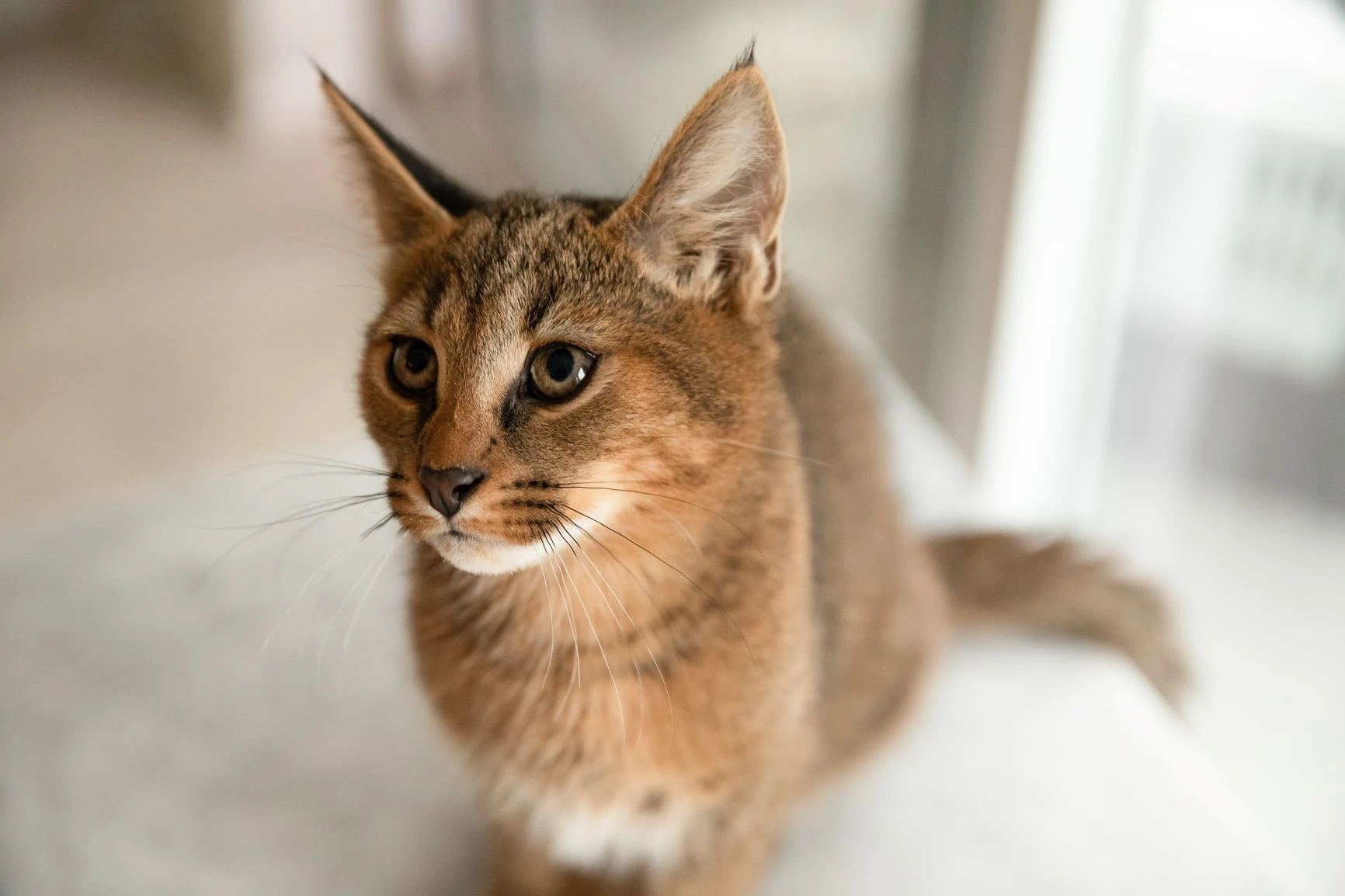
Ear tufts are small clusters of fur growing from the tips of a cat’s ears. They are sometimes called “lynx tips” because they resemble the ear tufts seen on wild lynx cats. Not all cats have them, but when they do, it adds a distinctive flair to their appearance.
These tufts vary in size and density depending on the breed or individual cat. Some cats have long, prominent tufts, while others may have just a few stray hairs. Recognizing ear tufts is easy—they stand out from the ear’s edge and give the ears a pointed, tufted look.
Purpose Of Ear Tufts
You might wonder why cats have ear tufts in the first place. Are they just for looks, or do they serve a purpose? The answer is a bit of both.
Ear tufts help protect a cat’s ears from debris like dirt and insects, especially for cats that live outdoors. They also help keep the ear canal warm in colder weather. This practical function is often overlooked because the tufts look so charming.
Beyond protection, ear tufts can play a role in communication. Cats may use the position and movement of their ears, including the tufts, to express emotions or intentions to other cats and humans. Have you noticed how your cat’s ears change when they’re curious or alert? Those tufts add extra emphasis.
Credit: cats.fandom.com
Top Cat Breeds With Ear Tufts
Ear tufts are more than just a charming feature on cats—they add a touch of wild elegance and can hint at a breed’s unique heritage. If you’ve ever admired those sharp, pointed ears with little tufts of fur peeking out, you know they give cats a distinctive, almost regal look. Let’s take a closer look at some of the top cat breeds known for their ear tufts and what makes each one special.
Maine Coon
The Maine Coon is famous for its impressive ear tufts that extend beyond the ear tips, often called “lynx tips.” These tufts help protect their ears from cold weather, reflecting their origin in the chilly northeastern United States. If you want a cat with a majestic look and a friendly personality, the Maine Coon is a top pick.
Norwegian Forest Cat
Norwegian Forest Cats sport ear tufts that blend with their thick, water-resistant coat, perfect for surviving harsh Scandinavian winters. Their tufts are less dramatic than the Maine Coon’s but still add to their wild, forest-dwelling appearance. Have you noticed how their ear tufts give them an alert, curious expression?
Siberian Cat
Siberian Cats boast ear tufts that are part of their triple-layered coat designed to handle Russian cold. These tufts help keep their ears warm and free from snow. If you want a cat that combines strength with a playful attitude, the Siberian’s ear tufts make them stand out even more.
Turkish Van
Turkish Vans have softer, less prominent ear tufts compared to other breeds, but their fluffy ears still add to their charming look. Known for their love of water, their ear tufts don’t get in the way of their adventurous spirit. Do you think ear tufts affect a cat’s hearing or just their style?
American Bobtail
American Bobtails feature small yet noticeable ear tufts that enhance their rugged, wildcat appearance. These tufts fit well with their short, bobbed tails and sturdy build. Their ear tufts might be subtle, but they add a unique touch that many cat lovers appreciate.
Unique Traits Of Ear-tufted Cats
Ear-tufted cats stand out with their striking features. These tufts add charm and character to many beloved breeds. They are not just decorative but serve real purposes. These unique traits shape their look and behavior.
Appearance And Personality
Ear tufts create a wild, majestic look on cats. They make ears appear larger and more pointed. These tufts often come in darker shades than the cat’s fur. Many ear-tufted cats have thick, plush coats. Their eyes are usually bright and expressive.
Personality-wise, ear-tufted cats tend to be curious and alert. They often show a playful yet calm nature. Many enjoy exploring their surroundings carefully. These cats can be affectionate with their families. They balance independence with a desire for companionship.
Adaptations And Benefits
Ear tufts help protect cats in the wild. They shield the inner ear from dust, debris, and insects. These tufts also help with hearing by funneling sounds. They improve sound direction and clarity.
Another benefit is camouflage. The tufts break the ear’s outline, blending the cat into its environment. This feature is helpful for hunting and avoiding predators. In cold climates, ear tufts provide extra warmth. They help keep sensitive ear tips cozy.
Caring For Cats With Ear Tufts
Caring for cats with ear tufts requires special attention to keep their ears clean and healthy. Ear tufts add charm but also need gentle care. Regular checks help prevent infections and discomfort. Proper care ensures your cat stays happy and comfortable.
Grooming Tips
- Check ear tufts often for dirt or debris.
- Use a soft brush to gently clean the tufts.
- Trim excess hair around the ears to avoid matting.
- Be gentle to prevent hurting sensitive skin.
- Clean ears with a vet-approved solution if needed.
Health Considerations
- Watch for signs of ear infection like redness or smell.
- Keep ears dry to prevent fungal growth.
- Visit the vet if your cat scratches ears often.
- Check for mites or other parasites regularly.
- Maintain a healthy diet to support skin and fur health.
Choosing An Ear-tufted Cat
Choosing an ear-tufted cat means more than admiring their unique look. These cats come with distinct personalities and care needs. Understanding what fits your lifestyle helps ensure a happy home for both you and your feline friend.
Matching Personality To Lifestyle
Ear-tufted cats like the Maine Coon or Norwegian Forest Cat often have playful and social personalities. If you enjoy interactive play and have time to engage your cat, these breeds can thrive in your home.
Some ear-tufted breeds are independent and prefer quiet environments. Consider your daily routine—do you work long hours or have a busy household? Matching your cat’s energy level and social needs to your schedule prevents frustration on both sides.
Think about what you want from your cat. Are you looking for a lap cat or a curious explorer? Knowing this helps you choose a breed whose temperament suits your expectations.
Where To Find These Breeds
Finding a reputable breeder is key when looking for an ear-tufted cat. Look for breeders who prioritize health screenings and proper socialization. Visiting in person or asking for detailed photos and videos can give you a better sense of the cat’s environment.
Adoption is another option. Check breed-specific rescues or shelters that occasionally have purebred cats. This route often offers a chance to give a home to a cat in need and may come with lower costs.
Online forums and local cat clubs can connect you with trusted sources. Asking questions and reading reviews from other owners can guide you toward a trustworthy breeder or rescue.

Credit: www.reddit.com
Credit: medium.com
Frequently Asked Questions
What Are Cat Breeds With Ear Tufts?
Cat breeds with ear tufts have small hair clusters on ear tips. These tufts help protect their ears and improve hearing. Popular breeds include Maine Coon, Norwegian Forest, and Siberian cats, known for their distinct ear tuft features.
Why Do Some Cats Have Ear Tufts?
Ear tufts help protect cats’ ears from debris and cold weather. They also enhance hearing by directing sound into the ear canal. This feature is common in wild and natural cat breeds, aiding in survival and sensory perception.
Which Cat Breed Has The Most Prominent Ear Tufts?
The Maine Coon cat breed has the most prominent ear tufts. Their long, flowing tufts give them a wild, lynx-like appearance. This trait is a signature feature, making Maine Coons easily recognizable and highly popular.
Do Ear Tufts Affect A Cat’s Hearing?
Yes, ear tufts can improve a cat’s hearing. They help funnel sound waves into the ear canal. This adaptation is useful in natural environments for detecting prey and predators.
Conclusion
Cats with ear tufts have a unique and charming look. These tufts add character and make breeds stand out. They also help protect cats’ ears from dirt and cold. Each breed shows ear tufts in a different way. Choosing a cat with ear tufts means welcoming a special pet.
Their distinct features bring joy and beauty to any home. Remember, these cats need regular care to keep their ears healthy. Ear tufts are just one of many reasons to love these cats. They truly make feline friends even more fascinating.
